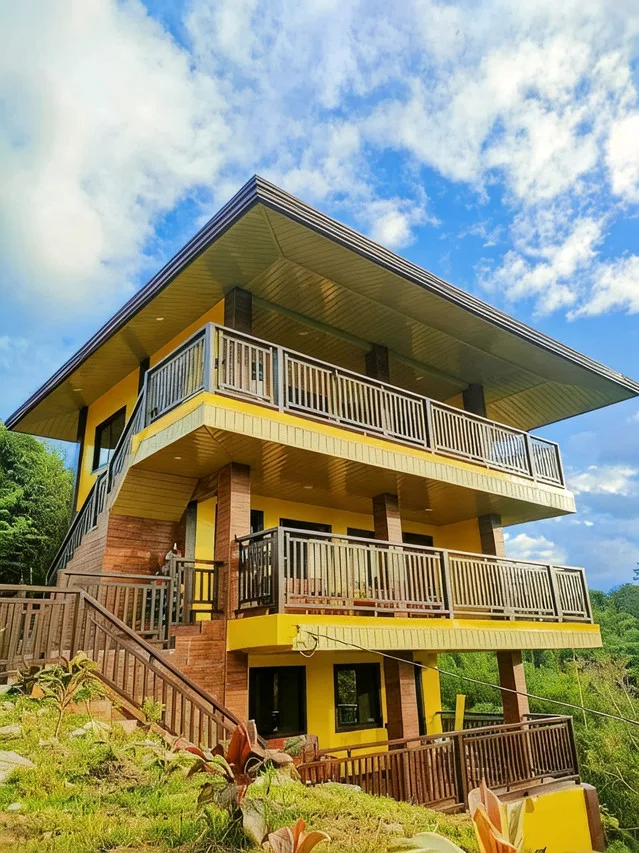
Lake Sebu
Mist, waterfalls, and weavers — the Philippines' most culturally distinct highland destination · South Cotabato, Mindanao
Photo: Municipal Government of Lake Sebu / Public domain via Wikimedia Commons
Lake Sebu sits in the mountains of South Cotabato at 300 meters above sea level, ringed by mist-covered hills and the villages of the T'boli — one of the Philippines' most culturally intact indigenous peoples, whose tradition of dreamweaver cloth, brass jewelry, and forest-tuned music has survived four centuries without being diluted into a theme park. This is the real thing: a UNESCO-designated biosphere reserve lake where T'boli fishermen still pole dugout canoes across the water at dawn, and women still weave Tnalak cloth from abaca fibre using patterns inherited from their grandmothers' dreams.
Things to do in Lake Sebu
Seven Falls Zip-Line
The Hikong Alu River descends through seven named waterfalls as it drops from the highland plateau, and the way most visitors experience them is from a zip-line cable strung 740 meters across the gorge — the longest single-cable zip-line over a waterfall in Southeast Asia. The zip costs PHP 150 one-way or PHP 250 return; the crossing takes about 40 seconds. The moment when you are hanging mid-cable with a waterfall roaring below you and forest extending in every direction is genuinely spectacular. The zip-line opens at 7 AM.
Trekking to the Seven Falls by Foot
The full Seven Falls trek is one of the best walks in Mindanao: a 2.5-hour descent through secondary rainforest on a well-maintained trail, passing each of the seven named falls in sequence. A registered local guide is required (arranged at the trailhead, PHP 200–300) and is worth every peso — they know which pools are safe for swimming. Wear trail shoes, bring two liters of water, and plan the descent for morning when the light and energy are both better.
T'boli Tnalak Weaving and Cultural Village
The Tnalak is the soul-cloth of the T'boli people — a fabric woven by women from abaca fibre using a resist-dyeing technique in which the pattern is tied and dyed into the thread before weaving begins, guided by visions received in dreams. The resulting geometric designs in rust-red, black, and cream are recognized by UNESCO as Intangible Cultural Heritage. Buy Tnalak directly from the weavers at PHP 500–1,500 per meter depending on complexity. Do not buy from middlemen in GenSan or Koronadal — the money goes directly to the T'boli families at source.
Lake Sebu Boat Tour and Fishing Village
The lake itself — 350 hectares of still, dark water set between forested hills — is best experienced from a banca (outrigger canoe) hired at the town pier for PHP 300–500 per hour. Boat operators run circuits of the lake's three connected bodies of water, passing T'boli fishing villages built on bamboo stilts over the water, tilapia fish cage farms, and the forested inlet where water birds nest. Ask your boatman to cut the engine mid-lake on a calm morning and just sit in the silence.
Helobung T'boli Dance and Music
The T'boli perform Helobung — their traditional ceremonial dance accompanied by agung (brass gong) and a two-stringed hegelong — at formal occasions and tourist performances arranged through the municipal tourism office. Outside festival season, performances can be arranged with at least one day's advance notice for groups (PHP 500–1,000 for a 30–45 minute performance). The brass gong music in particular — layered, polyrhythmic, and absolutely unlike anything else in Philippine folk music — has a way of stopping you mid-thought.
Punta Isla Floating Restaurant
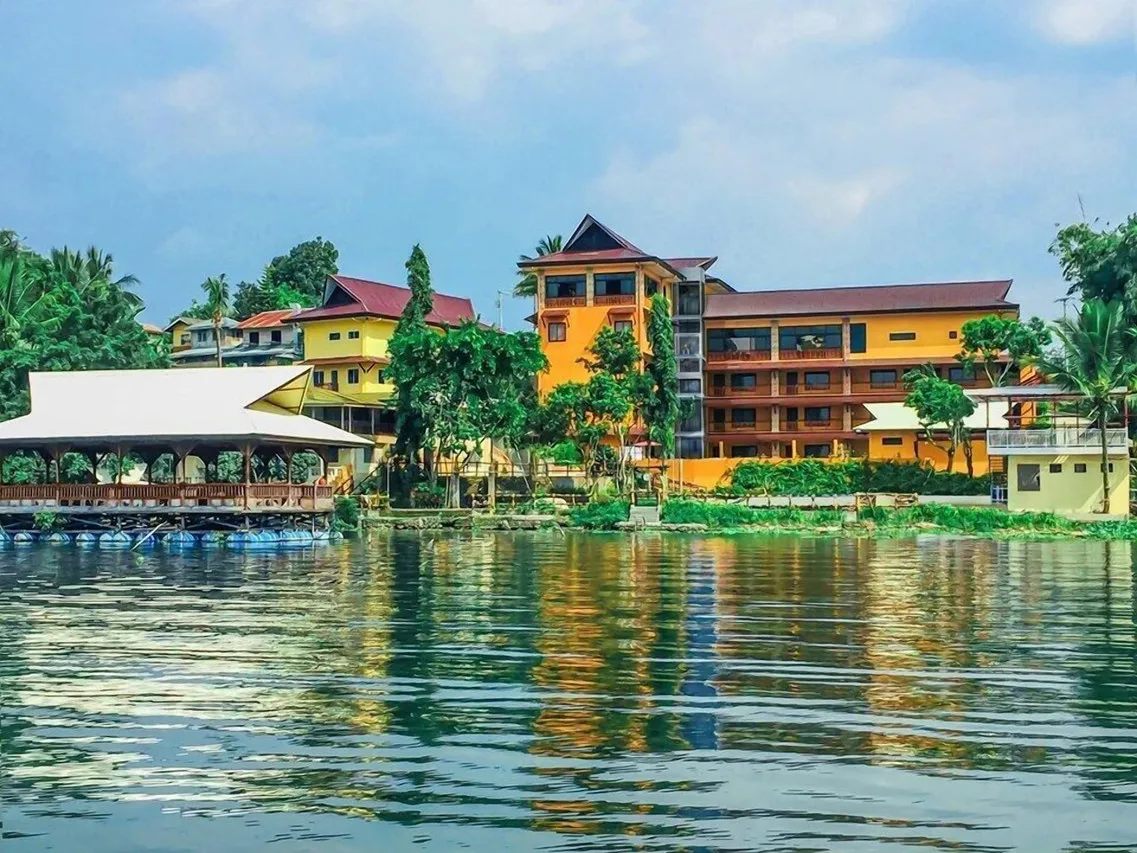
Punta Isla is a floating restaurant and resort complex built on bamboo rafts anchored in the lake, serving fresh tilapia in every form imaginable. The fish are raised in cages visible beneath the platform — you can point at the one you want. Inihaw na tilapia (grilled, PHP 120–180 per fish), sinigang na tilapia (PHP 180–250), and kinilaw na tilapia (PHP 100–150) are the staples. Eat at a table cantilevered over the water as the sun drops behind the western hills and turns the lake the color of bronze.
Photos of Lake Sebu
A visual taste of Lake Sebu before you go.
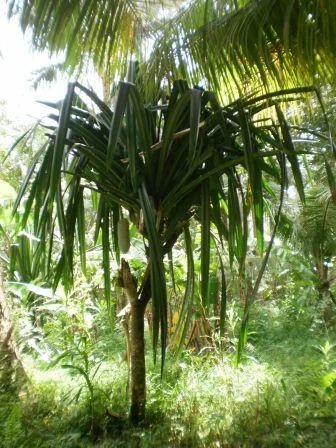
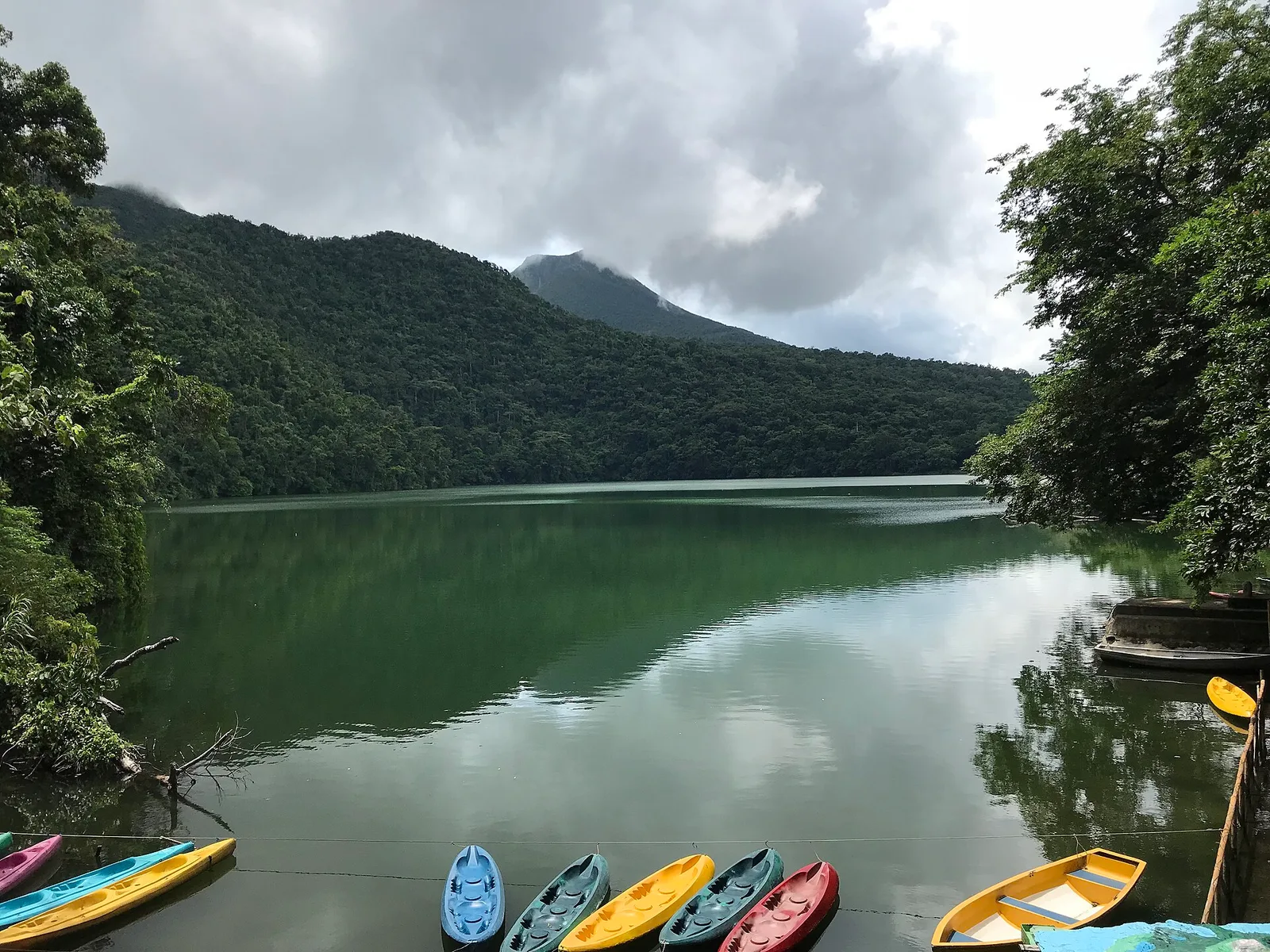
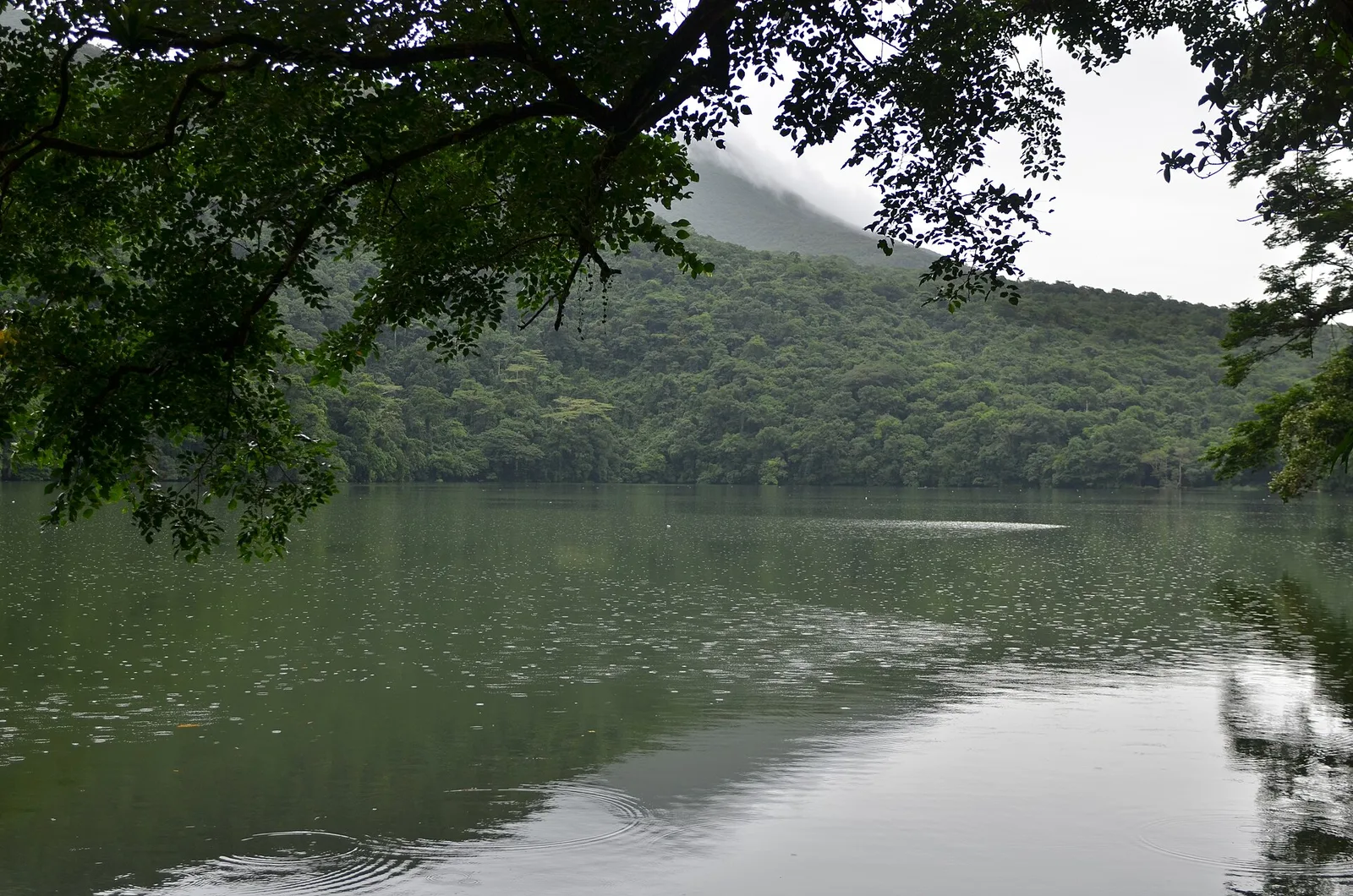
Photos: Alma Gamil (CC BY 2.0) via Wikimedia Commons · Jamesbourne1986 (CC BY-SA 4.0) via Wikimedia Commons · ignacio malapitan (CC BY-SA 3.0) via Wikimedia Commons
Ready to book?
Book your Lake Sebu trip now
Hotels, tours and transfers — compare live prices and book securely through trusted partners. Prices update daily.
Affiliate links — we earn a small commission at no extra cost to you. Prices shown are live from our partners.
🗓️ Best time to visit Lake Sebu
Lake Sebu is accessible year-round, but the coolest and clearest months run from November through February, when morning mist on the lake is at its most atmospheric. The T'nalak Festival (July 25, Sto. Nino Day in South Cotabato) is the single best date to visit: T'boli communities converge on the lakeshore for three days of Helobung folk dances, brass gong music, and the largest Tnalak weaving exhibition of the year.
✈️ How to get to Lake Sebu
Lake Sebu has no commercial airport. Nearest is General Santos International Airport (GES), roughly 2 hours away. From General Santos City: take a van to Koronadal (1 hour, PHP 80–100), then a multicab or van to Lake Sebu town proper (another 1 hour, PHP 80–100). Total from GenSan: 2 hours, PHP 160–200 one-way. From Davao City: bus to Koronadal (3.5–4 hours, PHP 300–400), then van to Lake Sebu (1 hour). Private van hire from GenSan direct runs PHP 1,500–2,000 for a round trip — worth splitting between four people.
Plan your Lake Sebu trip
Compare hotels and tours — booked through trusted partners. Use the planner on /plan to turn this guide into a full day-by-day itinerary.
🗓️ Use this guide in your plan
Build a Lake Sebu trip directly. The planner combines it with real flights, stays and tours into one day-by-day itinerary.
✨ Open Trip PlannerOne of 215+ destinations covered. Explore more at /guides and /blog.
Frequently asked questions — Lake Sebu
How long should I spend in Lake Sebu?
A minimum of two days, one night is needed. Day one: arrive, do the Seven Falls zip-line and trek, visit the weavers' village. Day two: early morning lake boat tour, visit the floating restaurant for lunch, then depart. A three-day stay allows you to join a longer highland trek or visit the outer barangay weaving communities.
Is Tnalak fabric expensive and where is the best place to buy it?
Tnalak ranges from PHP 500 to PHP 3,000 or more per meter depending on intricacy and the reputation of the weaver. The best place to buy is directly from the T'boli Cultural Village weaving cooperative near the lakeshore. Avoid 'Tnalak' sold in GenSan souvenir shops — much of it is machine-made imitation. Authentic Tnalak has slight irregularities from hand-weaving that are part of its character and value.
Is Lake Sebu accessible from Davao in a day trip?
Technically yes — Davao to Lake Sebu is about 4.5–5 hours each way — but a day trip from Davao makes no sense practically. You would spend more time on the road than at the lake. Base yourself in GenSan (2 hours from Lake Sebu) or stay in Lake Sebu itself.
When is the T'nalak Festival and what can I expect?
The T'nalak Festival runs around July 25 each year in Lake Sebu. Expect three to five days of Helobung dance performances, brass gong competitions, Tnalak weaving contests judged by master weavers, traditional boat races on the lake, and food stalls selling highland produce. Accommodation fills up weeks in advance — book early and book in Lake Sebu itself, not in GenSan.
💬 Ask Locals about Lake Sebu
No questions about Lake Sebu yet — be the first to ask.
Ask the community →💡 Traveller tips for Lake Sebu
Local-knowledge from other travellers. Got a tip? Share it.
Loading tips…
📝 Your notes & photos for Lake Sebu
Loading…
First time in Lake Sebu?
Quick essentials so you can hit the ground running.
Standard Philippine visa-free entry (30 days for most nationalities). Lake Sebu itself has no immigration office; handle any extensions in General Santos City or Koronadal before heading to the highlands.
There are no ATMs in Lake Sebu town. Withdraw sufficient cash in General Santos City or Koronadal before you go. Plan for PHP 2,000–3,000 per person per day with comfortable margin. Vendors in the weaving village and at the floating restaurant do not accept cards.
Bring any medication from GenSan; the nearest pharmacy with decent stock is in Koronadal. The highland altitude (300–500m) makes the air noticeably cooler, especially at night — pack a light jacket.
Lake Sebu is one of the most affordable destinations in the Philippines. Budget travelers can manage on PHP 600–800/day. A mid-range two-day stay with a lakeside cottage, full meals, zip-line, boat tour, and guide fee runs PHP 2,500–3,500 total per person — exceptional value.
Lake Sebu is a peaceful highland community with no history of tourist-related security incidents. The T'boli are welcoming to respectful visitors; asking permission before photographing people (especially during ceremonies) is culturally important. The western Mindanao conflict zones are in Maguindanao, Sulu, and Basilan — provinces geographically and politically distant from South Cotabato. Travel at daylight hours and engage with the T'boli community with the respect their culture merits.
Local Stays in Lake Sebu
Hand-picked homestays and guesthouses — book direct with local hosts. Add them to your trip plan.
Top Experiences in Lake Sebu
Island hopping, diving, surfing and more — book instantly. Add them to your trip plan.