Kidapawan
Base camp for Mt. Apo — hot springs, a volcanic lake, and the roof of the Philippines · Mindanao
Photo: Nsaa / CC BY-SA 3.0 via Wikimedia Commons
Kidapawan is a city in North Cotabato that serves as the primary base camp for climbing Mount Apo — the Philippines' highest peak at 2,954 metres and one of the most challenging and rewarding treks in Southeast Asia. The Mt. Apo via Kidapawan trail (New Kidapawan Trail) is considered the most scenic route: it passes through tropical forest, sulphuric hot spring pools at Lake Agco (1,100m elevation), a volcanic crater lake, rhododendron fields, and the moonscape summit cone. The trek typically takes 3–4 days round-trip. Below the mountain, Kidapawan city is a comfortable, progressive place with good restaurants, working ATMs, and the kind of organised support infrastructure — licensed guides, porters, camping gear rental — that makes a serious mountain accessible. Even without climbing Apo, Lake Agco alone is worth a day trip: a volcanic lake at elevation surrounded by hot spring pools where you can bathe as mist drifts through the forest.
Things to do in Kidapawan
Trek to the Mt. Apo summit
The full 3–4 day trek to the Philippines' highest peak via the Kidapawan trail. Day 1: trailhead to Lake Agco campsite. Day 2: Agco to Boulders camp. Day 3: summit push and return. Day 4: descent. Licensed guides mandatory — book through Kidapawan LGU tourism office.
Soak in Lake Agco hot springs
The volcanic Lake Agco at 1,100m is surrounded by natural hot spring pools — some at comfortable bathing temperature, others near-boiling. A day trip PHP 50 entrance. The setting of sulphur vents, forest, and hot pools is genuinely dramatic.
Camp at the Mt. Apo crater lake
If doing the full trek, camping beside the summit crater lake at 2,700m — with the lake reflecting the stars above Mindanao — is the defining Philippine highland experience.
Visit Mt. Apo Natural Park visitor center
The park visitor center in Kidapawan has trail maps, ecology exhibits, and ranger briefings. All Mt. Apo trekkers must register here and obtain permits before ascending.
Explore the Manobo communities
The indigenous Manobo people are the traditional stewards of Mt. Apo. Several communities operate as porter and guide services — using their services directly supports the people who have protected this mountain for generations.
Photos of Kidapawan
A visual taste of Kidapawan before you go.

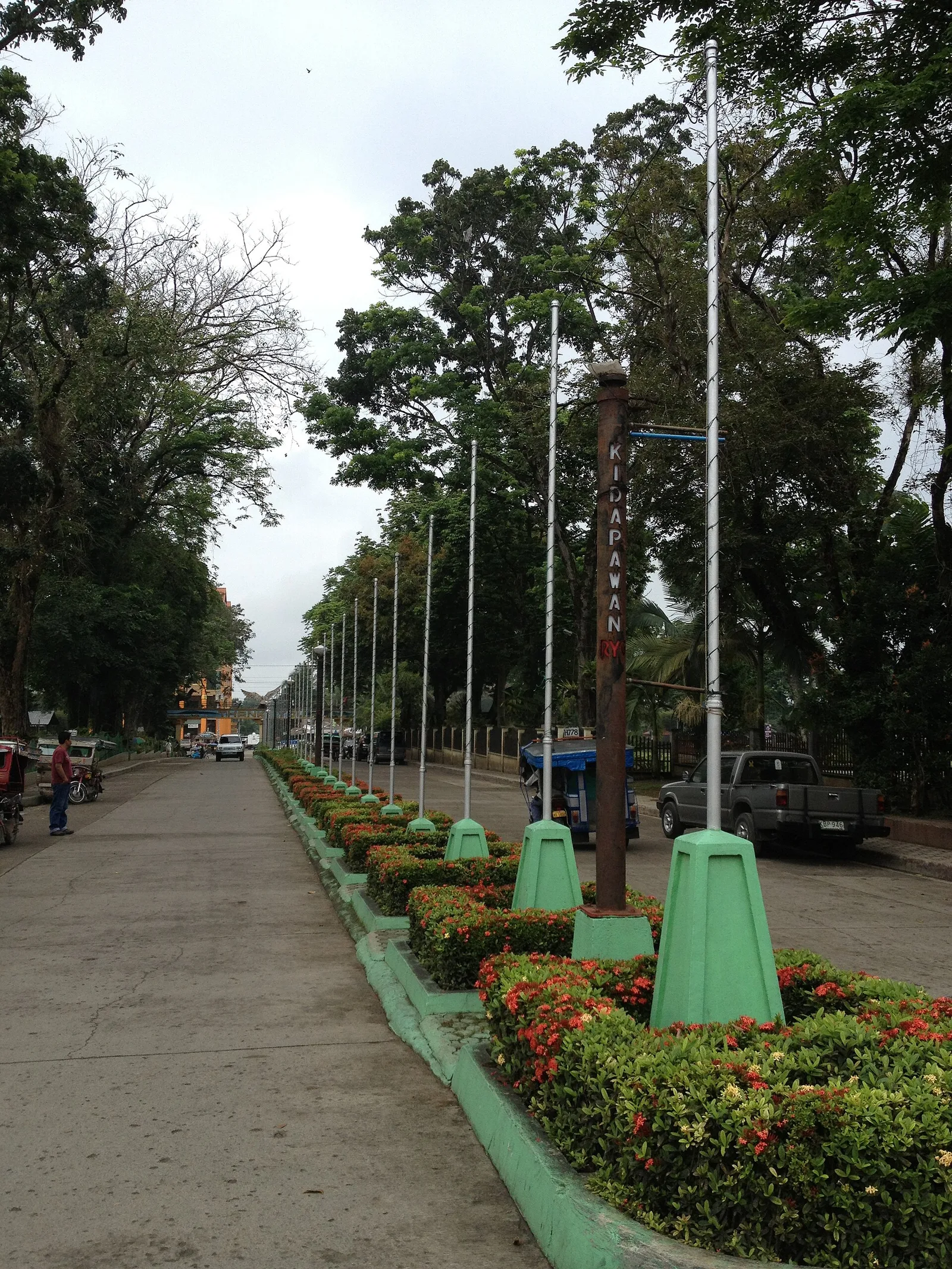
Photos: Kerwinquing01 (CC BY-SA 3.0) via Wikimedia Commons · Nsaa (CC BY-SA 3.0) via Wikimedia Commons
Ready to book?
Book your Kidapawan trip now
Hotels, tours and transfers — compare live prices and book securely through trusted partners. Prices update daily.
Affiliate links — we earn a small commission at no extra cost to you. Prices shown are live from our partners.
🗓️ Best time to visit Kidapawan
March–May is the prime trekking season — dry, clear skies, and the summit views are unobstructed. November–February also works for the Kidapawan side. June–October is rainy season; the mountain trail becomes dangerously muddy and summit visibility is near zero. Never attempt in a typhoon forecast.
✈️ How to get to Kidapawan
From Davao City: bus or van PHP 200–300, 2–2.5 hours. From General Santos City: van PHP 250–350, 2.5 hours. From Cotabato City: van PHP 150–200, 1.5 hours. From Manila: fly to Davao or General Santos then van/bus to Kidapawan. Lake Agco is 15km from Kidapawan city centre — habal-habal PHP 100–150.
Plan your Kidapawan trip
Compare hotels and tours — booked through trusted partners. Use the planner on /plan to turn this guide into a full day-by-day itinerary.
🗓️ Use this guide in your plan
Build a Kidapawan trip directly. The planner combines it with real flights, stays and tours into one day-by-day itinerary.
✨ Open Trip PlannerOne of 215+ destinations covered. Explore more at /guides and /blog.
Frequently asked questions — Kidapawan
Is Mt. Apo climbing difficult?
Yes — it is a serious 3–4 day trek with significant elevation gain and technical sections near the summit. Good physical fitness is required. First-timers should train with shorter hikes before attempting Apo. The Kidapawan trail is considered the easiest approach but is still challenging.
Do I need a permit to climb Mt. Apo?
Yes. Permits are required from the Kidapawan LGU tourism office and DENR. Licensed guides are mandatory. Fees total PHP 1,500–2,500 per person including park entrance, guide, and camping fees. Book at least a week in advance for busy season.
Can I visit Lake Agco without climbing Mt. Apo?
Absolutely — Lake Agco is accessible by habal-habal as a day trip. The hot spring pools at the lake base are the main attraction, requiring no climbing. Entrance PHP 50. A very achievable half-day from Kidapawan city.
💬 Ask Locals about Kidapawan
No questions about Kidapawan yet — be the first to ask.
Ask the community →💡 Traveller tips for Kidapawan
Local-knowledge from other travellers. Got a tip? Share it.
Loading tips…
📝 Your notes & photos for Kidapawan
Loading…
First time in Kidapawan?
Quick essentials so you can hit the ground running.
Standard Philippines visa-free entry. Mt. Apo Natural Park entrance fee PHP 500. Guide fees PHP 1,200–1,500/day. Total trekking package PHP 5,000–8,000 per person (4 days, guide, porter, meals) — book through Kidapawan LGU.
Kidapawan city has BDO and LandBank ATMs. Pay guide and permit fees in cash. Bring sufficient PHP for the full trek — no ATMs on the mountain. City accommodation PHP 600–1,200/night.
No malaria risk at altitude. Hypothermia is a real risk above 2,000m — bring a quality sleeping bag (rated to 5°C), waterproof jacket, and warm layers. Summit is cold even in dry season. Altitude sickness is rare but possible — acclimatise at Lake Agco camp.
Van Davao→Kidapawan PHP 200–300. Habal-habal to Lake Agco PHP 100–150. Lake Agco entrance PHP 50. Full 4-day Mt. Apo trek PHP 5,000–8,000/person (all-in guide package). Budget hotel PHP 600–1,000/night in Kidapawan.
Mt. Apo is an active volcanic mountain — fumaroles and sulphur vents are present. Never leave the marked trail. Guides are mandatory and experienced. Weather changes rapidly above 2,000m. The Kidapawan trail crosses private Manobo land — respect cultural protocols your guide explains.
Local Stays in Kidapawan
Hand-picked homestays and guesthouses — book direct with local hosts. Add them to your trip plan.
Top Experiences in Kidapawan
Island hopping, diving, surfing and more — book instantly. Add them to your trip plan.