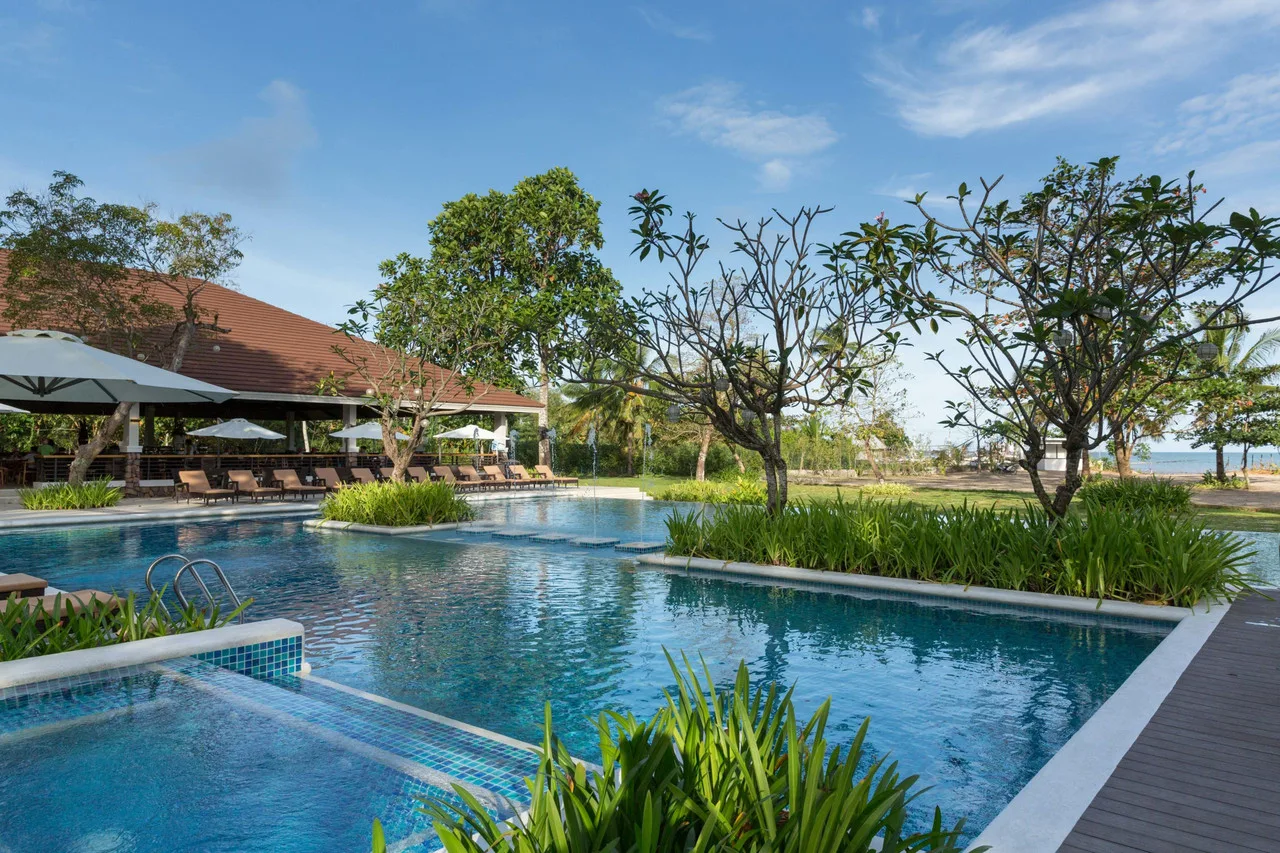
Gigantes Islands
The islands where scallops are currency and every cove has a name only locals know · Carles, Iloilo, Western Visayas
Photo: P199 / CC BY-SA 3.0 via Wikimedia Commons
The Gigantes Islands are a group of islands off the northern coast of Iloilo Province, accessible only by boat from the fishing town of Carles, and famous in the Visayas for three things: the Bantigue Sandbar (a kilometre of white sand that sinks below water at high tide), the Tangke Saltwater Lagoon (a ring of limestone cliffs enclosing a turquoise lake with no road access), and scallops — the freshest, most abundant scallops in the Philippines, harvested from the surrounding waters and sold at the fish landing for less than you would pay for a bus ticket. The islands remain off the primary tourist circuit because Carles is three to four hours from Iloilo City and the only accommodation is a cluster of basic guesthouses in Gigantes Norte and Sur. This is exactly what makes it worth going. The Gigantes are what Coron looked like twenty years ago.
Things to do in Gigantes Islands
Bantigue Sandbar
The sandbar appears fully only at low tide — a white strip extending 1km into the sea, surrounded by water on both sides, with a small fishermen's hut at the far end. The visual effect at low tide is that classic walk-on-water illusion. Time your boat tour to arrive when the sandbar is at maximum extent (check tide tables the night before). The surrounding water is shallow and clear enough to snorkel, and the sandbar itself is photogenic from any angle.
Tangke Saltwater Lagoon
The Tangke Lagoon is reached by a short but steep climb over a limestone ridge — 10–15 minutes of scrambling on fixed ropes and carved footholds. Below the ridge, the lagoon is a perfectly enclosed oval of turquoise-green saltwater, 50m wide, with limestone cliffs rising on all sides. The water is calm regardless of sea conditions outside. Swimming in the lagoon is the main activity; the clarity and colour are exceptional. There is an entrance fee of PHP 50. This is the most visited attraction in the Gigantes cluster and worth every minute of the climb.
Cabugao Gamay Island
A small island in the Gigantes group with a pristine white beach and a tidal flat that reveals a sandbar when the tide drops. Fewer visitors reach Cabugao Gamay than Bantigue because it requires a longer banca ride; the reward is a beach where you may be the only people present. Snorkeling around the island's reef edge is productive — the fish density in the outer reef of the Gigantes group is excellent by Philippine standards.
Scallop Seafood Dinner
The Gigantes group produces the majority of scallops consumed in the Visayas. In the small restaurants in Gigantes Norte and Sur, fresh scallops are cooked in garlic butter, grilled with cheese, or served raw with vinegar dip — a kilogram of scallops (roughly 15–20 large shells) costs PHP 80–150 at the port, and the restaurants charge PHP 200–350 for a cooked portion. Order at least two batches. The local tanigue (Spanish mackerel) is also exceptional — grilled or kinilaw.
Multi-Island Boat Tour
Most guesthouses and boat operators in Gigantes Norte arrange full-day island-hopping tours covering 4–6 stops: Bantigue Sandbar, Tangke Lagoon, Cabugao Gamay, Antonia Island beach, and the outer islets with sea caves. Tours run PHP 800–1,200 per person in a shared boat (6–8 people) or PHP 4,000–6,000 for a private banca. Depart by 6 AM to hit Bantigue at low tide and have time for a full circuit.
Photos of Gigantes Islands
A visual taste of Gigantes Islands before you go.
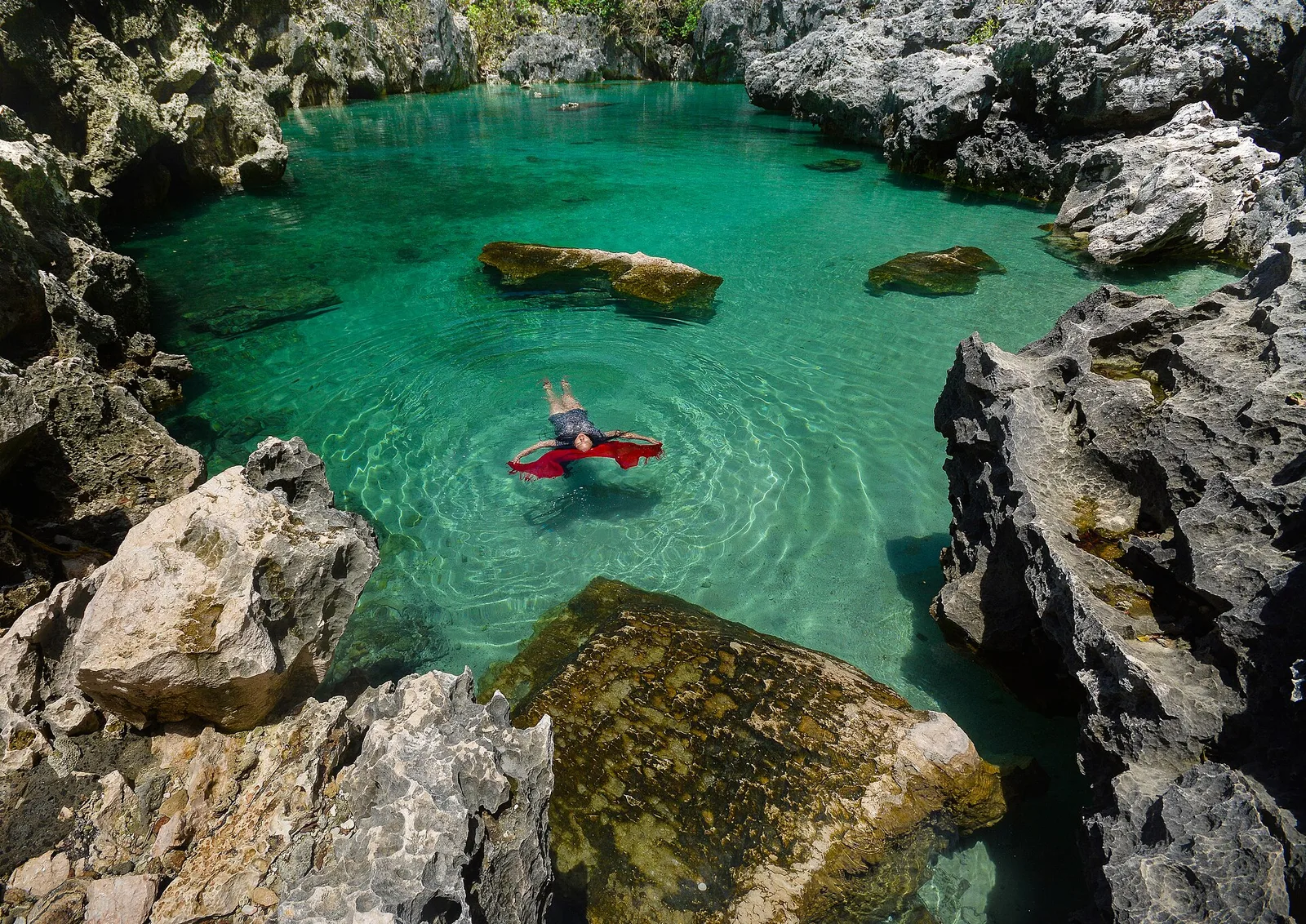

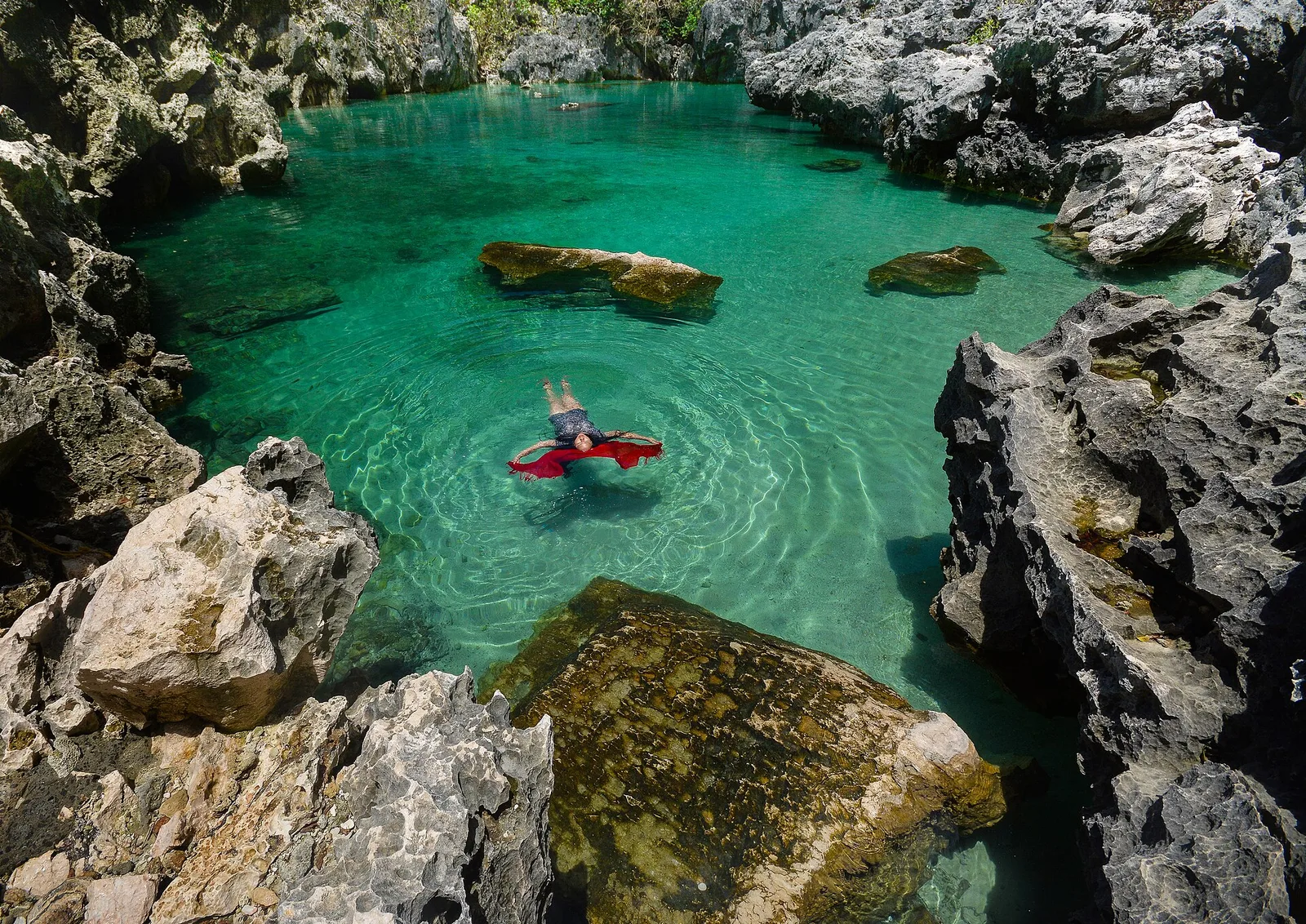
Photos: Emman Asuncion Foronda (CC BY-SA 4.0) via Wikimedia Commons
Ready to book?
Book your Gigantes Islands trip now
Hotels, tours and transfers — compare live prices and book securely through trusted partners. Prices update daily.
Affiliate links — we earn a small commission at no extra cost to you. Prices shown are live from our partners.
🗓️ Best time to visit Gigantes Islands
November through May is the dry season and the standard visiting window. December through February is cool and has the best sea conditions for the crossing from Carles. March through April is the busiest domestic period. June through September brings the southwest monsoon; the open-water crossing from Carles can be rough and boats are cancelled when conditions are unsafe.
✈️ How to get to Gigantes Islands
From Iloilo City: take a Ceres bus or van to Estancia (PHP 100–150, 2.5 hours), then a tricycle to Estancia Port (PHP 20–30), then a motorboat to Gigantes Norte island (PHP 200–250 per person, 45 minutes). Alternatively, buses go directly to Carles (PHP 130–170, 3 hours), then banca to Gigantes. Most visitors stay in Gigantes Norte or Sur barangay and arrange island-hopping from there. Day trips from Iloilo City are possible but long; 2–3 nights is the recommended minimum.
Plan your Gigantes Islands trip
Compare hotels and tours — booked through trusted partners. Use the planner on /plan to turn this guide into a full day-by-day itinerary.
🗓️ Use this guide in your plan
Build a Gigantes Islands trip directly. The planner combines it with real flights, stays and tours into one day-by-day itinerary.
✨ Open Trip PlannerOne of 215+ destinations covered. Explore more at /guides and /blog.
Frequently asked questions — Gigantes Islands
How remote is Gigantes? Do I need to bring supplies?
Gigantes Norte has small sari-sari stores selling basic goods (instant noodles, drinks, snacks). Restaurants serve seafood and simple Filipino food. You don't need to bring food, but bring any medication you need, a portable charger (power can be intermittent), and cash — there are no ATMs in the islands. Withdraw in Iloilo City or Estancia before the banca.
Is the banca crossing from Carles/Estancia safe?
In dry season with calm weather, yes. The crossing takes 30–45 minutes in calm conditions. In rough weather or during the monsoon, responsible operators will not depart. Do not pressure a boat operator to run in unsafe conditions. Life jackets are provided but check that they are on the boat before boarding.
Can I combine Gigantes with a trip to Iloilo City?
Yes — most visitors spend 1–2 days in Iloilo City (La Paz batchoy, the Dinagyang Festival area, Miag-ao Church) before or after Gigantes. Add 3 nights in Gigantes for the full experience. Carles can also be combined with Concepcion, another island-rich municipality further north on the coast, if you have extra time.
💬 Ask Locals about Gigantes Islands
No questions about Gigantes Islands yet — be the first to ask.
Ask the community →💡 Traveller tips for Gigantes Islands
Local-knowledge from other travellers. Got a tip? Share it.
Loading tips…
📝 Your notes & photos for Gigantes Islands
Loading…
First time in Gigantes Islands?
Quick essentials so you can hit the ground running.
Standard Philippines visa-free entry. Tangke Lagoon has a small entrance fee (PHP 50); other sites are free.
No ATMs in the Gigantes Islands. Bring sufficient PHP cash from Iloilo City or Estancia. PHP 1,500–2,500/day covers accommodation (PHP 400–700), meals (PHP 400–600), and island-hopping (PHP 800–1,200 shared).
No malaria risk. Dengue present — use repellent. The Tangke Lagoon climb involves exposed limestone; wear rubber-soled shoes. Sea urchins on the reef edges are common — avoid barefoot entry.
Very affordable destination: PHP 1,200–2,000/day total for a comfortable visit. The scallop meals are the main dining expense and they are cheap. Budget PHP 800–1,200 for a full-day island-hopping tour (shared boat).
Tangke Lagoon ropes and footholds are community-maintained and generally reliable but check before climbing, especially after rain when rock is slippery. The open sea around the outer islets can have currents — don't snorkel far from the banca. The banca crossing in rough conditions is the primary safety concern; trust the operator's weather assessment.
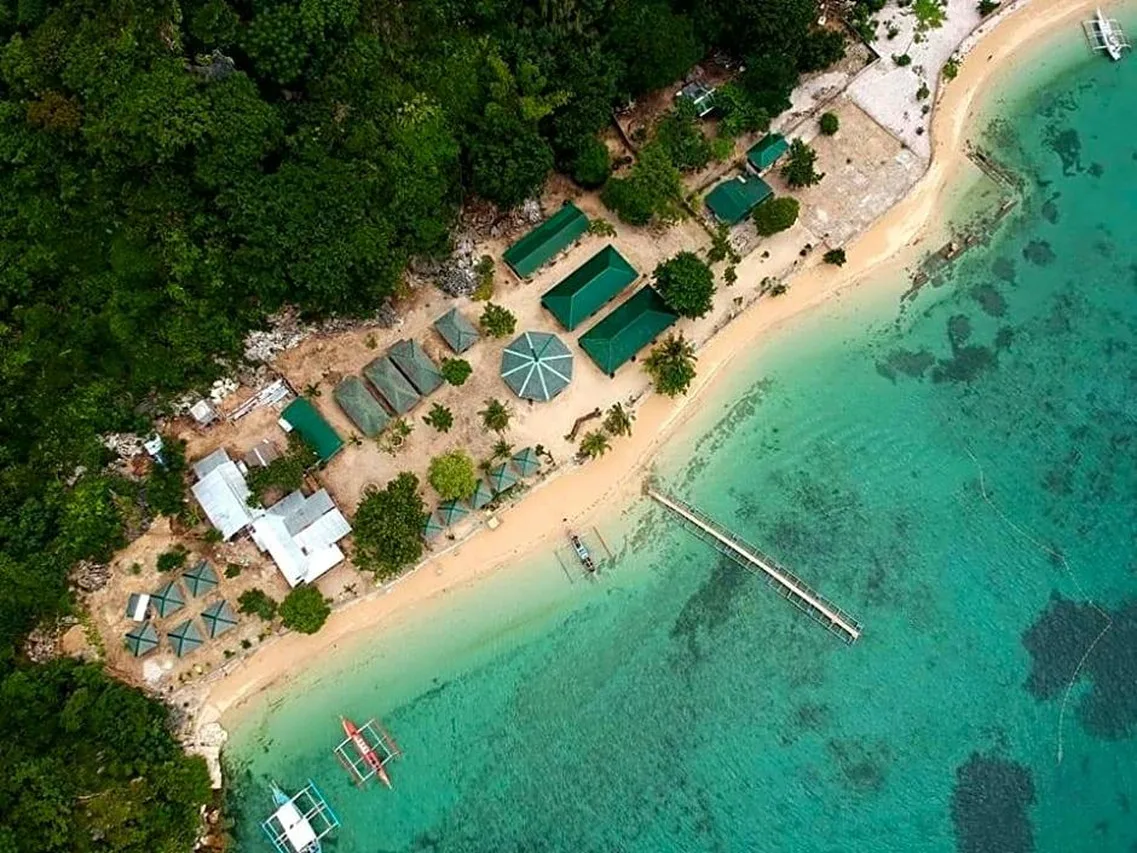
Local Stays in Gigantes Islands
Hand-picked homestays and guesthouses — book direct with local hosts. Add them to your trip plan.
Top Experiences in Gigantes Islands
Island hopping, diving, surfing and more — book instantly. Add them to your trip plan.