Culion
The forgotten island that housed the world's largest leper colony — and survived · Palawan
Photo: anne jimenez / CC BY 2.0 via Wikimedia Commons
Culion is one of the most extraordinary places in the Philippines — and one of the least visited. From 1906 to 1998 it was the world's largest leprosarium, an island where people diagnosed with leprosy were separated from society by American colonial authorities and later the Philippine government. At its peak, 16,000 people lived here. Remarkably, the colony developed into a functioning town — with its own economy, church, bakery, government, and hospital — and today's Culion is a municipality of descendants and former patients who chose to stay after the colony closed. The Culion Museum and Archives is an extraordinary human document: letters from patients begging to see their families, medical records, photographs. Around this sobering history, the natural setting is breathtaking — crystal-clear waters, pristine reefs, and the kind of uninhabited island scenery that used to define Coron before it got discovered.
Things to do in Culion
Visit the Culion Museum and Archives
The definitive record of one of history's most unusual communities. Patient letters, photographs, medical equipment, and a deeply moving narrative of how 16,000 people built a life on an island of isolation.
Walk the Spanish fort walls
The old Spanish fort on the hill above the museum offers panoramic views and a sense of the island's longer history, pre-dating the American-era colony by 200 years.
Island-hop pristine reefs
Because Culion attracted so few tourists, its surrounding reefs are among the healthiest in the Calamian group. Local boatmen run day tours to sandbars, coral gardens, and turquoise lagoons.
Eat at a local canteen
The town's small canteens serve home-cooked Filipino food — sinigang, adobo, fried fish — at very low prices. Chat with locals; the community is open and proud of their resilient history.
See the Our Lady of the Immaculate Conception Church
Built in the colonial era and restored multiple times, the church remains the spiritual heart of the community and holds regular services attended by the town's 25,000 residents.
Photos of Culion
A visual taste of Culion before you go.
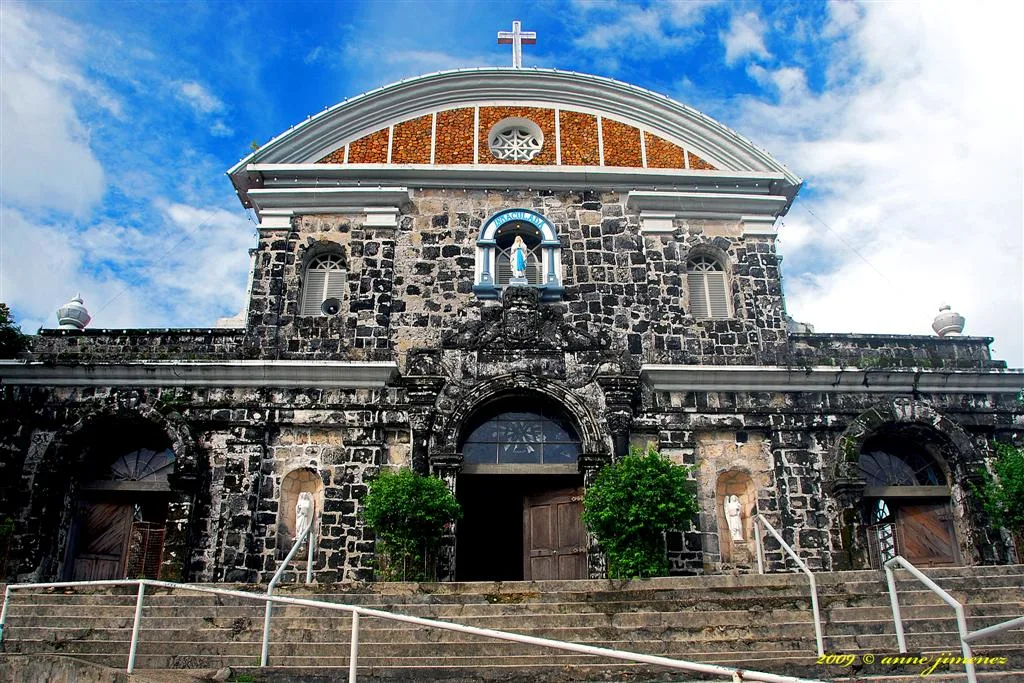
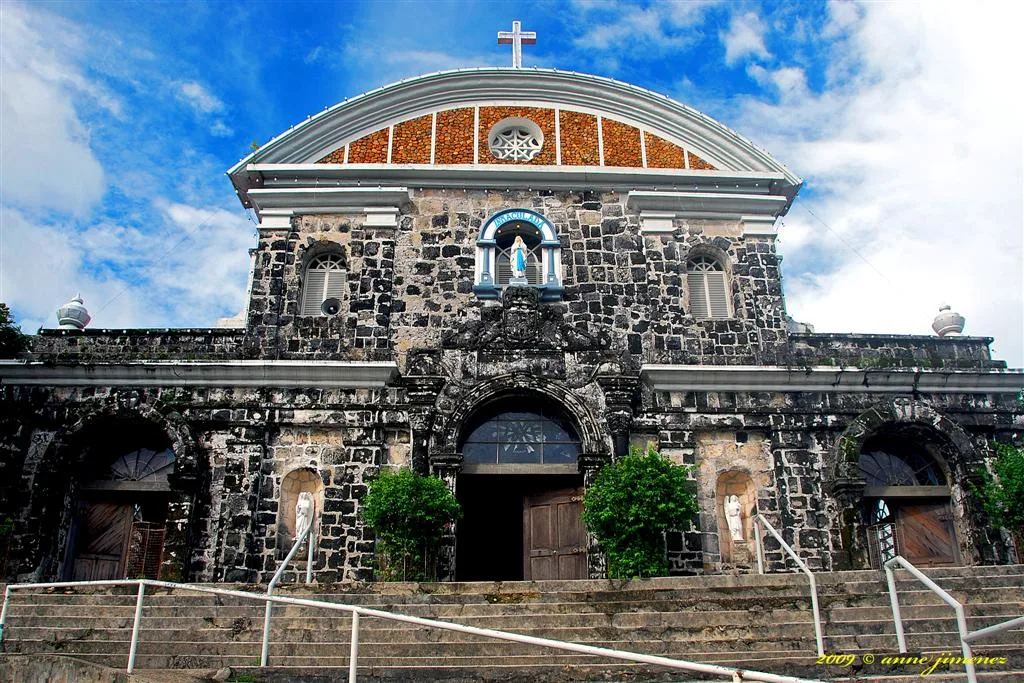
Photos: anne jimenez (CC BY 2.0) via Wikimedia Commons
Ready to book?
Book your Culion trip now
Hotels, tours and transfers — compare live prices and book securely through trusted partners. Prices update daily.
Affiliate links — we earn a small commission at no extra cost to you. Prices shown are live from our partners.
🗓️ Best time to visit Culion
November–May for dry season and best visibility for snorkelling. December–February is the clearest and most comfortable weather. June–October has rain and rougher seas; Culion is still reachable but island day-trips may be limited. The town and museum are interesting year-round.
✈️ How to get to Culion
From Coron Town (Busuanga): public bangka ferry 2–2.5 hours, PHP 200–300 one-way, departures in the morning. From Coron airport: travel to town first, then ferry. There is no direct flight to Culion. Private speedboat from Coron around 45 minutes (PHP 3,000–5,000 per boat). Culion is often added to Coron island-hopping itineraries as a stop.
Plan your Culion trip
Compare hotels and tours — booked through trusted partners. Use the planner on /plan to turn this guide into a full day-by-day itinerary.
🗓️ Use this guide in your plan
Build a Culion trip directly. The planner combines it with real flights, stays and tours into one day-by-day itinerary.
✨ Open Trip PlannerOne of 215+ destinations covered. Explore more at /guides and /blog.
Frequently asked questions — Culion
Is leprosy still a risk on Culion?
No. The last active patients were cured decades ago. The colony officially closed in 1998 and leprosy is fully treatable with modern antibiotics. The town is completely safe to visit.
Can I visit Culion as a day trip from Coron?
Yes — some organised island tours include a Culion stop. But the museum alone takes 2–3 hours to do justice, so an overnight stay (basic guesthouses available) is recommended for the full experience.
What is the Culion Museum entrance fee?
Around PHP 50–100 for foreigners. The museum is maintained by the community and the local government — your entrance fee directly supports heritage preservation.
💬 Ask Locals about Culion
No questions about Culion yet — be the first to ask.
Ask the community →💡 Traveller tips for Culion
Local-knowledge from other travellers. Got a tip? Share it.
Loading tips…
📝 Your notes & photos for Culion
Loading…
First time in Culion?
Quick essentials so you can hit the ground running.
Standard Philippines visa-free entry. The Culion Museum charges a small entrance fee (PHP 50–100). No additional special permits needed.
No ATM on Culion — bring all PHP cash from Coron. Budget PHP 1,500–2,500 for a day trip including ferry, museum, food, and a local island-hopping tour. Accommodation on the island is very basic (PHP 400–800/night).
No health risks beyond standard Philippines precautions. Culion has a rural health unit but no full hospital — the nearest is in Coron (Busuanga). Carry personal medication. Dengue is present; use repellent.
Ferry Coron→Culion PHP 200–300 each way. Museum PHP 50–100. Local island-hopping day tour PHP 1,000–2,000/boat. Meals PHP 100–200 in town canteens. Total day-trip budget PHP 800–1,500 per person without accommodation.
Culion is very safe and the community is welcoming. The ferry crossing can be rough during stronger winds — check sea conditions before departing. The town has limited lighting at night; carry a torch for evening walks.