Cotabato City
The Philippines' Islamic heart — the Grand Mosque, Ligawasan Marsh, and Maguindanaon culture · Bangsamoro (BARMM), Mindanao
Photo: George Parrilla / CC BY 2.0 via Wikimedia Commons
Cotabato City is the capital of the Bangsamoro Autonomous Region in Muslim Mindanao (BARMM) — the cultural and political heart of Philippine Islam, home to the Maguindanao people, and the location of the Philippines' largest and most architecturally impressive mosque. The city sits beside the Rio Grande de Mindanao, and a short boat ride accesses the Ligawasan Marsh — one of the Philippines' largest freshwater wetlands, home to dozens of waterbird species and the traditional stilt-house fishing villages of the Maguindanaon people. Cotabato City is genuinely undervisited due to outdated security perceptions; the 2019 Bangsamoro Organic Law and autonomous governance transition have dramatically improved the situation, and the city's Islamic food scene, architectural heritage, and cultural authenticity offer something entirely unavailable in the Philippines' resort-heavy mainstream circuit.
Things to do in Cotabato City
Sultan Haji Hassanal Bolkiah Mosque
The Philippines' largest mosque — built with funding from Brunei's Sultan and named for him — rises on the outskirts of Cotabato City with five tall minarets above the lowland plain. The architecture is impressive and the interior is open to non-Muslim visitors outside prayer times (cover appropriately; remove shoes). Free entry.
Boat tour of Ligawasan Marsh
A banca tour through the Ligawasan Marsh accesses the stilt-house fishing villages of the Maguindanaon people — a waterborne community whose daily life unfolds on narrow wooden walkways above the marsh. The marsh also hosts egrets, cormorants, and migratory waders. PHP 500-800 for the banca from Cotabato pier.
PC Hill Park panorama
A small hill park above the city with excellent panoramic views over Cotabato, the Rio Grande de Mindanao delta, and the Ligawasan Marsh extending to the horizon. The sunset view — when the wetlands glow orange — is one of the better free sunset spots in Mindanao.
Eat Maguindanaon cuisine
Sinina (fragrant spiced rice with meat), piyanga (sour fish stew with tamarind), and the locally beloved pastel de Cotabato (a soft pastry with sweetened filling) are the culinary pillars. The public market near City Hall has excellent halal food stalls from 5am. A complete market meal PHP 80-200.
Tamontaka Church and mission site
The Tamontaka Church (8km from the city center) marks the site of early Jesuit mission activities in Muslim Mindanao from 1872. The reconstructed church is historically unusual — a Catholic shrine in the heart of Islamic Mindanao. The surrounding barangay is a blend of Muslim and Christian communities, reflecting Cotabato's complex cultural history.
Photos of Cotabato City
A visual taste of Cotabato City before you go.

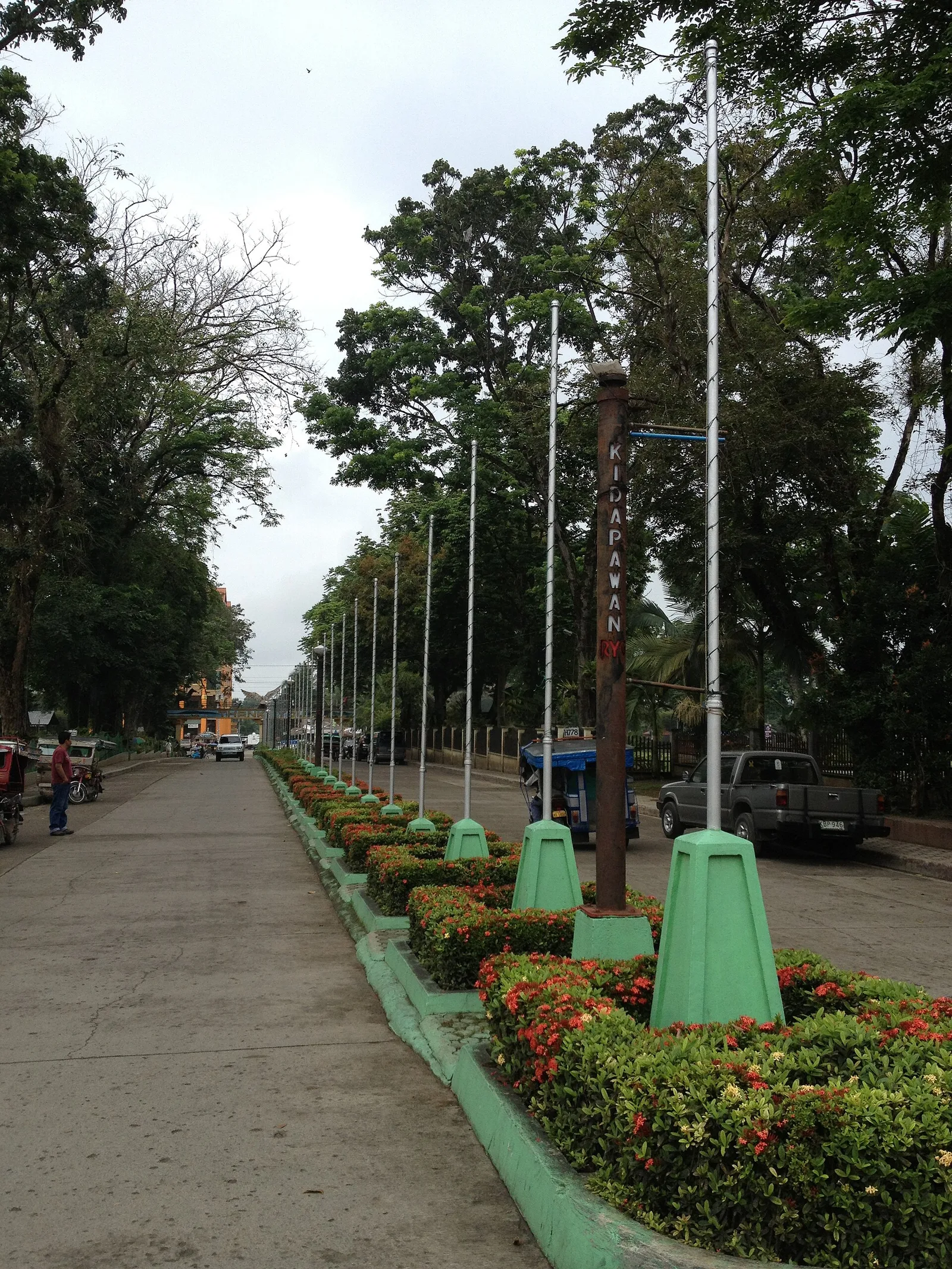
Photos: Kerwinquing01 (CC BY-SA 3.0) via Wikimedia Commons · Nsaa (CC BY-SA 3.0) via Wikimedia Commons · Municipal Government of Lake Sebu (Public domain) via Wikimedia Commons
Ready to book?
Book your Cotabato City trip now
Hotels, tours and transfers — compare live prices and book securely through trusted partners. Prices update daily.
Affiliate links — we earn a small commission at no extra cost to you. Prices shown are live from our partners.
🗓️ Best time to visit Cotabato City
November through May: dry season with less flooding of the Ligawasan Marsh. The Eid al-Fitr and Eid al-Adha celebrations are fascinating cultural windows, though accommodation fills up. June through October brings heavy rain and marsh flooding.
✈️ How to get to Cotabato City
By air: Cebu Pacific and PAL fly daily from Manila (1.5 hours, PHP 2,000-4,500) and from Cebu (1 hour). By bus from General Santos City: 3 hours. From Davao City: 4.5 hours by bus via the Cotabato-Davao highway.
Plan your Cotabato City trip
Compare hotels and tours — booked through trusted partners. Use the planner on /plan to turn this guide into a full day-by-day itinerary.
🗓️ Use this guide in your plan
Build a Cotabato City trip directly. The planner combines it with real flights, stays and tours into one day-by-day itinerary.
✨ Open Trip PlannerOne of 215+ destinations covered. Explore more at /guides and /blog.
Frequently asked questions — Cotabato City
Is Cotabato City safe to visit in 2026?
The city center, Grand Mosque area, and main tourism sites are safe for visitors in 2026. The Bangsamoro peace agreement and autonomous governance transition have significantly stabilised the urban environment. Check the DFA (Department of Foreign Affairs) travel advisory before visiting; some rural BARMM municipalities still require caution.
What should I know as a non-Muslim visitor?
Dress conservatively throughout — cover shoulders and knees. Remove shoes before entering the Grand Mosque. Photography is generally permitted in public areas; always ask before photographing individuals. Pork is absent from virtually all restaurants; the halal food scene is excellent. Alcohol is not served in most establishments.
How do I get around the city?
Tricycles are the main local transport (PHP 10-20 per person, metered or agreed fare). Grab is available. The city is compact enough to walk between the Grand Mosque, City Hall, and PC Hill. The Ligawasan Marsh boat is arranged at the river pier near the public market.
💬 Ask Locals about Cotabato City
No questions about Cotabato City yet — be the first to ask.
Ask the community →💡 Traveller tips for Cotabato City
Local-knowledge from other travellers. Got a tip? Share it.
Loading tips…
📝 Your notes & photos for Cotabato City
Loading…
First time in Cotabato City?
Quick essentials so you can hit the ground running.
Standard Philippines entry. Grand Mosque free (donations welcome). Ligawasan boat tour PHP 500-800. PC Hill park free.
Cotabato City has BDO, Metrobank, and LandBank ATMs. Budget PHP 1,500-2,500/day — one of the most affordable Philippine cities.
Drink bottled water only. No malaria risk in Cotabato City proper. Dengue present. Check DFA travel advisory for BARMM region before finalising travel plans.
Flight Manila-Cotabato PHP 2,000-4,500. Hotel PHP 800-1,800/night. Meals PHP 80-300. Grand Mosque + Ligawasan day PHP 800-1,200 total.
Follow current DFA advisories. Stay in the city center, Grand Mosque area, and established routes. Avoid rural BARMM provinces without specific, current local guidance. The urban environment is increasingly safe and welcoming.
Local Stays in Cotabato City
Hand-picked homestays and guesthouses — book direct with local hosts. Add them to your trip plan.
Top Experiences in Cotabato City
Island hopping, diving, surfing and more — book instantly. Add them to your trip plan.