Catanduanes
The Land of the Howling Winds — raw surf, empty beaches, and a secret the ocean keeps · Bicol, Luzon
Photo: MODIS Land Rapid Response Team, NASA GSFC / Public domain via Wikimedia Commons
Catanduanes is an island province in Bicol with a reputation built on two things: typhoons and surf. The island lies directly in the typhoon belt of the Pacific — it is hit more frequently by typhoons than anywhere else in the Philippines, which has kept development slow and tourist infrastructure minimal. This same exposure to the open Pacific produces waves. Puraran Beach, on the exposed eastern coast, has one of the fastest hollow right-hand reef breaks in Southeast Asia — the Majestic, which draws dedicated surfers who fly into Virac, hire a motorcycle, and spend a week not talking to anyone but the fishermen who bring fish to the board shapers' door. For non-surfers, Catanduanes has the wild character of an island that has not been packaged: Binurong Point, where the cliffs drop into the Pacific at a height that makes the Bohol Chocolate Hills look gentle; Maribina Falls, a twin cascade dropping into a pool in the rainforest; and beaches on the western coast that are calm enough to swim in even when the eastern side is pumping 3-metre sets.
Things to do in Catanduanes
Surfing at Puraran Beach
Puraran Beach on the eastern coast of Catanduanes is the reason surfers come. The Majestic wave is a fast hollow right-hand reef break that peels for 50–100 metres — shallow enough to be exciting, powerful enough to punish errors. It is best at 1.5–3 metres and primarily an intermediate-to-advanced surf break; beginners can still take lessons on the beach's whitewater sections. Board rental: PHP 200–300/day. Surf lessons: PHP 300–500/hour. The beach itself is beautiful even when the surf is flat — volcanic grey sand, coconut palms, and almost no development beyond a handful of surf cottages (PHP 500–1,000/night with meals).
Binurong Point
One of the most dramatic coastal viewpoints in the Philippines, Binurong Point on the northeastern tip of Catanduanes is a series of cliff outcrops that drop 50–100 metres directly into the Pacific. The grassland on top of the cliffs is grazed by water buffalo; the horizon is open ocean all the way to Micronesia. The access trail is a 30-minute hike from the road; motorcycles can be parked at the trailhead. Best visited in the morning when the light hits the cliffs from the east. Admission PHP 50. No guardrails — do not stand on the cliff edge.
Maribina Falls
A twin waterfall in the forest interior of Catanduanes, 20 minutes from Virac by motorcycle, with a natural swimming pool fed by the two cascades. The trail from the road takes 20 minutes through forest. Admission PHP 30. The pool is cool and clear; the falls each drop approximately 20 metres. Go in the morning before organized tours arrive. The forest around the falls has a few trailside benches and picnic huts managed by the barangay.
Bato Church
The Bato Parish Church, built by the Franciscans in 1596, is one of the oldest churches in Bicol and the primary heritage site in Catanduanes. The coral stone structure is well-preserved and still active as a parish church. The adjacent convent building has architectural details from the 17th and 18th centuries. 30 minutes from Virac by motorcycle on the coastal road to the south.
Igang Beach, Aringay Beach, and the Western Coast
While Puraran defines Catanduanes' reputation, the western coast has calmer, swimmer-friendly beaches: Igang Beach near Virac is the easiest to reach (15 minutes from the provincial capital, free), with grey-white sand and calm water; Aringay Beach (Baras municipality) has finer sand and is less visited. Both work for afternoon swims after spending the morning on the eastern coast. The coastal road between Virac and Bato on the west side has several unmarked beaches accessible by short tracks off the main road.
Photos of Catanduanes
A visual taste of Catanduanes before you go.
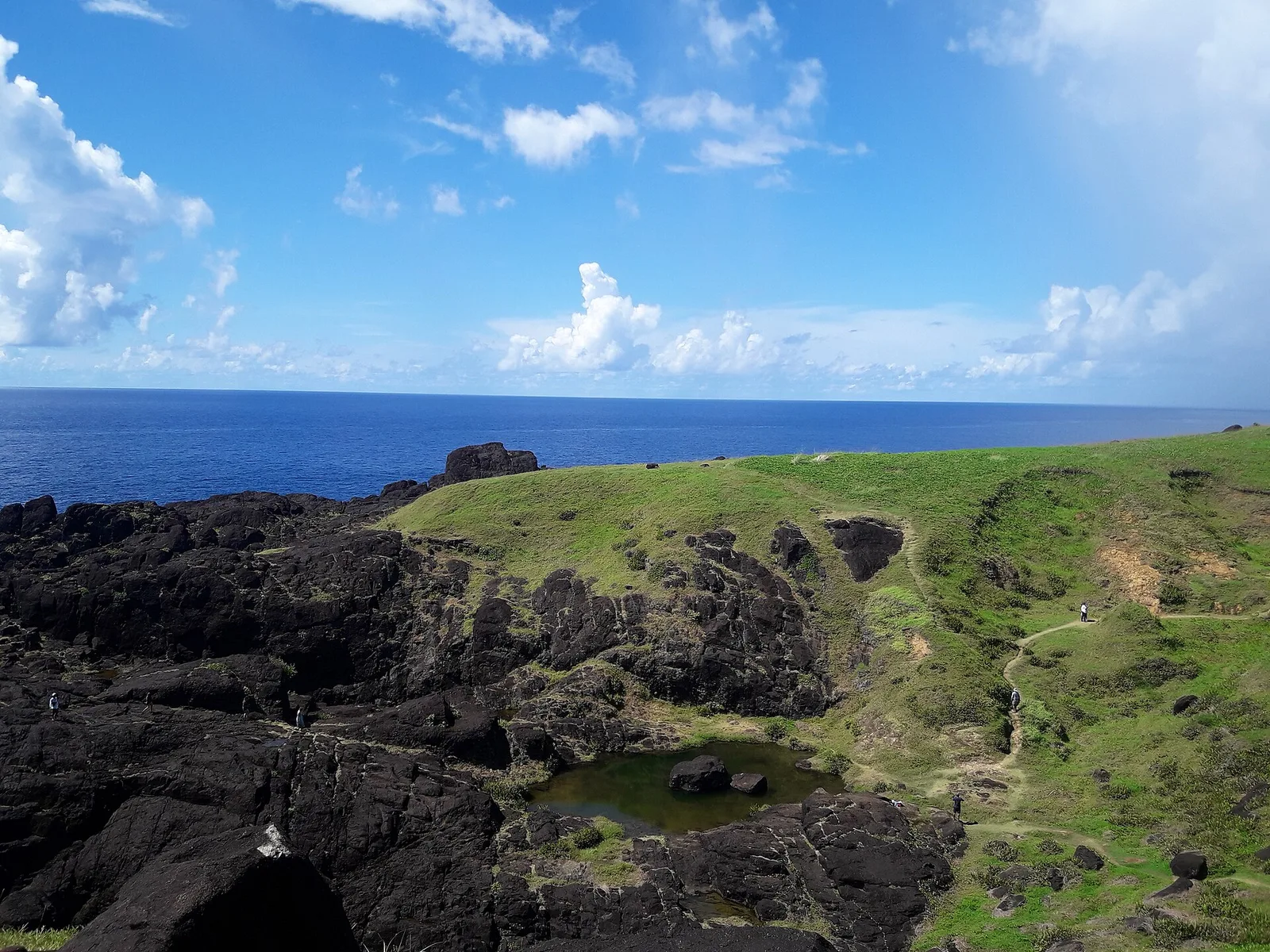
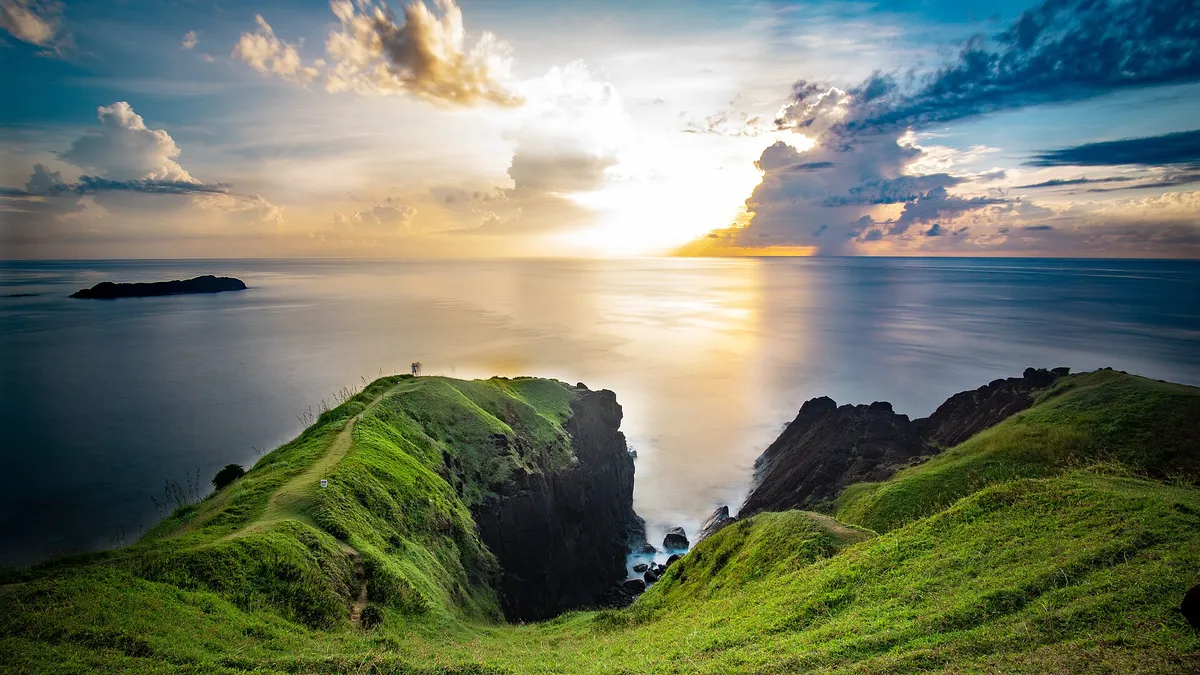
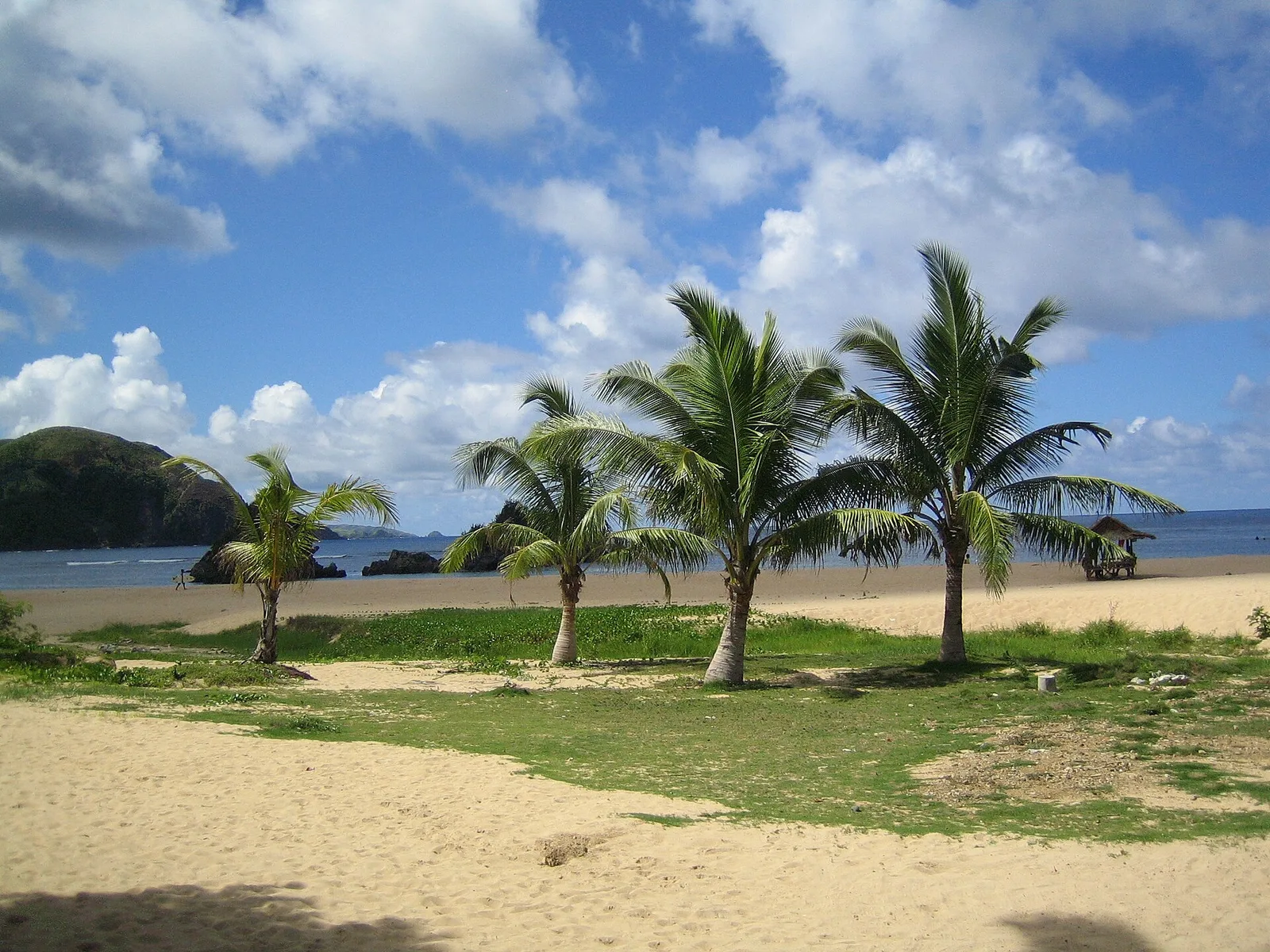
Photos: Maffeth.opiana (CC BY-SA 4.0) via Wikimedia Commons · L. from ROTHERHAM, YORKSHIRE, UNITED KINGDOM (CC BY 2.0) via Wikimedia Commons
Ready to book?
Book your Catanduanes trip now
Hotels, tours and transfers — compare live prices and book securely through trusted partners. Prices update daily.
Affiliate links — we earn a small commission at no extra cost to you. Prices shown are live from our partners.
🗓️ Best time to visit Catanduanes
October through April is the recommended window. November through February has the most consistent swell for surfing and the best general weather after typhoon season. March through May is dry and calm — better for non-surfers. June through September is typhoon season; the island is regularly hit or sidelined by storms. Puraran gets its biggest surf September–November, right at the edge of typhoon season — experienced surfers specifically target this window.
✈️ How to get to Catanduanes
Fly to Virac Airport (VRC) in Virac, Catanduanes (Cebu Pacific, PAL Express from Manila — about 55 minutes, PHP 1,500–3,500). Alternatively, take a bus from Manila to Tabaco, Albay (8–9 hours, PHP 600–700) then a RORO ferry to Virac (2.5–3 hours, PHP 200–280). The RORO route is slower but lets you see the Albay coast and the Mayon Volcano area. From Virac, motorcycle rental (PHP 500–700/day) or habal-habal to Puraran (1.5 hours, PHP 200–300 one way).
Plan your Catanduanes trip
Compare hotels and tours — booked through trusted partners. Use the planner on /plan to turn this guide into a full day-by-day itinerary.
🗓️ Use this guide in your plan
Build a Catanduanes trip directly. The planner combines it with real flights, stays and tours into one day-by-day itinerary.
✨ Open Trip PlannerOne of 215+ destinations covered. Explore more at /guides and /blog.
Frequently asked questions — Catanduanes
Is Catanduanes only for surfers?
No — the surfing reputation defines it but Binurong Point, the waterfalls, the colonial church, and the general character of an island that receives very few tourists make it worth visiting even if you never touch a surfboard. The western coast beaches are good for swimming when the eastern coast is rough. That said, if you are not interested in surf culture at all, the limited infrastructure and the effort to get here might not feel proportionate to the non-surf attractions.
Is Catanduanes typhoon-safe to visit?
In peak season (November–April) the typhoon risk is low. The island's typhoon exposure is concentrated in July through October. Monitor PAGASA advisories before travel, especially from September through November. The ferry service from Tabaco is cancelled during typhoon warnings, and flights are also suspended. Build extra buffer days into your itinerary when travelling in the shoulder months (October, November).
How do I get around Catanduanes?
Motorcycle rental from Virac (PHP 500–700/day) is the most practical option. Habal-habal (motorcycle taxi) drivers are available in Virac for PHP 200–400 for longer trips. There are jeepneys and tricycles within Virac and to some nearby towns but no regular public transport to Puraran or Binurong Point — you need your own motorcycle or a hired driver.
💬 Ask Locals about Catanduanes
No questions about Catanduanes yet — be the first to ask.
Ask the community →💡 Traveller tips for Catanduanes
Local-knowledge from other travellers. Got a tip? Share it.
Loading tips…
📝 Your notes & photos for Catanduanes
Loading…
First time in Catanduanes?
Quick essentials so you can hit the ground running.
Standard Philippines visa-free entry. No special permits for surfing or visiting beaches.
ATMs in Virac town (LandBank, BDO). Bring sufficient PHP cash before heading to Puraran — there are no ATMs in the remote surf zone. PHP 1,500–2,500/day covers accommodation, meals, and motorcycle rental.
The eastern coast surf can be powerful — surfing injuries (reef cuts, impact injuries) are the main health risk. Puraran has basic first-aid at the surf cottages; the nearest hospital is in Virac. Bring a comprehensive first-aid kit including reef cut treatment (hydrogen peroxide, tegaderm). Dengue is present — use repellent.
Very affordable: Puraran surf cottage with meals PHP 500–1,000/night. Motorcycle rental PHP 500–700/day. Meals at the fishing village PHP 150–300. Activities (Binurong Point, Maribina Falls) are each under PHP 100 entrance fee. Total budget: PHP 1,500–2,500/day.
Binurong Point cliffs have no safety barriers — strong wind and wet grass make the edge genuinely dangerous; maintain 2+ metres clearance. The RORO ferry from Tabaco is safe in normal conditions but do not travel in storm weather. Typhoon season (July–October) is the primary safety concern for the island.
Local Stays in Catanduanes
Hand-picked homestays and guesthouses — book direct with local hosts. Add them to your trip plan.
Top Experiences in Catanduanes
Island hopping, diving, surfing and more — book instantly. Add them to your trip plan.