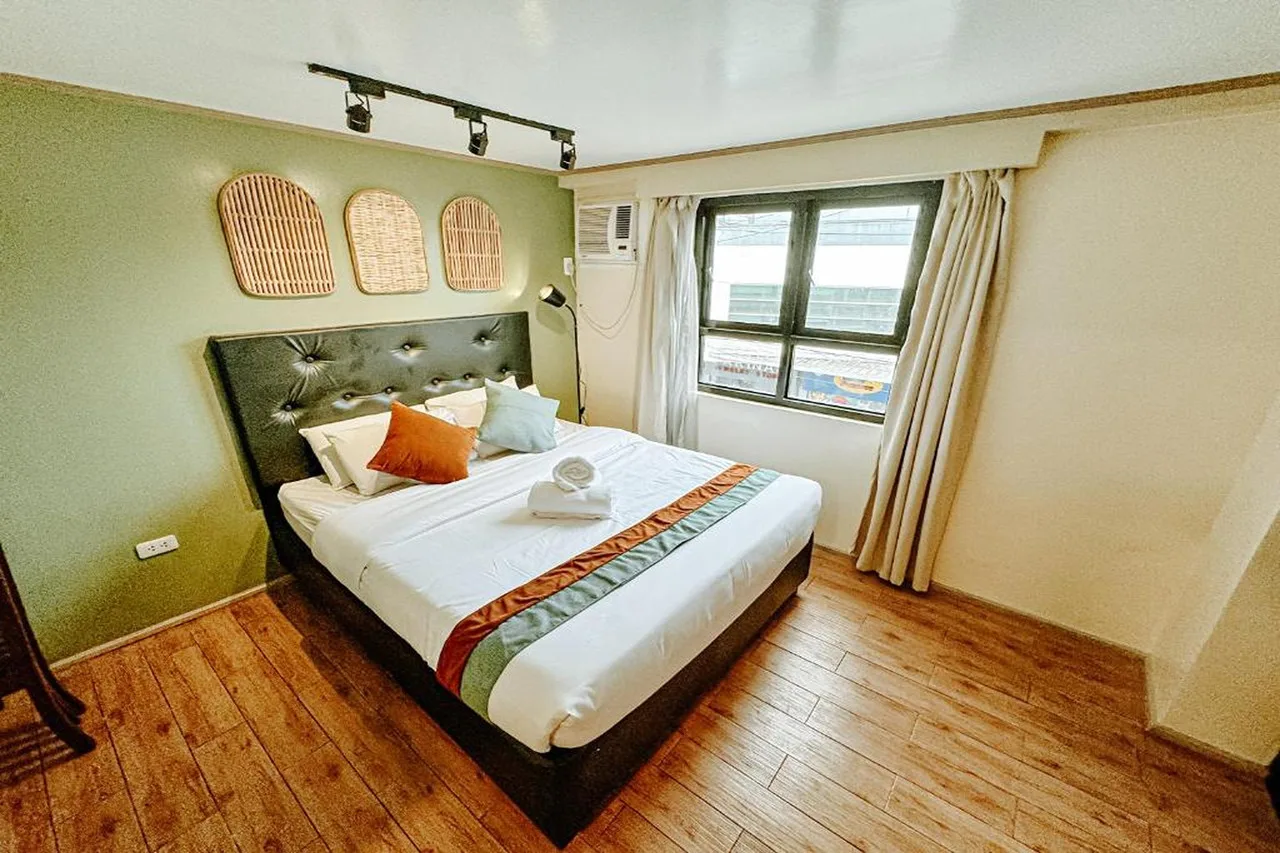
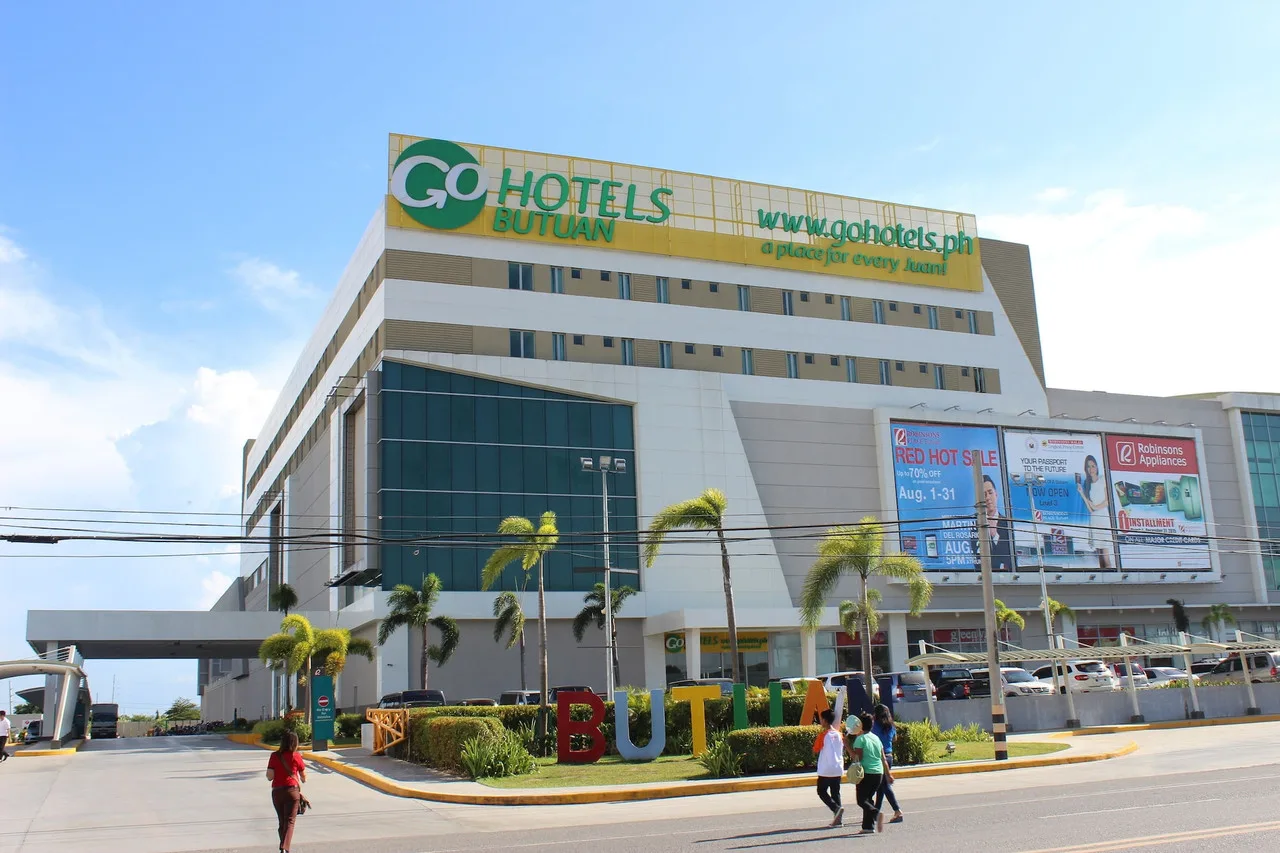
Butuan City
Where the oldest boats in Southeast Asia were found — and the Agusan River still runs to the sea · Agusan del Norte, Caraga, Mindanao
Photo: Ryme26 / CC BY-SA 3.0 via Wikimedia Commons
Butuan City is the oldest pre-colonial trade city in the Philippines — a settlement that existed as a Kingdom of Butuan centuries before the Spanish arrived, with active trade connections to China, Borneo, and Java. The evidence is underwater and underground: the Butuan archaeological sites have yielded 14 balangay boats (the oldest watercraft ever discovered in Southeast Asia, dated to 320 CE and kept in a dedicated museum), gold artifacts now in the National Museum in Manila, and a trade goods record that rewrites the standard narrative of Philippine pre-colonial isolation. The city is also the gateway to the Agusan Marsh Wildlife Sanctuary — a freshwater swamp forest the size of a small province, home to the Philippine crocodile, the Philippine eagle, and the Manobo people who have lived on the floating houses of the marsh for generations. Butuan is not a tourist city in any conventional sense, but its historical depth and the wildlife sanctuary access make it one of the more intellectually substantial destinations in Mindanao.
Things to do in Butuan City
Balanghai National Museum
The Butuan National Museum (Balanghai Museum) houses the most significant archaeological find in Philippine history: the balangay boats, ancient wooden plank boats excavated from the Libertad archaeological site beginning in 1976. The oldest intact watercraft in Southeast Asia (Carbon-14 dated to 320 CE), the boats demonstrate Butuan's status as an active maritime trading port more than a millennium before Spanish colonisation. The museum has nine boats in various states of preservation, a significant gold artifact collection (replicas — originals in the National Museum in Manila), and a permanent exhibition on the Kingdom of Butuan. Entry PHP 50. Allow 2 hours.
Agusan Marsh Wildlife Sanctuary
The Agusan Marsh is a 19,200-hectare freshwater swamp forest in Agusan del Sur — one of the largest wetlands in the Philippines and a critical habitat for the Philippine freshwater crocodile (critically endangered), the Philippine eagle, the Mindanao bleeding-heart dove, and dozens of other endemic species. The Manobo people live on floating houses on the marsh, some communities accessible only by banca. Day tours from Bunawan township: PHP 1,500–3,000 per person including boat, guide, and park entry. The wildlife density is exceptional on early morning tours (5–8 AM), when crocodile sightings are most likely.
Rajah Kahulugan Historical Sites
The Kingdom of Butuan was ruled by a series of rajahs; the tomb of Rajah Kahulugan (one of the last rulers before Spanish colonisation) is marked and accessible in Barangay Libertad — the same area as the balangay excavation sites. The Libertad archaeological zone, where the excavations continue intermittently, is the physical evidence that the pre-colonial Philippines had sophisticated state governance and international trade. A guided tour from the Balanghai Museum covers the archaeological context and the visible excavation sites.
Banza Church and Colonial Butuan Heritage
The Banza Church (formally the St. Joseph Parish Church in Butuan), though not the original 16th-century structure, is built on the site of the first church established in Butuan after the Spanish arrival. The site has historical marker documentation of early Caraga colonial history. The city's heritage district, a short walk from the church, has 19th and early 20th century commercial buildings in various states of preservation — the kind of incidental colonial architecture that exists in every Philippine city but is preserved here because Butuan has not had the same high-rise replacement pressure as Manila or Cebu.
Photos of Butuan City
A visual taste of Butuan City before you go.
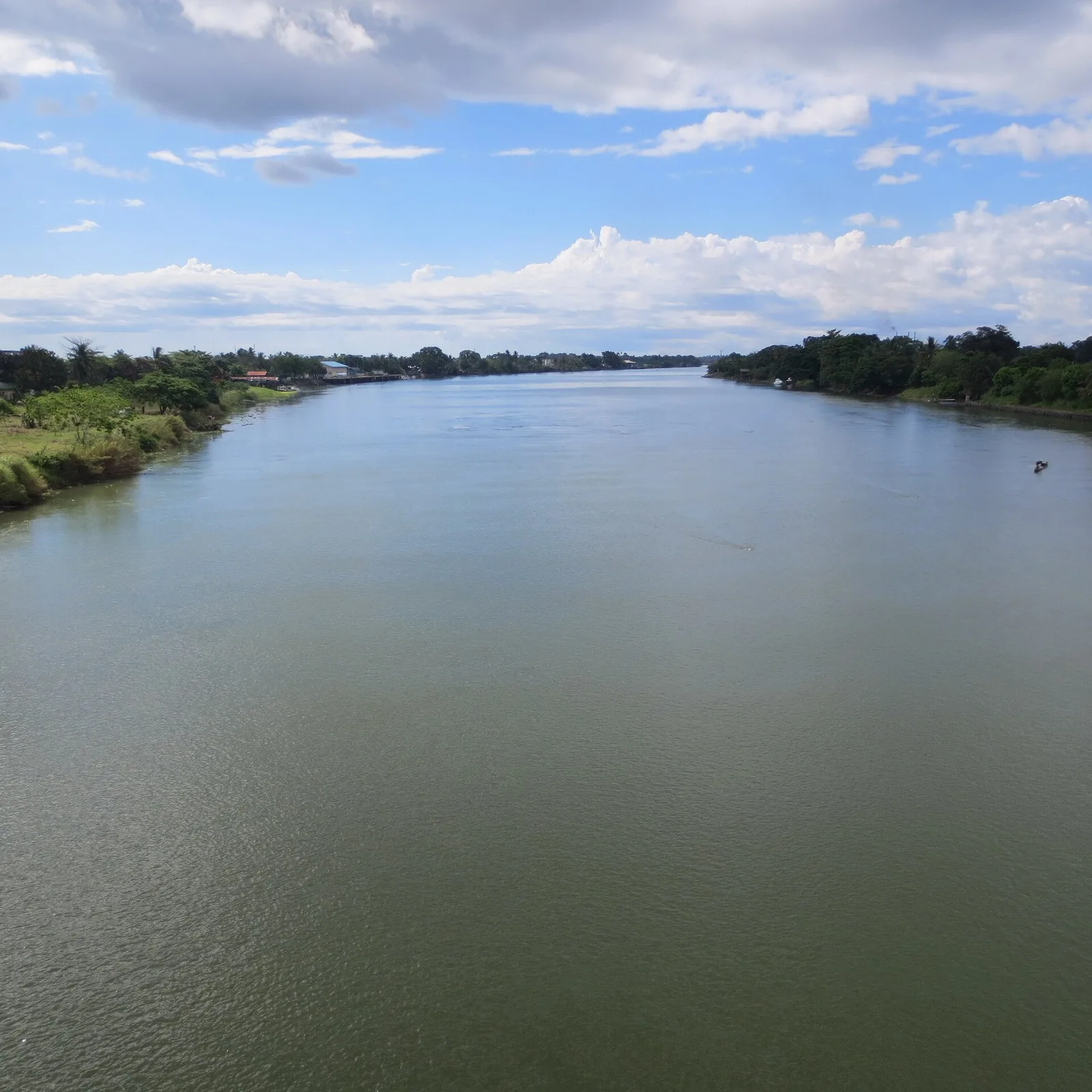
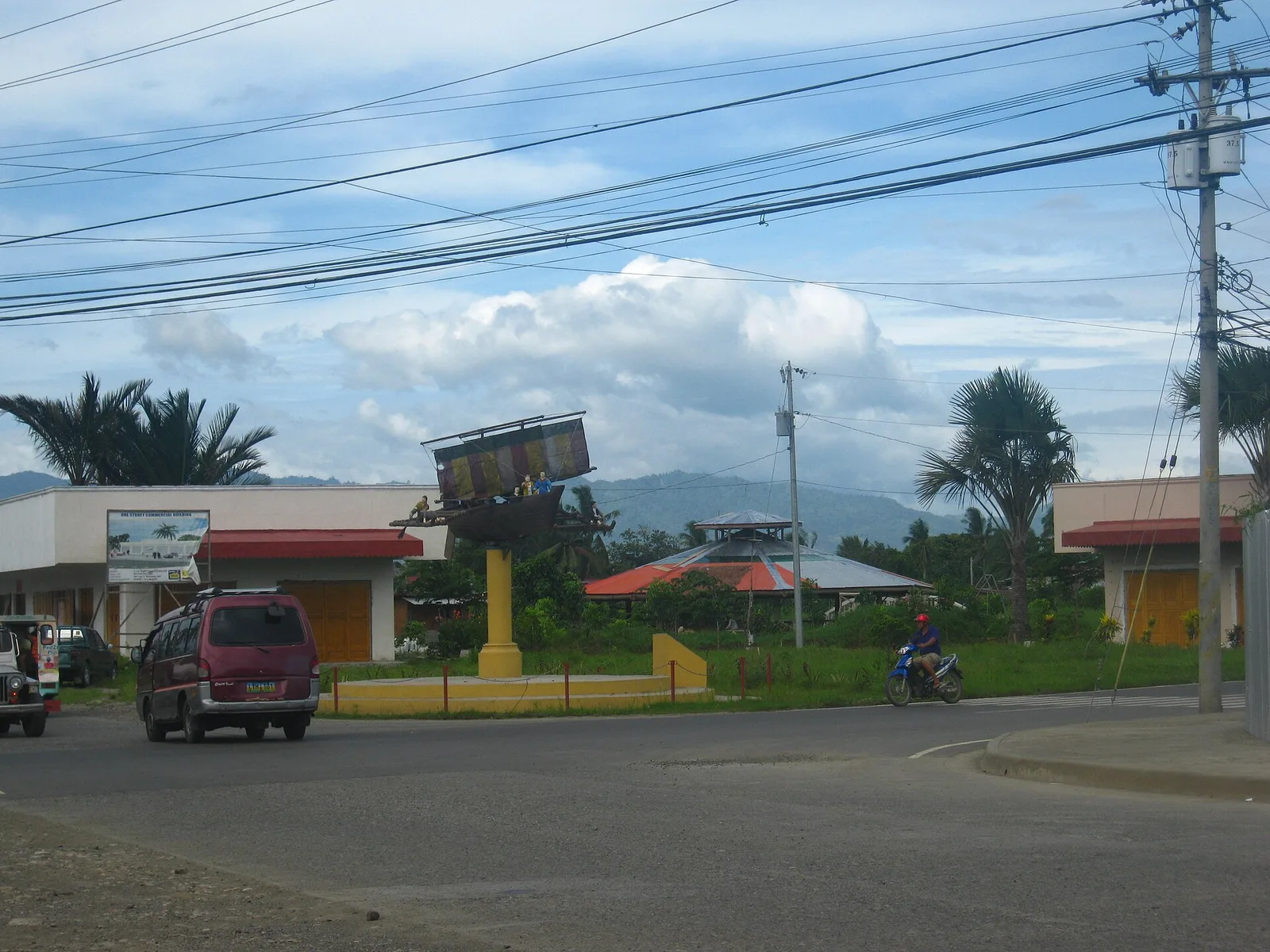
Photos: Wolfgang Hägele (CC BY-SA 4.0) via Wikimedia Commons · kbraner (CC BY-SA 3.0) via Wikimedia Commons
Ready to book?
Book your Butuan City trip now
Hotels, tours and transfers — compare live prices and book securely through trusted partners. Prices update daily.
Affiliate links — we earn a small commission at no extra cost to you. Prices shown are live from our partners.
🗓️ Best time to visit Butuan City
November through May is the dry season in Agusan del Norte. The Agusan Marsh is accessible year-round but boat navigation is easier in the dry season (March–May) when water levels stabilise. The Kahimunan Festival (a Caraga cultural festival celebrating indigenous heritage) is held in Butuan in February. The marsh is extraordinary in the rainy season (June–October) — higher water levels allow deeper penetration into the swamp forest — but access requires more experienced boat guides.
✈️ How to get to Butuan City
Fly to Bancasi Airport (BXU), Butuan City, from Manila (Cebu Pacific, PAL — 1.5 hours, PHP 2,000–4,000) or from Cebu (50 minutes, PHP 1,500–3,000). The airport is 5 minutes from Butuan City centre. For the Agusan Marsh: bus or van from Butuan to La Paz or Bunawan (1–2 hours, PHP 80–150), then a banca into the marsh.
Plan your Butuan City trip
Compare hotels and tours — booked through trusted partners. Use the planner on /plan to turn this guide into a full day-by-day itinerary.
🗓️ Use this guide in your plan
Build a Butuan City trip directly. The planner combines it with real flights, stays and tours into one day-by-day itinerary.
✨ Open Trip PlannerOne of 215+ destinations covered. Explore more at /guides and /blog.
Frequently asked questions — Butuan City
What makes Butuan historically significant?
Butuan was one of the most active pre-colonial trading ports in the archipelago — contemporary Chinese, Borneo, and Javanese records document trade with Butuan from the 9th to 15th centuries CE. The balangay boats (the oldest intact watercraft in Southeast Asia) confirm this maritime heritage physically. Butuan also had the first recorded mass in the Philippines before Magellan's famous 1521 Cebu mass — a 16th-century document claims a mass was celebrated here in 1521 on the March 31, before the Cebu mass in April.
How do I access the Agusan Marsh?
Tours are arranged from Bunawan, Agusan del Sur (1.5–2 hours from Butuan by bus). The Agusan Marsh Development Council in Bunawan registers tour boats and guides. Book at least a day in advance; walk-in availability is unreliable on weekends. The full-day tour covers the floating village, wildlife observation areas, and the marsh interior.
Is Butuan safe for tourists?
Butuan City is a functional regional hub with standard city safety conditions. The Caraga region (Agusan del Norte and Agusan del Sur) is one of the more stable parts of Mindanao. Standard precautions: use Grab or arranged transport, avoid unfamiliar areas at night. The Agusan Marsh tours are safe with registered operators.
💬 Ask Locals about Butuan City
No questions about Butuan City yet — be the first to ask.
Ask the community →💡 Traveller tips for Butuan City
Local-knowledge from other travellers. Got a tip? Share it.
Loading tips…
📝 Your notes & photos for Butuan City
Loading…
First time in Butuan City?
Quick essentials so you can hit the ground running.
Standard Philippines visa-free entry. Balanghai Museum entry PHP 50. Agusan Marsh entry PHP 200–300 plus boat rental.
Full banking in Butuan City (BDO, BPI, Metrobank). ATMs in Bunawan town (LandBank). Bring cash from Butuan for marsh tours. PHP 2,500–4,500 covers flight, tours, accommodation, and meals for a 2-day Butuan visit.
No malaria risk in Butuan City. The Agusan Marsh has crocodiles — stay in the boat. Dengue present; use repellent for marsh and wetland areas. Nearest hospital is the Caraga Regional Hospital in Butuan.
Hotel in Butuan: PHP 800–1,500/night. Balanghai Museum: PHP 50. Agusan Marsh day tour (Bunawan-based): PHP 1,500–3,000 all-in. Meals: PHP 200–400. Total PHP 2,500–4,500/day.
The Agusan Marsh has Philippine crocodiles — observed from the boat only. Follow the guide's instructions without exception. Do not enter the water in the marsh under any circumstances. The floating village communities are welcoming but photography requires courtesy — ask before photographing people in their homes.
Local Stays in Butuan City
Hand-picked homestays and guesthouses — book direct with local hosts. Add them to your trip plan.
Top Experiences in Butuan City
Island hopping, diving, surfing and more — book instantly. Add them to your trip plan.