Bataan Peninsula
WWII history, a 92-metre cross, sea turtle nesting, and colonial heritage on one undervisited peninsula · Central Luzon, Luzon
Photo: Pogidawako1234 / CC BY-SA 4.0 via Wikimedia Commons
The Bataan Peninsula juts south into Manila Bay from Central Luzon, and it carries more historical weight per square kilometre than almost anywhere else in the Philippines. The name itself carries a resonance that reaches beyond the country: Bataan was the site of the largest surrender of American-led forces in history, in April 1942, followed by the Death March that killed thousands of Filipino and American prisoners of war on a forced 100-kilometre walk under brutal conditions. The Mt. Samat National Shrine on the summit of the peninsula's highest peak memorialises this history with a 92-metre cross that can be seen for miles. But Bataan is not only a place of memory: it also holds Las Casas Filipinas de Acuzar, one of the most extraordinary heritage sites in the Philippines, sea turtle nesting beaches at Morong, and calm, uncrowded coastline that most Manila travellers have never discovered.
Things to do in Bataan Peninsula
Visit Mt. Samat National Shrine and the Dambana ng Kagitingan
Mount Samat, at 556 metres, is the highest point of the Bataan Peninsula, and on its summit stands the Dambana ng Kagitingan (Shrine of Valour) — a 92-metre cross that was, at its completion in 1966, the largest Latin cross in Asia. The cross is hollow; a cable car (PHP 50) carries visitors to a viewing gallery inside the cross arms, from which the entire peninsula, Manila Bay, and on clear days the Cavite coast are visible. The shrine complex contains museums documenting the Fall of Bataan and the Death March in considerable detail. Entrance to the grounds is PHP 30.
Walk the Death March Memorial Route at Mariveles
Kilometer Zero in Mariveles, at the southern tip of the peninsula, is the starting point of the Bataan Death March route where 75,000 Filipino and American prisoners of war began their forced 100-kilometre walk to Camp O'Donnell in April 1942. The official Death March Memorial stands at this point, along with marker stones documenting the route north. A second significant memorial cluster is at the Capas National Shrine in Tarlac, at the march's end. Admission is free.
Explore Las Casas Filipinas de Acuzar
One of the most genuinely unusual heritage sites in the Philippines — a privately owned resort in Bagac that has spent decades purchasing, disassembling, and transporting endangered Spanish colonial structures from across the archipelago, then reassembling them on a single beachfront property. The result is a living museum of Philippine colonial architecture: bahay na bato, a full capilla, 19th-century merchant houses, antique carriages, and cobblestone streets, all fully restored. Day-trip entrance is PHP 1,500 per person including a guided walking tour.
Watch Sea Turtles Nest at Pawikan Conservation Center
The long black sand beach at Morong on Bataan's western coast is one of the most significant olive ridley sea turtle nesting sites in Luzon. The Pawikan Conservation Center organises guided night walks to observe nesting females and, in some cases, assist with hatchling releases. Entrance is free; the centre runs on donations. Visit between 9pm and midnight for the best chance of seeing nesting activity (October through February).
Swim at the Beaches of Morong and Bagac
The western coast of Bataan from Bagac to Morong holds a string of calm, undervisited beaches facing the South China Sea. Bagac Beach and Morong Beach are the most accessible — sandy, shallow, and with clear water in the dry season. There are no resort crowds, minimal commercial development, and none of the beach vendors that characterise more popular coasts near Manila. Entry is free; these are public beaches. The relative emptiness is the attraction.
Learn the Full History at Balanga's Bataan World War II Museum
The Bataan World War II Museum in Balanga City supplements the Mt. Samat shrine with a more detailed curatorial account of the entire Philippine campaign of 1941–1942: from the Japanese landings at Lingayen Gulf to the withdrawal to Bataan, the five-month siege, the surrender, and the march. The exhibits include weapons, personal effects, period photographs, and maps. Entrance is minimal (PHP 20–50). Located in the centre of Balanga, easily combined with lunch at one of the restaurants on Balanga's well-maintained city plaza.
Photos of Bataan Peninsula
A visual taste of Bataan Peninsula before you go.
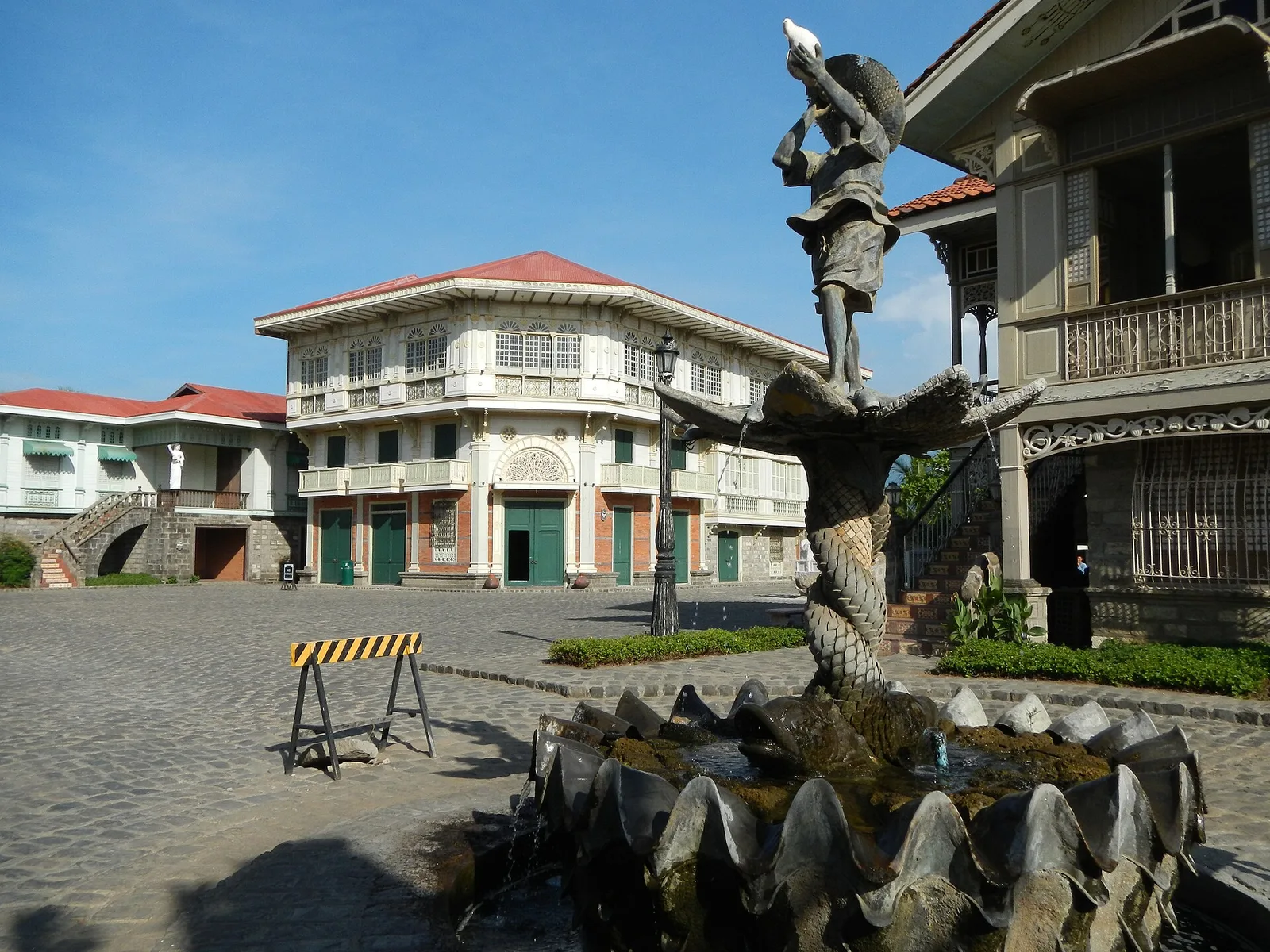
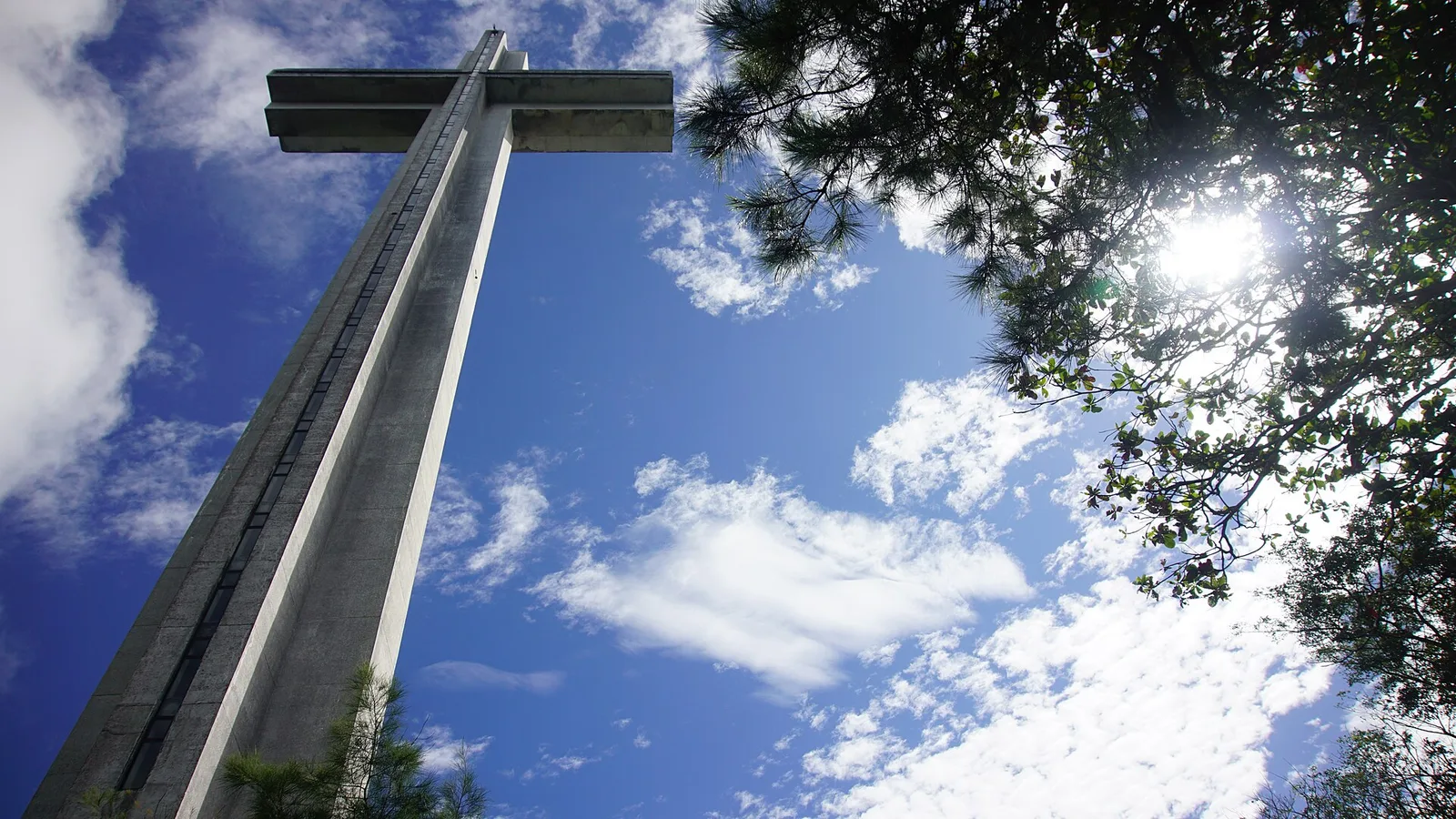
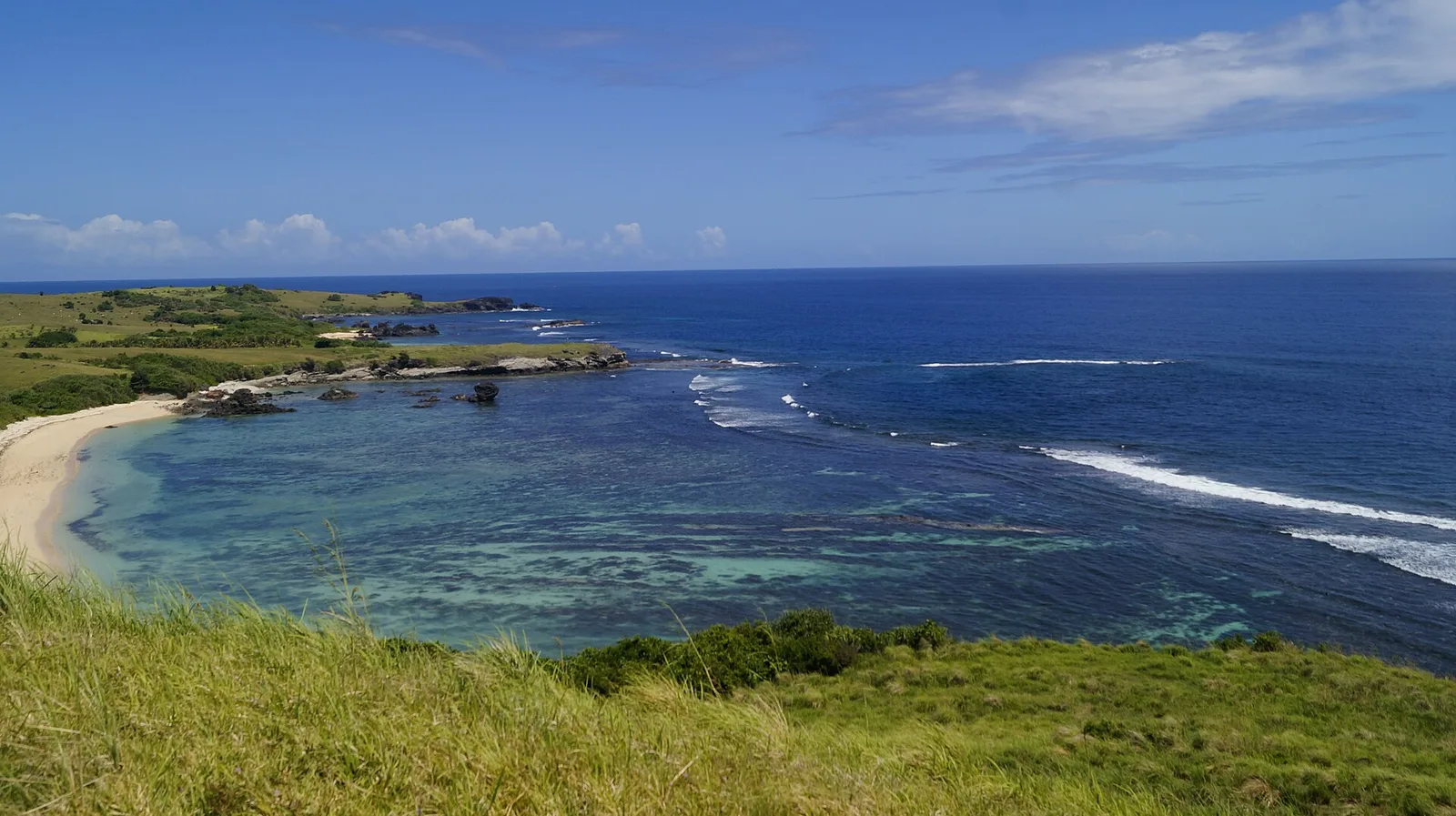
Photos: Ramon FVelasquez (CC BY-SA 3.0) via Wikimedia Commons · Kleervyu (CC BY-SA 4.0) via Wikimedia Commons · JannahTepace (CC BY-SA 4.0) via Wikimedia Commons
Ready to book?
Book your Bataan Peninsula trip now
Hotels, tours and transfers — compare live prices and book securely through trusted partners. Prices update daily.
Affiliate links — we earn a small commission at no extra cost to you. Prices shown are live from our partners.
🗓️ Best time to visit Bataan Peninsula
November through May is the dry season and the best time to visit. October through February is when olive ridley sea turtles nest at Pawikan Conservation Center, making it the only window for that specific experience. June through September brings monsoon rains; the roads remain passable but trails can be muddy and the heat is oppressive. Bataan is rarely affected by strong typhoons directly due to its position behind the Zambales mountains.
✈️ How to get to Bataan Peninsula
From Manila, the most direct route is a bus from Pasay or Cubao operated by Genesis Transport or Victory Liner bound for Balanga City, the provincial capital (PHP 180–260, approximately 3 hours). From Balanga, jeepneys and vans connect to Mariveles (Death March starting point), Morong (beaches and Pawikan Center), and Bagac (Las Casas Filipinas). Driving from Manila via NLEX and SCTEX takes about 2.5 hours to Balanga. MNL is the originating airport, about 120 kilometres southeast of Balanga.
Plan your Bataan Peninsula trip
Compare hotels and tours — booked through trusted partners. Use the planner on /plan to turn this guide into a full day-by-day itinerary.
🗓️ Use this guide in your plan
Build a Bataan Peninsula trip directly. The planner combines it with real flights, stays and tours into one day-by-day itinerary.
✨ Open Trip PlannerOne of 215+ destinations covered. Explore more at /guides and /blog.
Frequently asked questions — Bataan Peninsula
How do I see both Mt. Samat and the Death March memorial in one day?
Feasible with early start and your own transport. From Manila, leave by 6am; reach Balanga by 8:30am. Go directly south to Mariveles for the Kilometer Zero memorial (1 hour there, 30 minutes on-site), then backtrack north to Mt. Samat (40-minute drive). Allow 2.5 hours at the shrine including the cable car. Return to Balanga for a late lunch and the WWII Museum, then Manila by evening.
Is Las Casas Filipinas de Acuzar worth the PHP 1,500 entrance fee?
For anyone interested in Philippine history, colonial architecture, or heritage travel, yes — it is genuinely unlike anywhere else in the country. The collection of rescued buildings is remarkable and the quality of restoration is high. If you are primarily interested in the beach or the war sites, and architecture does not particularly interest you, the price point is steep.
When is the best time to see sea turtles at Morong?
October through February is the nesting season, with December and January typically the most active months. Hatchlings emerge roughly 45–55 days after nesting, so November through early March is when hatchling releases occur. The Pawikan Conservation Center staff can advise on current activity levels. Entry is free; a small donation is appreciated.
Is Bataan safe for tourists?
Yes. Bataan is a peaceful, largely agricultural and industrial province with no significant security concerns for tourists. The main practical hazards are road-related: tricycle and jeepney travel on rural roads requires normal attentiveness. Heat can be severe from March through May; the Mt. Samat summit hike should be done in the morning before 10am.
💬 Ask Locals about Bataan Peninsula
No questions about Bataan Peninsula yet — be the first to ask.
Ask the community →💡 Traveller tips for Bataan Peninsula
Local-knowledge from other travellers. Got a tip? Share it.
Loading tips…
📝 Your notes & photos for Bataan Peninsula
Loading…
First time in Bataan Peninsula?
Quick essentials so you can hit the ground running.
Most nationalities receive a free 30-day visa on arrival at Manila. Bataan is domestic travel; no special permits are required for any tourist site.
ATMs are available in Balanga City (BDO, BPI, MetroBank). Outside Balanga, cash-only transactions are the norm — bring sufficient PHP before heading to Mariveles, Morong, or Bagac. Las Casas accepts cards; almost everything else does not.
The most important health consideration in Bataan is heat and sun exposure. The Mt. Samat trek and outdoor memorial sites are exposed; sunscreen, a hat, and 1.5 litres of water minimum are essential from February through May. Mosquito repellent is advisable for the Morong beach area and for any evening turtle-watching at Pawikan.
A day trip to Bataan covering Mt. Samat, the Death March memorial, and the WWII Museum runs PHP 800–1,200 per person including bus fares (PHP 400–500 return), entrance fees (PHP 80–100), cable car (PHP 50), food, and local transport. Las Casas adds PHP 1,500 to that.
Bataan is consistently among the safer provinces in Luzon for domestic and international tourists. Standard urban awareness applies in Balanga City. The western coast beaches are quiet enough to feel isolated; go with a companion or inform your guesthouse of your plans before heading to remote beach areas.
Local Stays in Bataan Peninsula
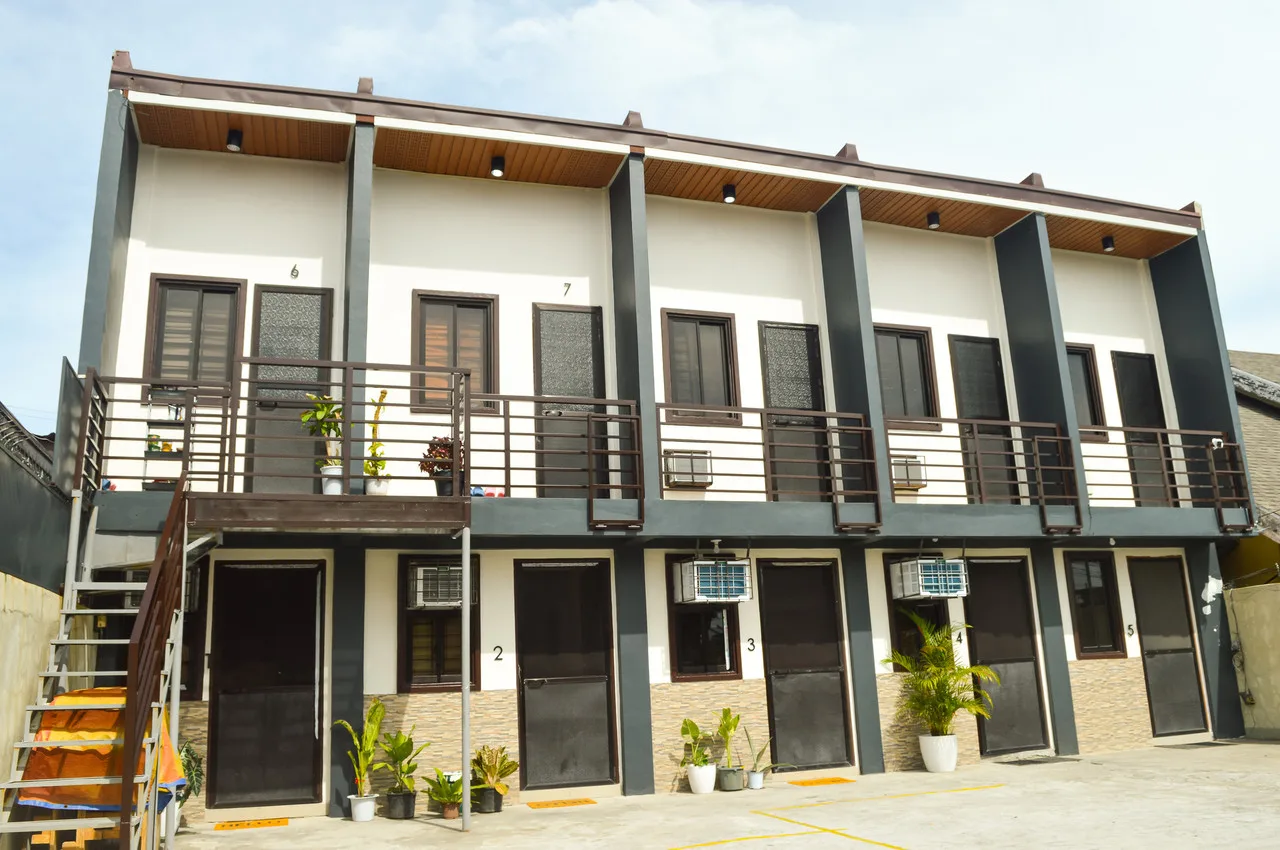
Hand-picked homestays and guesthouses — book direct with local hosts. Add them to your trip plan.
Top Experiences in Bataan Peninsula
Island hopping, diving, surfing and more — book instantly. Add them to your trip plan.