Baguio City
The City of Pines — cool air, strawberry fields, and a mountain pace the rest of Luzon has forgotten · Benguet, Cordillera, Luzon
Photo: en:user:Sdfisher / Public domain via Wikimedia Commons
At 1,500 metres above sea level in the Cordillera mountains, Baguio City is the place Filipinos go when the lowland heat becomes unbearable — which is to say, constantly. The air here is 10 to 15 degrees cooler than Manila, the pine trees are actual pine trees, and the morning fog that rolls through the valleys between November and February turns the city into something that looks nothing like the rest of the Philippines. Baguio is the country's designated summer capital, a status conferred by American colonial planners who built it as a highland retreat and inadvertently created a city with its own distinct identity: a permanent arts scene, universities, Igorot culture sitting alongside colonial architecture, and a food culture built around fresh mountain vegetables, strawberries, and ube. Three million Filipinos visit every year. Most come for a weekend. Many wish they had stayed longer.
Things to do in Baguio City
Burnham Park Morning Walk
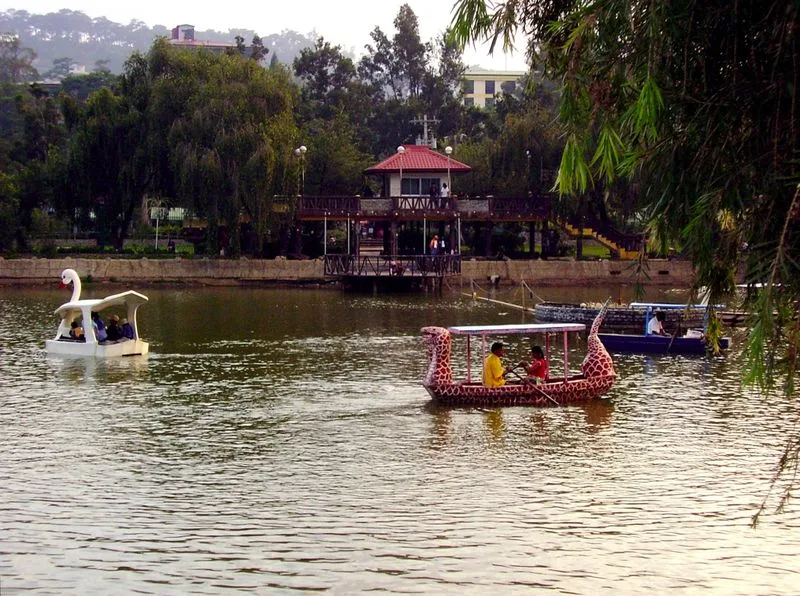
Burnham Park is the green heart of the city — a 32-hectare park named after the American urban planner who designed Baguio, with a man-made lake where boat rentals run PHP 100–150 per 30 minutes, rose gardens, a skating rink, and a promenade popular with joggers and local families from 5 AM onward. The park is free to enter. Go before 9 AM to see it before the weekend day-trippers arrive from the lowlands. The surrounding streets have some of Baguio's best early-morning food stalls.
Strawberry Picking in La Trinidad
La Trinidad, 15 minutes north of Baguio City centre by jeepney (PHP 12–15), is the country's strawberry capital and one of the genuinely enjoyable agricultural experiences in Luzon. From November through May, visitors pay PHP 50–100 to enter the strawberry farms and pick directly from the rows at PHP 100–150 per 100g. The strawberries here are the real thing — small, sweet, and intensely flavoured. The valley is also planted with other highland vegetables: broccoli, cabbage, cauliflower, and peas in neat rows across the terraced slopes.
Mines View Park and the Market
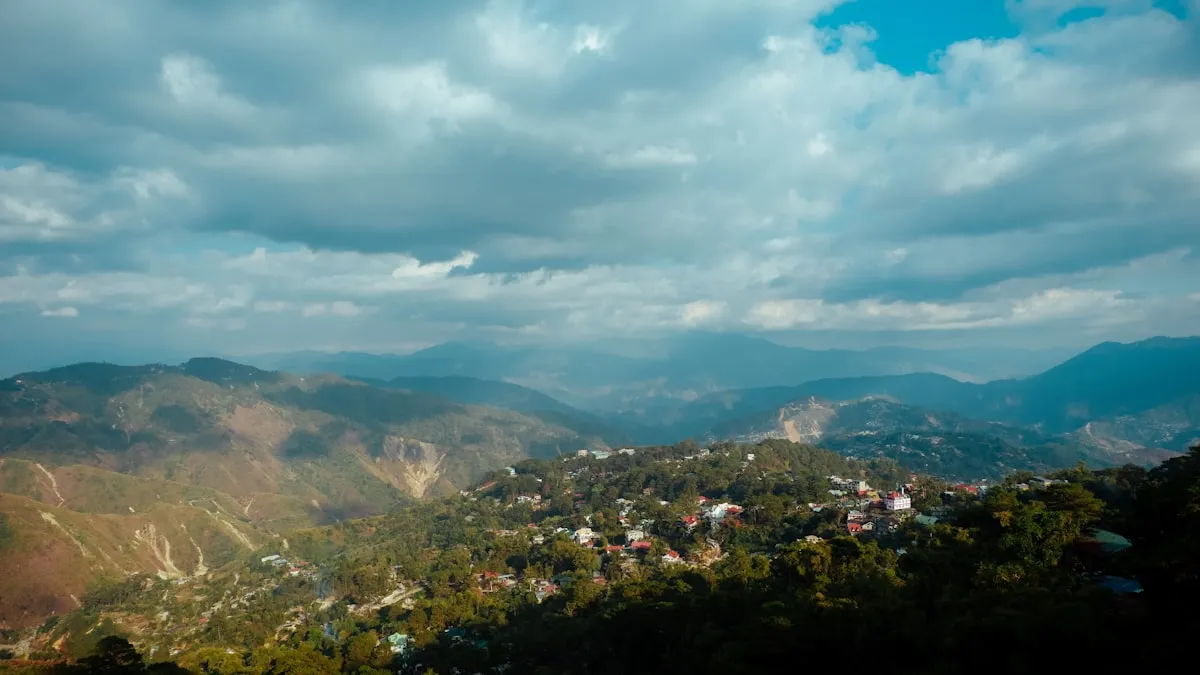
The colonial-era lookout point at Mines View Park (15 minutes east of city centre by jeepney) has views across the old mining valleys of Benguet and the Cordillera mountains beyond. The market in front of the viewpoint sells Igorot woodcarvings, silver jewellery, handwoven blankets (worth buying here rather than in Manila where prices double), and the famous Baguio pasalubong: Good Shepherd ube jam, strawberry jam, peanut brittle, and brewed Benguet coffee.
Camp John Hay
The former American military rest camp is now a 600-hectare forest park and leisure complex with hiking trails through pine forest, a golf course, and the colonial-era Heritage of Darkness historical walk. Entry to the grounds is free; individual facilities have separate fees. The pine forest here is the most intact in the city — trails are easy to moderate and well-marked. The Baguio Country Club restaurant inside the camp serves good Filipino and continental food in a colonial building.
Session Road and the Ukay-Ukay Shops
Session Road is the central commercial artery of Baguio — a kilometre-long slope lined with restaurants, cafes, bookshops, and the ukay-ukay (secondhand clothing) stores that the city is known for among Manila shoppers. The ukay-ukay culture in Baguio is exceptional by Philippine standards — quality imported thrift clothing at PHP 30–500 depending on condition. Browse the basement stores on Session Road and the side streets off Magsaysay Avenue. The Night Market on Magsaysay (Thursday to Sunday evenings) extends this further with street food and more bargain hunting.
Panagbenga Flower Festival (February)
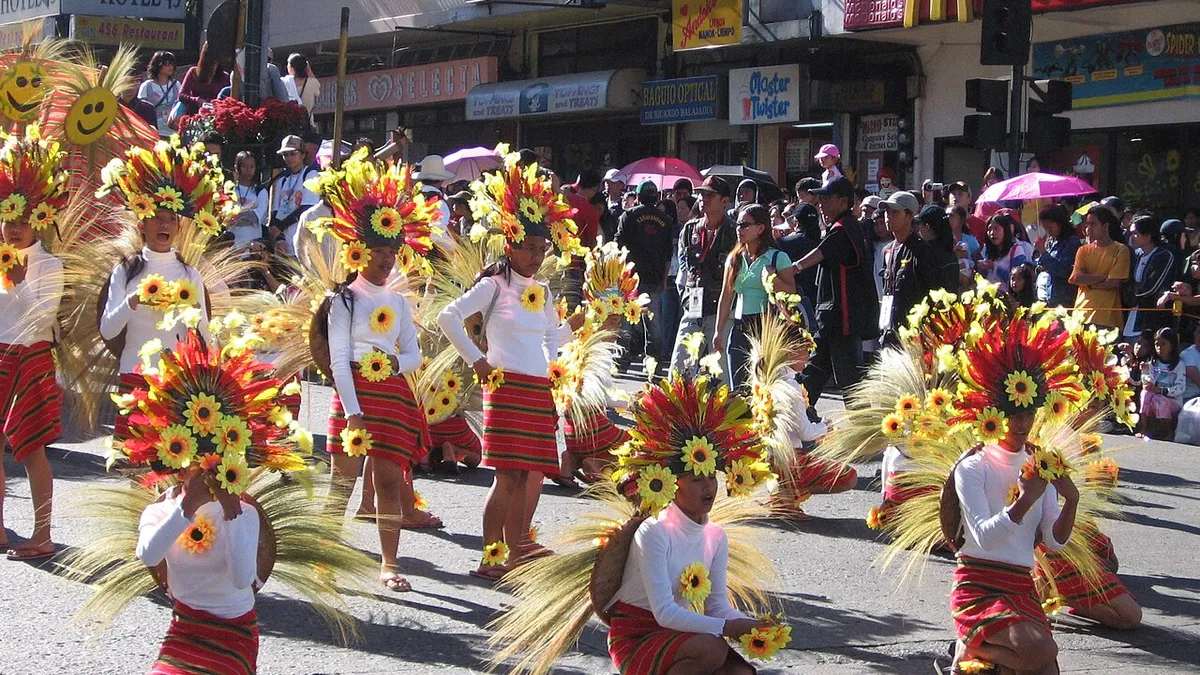
If you can visit during February, the Panagbenga (meaning "season of blooming") Festival is one of the most spectacular events in the Philippine calendar. The highlight is the Grand Floats Parade on the last weekend of February — 50-metre parade floats completely covered in fresh flowers of every colour, moving through Session Road and Harrison Road over two days. Hotel rates triple and accommodation books out weeks in advance; plan early. The festival runs the entire month of February with flower displays, concerts, and cultural shows throughout.
Photos of Baguio City
A visual taste of Baguio City before you go.
Ready to book?
Book your Baguio City trip now
Hotels, tours and transfers — compare live prices and book securely through trusted partners. Prices update daily.
Affiliate links — we earn a small commission at no extra cost to you. Prices shown are live from our partners.
🗓️ Best time to visit Baguio City
November through February is the peak cool season when temperatures drop to 14–20 degrees Celsius — bring a light jacket in the evenings. March and April still have pleasant cool weather before the summer crowds arrive in May. The Panagbenga Flower Festival (February) is the city's biggest event and the most spectacular time to visit; book accommodation months in advance. June through October is the wet season with frequent rain and occasional typhoon effects — the city is still functional but misty and quieter.
✈️ How to get to Baguio City
From Manila, Victory Liner and Philippine Rabbit operate frequent buses from Pasay, Cubao, Sampaloc, and Caloocan terminals to Baguio City (PHP 500–800 economy/deluxe, 5–7 hours depending on traffic). Airtrans buses (more comfortable, air-con, reclining seats) depart from various Manila points for PHP 700–900. Alternatively, drive via NLEX → TPLEX → Marcos Highway (5–6 hours). Baguio is 250 km north of Manila. There is no commercial airport in Baguio — the nearest is Loakan Airport which has very limited service. Almost everyone arrives by bus.
Plan your Baguio City trip
Compare hotels and tours — booked through trusted partners. Use the planner on /plan to turn this guide into a full day-by-day itinerary.
🗓️ Use this guide in your plan
Build a Baguio City trip directly. The planner combines it with real flights, stays and tours into one day-by-day itinerary.
✨ Open Trip PlannerOne of 215+ destinations covered. Explore more at /guides and /blog.
Frequently asked questions — Baguio City
How cold does it actually get in Baguio?
At peak cool season (December–January), temperatures in Baguio drop to 10–15 degrees Celsius at night and 16–22 degrees during the day. Compared to Manila's 28–35 degrees, this feels genuinely cold to Filipinos — bring one warm layer. For visitors from temperate climates, it feels mild. The fog in the morning can feel damp and chilly; a windbreaker is useful for early outdoor activities.
How long should I spend in Baguio?
Two nights and three days covers the main attractions comfortably: Burnham Park, Session Road, Mines View, La Trinidad strawberry farms, and Camp John Hay. Three nights allows a day trip to the Cordillera villages of Sagada or Banaue (though Banaue is 5–6 hours from Baguio and works better as a separate trip). One night is enough for a taste but the distance from Manila makes it worth staying at least two.
What is the best pasalubong (souvenir) to buy in Baguio?
Good Shepherd Convent's ube jam and strawberry jam are the most iconic — they sell out by mid-morning daily. Brewed Benguet arabica coffee beans (PHP 300–500 per 250g) are excellent quality. Hand-woven Igorot blankets and table runners from the Mines View market (PHP 500–1,500 depending on size) are authentic and not easily found elsewhere. Peanut brittle from Good Shepherd is a Baguio classic (PHP 80–150 per bag).
Is it safe to visit Baguio?
Yes. Baguio is one of the safest cities in the Philippines for tourists. The main practical concerns are traffic (which can be severe on weekends as day-trippers from the lowlands arrive) and the cold evening temperatures that catch visitors underprepared. Petty theft exists as in any city; standard vigilance applies.
💬 Ask Locals about Baguio City
No questions about Baguio City yet — be the first to ask.
Ask the community →💡 Traveller tips for Baguio City
Local-knowledge from other travellers. Got a tip? Share it.
Loading tips…
📝 Your notes & photos for Baguio City
Loading…
First time in Baguio City?
Quick essentials so you can hit the ground running.
Standard Philippines visa-free entry for most nationalities (30 days). Baguio is in the mainland Philippines and requires no special permits.
BDO, BPI, and Metrobank ATMs are numerous throughout the city centre. GCash is widely accepted. PHP 2,000–3,000 per day covers comfortable accommodation (PHP 800–1,500), meals (PHP 500–800), transport, and activities.
The cool temperature surprises visitors from the lowlands — bring a light jacket or sweater. If you are prone to altitude sickness, Baguio at 1,500m is generally too low to cause issues. Pine pollen can aggravate allergies in peak bloom. The city has several good hospitals (Baguio General Hospital, Notre Dame de Chartres).
Budget travellers: PHP 1,500–2,000/day (hostel PHP 400–600, canteen meals PHP 200–300, jeepney transport PHP 50). Mid-range: PHP 3,000–5,000/day (hotel PHP 1,500–2,500, restaurant meals PHP 400–600). Most attractions are free or under PHP 100.
Traffic on weekends is the biggest practical challenge — avoid arriving Friday evening or leaving Sunday afternoon. Ukay-ukay and market areas have pickpockets; keep valuables in a zipped bag. The weather changes quickly; afternoon fog can reduce visibility on mountain roads — take buses with experienced Cordillera drivers.
Top Experiences in Baguio City
Island hopping, diving, surfing and more — book instantly. Add them to your trip plan.