Anilao
The dive site that launched Philippine scuba — two hours from Manila, a world below · Batangas, Luzon
Photo: Anders Poulsen, Deep Blue (http://www.colours.dk/) / CC BY-SA 3.0 via Wikimedia Commons
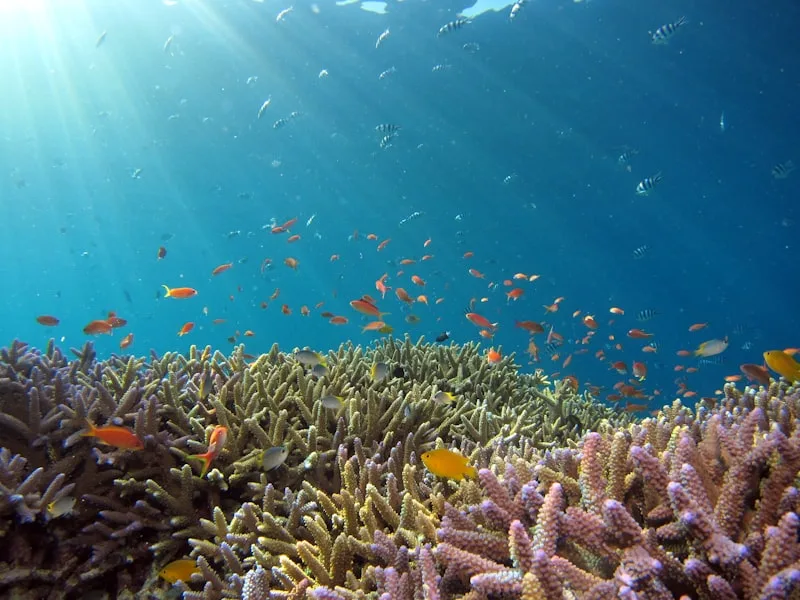
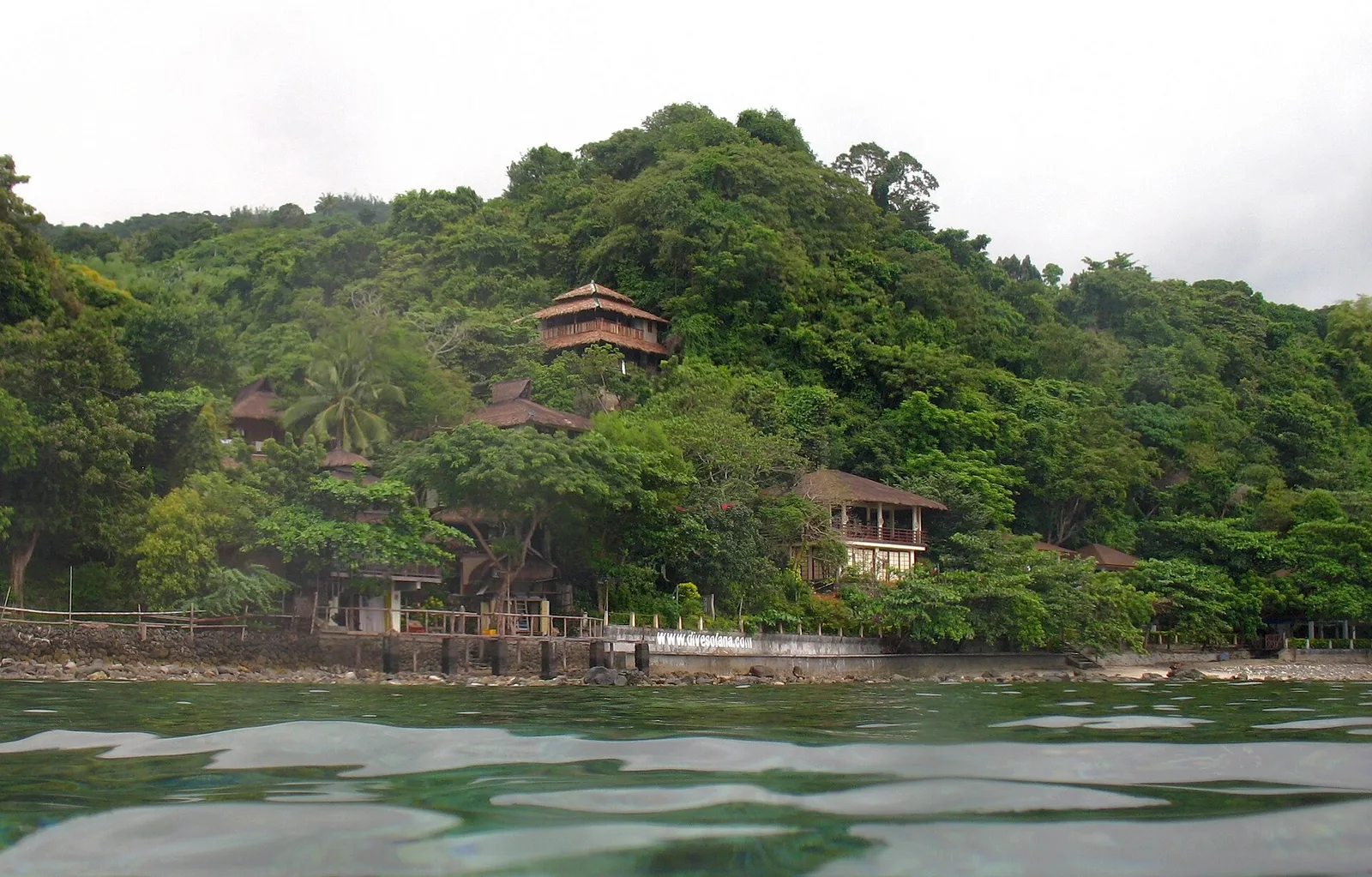
Anilao, in the municipality of Mabini in Batangas Province, is where Filipino scuba diving began. The reefs here were first explored in the 1960s by Manila-based divers who drove south for weekends, and the dive resort infrastructure that grew up around them — now numbering over 30 operations — is the oldest in the country. The proximity to Manila (2.5 hours by road) means that Anilao has never lost its weekend dive-trip identity, and the customer base of Manila dive clubs and certification students keeps a dozen shops busy year-round. What draws visitors who specifically choose Anilao over other Philippine dive destinations is macro: the biodiversity of the coral rubble and muck zones around Anilao is exceptional even by world standards, with a species list that includes pygmy seahorses, mimic octopus, blue-ringed octopus, frogfish in a dozen colour variants, ghost pipefish, and nudibranchs so numerous that dedicated macro photographers return season after season to document new species. The big-animal diving is good too — whale sharks, thresher sharks, and mola mola (ocean sunfish) have all been recorded in Anilao waters. But the muck is the thing.
Things to do in Anilao
Macro Diving at the Anilao Muck Sites
The muck and coral rubble zones around Anilao are among the richest macro habitats in the Indo-Pacific. Mainit (meaning "hot" — a warm water upwelling site) regularly produces frogfish, blue-ringed octopus, ghost pipefish, and hairy frogfish. Twin Rocks is one of the most reliably productive macro sites in the region, with mimic octopus, skeleton shrimp, and dendritic nudibranchs. Any serious dive shop will tailor the site selection to the macro species you want to see — tell the divemaster your wish list the night before.
Cathedral Rock Wall Dive
The Cathedral Rock pinnacle, 25 minutes by banca from most Anilao resorts, is the signature big-reef dive of the area. The pinnacle rises from 20m to near-surface, covered in massive seafans, soft coral, and barrel sponges. Schools of fusiliers, batfish, and jacks circle the formation, and white-tip reef sharks rest in the sand channels between the rock and the surrounding reef. One of the best dives in Batangas when the current is running and pushing nutrients past the coral.
Ligpo Island Coral Garden
Ligpo Island is a marine sanctuary managed by the municipality — entry PHP 50 per diver. The reef around the island has recovered significantly since the sanctuary was established in the 1990s and is now one of the most densely packed coral gardens in Batangas. Hard coral coverage is exceptional in the shallows (3–10m), making it an ideal second dive after a deep wall. The island has a small beach for surface interval lunches.
Underwater Photography Workshop
Anilao has produced some of the world's most recognised underwater macro photographers, and several resorts and dive centres offer multi-day underwater photography workshops focused specifically on the macro species of the area. Workshops typically run 3–4 days, include 3 dives per day, and cover camera settings, composition, and post-processing. Rates vary by operator (PHP 5,000–15,000 for a 3-day workshop). Bring a compact camera with a wide-angle macro diopter at minimum; dedicated macro lenses with focus lights are the standard for serious participants.
Tingloy Island Day Trip
Tingloy is a larger island 30–45 minutes by banca from Anilao, with its own set of dive sites including Sombrero Island — a crescent-shaped island that looks exactly like a hat from above, with a channel dive that can be done as a drift through schooling fish. Sombrero is less trafficked than the main Anilao sites and has good visibility on the ocean-facing wall. Most Anilao resorts include Sombrero and Tingloy sites in their standard site rotation.
Photos of Anilao
A visual taste of Anilao before you go.
Photos: andre oortgijs (CC BY-SA 3.0) via Wikimedia Commons
Ready to book?
Book your Anilao trip now
Hotels, tours and transfers — compare live prices and book securely through trusted partners. Prices update daily.
Affiliate links — we earn a small commission at no extra cost to you. Prices shown are live from our partners.
🗓️ Best time to visit Anilao
October through June is the reliable dive season. November through February offers the most consistent visibility (15–25m). March through June is warm and calm — good for beginners. Whale sharks appear unpredictably year-round but are more commonly reported November–February. July through September is the southwest monsoon and typhoon season; some dive shops close or reduce operations. Strong currents appear at specific sites during certain tidal windows — always check with your dive guide.
✈️ How to get to Anilao
From Manila: drive or take a bus to Batangas City (2–2.5 hours by car; Dian Transit or ALPS buses from Cubao/Lawton, PHP 150–200, 2.5–3 hours), then a tricycle to Anilao (PHP 200–300, 30 minutes). Most dive resorts offer free pickup from Batangas City or a transfer van from Manila for PHP 500–800 per person. Driving from Manila via SLEX is the most flexible option for weekend divers. Most visitors book direct with their chosen dive resort, which arranges logistics.
Plan your Anilao trip
Compare hotels and tours — booked through trusted partners. Use the planner on /plan to turn this guide into a full day-by-day itinerary.
🗓️ Use this guide in your plan
Build a Anilao trip directly. The planner combines it with real flights, stays and tours into one day-by-day itinerary.
✨ Open Trip PlannerOne of 215+ destinations covered. Explore more at /guides and /blog.
Frequently asked questions — Anilao
Do I need to be an advanced diver to dive at Anilao?
No — Anilao has sites suitable for all certification levels. Open Water (OW) certified divers can dive the shallower reef sites, the Ligpo coral garden, and most macro muck sites (which are often in 3–15m of water). Advanced certification opens up the deeper walls and drift sites. Anilao is also an excellent place to get certified — the calm, clear water and the immediate reward of seeing extraordinary marine life makes for high-motivation students.
How does Anilao compare to other Philippine dive destinations?
Anilao is not the Philippines' best destination for big animals (Tubbataha, Coron, and Palawan win on megafauna). It is not the best for reefs (El Nido and Tubbataha have more intact hard coral). But for macro diversity per dive, Anilao is world-class — genuinely comparable to the Lembeh Strait in Indonesia. The proximity to Manila makes it the most convenient dive destination in the country for a weekend trip.
What is the best time for whale shark sightings at Anilao?
Whale sharks in Anilao are incidental, not predictable — unlike the provisioned feeding at Oslob in Cebu, sightings here are genuine wild encounters that depend on plankton concentrations. November through February sees the most reports. Your dive shop will alert you if there is a current sighting location. Most visits to Anilao do not include a whale shark sighting, and that is fine — the macro diving is the main event.
💬 Ask Locals about Anilao
No questions about Anilao yet — be the first to ask.
Ask the community →💡 Traveller tips for Anilao
Local-knowledge from other travellers. Got a tip? Share it.
Loading tips…
📝 Your notes & photos for Anilao
Loading…
First time in Anilao?
Quick essentials so you can hit the ground running.
Standard Philippines visa-free entry. No dive permit required beyond resort registration. Ligpo Island marine sanctuary charges PHP 50 per diver.
Most dive resorts accept credit cards and GCash. Bring PHP cash for tips, small purchases, and any off-resort dining. ATMs in Batangas City (25 minutes from Anilao). PHP 3,000–6,000 per day covers dive resort accommodation, 3 dives, and meals at the resort.
The nearest decompression chamber is at the St. Patrick Hospital in Batangas City (30 minutes from Anilao). Dive insurance covering hyperbaric treatment is strongly recommended. Do not fly within 18 hours of your last dive; drive back to Manila (2.5 hours) is fine after a standard 1-hour surface interval.
Budget PHP 2,500–4,000/day at a basic dive resort (accommodation, 3 dives with equipment, meals). Mid-range resorts with better rooms and food run PHP 5,000–8,000/day. Equipment rental is included at most resorts. The main additional cost is boat fees for sites farther than 20 minutes from the resort.
Anilao dive sites are generally safe but some have significant current — always dive with a guide who knows the site and the tidal windows. Night dives at Anilao are excellent but bring a primary and backup light, and stay close to your buddy. The blue-ringed octopus (found in Anilao muck) is highly venomous — never handle any octopus underwater.
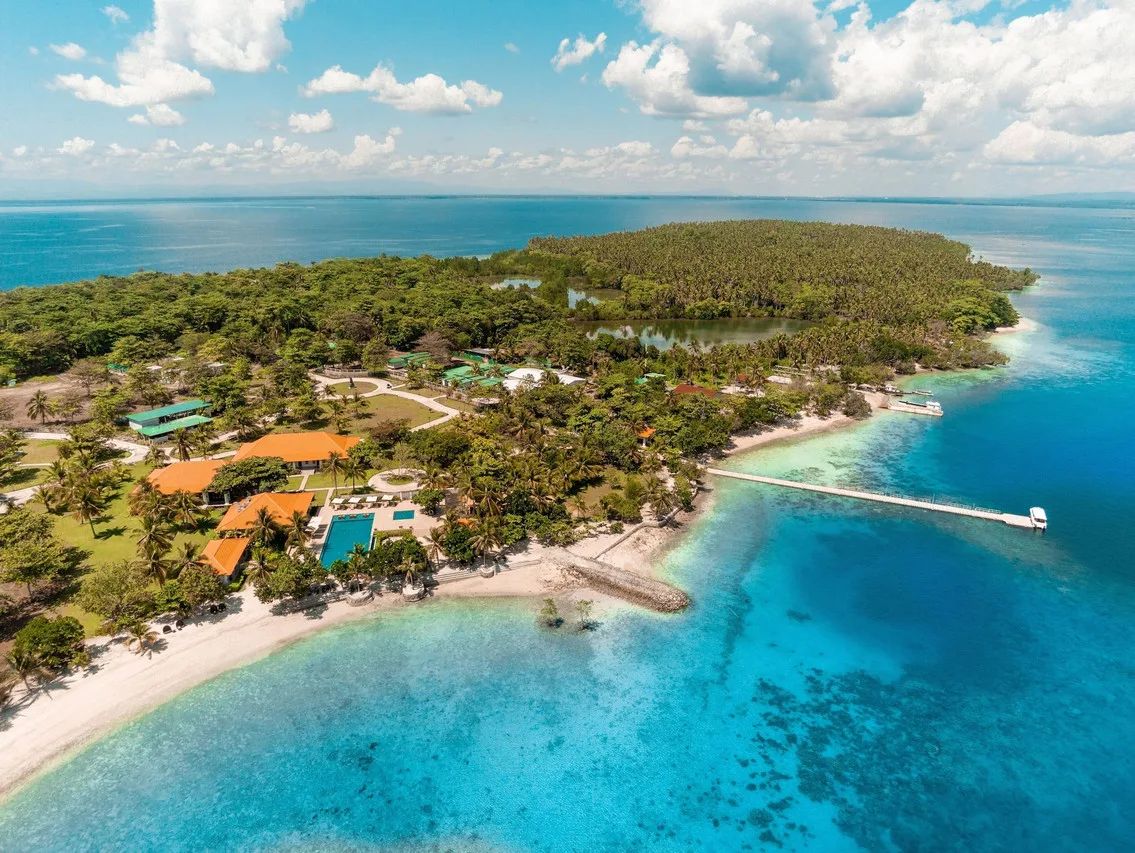
Local Stays in Anilao
Hand-picked homestays and guesthouses — book direct with local hosts. Add them to your trip plan.
Top Experiences in Anilao
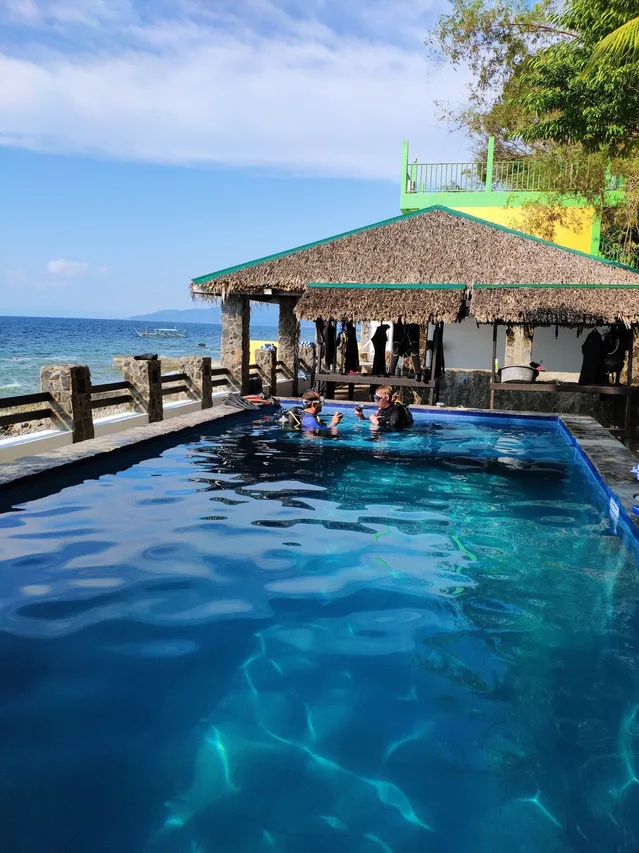
Island hopping, diving, surfing and more — book instantly. Add them to your trip plan.