Anawangin Cove
Volcanic sand, pine-needle forest, and absolute silence — a beach that does not behave like a beach · Zambales, Luzon
Photo: www.travelphotology.net / CC BY 2.0 via Wikimedia Commons
Anawangin is a beach that makes you feel you have reached somewhere accidental and true. A shallow cove on the Pacific-facing coast of Zambales, it is framed on three sides by steep volcanic hills and backed not by palm trees but by a dense grove of agoho trees — casuarina, sometimes called Australian pine — whose feathery, needle-like foliage carpets the forest floor in a rust-coloured mat. The agoho arrived here after the 1991 eruption of Mt. Pinatubo destroyed the original vegetation and deposited ash across the watershed; the species colonised the bare slopes and has since created an environment that genuinely does not look like the Philippines. There are no roads to Anawangin. There is no electricity. The only way in is by outrigger banca from Pundaquit Beach, and camping is the only option once you arrive.
Things to do in Anawangin Cove
The Banca Crossing from Pundaquit
The 20–30 minute banca crossing from Pundaquit to Anawangin is the ritual that makes the destination feel earned. The channel between the mainland and the outer coast can be genuinely choppy in the wrong conditions. Negotiate your fare at the Pundaquit Boatmen's Association (PHP 400–600 per boat). Book the first crossing possible in the morning: conditions tend to deteriorate in the afternoon as wind builds. Agree a clear return time — typically 1–2pm for day-trippers, the following morning for campers.
Camping in the Agoho Grove
The agoho grove behind the beach is the defining feature of Anawangin. Tent sites are marked by the barangay caretaker; the fee is PHP 100–200 per tent area per night. The ground under the casuarina canopy is deep in dry needles — soft, aromatic, and genuinely comfortable to sleep on. Bring everything: water (minimum 3 litres per person per day), food, cooking equipment, a head torch, and all waste bags. There is no running water, no electricity, no stores. The caretaker sells cold drinks from a cooler at PHP 50–60 per 500ml — not a reliable supply strategy.
Sunrise Over the Volcanic Sand
Wake up early. The colour sequence at Anawangin between 5:15 and 6am — when the sky behind the eastern hills shifts from navy to amber and the first light hits the white sand across the lagoon — is among the finest dawn scenes accessible from Manila. The agoho canopy frames the view, and in the total silence of a mid-week morning you might have it to yourself. Bring coffee from Manila in a flask; the contrast of hot coffee with the pre-dawn cold of the cove is the kind of thing people describe when they explain why they keep coming back.
Nagsasa Cove Day Trip
A 15-minute banca ride further up the coast from Anawangin, Nagsasa Cove is essentially Anawangin as it was five years ago: the same volcanic sand, the same agoho forest, but fewer campers and a wider, more open lagoon fringed by a river that runs fresh in March. Arrange the side trip with your Pundaquit boatman when you book — add PHP 200–400 to the base fare. Nagsasa has a small barangay settlement where families sell grilled fish (PHP 120–180).
Capones Island and the Lighthouse
Capones Island sits offshore from Pundaquit to the northwest and is covered by a banca trip most operators bundle with the Anawangin route for an additional PHP 200–300. The island has a Spanish-era lighthouse (1890) near the summit, a snorkeling reef along its eastern shelf with better coral coverage than anything around Anawangin, and a PHP 100 entrance fee. The trail to the lighthouse is 20 minutes of steep walking on a dirt path — wear shoes. The snorkeling is best from 8–10am before the current shifts.
Zambales Mangoes and Coastal Food
Zambales is one of the Philippines' premier mango provinces and the coastal towns sell the local crop from roadside stalls during the March–June season. Philippine mangoes at their best cost PHP 80–120 per kilo. On the way to or from Pundaquit, stop in San Antonio market for grilled panga ng tuna (PHP 180–250), fresh coconut, and a supply of mangoes and rice for the campsite. The town also has a small supermarket where you can buy camping supplies — gas canisters, instant meals, water in 5-litre jugs.
Photos of Anawangin Cove
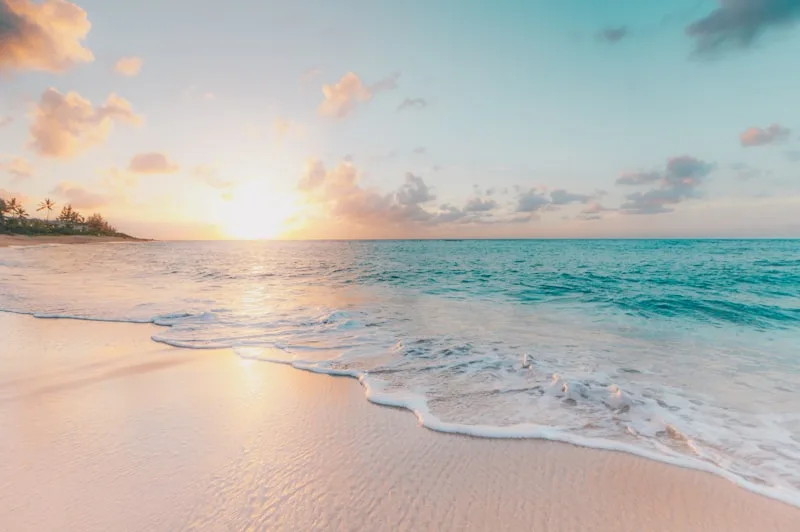
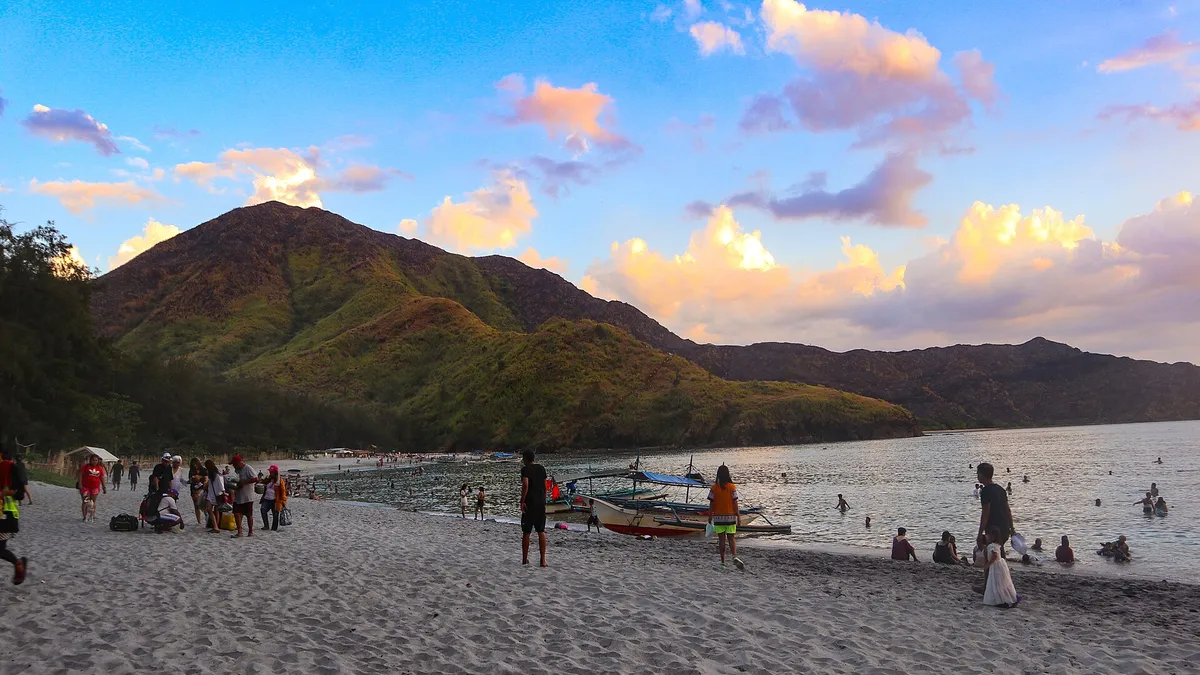
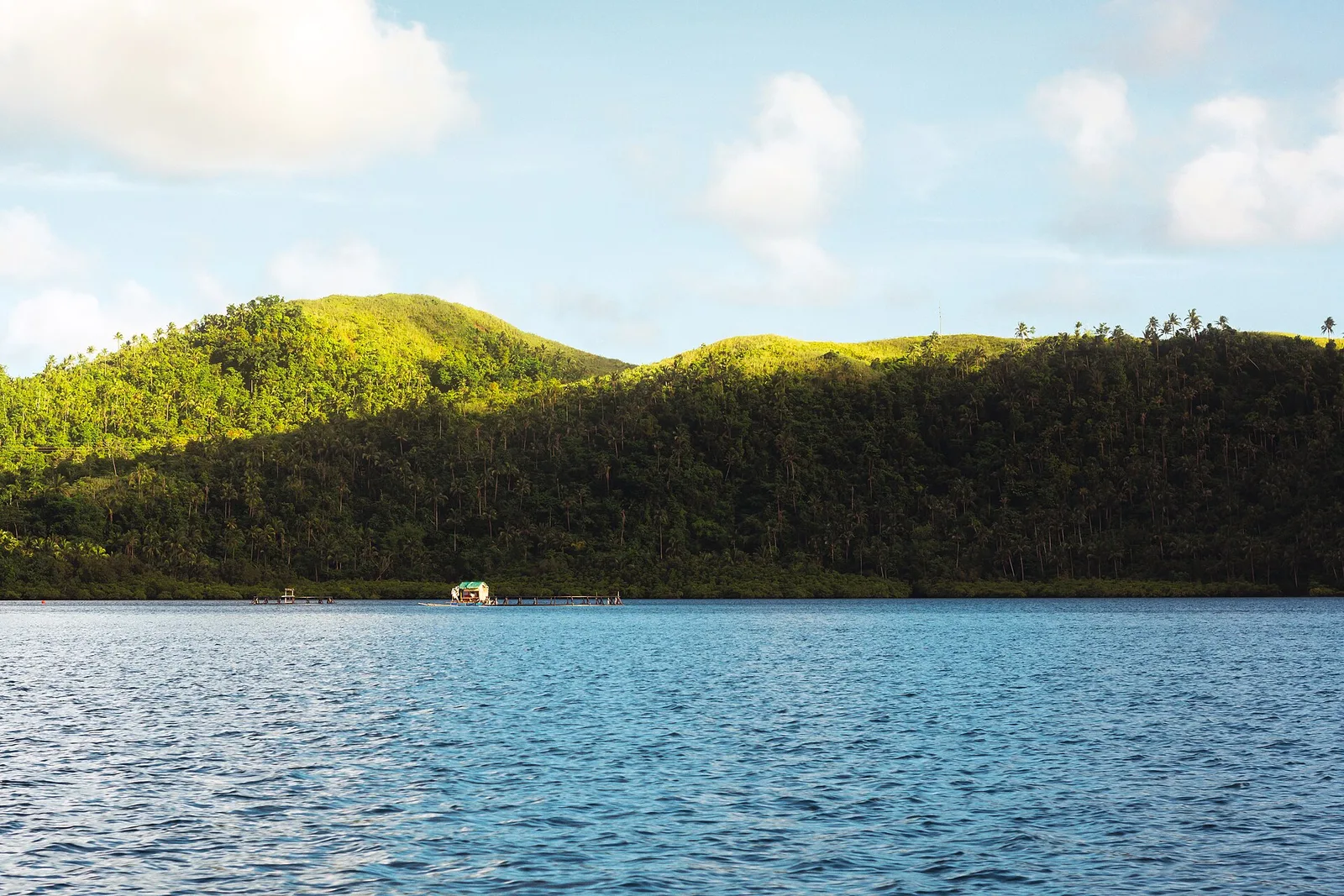
A visual taste of Anawangin Cove before you go.
Photos: Michael Angelo Luna (CC BY-SA 4.0) via Wikimedia Commons
Ready to book?
Book your Anawangin Cove trip now
Hotels, tours and transfers — compare live prices and book securely through trusted partners. Prices update daily.
Affiliate links — we earn a small commission at no extra cost to you. Prices shown are live from our partners.
🗓️ Best time to visit Anawangin Cove
March through May is the optimal window — dry weather, calm seas, and comfortable camping conditions. Avoid June through October entirely: the southwest monsoon pushes directly onto this coast and the crossing becomes dangerous. Holy Week (late March or April) fills the cove with Manila campers — go in early March or late April for solitude. Mid-week visits in peak season offer a dramatically quieter experience.
✈️ How to get to Anawangin Cove
From Manila, take Genesis or Five Star buses from Pasay terminal to Iba, Zambales (PHP 280–380, 4 hours), then a tricycle to San Antonio (PHP 80–120, 30 minutes). From San Antonio, take another tricycle to Pundaquit Barangay beach (PHP 30–50, 10 minutes). Driving via SCTEX takes approximately 3.5–4 hours; park at Pundaquit (PHP 50 per day). The banca ride from Pundaquit to Anawangin takes 20–30 minutes and costs PHP 400–600 per boat for up to 8 passengers.
Plan your Anawangin Cove trip
Compare hotels and tours — booked through trusted partners. Use the planner on /plan to turn this guide into a full day-by-day itinerary.
🗓️ Use this guide in your plan
Build a Anawangin Cove trip directly. The planner combines it with real flights, stays and tours into one day-by-day itinerary.
✨ Open Trip PlannerOne of 215+ destinations covered. Explore more at /guides and /blog.
Frequently asked questions — Anawangin Cove
Is Anawangin suitable for solo travellers?
Solo travellers are welcome but face a cost efficiency problem: banca hire is PHP 400–600 per boat regardless of passenger count. Joining a group is the practical solution — post on Philippines travel Facebook groups or ask at the Pundaquit boatmen's association if there is a group heading out the same day. Once at the cove, the camping community is friendly and mixing between groups is common.
What are the actual camping conditions like?
Honest answer: it is comfortable by camping standards but it is camping. The agoho needle floor is soft and easy to sleep on. Temperatures at night from March to May are pleasant (22–25°C). The main discomforts are mosquitoes after dusk (strong repellent is essential), the lack of running water for washing, and the comfort room situation, which is basic. Bring wet wipes, hand sanitiser, and biodegradable soap.
What happens if the sea is too rough for the banca to depart?
It happens, and if you are already at Anawangin it means you are staying until conditions improve. Boatmen will not cross in unsafe conditions — their judgment is sound and should be respected. Build a buffer day into your Anawangin itinerary if your return travel has a tight deadline. Most boatmen have mobile phones with signal from the headland above the camp and will contact you with updated pickup times.
Can I do Anawangin as a day trip from Manila?
A day trip is physically possible but barely justified. The most distinctive experience of Anawangin — the dawn light, the silence of a mid-week morning, the night sky without light pollution — only happens if you stay. For first-timers, a single overnight gives you the arrival evening, a full night, and the dawn before the return. Most people who do a day trip wish they had stayed.
💬 Ask Locals about Anawangin Cove
No questions about Anawangin Cove yet — be the first to ask.
Ask the community →💡 Traveller tips for Anawangin Cove
Local-knowledge from other travellers. Got a tip? Share it.
Loading tips…
📝 Your notes & photos for Anawangin Cove
Loading…
First time in Anawangin Cove?
Quick essentials so you can hit the ground running.
Citizens of most countries receive a free 30-day visa-on-arrival at Manila, extendable to 59 days at any Bureau of Immigration office.
Withdraw all PHP you need in Manila before departure. San Antonio has one or two ATMs but they are unreliable on busy weekends. Pundaquit and Anawangin are fully cash-only.
Water is the critical variable — bring a minimum of 3 litres per person per day and consider a portable filter as backup. The lagoon water is not safe to drink untreated. Apply mosquito repellent at dusk without exception. Nearest hospital with emergency capability is Zambales General Hospital in Iba (30–40 minutes from Pundaquit by road).
Budget travellers in groups of 4+ can complete the full Anawangin overnight for PHP 1,200–1,500 per person including Manila bus fare, banca hire, camping fee, and food. Solo travellers or pairs typically spend PHP 2,000–2,800 total.
The sea crossing is the primary safety consideration. Never board a banca if the boatman is reluctant to cross. Wear the life jacket provided throughout the crossing. At the cove, the lagoon is safe for swimming; the river mouth on the left side of the beach has occasional current in March–April when flows are high after rains — ask the caretaker before entering.
Local Stays in Anawangin Cove
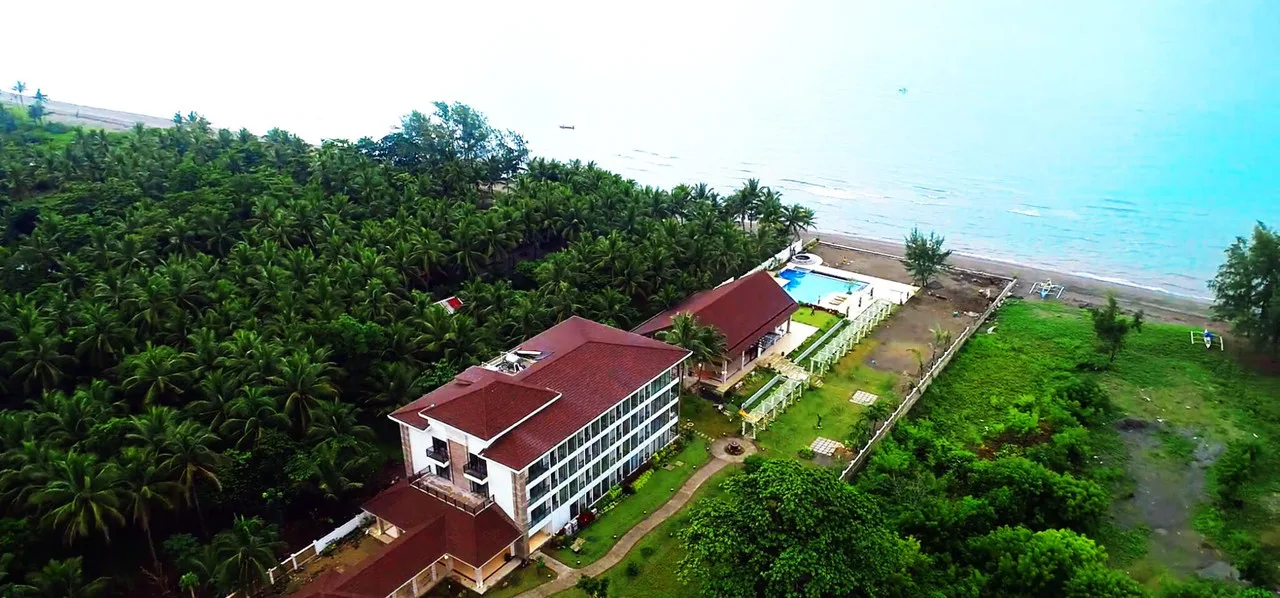
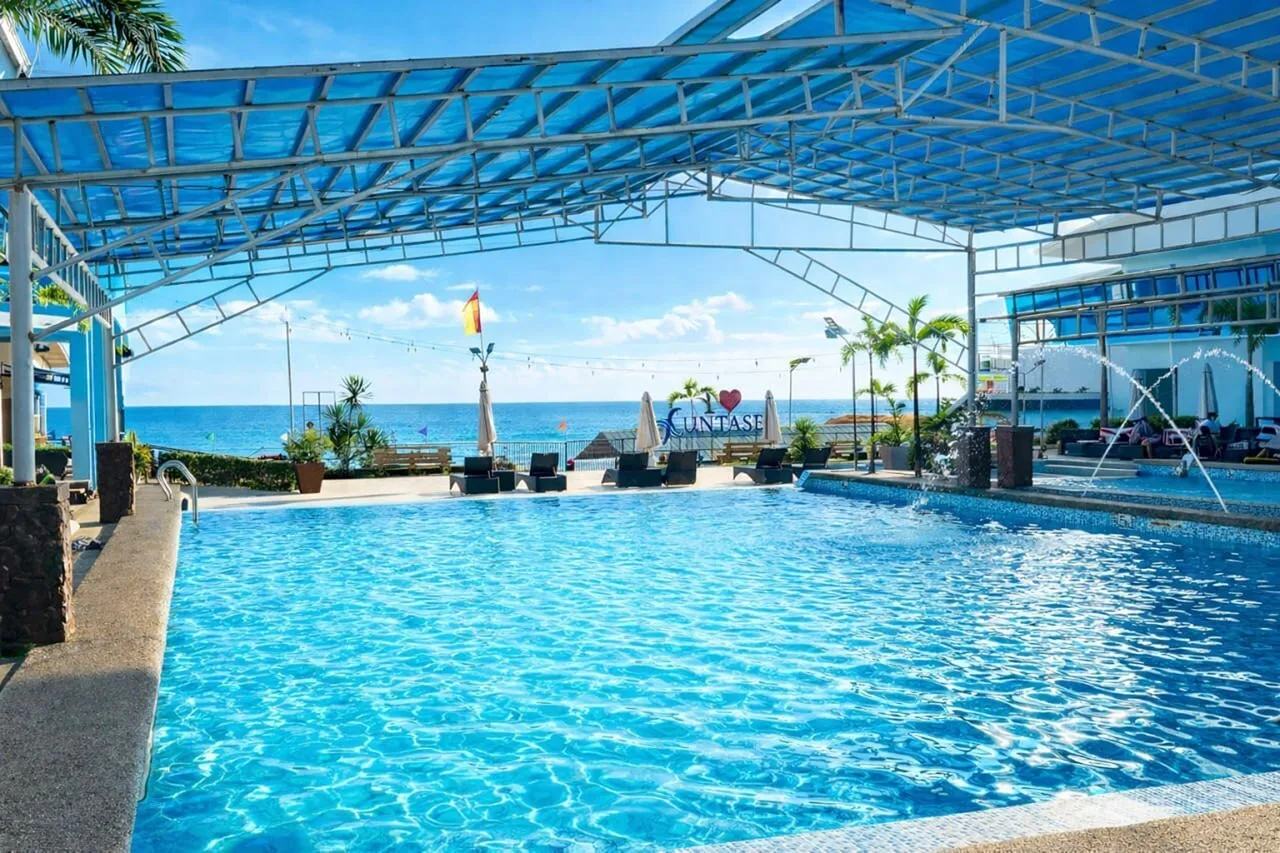
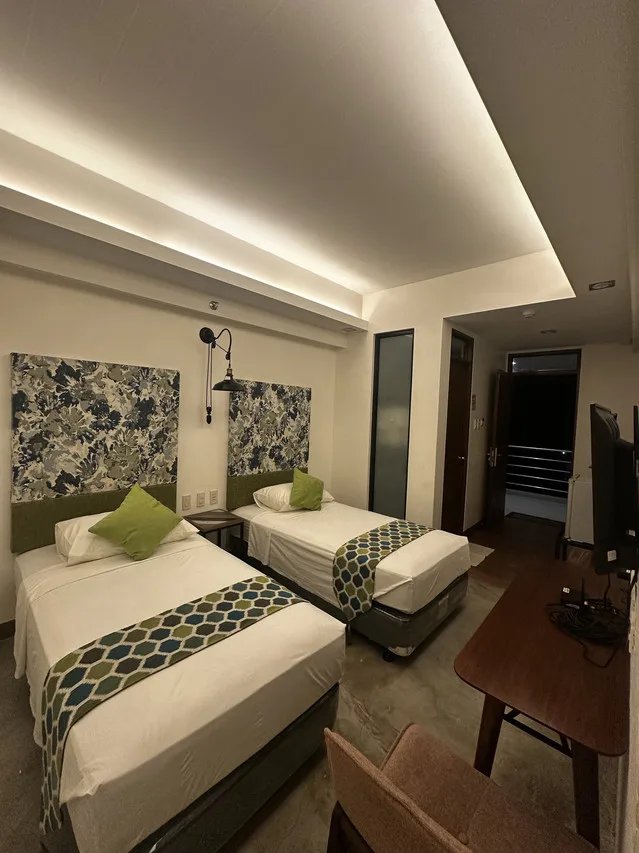
Hand-picked homestays and guesthouses — book direct with local hosts. Add them to your trip plan.
Top Experiences in Anawangin Cove
Island hopping, diving, surfing and more — book instantly. Add them to your trip plan.
South Linapacan Private Islands and Snorkeling Tour
📍 Sibaltan, Philippines · Full day
From ₱3,367
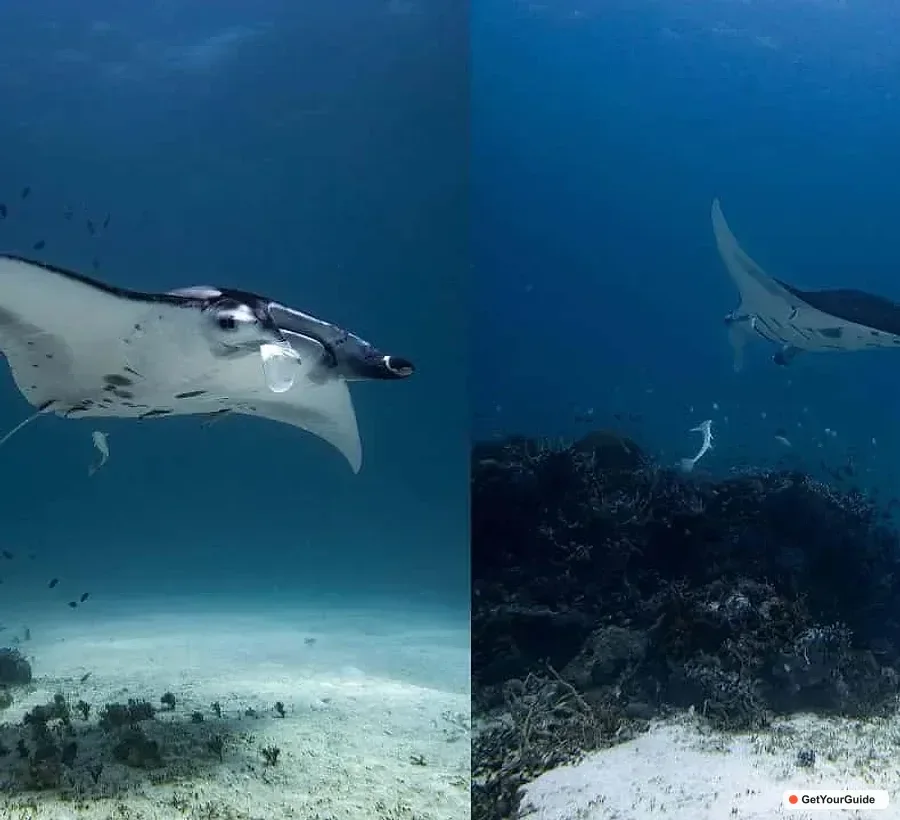
El Nido Discover Scuba Diving with Manta Rays
📍 Sibaltan, Palawan · Full day
From ₱6,457
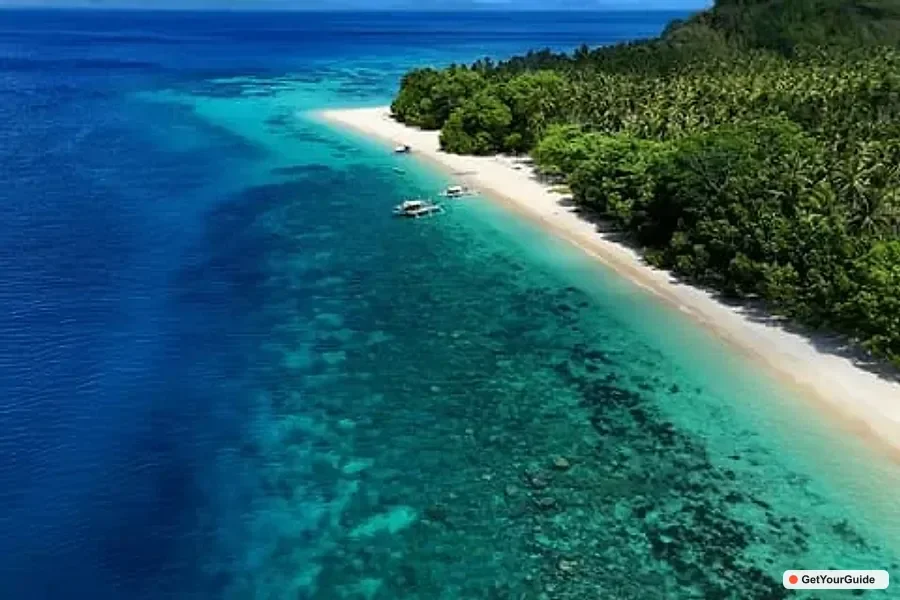
Sibaltan Farm Tour, Snorkeling, Dinner and Nipa Hut Stay
📍 Sibaltan, Philippines · Full day
From ₱8,671