Alona Beach
The beach that put Bohol diving on the map — and has been worth the crowd ever since · Panglao Island, Bohol, Visayas
Photo: P199 / CC BY-SA 3.0 via Wikimedia Commons
Alona Beach is 800 metres of white sand on the southwestern tip of Panglao Island, fronted by a shallow reef that drops into clear blue water and backed by a strip of dive shops, bamboo restaurants, guesthouses, and the kind of palm-shaded path that makes it easy to lose entire days doing very little. It is the operational centre of diving in Bohol — the island sits within reach of Balicasag Island's famous wall dives, the Cervera Shoal, and a dozen other sites where sea turtles, thresher sharks, and dense fish life are not unusual sightings. The beach itself is crowded on weekends when Bohol day-trippers descend from Tagbilaran, but weekday mornings before the tour boats leave are genuinely peaceful: a rinse of the sea, black coffee from the nearest stall, and the soft sound of compressors filling tanks somewhere behind you.
Things to do in Alona Beach
Diving at Balicasag Island
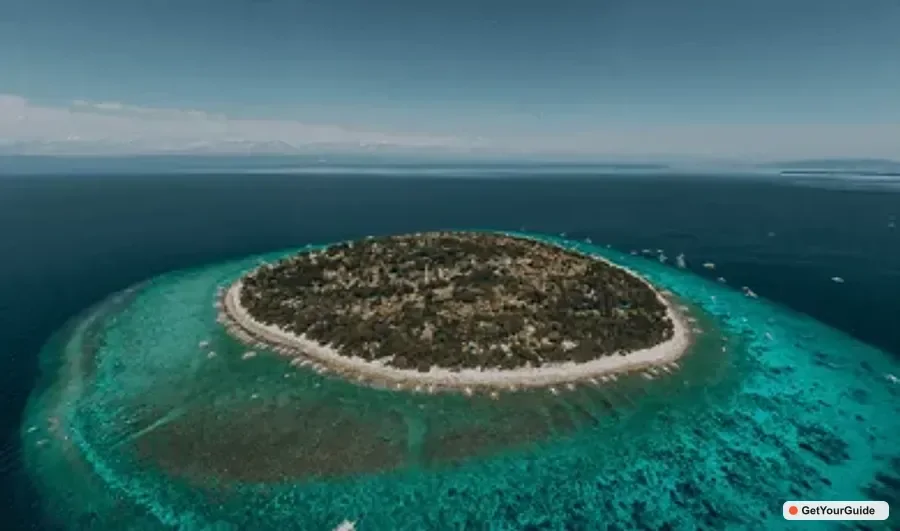
Balicasag Island, 40 minutes by banca from Alona Beach, is the signature dive destination of Bohol. The island has a marine sanctuary with a wall dive on its southern face that drops from 5m to over 40m — the wall is covered in black coral, sea fans, and hard coral outcrops, with schooling jacks, barracuda, and sea turtles (green and hawksbill) encountered on most dives. The current can be strong; the dive shops at Alona Beach offer Balicasag as a standard day trip (PHP 1,200–1,800 per person for two dives with equipment). Non-divers can snorkel the shallower areas near the marine sanctuary entrance.
Sunrise Snorkel on the Alona House Reef
The reef directly in front of Alona Beach begins 20–50 metres from shore at low tide. Enter the water from the beach before 7 AM when the light is soft and the tour boats have not yet left. The shallow reef has sea turtles, parrotfish, pufferfish, and lionfish in 2–8 metres of water. Snorkel gear rental from beach shops costs PHP 100–150; there is no entrance fee. The reef has been stressed by boat anchors and foot traffic over the years but sea turtle sightings remain common, especially toward the eastern end of the beach.
Island-Hopping Day Tour
The standard Alona Beach day tour covers Balicasag Island (snorkeling at the marine sanctuary), Virgin Island sandbar (a tidal white sandbar that disappears at high tide), and Dolphin Watching at the Pamilacan channel — organised groups occasionally spot spinner dolphins and occasionally whale sharks on this route. Tours depart at 6–7 AM and return by noon. Cost is PHP 1,000–1,500 per person (group tours) or PHP 4,000–6,000 for a private banca.
The Beach Strip at Dusk
Alona Beach in the late afternoon is its most pleasant: the day-tripper boats have returned to Tagbilaran, the water has calmed, and the restaurants fronting the beach light their lanterns. Walk the full length of the beach strip from east to west — the eastern end has the quieter resort section, the central stretch has the highest concentration of dive shops and restaurants, and the western end transitions into the Alona Kew area with a slightly more local feel. Dinner on the beach costs PHP 300–600 for grilled seafood platters; the prawn and squid at PHP 150–250 per serving are the standard order.
Combined Bohol Day Tour (Chocolate Hills + Tarsier)
The Chocolate Hills, Loboc River cruise, and Tarsier Sanctuary are all on Bohol's main island — a 45-minute drive from Alona Beach. Most dive shops and guesthouses at Alona can arrange a combined land tour for PHP 700–1,200 per person including transport and entrance fees. If you are staying for 3+ days, dedicate one day to the Bohol inland tour. The tarsiers at the Tarsier Conservation Area near Corella are not the farmed-out displays you see at the Tagbilaran airport tourist traps — real, wild tarsiers in intact habitat, observed quietly with a ranger.
Night Dive at Alona Beach
The reef in front of Alona Beach transforms after dark: hunting lionfish and scorpionfish emerge from crevices, mandarin fish (Synchiropus splendidus) come out on rocky rubble patches at dusk, and octopus hunting is common. Night dives are offered by most dive shops for PHP 800–1,200. The mandarin fish display — tiny, electric-blue-and-orange fish no larger than a thumb performing their mating ritual just after sunset — is one of the most extraordinary things you can see underwater in the Philippines and is specific to the coral rubble zones of the Alona reef.
Photos of Alona Beach
A visual taste of Alona Beach before you go.
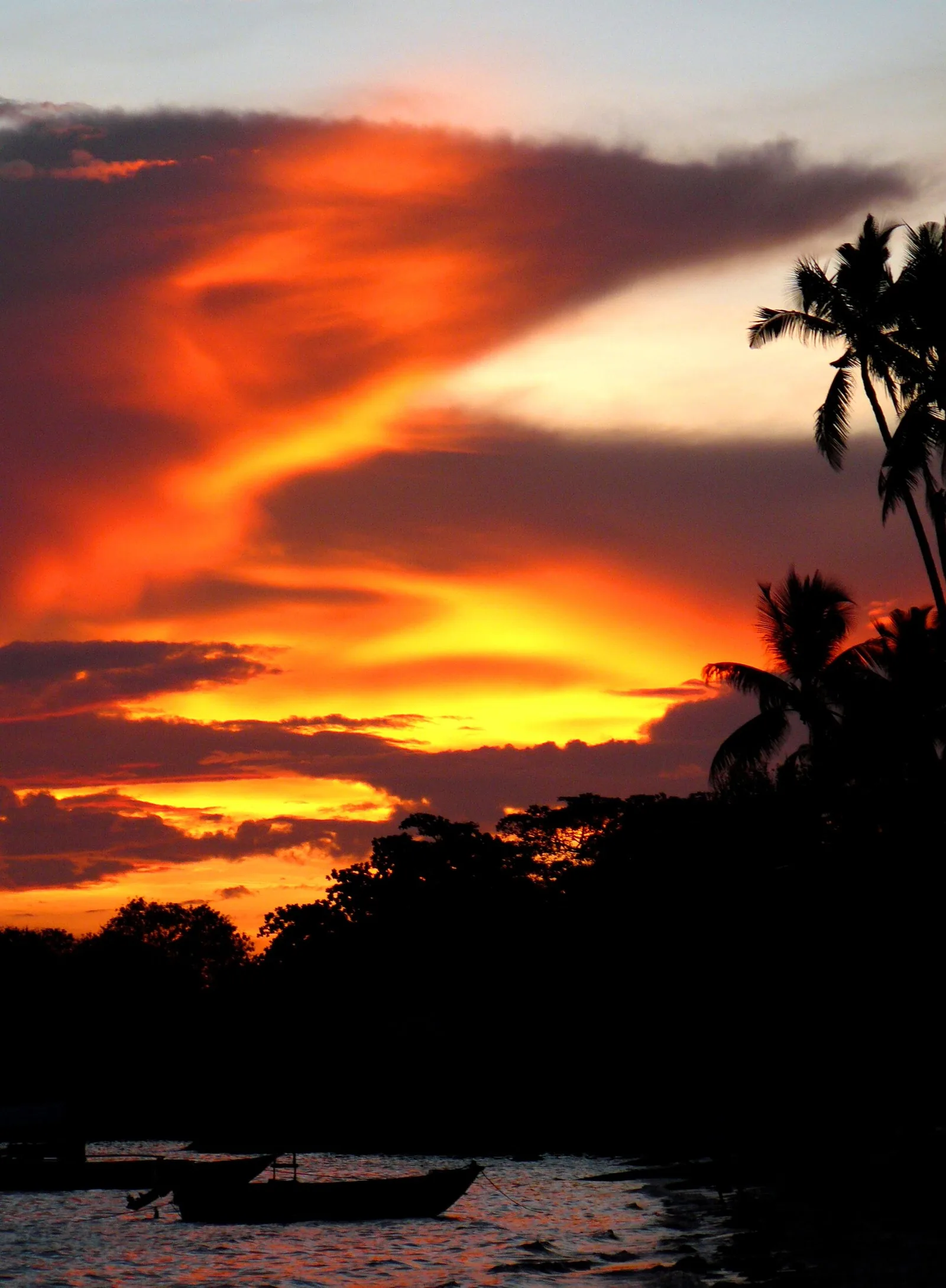
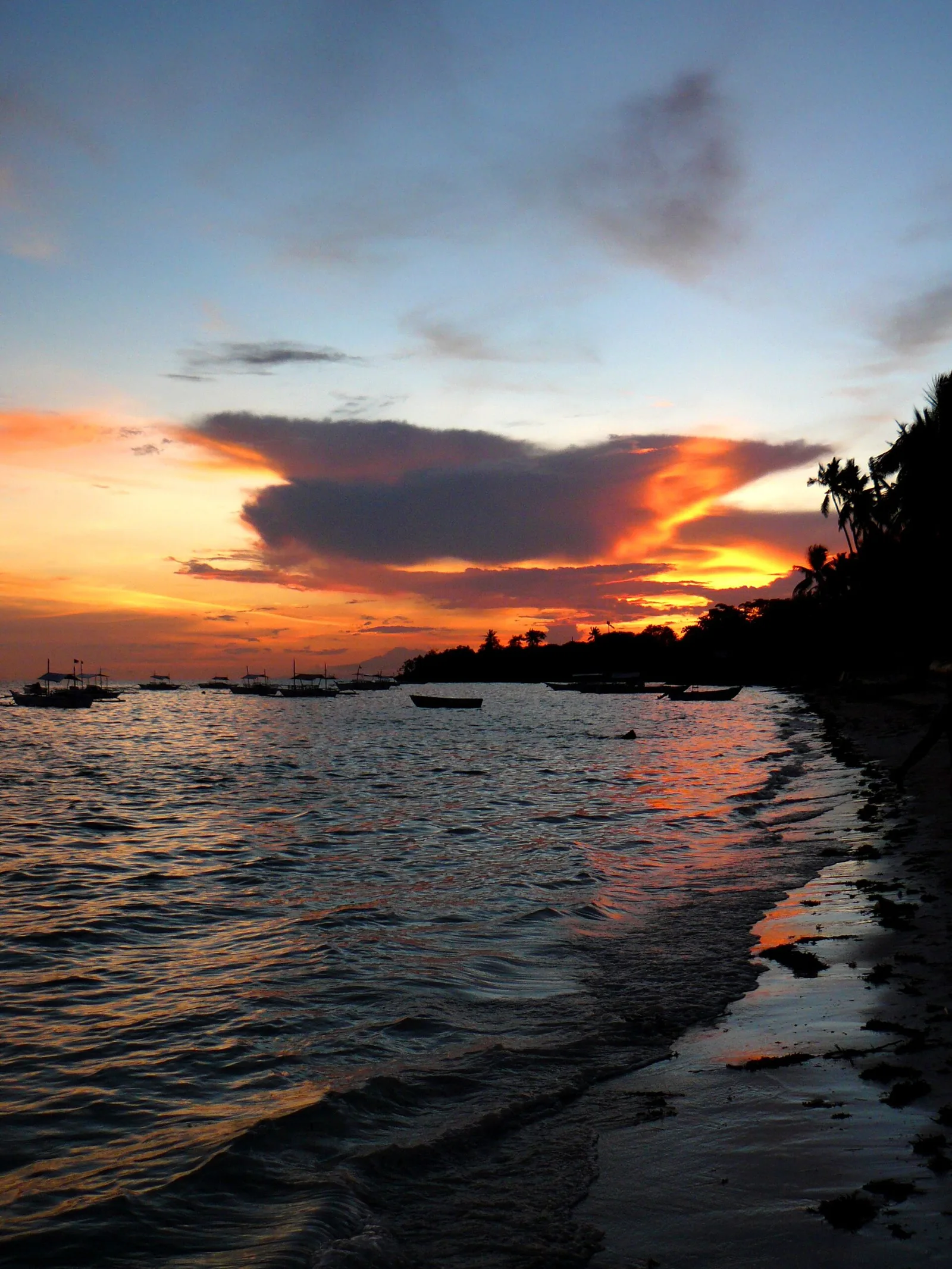
Photos: yeowatzup (CC BY 2.0) via Wikimedia Commons
Ready to book?
Book your Alona Beach trip now
Hotels, tours and transfers — compare live prices and book securely through trusted partners. Prices update daily.
Affiliate links — we earn a small commission at no extra cost to you. Prices shown are live from our partners.
🗓️ Best time to visit Alona Beach
November through May is the dry season and the best window for diving and snorkeling — visibility regularly exceeds 20 metres, seas are calm, and surface conditions are good for the boat crossings to Balicasag. December through February is the coolest and least crowded period outside of the Christmas–New Year week. March through April is peak Philippine domestic tourism season. June through October brings rain and rougher seas; diving is still possible but conditions vary more.
✈️ How to get to Alona Beach
Fly to Tagbilaran (TAG), Bohol's main airport, served daily from Manila (Cebu Pacific, Philippine Airlines, AirAsia) — about 1 hour 10 minutes, PHP 1,500–4,000 depending on timing. From Tagbilaran airport, take a tricycle to the Dao terminal (PHP 50–80) then a jeepney or multicab to Panglao or Alona Beach (PHP 30–50, 45 minutes). Alternatively, tricycle direct from the airport to Alona Beach costs PHP 300–400. Fast ferry from Cebu City (OceanJet, SuperCat) to Tagbilaran takes 2 hours (PHP 350–500). From Tagbilaran pier, transport to Alona Beach as above.
Plan your Alona Beach trip
Compare hotels and tours — booked through trusted partners. Use the planner on /plan to turn this guide into a full day-by-day itinerary.
🗓️ Use this guide in your plan
Build a Alona Beach trip directly. The planner combines it with real flights, stays and tours into one day-by-day itinerary.
✨ Open Trip PlannerOne of 215+ destinations covered. Explore more at /guides and /blog.
Frequently asked questions — Alona Beach
How crowded is Alona Beach?
Weekdays outside of Philippine holidays are manageable — the beach is active but not uncomfortable. Weekends and long weekends see a significant influx of Bohol day-trippers and domestic tourists from Tagbilaran and Cebu; the beach strip becomes busy and banca congestion at the pier can be frustrating. Holy Week (March/April) is the peak of peak season: almost every guesthouse is fully booked, prices spike, and the beach is at full capacity. Visit from Monday to Thursday if possible.
What is the best dive site near Alona Beach?
For most divers, Balicasag Island's Cathedral dive site is the standout — the wall, the sea fans, and the turtle population make it consistently excellent. Cervera Shoal (also called Cabu-an Rock) is a second pinnacle site 45 minutes from Alona with schooling hammerhead encounters in season (January–March). For macro diving, the Alona house reef itself has good variety. Most dive shops will recommend the right site based on current conditions and your certification level.
Can non-divers enjoy Alona Beach?
Absolutely. Snorkeling the house reef is a genuine experience, not a consolation prize — the water clarity and the sea turtle presence make it rewarding. The island-hopping day tour, the beach itself, the restaurants and bars, and the Bohol inland attractions (Chocolate Hills, Loboc River) are all accessible and enjoyable without scuba certification. The beach is no competition for Boracay in terms of swimming conditions (the reef makes swimming somewhat limited at low tide), but the setting and atmosphere make up for it.
How many days should I spend at Alona Beach?
Three nights is the sweet spot: two full dive days (or one dive day, one inland tour) and a relaxed arrival/departure day. Dedicated divers can fill 5–7 days with consecutive dive trips to different sites. Budget travellers doing one night and moving on will see the reef but miss the quieter morning mood that defines Alona at its best.
💬 Ask Locals about Alona Beach
No questions about Alona Beach yet — be the first to ask.
Ask the community →💡 Traveller tips for Alona Beach
Local-knowledge from other travellers. Got a tip? Share it.
Loading tips…
📝 Your notes & photos for Alona Beach
Loading…
First time in Alona Beach?
Quick essentials so you can hit the ground running.
Standard Philippines visa-free entry (30 days). No special permit for Panglao or the marine sanctuary.
ATMs in Tagbilaran City (BDO, BPI, Metrobank). Alona Beach has one BPI ATM that runs out frequently on weekends — withdraw in Tagbilaran or Panglao town. Most dive shops accept GCash. Bring PHP cash for beach bars, small guesthouses, and boat tours.
No malaria risk in Bohol. Dengue present — use repellent. Spiny sea urchins on the reef edge can cause puncture injuries — avoid entering the water barefoot on rocky sections. Jellyfish (occasional box jellyfish) appear November–February; ask dive staff about current jellyfish conditions. Motion sickness tablets for the Balicasag banca crossing.
Budget: PHP 1,500–2,500/day (guesthouse PHP 500–800, meals PHP 400–600, one dive PHP 1,200). Mid-range: PHP 3,000–5,000/day (dive resort PHP 1,500–2,500, restaurant meals PHP 600–900, two dives PHP 2,000). Island hopping tour PHP 1,000–1,500 per person.
The sea crossing to Balicasag can be rough in the June–October wet season — responsible banca operators will not run in unsafe conditions. Do not dive or snorkel alone. The beach strip has small thefts (bag snatching from beach chairs when unattended) — leave valuables in your guesthouse safe.
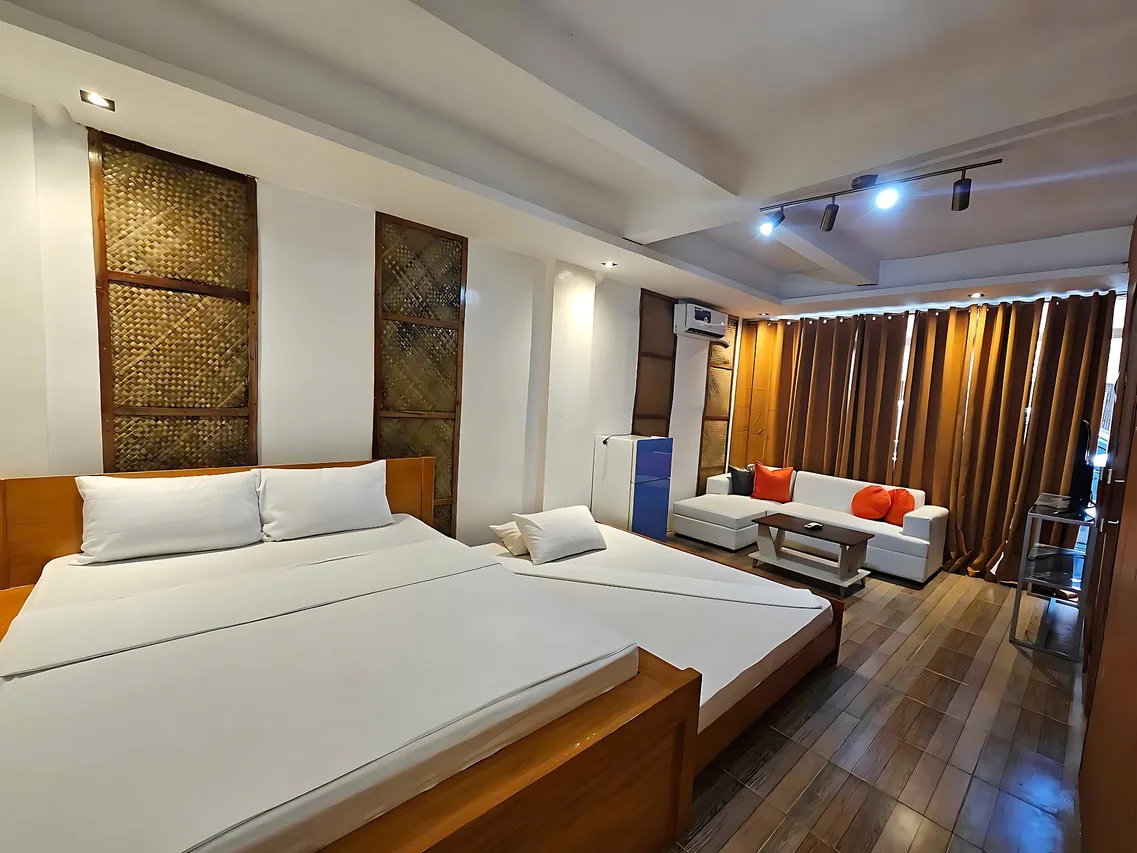
Local Stays in Alona Beach
Hand-picked homestays and guesthouses — book direct with local hosts. Add them to your trip plan.
Top Experiences in Alona Beach
Island hopping, diving, surfing and more — book instantly. Add them to your trip plan.
Bohol Chocolate Hills and Tarsiers Backpacker Day Tour
📍 Panglao, Philippines · Full day
From ₱1,900
Panglao Island Hopping Tour
📍 Panglao, Philippines · Full day
From ₱1,850

Bohol Premium Chocolate Hills, Tarsiers and River Experience
📍 Panglao, Philippines · Full day
From ₱6,500