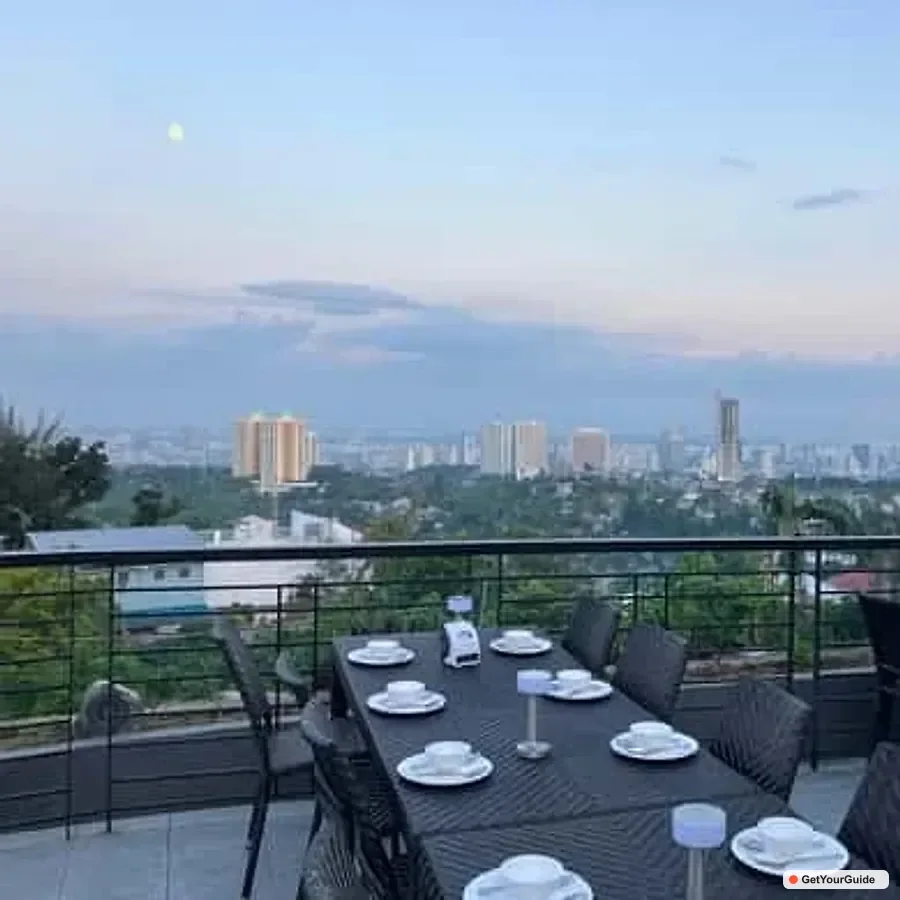
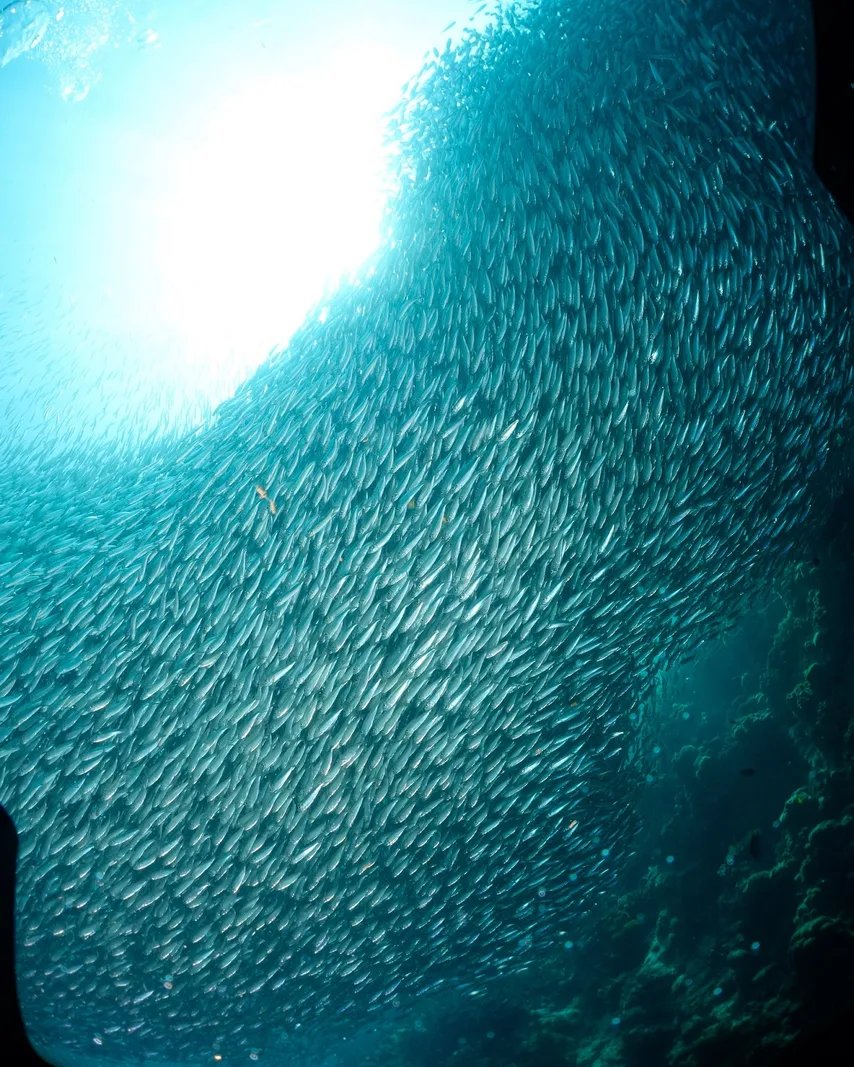
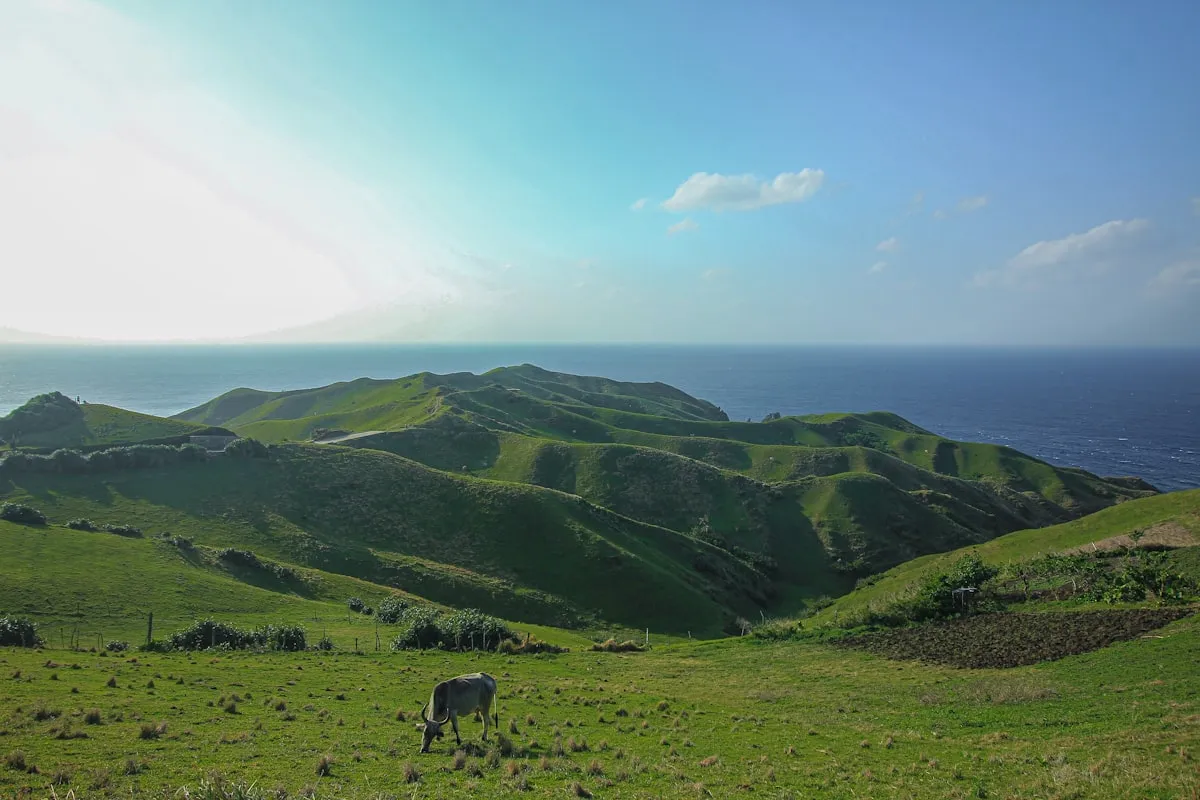
Manila gets a bad rap as a transit city — somewhere you pass through on the way to Palawan or Boracay but don't actually stop to enjoy. And for beaches, that reputation is broadly deserved. Metro Manila's own shoreline along Manila Bay is not swimmable. The nearest beach that is swimmable and worth the effort is at minimum 2 hours away. But "2 hours away" from one of Southeast Asia's most densely populated metropolises, it turns out, includes some extraordinary destinations that most international tourists completely miss because they're already on a plane to somewhere else.
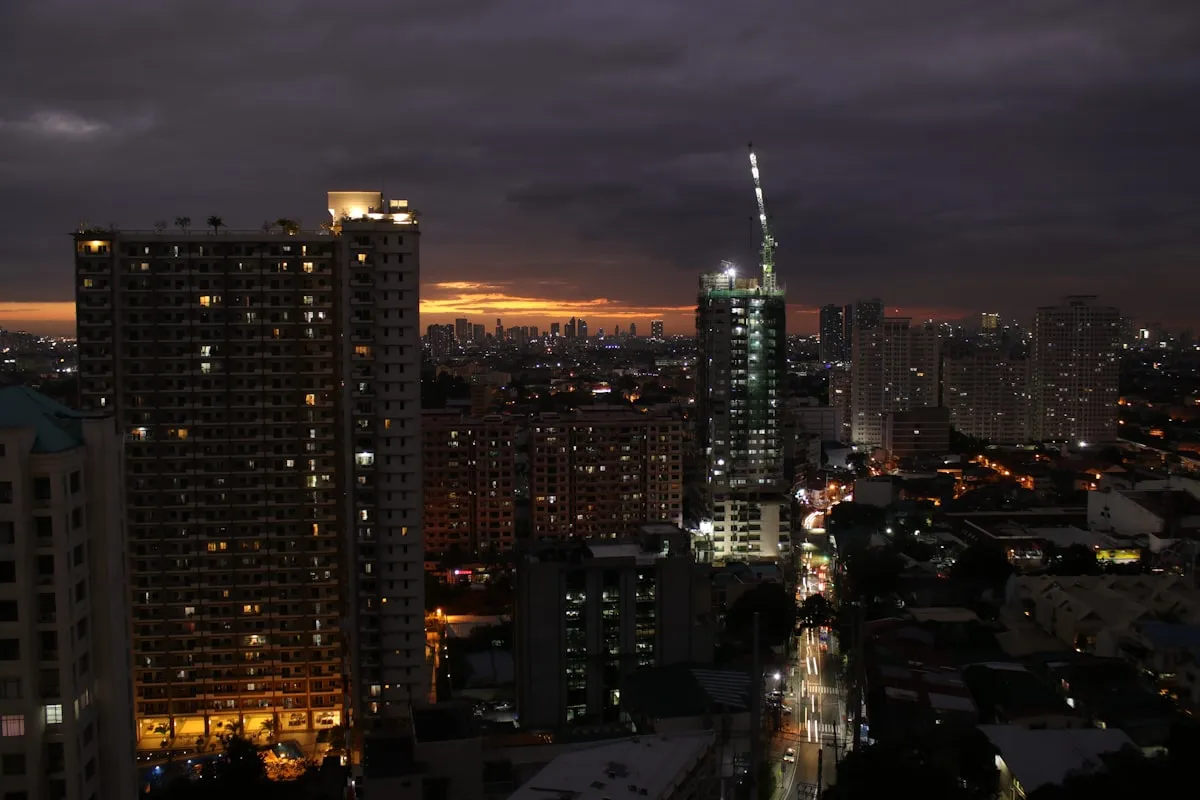
Best Day Trips from Manila: Zambales, Bataan & the Best Beaches Near the Capital
Trip.com
Search on Trip.comHotels in Manila
Compare live prices via Travelpayouts — targeted for this guide.
This guide covers the best day trips and weekend escapes reachable by bus, ferry, or car from Metro Manila — beaches, history, surfing, volcanic landscapes, and a night-time firefly forest, all within a 3-4 hour radius of the capital. Whether you have a single free day or a long weekend, there is something here worth your time.
Anawangin Cove, Zambales: Volcanic Sand and Camping Under Pines
Anawangin Cove sits on the coast of Zambales province, roughly 3.5 hours north of Manila, and is one of the most unusual beach landscapes in the Philippines. The sand is dark grey — volcanic material deposited by the 1991 eruption of Mount Pinatubo that killed hundreds and caused the largest volcanic eruption of the 20th century. Agoho trees (casuarina, resembling conifers) line the cove's interior, giving it an improbable pine-forest-meets-grey-beach character that looks nothing like the tropical postcard imagery associated with the Philippines.
Getting there requires a combination of bus and bangka. From Cubao or Sampaloc in Manila, take a bus to San Antonio (Victory Liner or Genesis, PHP 200–300, roughly 3 hours). From San Antonio take a tricycle to Pundaquit (PHP 30–50) and hire a bangka from Pundaquit beach to Anawangin Cove — the boat takes 30–40 minutes and costs approximately PHP 1,500–2,000 per boat (capacity 8–10 people, so split the cost if you have a group). The cove is a protected area under the DENR; an entrance/camping fee of approximately PHP 200 per person applies and is collected at a small ranger station.
Trip.com
See all tours in Manila on Trip.comSurfing lessons in Manila
Hand-picked experiences in Manila — book on Trip.com with instant confirmation.
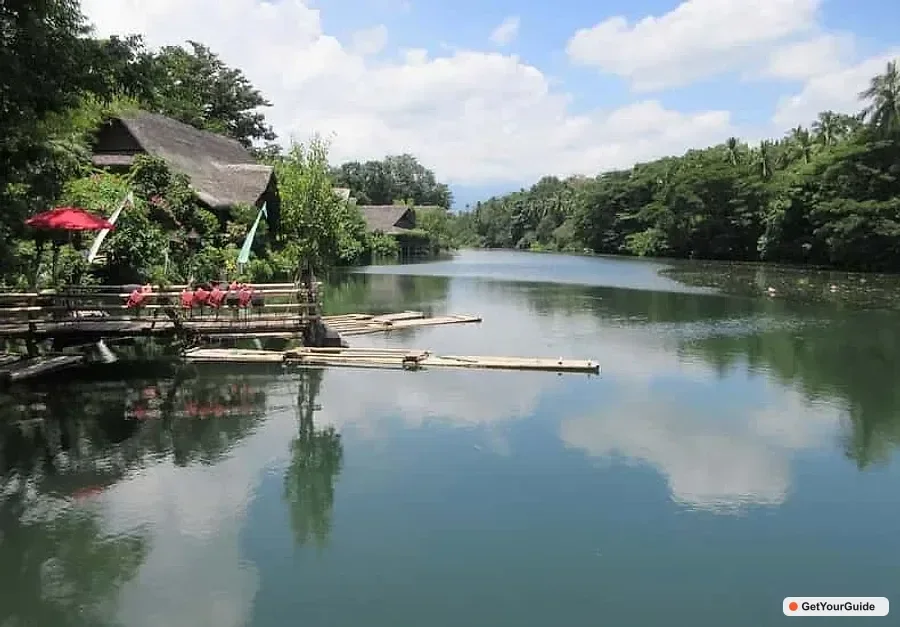
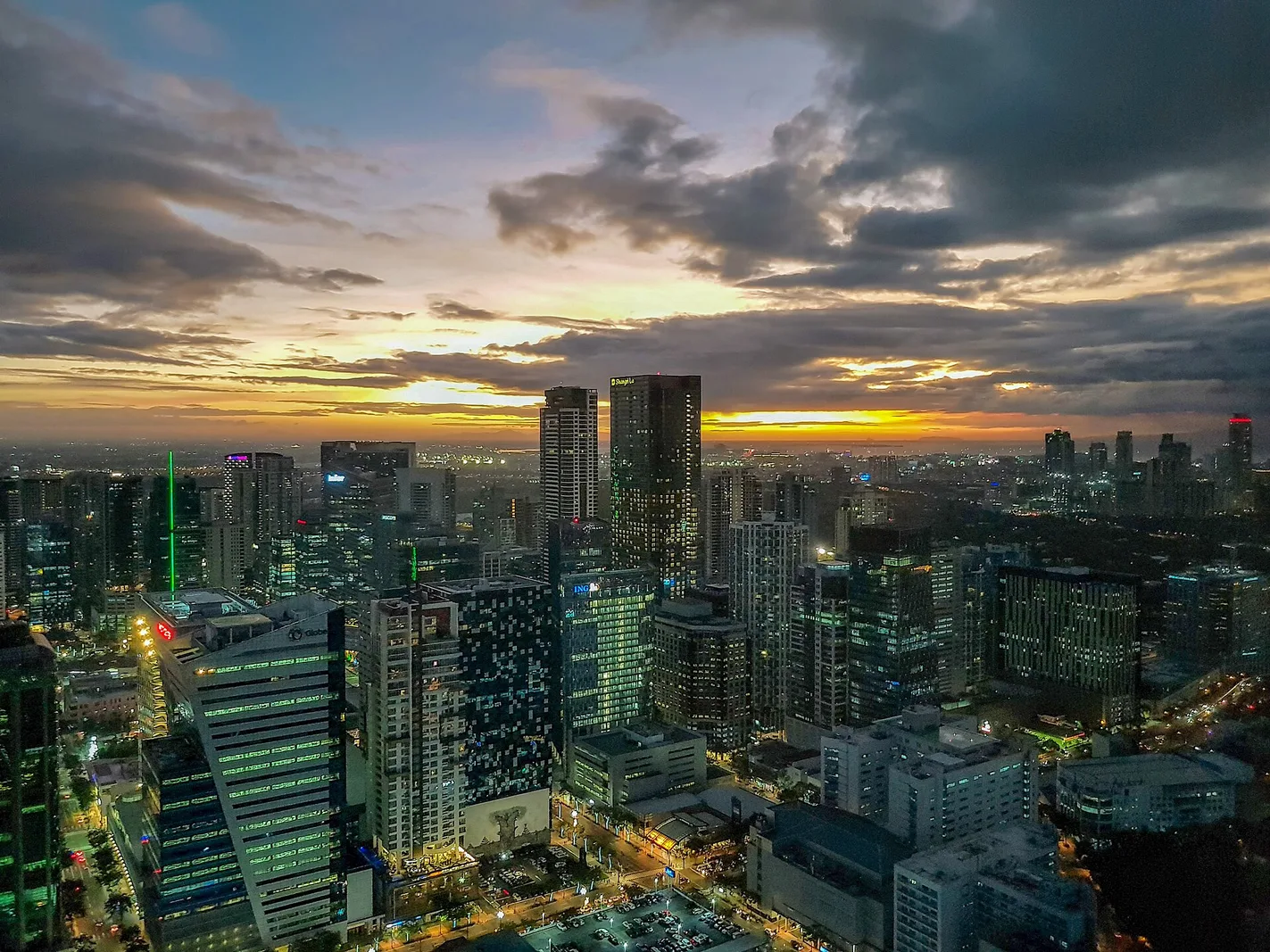

Camping is the intended experience at Anawangin. Tent and basic camping gear rental is available from boatmen in Pundaquit for PHP 300–600 per setup. Bring your own food, water (the cove has a fresh stream but treatment is recommended), and a sense of low-infrastructure adventure. The combination of the dark volcanic sand, the casuarina grove, and the complete absence of resort development makes Anawangin one of the most genuinely distinctive beach camping experiences available within a day trip of a major Southeast Asian city.
Nearby: Nagsasa Cove (similar volcanic grey-sand character, accessible by a slightly longer boat ride) and Camara Island (smaller, with clearer water for snorkelling) are often added to multi-cove boat tours from Pundaquit. A full Pundaquit tour covering all three coves costs roughly PHP 3,000–4,000 per boat and takes a full day.
Crystal Beach and the Subic Bay Area
Subic Bay, formerly the site of the US Navy's largest overseas base (closed in 1992 after the Pinatubo eruption made the base untenable and the Philippine Senate declined to renew the lease), is now a Freeport Zone with a well-maintained road network, duty-free shopping, and several beach resorts along the bay. It's a comfortable, easy, somewhat suburban beach escape — nothing wild or remote — that works well for families or those who want beach access without the rough-transport adventure of Anawangin.
Crystal Beach Resort in San Antonio, Zambales (separate from the Subic Bay Freeport) charges a day use fee of roughly PHP 150–200 per person and has a decent stretch of sand with clear enough water for swimming. Several other beach resorts along the Olongapo-to-San-Antonio coast operate on day use models at PHP 100–300 per person. The Subic Bay Freeport itself has Camayan Beach Resort, a well-maintained facility at PHP 300–500 per person day use, with water sports available.
From Manila, Subic and Olongapo City are served by Victory Liner buses from Cubao EDSA (PHP 200–280, roughly 2.5–3 hours). A private car or van from Manila cuts the journey to around 2 hours on a good traffic day via NLEX-SCTEX.
Bataan Peninsula: WWII History and the Death March Trail
The Bataan Peninsula, across Manila Bay from Metro Manila, is one of the most historically significant destinations in the Philippines and one of the least visited by international tourists. In January–April 1942, Filipino and American forces fought a desperate rearguard action on the Bataan Peninsula against the Japanese advance — outnumbered, undersupplied, and ultimately overwhelmed. The fall of Bataan on April 9, 1942, led to the Bataan Death March: the forced 100-kilometre transfer of 60,000–80,000 Filipino and American prisoners of war under brutal conditions, during which between 2,500 and 10,000 prisoners died from exhaustion, disease, heat, and deliberate violence.
The easiest way to reach Bataan from Manila is by ferry from the CCP Complex pier (Cultural Center of the Philippines) in Pasay City. MBCL/Starlite Ferry operates the Manila-to-Orion route (roughly 3–4 hours, PHP 350–500), which puts you at the eastern shore of the Bataan Peninsula. Alternatively, buses from Cubao (Victory Liner) serve Balanga City (the provincial capital) in approximately 3.5–4 hours via the NLEX and the Olongapo-Gapan road.
The Mt. Samat National Shrine (also called the Dambana ng Kagitingan, Shrine of Valor) is the centrepiece of Bataan tourism: a 92-metre cross monument on the summit of Mt. Samat, erected to honour the defenders of Bataan, with a museum at the base detailing the defence of Bataan and the Death March. Entry is free. A cable car ascends the cross for a panoramic view over the peninsula and Manila Bay (PHP 50 roundtrip). The museum is genuinely excellent — well-curated, bilingual, and emotionally affecting without being exploitative.
The Bataan Death March historic trail is commemorated annually on April 9 (Araw ng Kagitingan, Day of Valour), a Philippine national holiday, when veterans, descendants, and runners complete a portion of the route. The provincial tourism office in Balanga can provide maps of the commemorative trail and connect visitors with licensed guides.
Corregidor Island: WWII Ruins, Fireflies, and the Last Stand
Corregidor Island sits at the mouth of Manila Bay, 51 kilometres west of Manila, and is one of the most historically atmospheric destinations accessible from the capital. The island served as the last American and Filipino stronghold after the fall of Bataan — MacArthur famously evacuated from Corregidor by PT boat on March 11, 1942, before it too fell to Japanese forces in May 1942. The tunnel network, gun emplacements, ruins, and memorials left by a battle that ended over 80 years ago remain largely intact across the island's surface, weathered by tropical growth into something that feels both monumental and strangely peaceful.
The Sun Cruises ferry departs from the CCP Complex pier in Pasay daily at 7:30 AM (approximately) and takes roughly 1.5 hours to reach Corregidor. The all-inclusive day tour package — ferry, island bus tour, Filipino lunch, entrance fees, and guide — costs approximately PHP 1,500–2,200 per person depending on package and season. Book through Sun Cruises online or at their CCP pier office; advance booking is strongly recommended on weekends and Philippine holidays.
The highlight beyond the ruins is the firefly colony in the mangrove forest on the western shore of the island. Sun Cruises offers overnight packages that include the evening firefly river cruise by bangka — tens of thousands of synchronised fireflies lighting the mangroves in pulses of bioluminescence. This is genuinely one of the most extraordinary natural experiences available near Manila, and it is almost completely unknown outside the Philippine domestic travel community. The overnight package (including accommodation in Corregidor's small hotel, dinner, and the firefly tour) runs PHP 3,500–5,000 per person.
La Union: Surfing Capital and Beach Town
San Juan, La Union, is the surfing capital of northern Luzon and the nearest genuine surf break to Manila — roughly 5 hours north of the capital by bus from Cubao (Farinas, Partas, or Dominion Bus Lines, PHP 450–600). The beach at San Juan is not the prettiest in the Philippines — it's a grey-sand, moderate-wave beach that functions as a surf training ground rather than a postcard destination — but the surf community here is warm, the Elyu (La Union) food and cafe scene has become genuinely good over the past decade, and the overall vibe of the town is relaxed in the way that surf towns everywhere tend to be.
Surf lessons are available from numerous schools along the San Juan beachfront for PHP 600–900 per hour including board and instructor. The waves are consistent, moderate, and well-suited to beginners and intermediate surfers — not the heavy, fast barrels of Siargao's Cloud 9, but more forgiving and accessible. Board rental without instruction runs PHP 200–350 per hour. Several surf camps offer multi-day packages including accommodation and daily lessons from PHP 3,000–5,000 per person for 3 days.
La Union is technically a long day trip from Manila (the 5-hour each-way journey makes for a brutal schedule), but it works much better as a Friday evening departure for a 2-night weekend: Friday overnight bus, Saturday and Sunday surfing, Sunday evening bus back to Manila. Many Manila-based office workers do exactly this on monthly rotation.
Tagaytay: Cool Air, Taal Volcano View, and Bulalo Lunch
Tagaytay is perhaps the most popular day trip from Manila — 1.5 hours south via SLEX and the Aguinaldo Highway — and for good reason. Sitting on a ridge at roughly 700 metres above sea level, it offers genuinely cool temperatures (22–26°C versus Manila's 32–35°C), panoramic views over Taal Lake and the Taal Volcano island within it (one of the world's smallest active volcanoes, sitting within a lake, sitting within a larger ancient volcanic caldera — a geological matryoshka doll), and a concentration of casual restaurants serving bulalo, the Batangas-style beef bone marrow soup that is one of the great comfort dishes of Philippine cuisine.
Bulalo lunch at a ridge-view restaurant in Tagaytay, looking out at Taal Volcano while the cool breeze comes off the lake, runs PHP 280–400 for a generous individual bowl. The People's Park in the Sky (the ruins of an unfinished presidential mansion by Ferdinand Marcos, now a viewpoint) charges PHP 30 entry and gives the best 360-degree view of the surrounding landscape. Picnic Grove is another popular viewpoint with horse rides and ziplining (PHP 300–500 for activities).
Note: Taal Volcano erupted in January 2020, causing significant ashfall across Tagaytay and forcing evacuation of areas around the lake. As of the time of writing the volcano remains on elevated alert; boat trips to the volcano island are restricted or prohibited depending on current alert level. Check PHIVOLCS (Philippine Institute of Volcanology and Seismology) status before planning any lake activity. The Tagaytay ridge itself is safe for visiting during all but the most active eruption phases.
Laguna Hot Springs: Closest Spa Day from Manila
The towns of Calamba and Los Banos in Laguna province, roughly 1 to 1.5 hours south of Manila via SLEX, are home to dozens of resort complexes built around natural hot spring water from the geothermal activity beneath Mt. Makiling. The concept is distinctly Filipino: family resort swimming pool complexes where the pools are filled with mineral hot spring water, surrounded by BBQ areas, videoke rooms, and buffet restaurants. It is not a traditional spa experience in the European sense — it is louder, more social, and more fun.
Day use fees at Laguna hot spring resorts range from PHP 150 for basic public pools to PHP 500–800 for private cottage packages with dedicated pool. Notable options include Pansol (Calamba), which has the highest concentration of resorts and the widest price range, and Los Banos town proper, where several resort pools are fed directly from higher-temperature springs. From Manila, direct buses to Los Banos or Calamba depart from Buendia EDSA (JAM Transit, GL Transit) for approximately PHP 80–120. This is one of the genuinely budget-friendly half-day escapes from the capital — under PHP 500 per person all in for transport and resort entry.
Planning Your Manila Day Trip
A few principles that apply across all of these destinations:
Leave early: EDSA and SLEX traffic is catastrophic on Friday evenings and Sunday evenings. For weekend trips, leaving Manila by 6 AM (or Thursday night) makes a significant difference. Return on Sunday by 3 PM or accept a 2–3 hour traffic delay.
Book transport ahead for Corregidor and Puerto Galera: Ferries have fixed departures and sell out on peak weekends. Book online at least a week in advance for holiday weekends.
Bring cash: Most of these destinations are cash-only for tricycles, bangkas, entrance fees, and food stalls. BancNet ATMs in provincial towns run out of cash on weekends. Withdraw from Manila before departing.
Check weather: The Zambales coast (Anawangin, Subic) and Bataan are well-sheltered from the northeast monsoon but exposed to the southwest monsoon. The June–October period brings rougher conditions for Anawangin bangka trips; always confirm with boatmen in Pundaquit before committing to the cove crossing.
Frequently Asked Questions
What is the closest beach to Manila?
The closest swimmable beach to Metro Manila is Batangas City and the Batangas coast, roughly 2–2.5 hours by bus via SLEX. Laiya Beach in San Juan, Batangas, has white sand and clear water and is a popular weekend option at PHP 150–300 day use. Anilao in Mabini, Batangas (the same province) is the premier diving destination closest to Manila — the waters around Anilao have exceptional reef diversity and are popular with underwater photographers. Further along the coast, Puerto Galera in Mindoro (4 hours via Batangas ferry) is the gold standard for combined beach and diving quality nearest to the capital.
Can you visit Corregidor Island without booking a tour?
No, practically speaking. The ferry to Corregidor is operated exclusively by Sun Cruises as part of their tour packages, and independent access to the island is not available to casual visitors. The all-in Sun Cruises package (PHP 1,500–2,200) includes the ferry, island bus tour, guide, and lunch — it is comprehensively organized and good value for what is included. Book directly through the Sun Cruises website or at their CCP pier office; third-party agents charge the same price.
Is La Union worth the 5-hour bus ride from Manila?
For a single day trip, no — the travel time consumes too much of the day. For a 2-night weekend Friday evening to Sunday, yes, comfortably. The overnight bus from Cubao to San Antonio, La Union on Friday leaves around 9–10 PM and arrives by 2–3 AM; sleep on the bus, arrive early, surf through Saturday and Sunday, catch the Sunday evening bus back. The La Union surf and food scene has genuinely improved over the past five years — the quality of the town justifies the travel time for a proper weekend rather than a rushed day.
What is Anawangin Cove like compared to regular Philippine beaches?
Very different. The volcanic grey sand, casuarinas, and absence of any resort or restaurant infrastructure make it feel like a different country from the white-sand resort beaches of Boracay or El Nido. The appeal is specifically the rawness of it — camping under pine-like trees on dark sand with a freshwater stream at your back and the South China Sea in front of you, with no electricity and no other tourists in the dark. People who love it absolutely love it; people who were expecting a conventional beach experience are sometimes disappointed. Know which you are before making the journey.
How do you get from Manila to Bataan without a car?
Two options: by bus from Cubao (Victory Liner to Balanga City, roughly 3.5 hours, PHP 200–280), or by ferry from the CCP Complex pier in Pasay to Orion, Bataan (roughly 3 hours, PHP 350–500). The ferry option is often more comfortable and avoids road traffic; check the MBCL/Starlite Ferry schedule as it changes seasonally and does not run daily year-round. Once in Balanga City, tricycles and jeepneys serve the provincial sites; hiring a multicab or jeepney for the Mt. Samat circuit costs around PHP 800–1,200 for a group of up to 8 people.

PANA.PH Editorial Team
Philippines travel desk
The PANA.PH travel desk researches, books and re-checks Philippines travel logistics — fares, ferry schedules, government fees and permit rules — and publishes what it can verify.
🏡 Real local stays (book direct)
Hand-picked homestays and guesthouses — book direct, no markup.
Browse all local stays →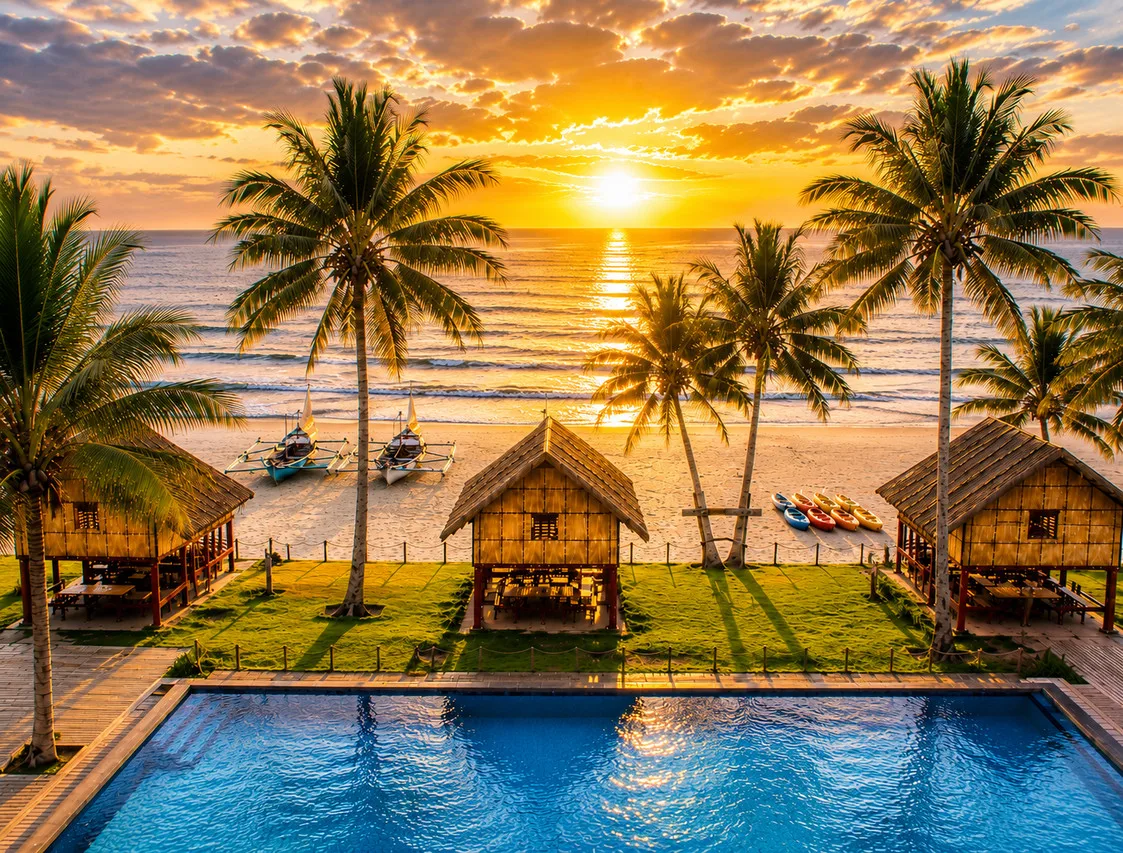
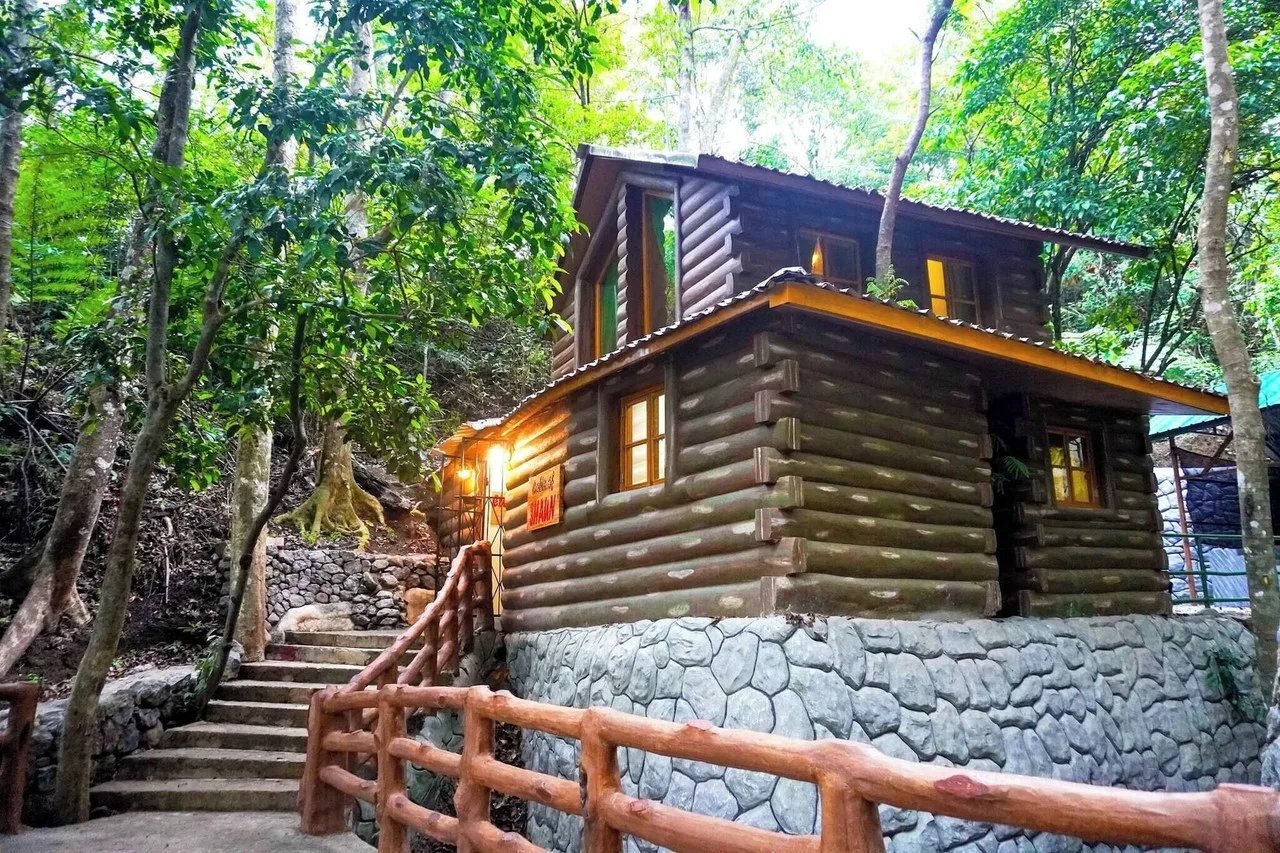
🌊 Popular activities (book instantly)
Island hopping, canyoneering, whale sharks — real Klook/GetYourGuide options.
View all activities →