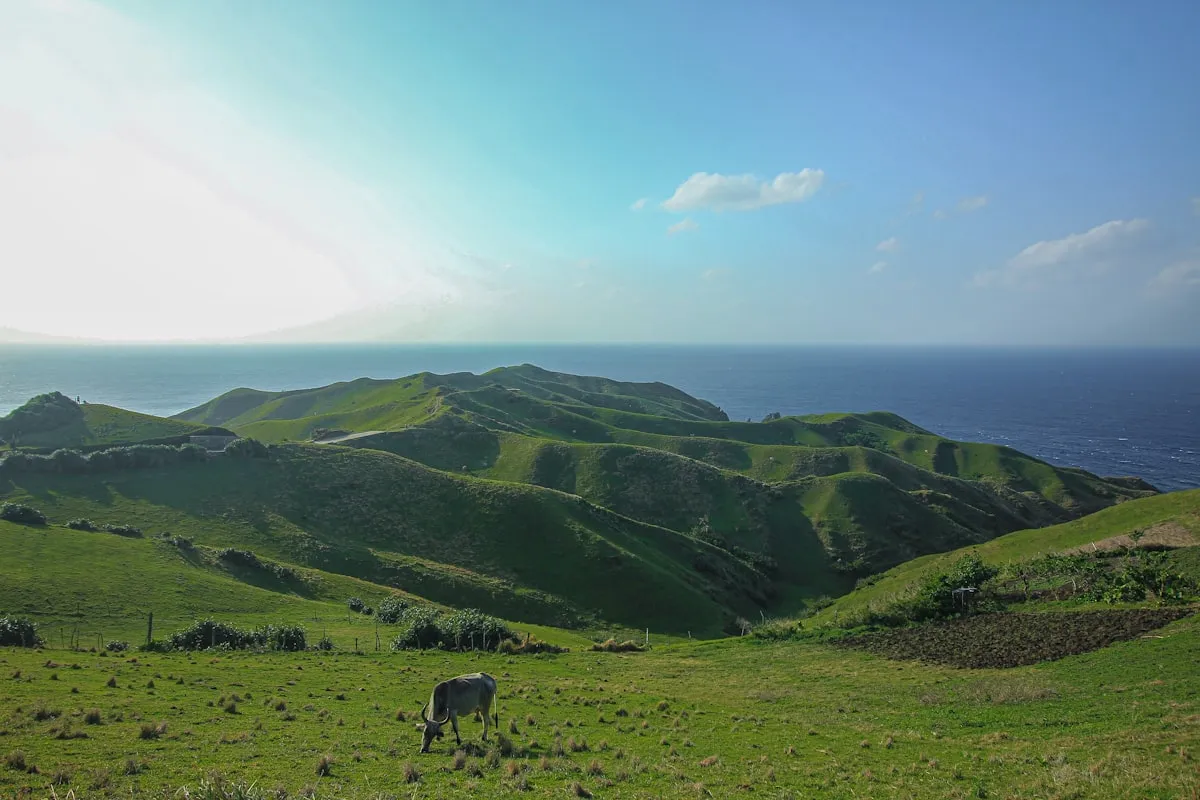
Deep in the middle of the Sulu Sea, a full day's sail from the nearest land, lies the most pristine coral reef in the Philippines and one of the finest in the world: Tubbataha Reefs Natural Park, a UNESCO World Heritage Site. There are no resorts, no day trips, and no shore - the only way to dive Tubbataha is by liveaboard, a multi-day dive boat that becomes your hotel, restaurant and dive platform. And because of weather, the park is only open for a few months each year. This is genuinely bucket-list diving: walls dropping into the blue, schooling jacks and barracuda, grey reef sharks on every dive, manta rays, turtles and untouched hard coral. Here is exactly how it works, when to go, and what it costs in 2026.
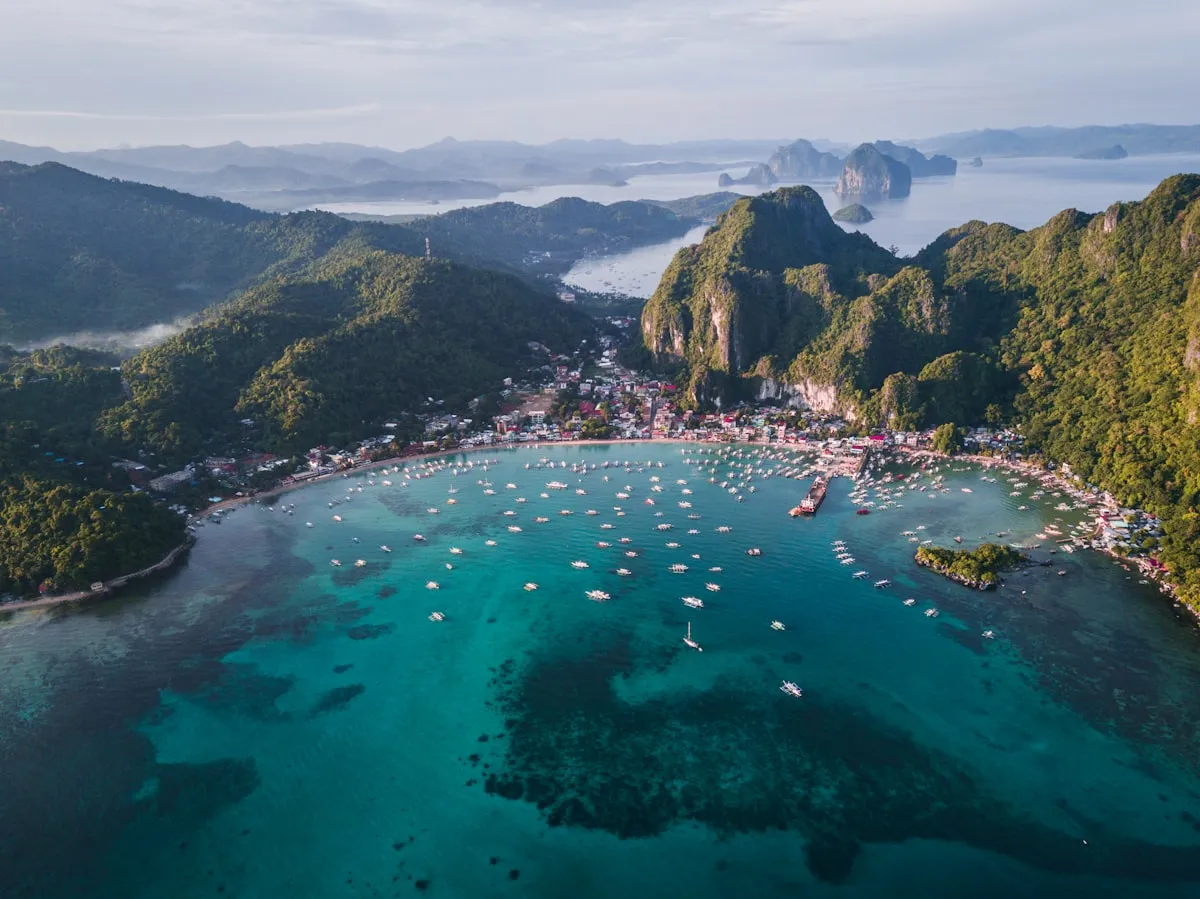
Tubbataha Reef Liveaboard Diving: Season, Boats & Cost
Diving & adventure#Tubbataha Reef#liveaboard Philippines#Philippines diving#Tubbataha season#Sulu Sea diving
Trip.com
Search on Trip.comHotels in Philippines
Compare live prices via Travelpayouts — targeted for this guide.
Why Tubbataha Is So Special
Tubbataha sits roughly 150 kilometres southeast of Puerto Princesa, Palawan, in open ocean. Its isolation is the whole point: with no coastal development, no runoff and strict ranger-enforced protection, the reefs are about as healthy as coral gets anywhere on the planet. Expect sheer walls plunging past 100 metres, vast schools of jackfish and barracuda, reliable grey reef and white-tip sharks, frequent manta and eagle ray sightings, and - if you are lucky - whale sharks and hammerheads. Visibility regularly exceeds 30 metres. It is consistently ranked among the top dive destinations on earth.
The Tubbataha Diving Season
This is the single most important thing to know: Tubbataha is only open from mid-March to mid-June. Outside this window the Sulu Sea is too rough and the park closes entirely. The calm-water season is short and trips sell out a year or more in advance, so this is not a destination you can decide on at the last minute. Peak conditions (calmest seas, best visibility) are typically April and May.
How a Liveaboard Trip Works
Trips depart from Puerto Princesa on Palawan. A typical itinerary is six or seven days, with the first afternoon and evening spent sailing roughly 10 hours out to the reef, then three to four full days of diving (often three to four dives daily, including dawn and dusk dives), and a final sail back. You sleep in cabins aboard, eat all meals on board, and dive from tenders launched off the main boat. Because Tubbataha sites involve walls, current and depth, operators require a minimum experience level - usually Advanced Open Water plus a logged number of dives (often 30 to 50+), and nitrox certification is strongly recommended.
Trip.com
See all tours in Philippines on Trip.comDiving in Philippines
Hand-picked experiences in Philippines — book on Trip.com with instant confirmation.
What It Costs in 2026
Liveaboards are high-ticket trips. Expect the following ballpark for a six-to-seven-day Tubbataha trip:
- Standard / budget liveaboard cabin: roughly USD 2,200 to 3,200 per person (around PHP 125,000 to 180,000).
- Premium / luxury vessels: USD 3,500 to 5,000+ per person.
- Tubbataha park conservation fee: a mandatory fee of around USD 100 to 150, usually added on top.
- Nitrox, gear rental and crew tips: budget an extra USD 150 to 400.
The price includes cabin, all meals, guided dives, tanks and weights. Flights to Puerto Princesa, pre- and post-trip hotel nights, alcohol and gratuities are extra. Book your domestic flight into Puerto Princesa (PPS) well ahead on our flights page, and reserve a hotel night or two before departure - browse where to stay in Puerto Princesa.
How to Choose a Liveaboard
Several boats operate the Tubbataha season, ranging from comfortable mid-range vessels to high-end yachts. Key things to compare: cabin configuration (private bathroom vs shared), number of guests versus crew, dive guide ratios, whether nitrox is included, and the dive deck setup. Because the season is so short and trips book out far ahead, reserve as early as you can. You can review dive trips and operators on our activities page.
Who Should (and Should Not) Go
Tubbataha rewards experienced divers comfortable with walls, blue water and current. It is not the place to learn - if you are newly certified, build experience first at Moalboal, Anilao or Puerto Galera, then come back. Non-divers will find little to do on a Tubbataha boat, so it is strictly a diver's trip. For those who qualify, it is frequently described as the best diving of their lives.
The Three Atolls of Tubbataha
Tubbataha is not a single reef but a marine park made of two atolls plus a smaller reef. North Atoll and South Atoll offer the bulk of the diving, with famous sites like the steep walls and the lighthouse-marked sandbars. The Jessie Beazley Reef, a smaller emergent reef to the north, is often the first or last dive of a trip and is known for big schools and shark action. Each site is a wall or slope dropping into deep blue, so dives typically follow the reef with the wall on one shoulder, watching the blue for passing pelagics. The park rangers stationed on a small station enforce strict rules - no fishing, no anchoring, no gloves, no gear that touches the reef - which is exactly why it remains so pristine after decades.
What Marine Life You Will Actually See
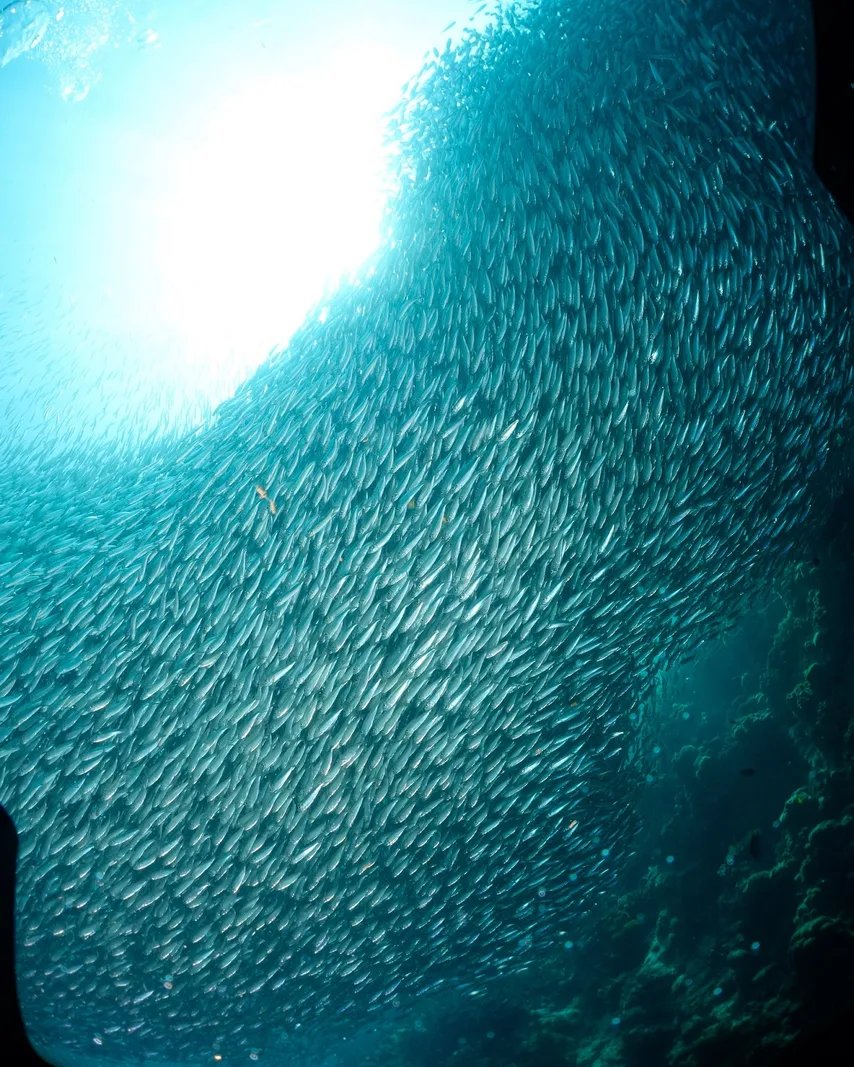
Expectations matter, so here is the realistic roster. Sharks are a near-certainty - grey reef and whitetip reef sharks patrol almost every dive, often in numbers. Schooling fish are the signature spectacle: tornadoes of jackfish and barracuda, walls of snapper and surgeonfish. Turtles (green and hawksbill) are abundant. Mantas and eagle rays cruise the cleaning stations and channels. Lucky divers in the right week see whale sharks, tiger sharks, and scalloped hammerheads in the blue. The hard and soft coral cover is among the healthiest you will ever witness, blanketing the walls with colour. It is a complete, top-of-the-food-chain ecosystem functioning as nature intended.
Booking, Timing and Pre-Trip Logistics
Because the season is so short and demand so high, the planning timeline is unusual: serious divers book a year or more in advance, and cabins on popular boats can sell out almost as soon as the schedule opens. Decide early, get your deposit down, and confirm the operator's experience requirements before committing. Plan to arrive in Puerto Princesa at least a day before departure - flights into Palawan can be disrupted by weather, and you do not want to miss the boat (literally). Use that buffer day to assemble gear, complete any required check dive, and rest. Pack spares of critical kit (mask, computer batteries, save-a-dive kit) because there are no dive shops mid-ocean. Arrange your flights early on our flights page and a pre-trip hotel night via our stays page.
How to Prepare and Get the Most From the Trip
If Tubbataha is on your list but you are not yet at the experience level, treat the year before as a training build-up: log dives in current at places like Coron, Anilao or Puerto Galera, get your nitrox certification, and dial in your buoyancy and air consumption so you can make the most of every minute on the wall. Bring your own well-serviced regulator and a reliable dive computer, and consider a longer 7-night trip over a shorter one, since the extra days mean more dives at the best sites and a better chance of the rare pelagic encounters. Pack motion-sickness remedies for the open-ocean crossing, and respect the surface intervals and dive profiles your guides set - this is remote diving and a chamber is a long way away. Go in with realistic expectations and an open-water mindset, and Tubbataha will likely be the trip you measure all other diving against. Read more Philippine dive guides on our blog to plan your build-up trips. The bottom line: Tubbataha is a serious, high-ticket, once-in-a-lifetime expedition that demands experience, advance planning and a healthy budget - but for divers who meet the bar, the reward is a glimpse of a tropical ocean as it was meant to be, teeming, fearless and utterly pristine, far from any shore. Few dive experiences anywhere on earth compare, which is exactly why those calm spring months fill up so far ahead.
Frequently Asked Questions
When is Tubbataha open for diving?
Tubbataha is only open from approximately mid-March to mid-June each year. The rest of the year the Sulu Sea is too rough and the marine park is closed. April and May usually offer the calmest seas and best visibility.
Can you dive Tubbataha on a day trip?
No. Tubbataha is about 150 kilometres offshore with no land or facilities. The only way to dive it is on a multi-day liveaboard departing from Puerto Princesa, Palawan, typically a six-to-seven-day trip.
How much does a Tubbataha liveaboard cost?
Expect roughly USD 2,200 to 3,200 per person for a standard cabin on a six-to-seven-day trip, and USD 3,500 to 5,000 or more on luxury vessels, plus a mandatory park conservation fee of around USD 100 to 150.
What diving experience do I need for Tubbataha?
Most operators require Advanced Open Water certification plus a logged number of dives (often 30 to 50 or more) because of the walls, depth and current. Nitrox certification is strongly recommended for the repeated multi-dive days.
How do I get to the Tubbataha liveaboard?
All trips depart from Puerto Princesa on Palawan, so fly into Puerto Princesa airport (PPS) and plan a hotel night before departure. The boat then sails about 10 hours overnight to reach the reef.

PANA.PH Editorial Team
Philippines travel desk
The PANA.PH travel desk researches, books and re-checks Philippines travel logistics — fares, ferry schedules, government fees and permit rules — and publishes what it can verify.
🏡 Real local stays (book direct)
Hand-picked homestays and guesthouses — book direct, no markup.
Browse all local stays →
🌊 Popular activities (book instantly)
Island hopping, canyoneering, whale sharks — real Klook/GetYourGuide options.
View all activities →