Tubbataha Reef: Diving the Philippines Most Remote UNESCO World Heritage Site
Deep in the Sulu Sea, roughly 150 kilometres southeast of Puerto Princesa, Palawan, lies one of the most extraordinary marine ecosystems on the planet. Tubbataha Reef National Park has been a UNESCO World Heritage Site since 1993 and stands as the Philippines greatest gift to the diving world. This remote atoll, accessible only by liveaboard, is where grey reef sharks patrol crystal-clear walls, hammerheads cruise in open blue water, and vast coral gardens grow undisturbed by mass tourism.
If you have ever dreamed of diving a truly pristine reef, Tubbataha is your destination. This guide covers everything you need to know: the best dive sites, when to go, how to get there, what marine life to expect, and how to book your liveaboard.
Why Tubbataha Reef Is Special
Tubbataha is not just another Philippine reef. It is a world-class dive destination by any standard. The park covers 97,030 hectares of open ocean and includes two atolls, the North Atoll and the South Atoll, plus the Jessie Beazley Reef. Together they form one of the most biodiverse marine areas in the Coral Triangle, which scientists recognise as the global centre of marine biodiversity.
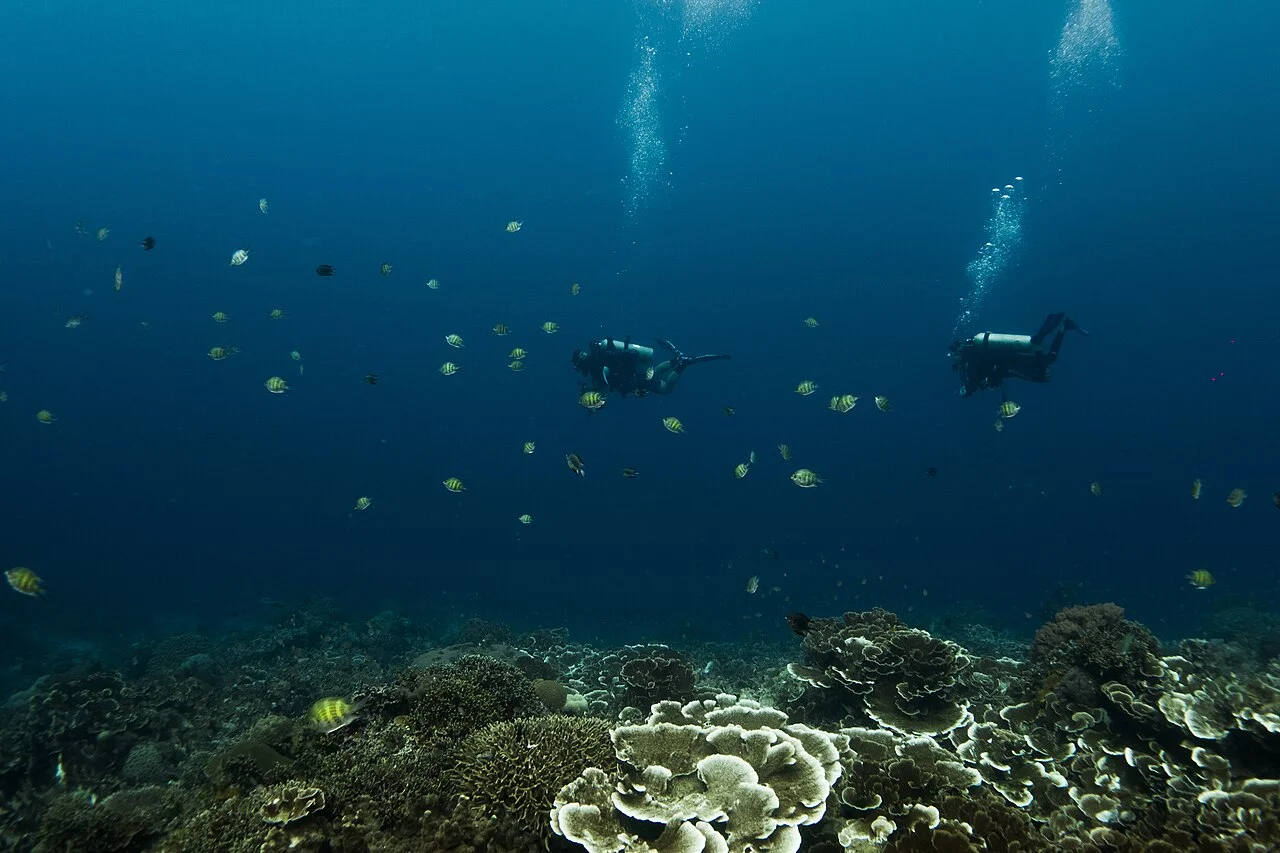
Numbers tell part of the story: over 600 fish species, 360 coral species, 11 shark species, 13 ray species, and nesting grounds for hawksbill and green sea turtles. But statistics cannot capture the feeling of dropping below the surface into 30-metre visibility water, surrounded by schooling jacks, with a reef wall that plunges hundreds of metres into the abyss.
Because access is strictly controlled and only licensed liveaboard vessels may enter, the reef has recovered to near-pristine condition. This is what Philippine reefs looked like before dynamite fishing and coastal development. Tubbataha is a living museum of what the ocean can be.
Best Dive Sites at Tubbataha
Amos Rock
Located on the North Atoll, Amos Rock is arguably the most thrilling dive at Tubbataha. A submerged pinnacle that rises from 30 metres to just below the surface, it concentrates marine life like a magnet. Grey reef sharks cruise the upper section in groups, while whitetip reef sharks rest on sandy ledges below. Schools of barracuda, bigeye trevally, and surgeonfish create a living curtain around the rock. Strong currents sweep in nutrients, which is exactly why the big pelagics gather here.
Washing Machine
Named for the swirling, turbulent currents that define the dive, Washing Machine is not for the faint-hearted but it rewards brave divers spectacularly. The current carries you along a dramatic wall covered in massive sea fans and gorgonians. Manta rays use these currents to feed, and eagle rays glide past with balletic grace. When conditions align perfectly, hammerhead sharks appear in the blue water off the wall.
Bird Islet
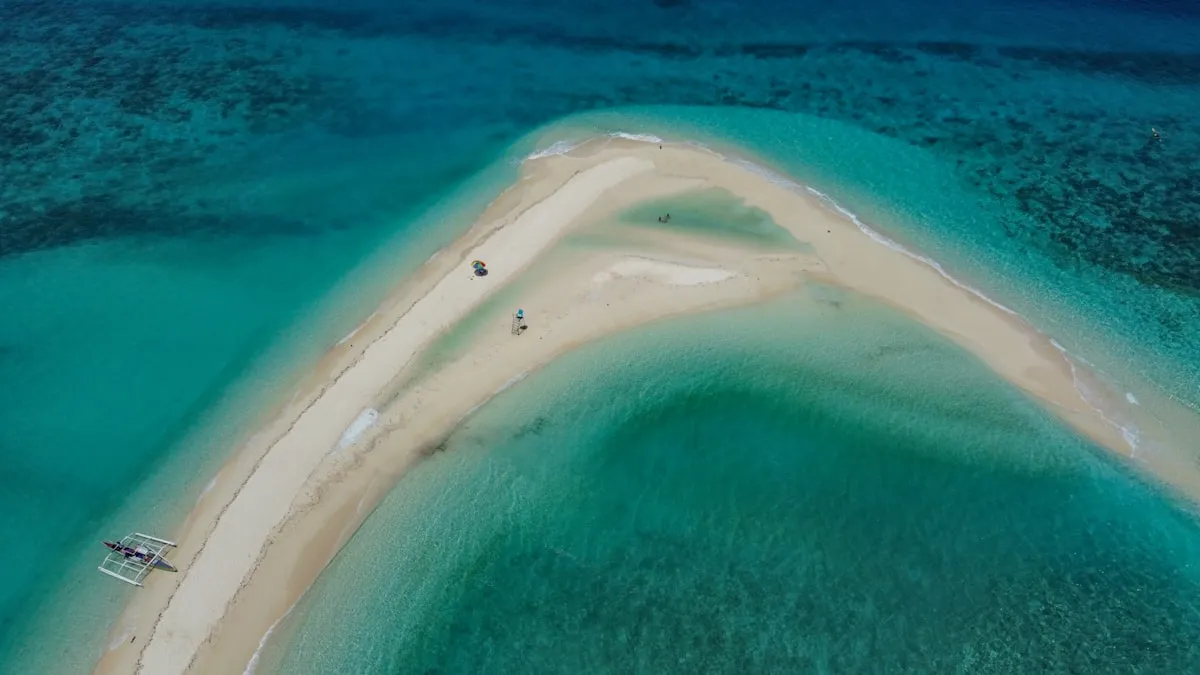
Bird Islet marks the northeast tip of the North Atoll. The shallow reef plateau here is exceptional for its coral cover, with enormous table corals, brain corals, and staghorn formations that have grown undisturbed for decades. Sea turtles are almost guaranteed; they nest on the tiny sandbar above. The wall beyond the plateau drops into clear blue water where Napoleon wrasse patrol with regal confidence.
Jessie Beazley Reef
The northernmost outpost of Tubbataha, Jessie Beazley Reef sits in open ocean about 20 kilometres north of the main atolls. Because liveaboards pass it on the way in from Puerto Princesa, it is often the first dive of the trip. Oceanic whitetip sharks frequent this remote pinnacle, and the lack of any land reference makes every surface interval feel like you are floating in the middle of the Pacific.
Marine Life You Will See
Tubbataha delivers on megafauna. On any given dive you can expect grey reef sharks, whitetip reef sharks, blacktip sharks, hammerheads, and occasionally whale sharks. Manta rays, eagle rays, leopard rays, and blue-spotted rays are all common. Hawksbill and green sea turtles nest on the sandbanks and appear on virtually every dive. Dogtooth tuna, Spanish mackerel, massive barracuda schools, and blue marlin roam the open water. Napoleon wrasse, bumphead parrotfish, and humphead batfish complete the cast on the reefs themselves.
The macro life is equally exceptional. Nudibranch species number in the hundreds, and the hard coral cover, frequently above 70 percent at key sites, provides habitat for rare invertebrates that simply do not survive on impacted reefs.
When to Go: The Tubbataha Season
This is crucial information: Tubbataha is only open from mid-March to mid-June. Outside this window, the Sulu Sea is too rough for safe liveaboard travel, and the park closes entirely. This short season, combined with strict visitor quotas, means that liveaboard berths sell out six to twelve months in advance. Book early. This cannot be overstated.
April and May are generally considered the peak months. The sea is calmest, visibility reaches its maximum at 30 to 40 metres, and marine life activity is at its highest. Early season in mid-March can bring choppier seas on the crossing but the reefs are just as productive.
How to Get to Tubbataha
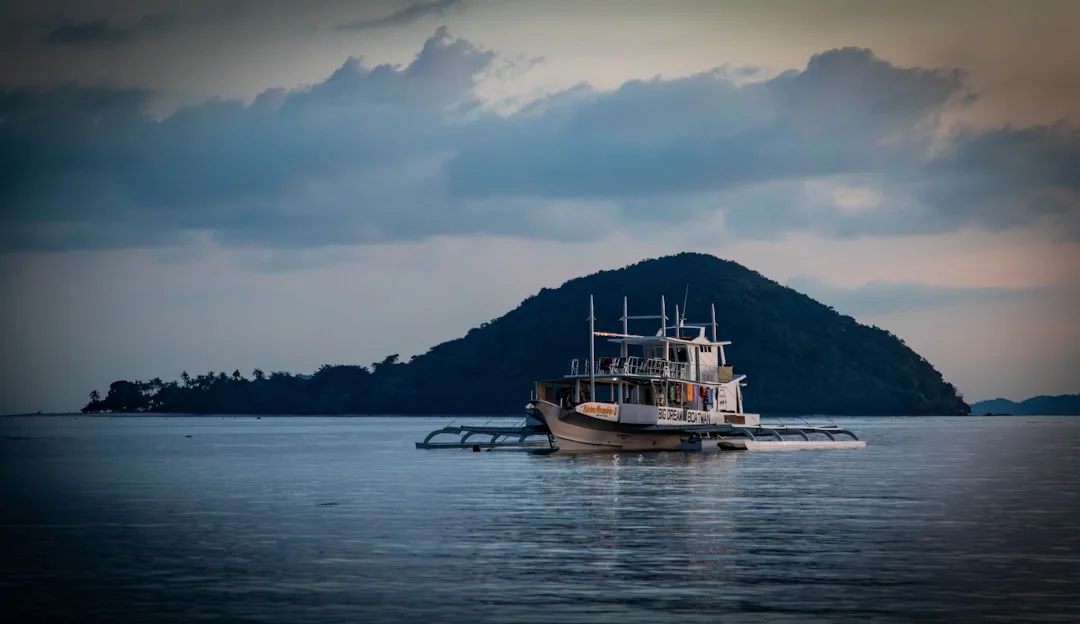
There is only one way to dive Tubbataha: by liveaboard from Puerto Princesa, Palawan. The journey takes approximately 10 to 12 hours overnight, arriving at the reef in the morning. All visits are liveaboard-only; day trips are not permitted.
Fly to Puerto Princesa from Manila or Cebu. Flights are frequent and take about 1.5 hours. Your liveaboard operator will arrange port check-in and the Tubbataha Park permit, currently around PHP 5,000 per diver.
Check our Palawan liveaboard tours for vessels that include Tubbataha in their route, and consider pairing your trip with Coron wreck diving for the ultimate Palawan experience.
What to Expect on a Tubbataha Liveaboard
Most Tubbataha liveaboards run 7-night, 6-diving-day itineraries. You will typically do four dives per day, logging 20 or more dives across the North Atoll, South Atoll, and Jessie Beazley Reef. The vessels range from comfortable to luxurious, with private cabins, hot showers, equipment rental, and experienced dive guides. Nitrox is available on most boats and makes a meaningful difference when doing four dives per day.
Skill Level Required
Tubbataha is recommended for advanced or experienced divers. You should have at least 50 logged dives and be comfortable with strong currents, open-water drift diving, deep dives at 30 metres or more, and excellent buoyancy control to protect fragile coral. Advanced Open Water certification is the minimum. If you need to build skills first, Puerto Galera and Anilao are perfect stepping stones.
Conservation and the Tubbataha Park
The Tubbataha Reefs Natural Park is managed by the Tubbataha Management Office under the DENR. Ranger stations on both atolls maintain a 24-hour presence year-round. All fishing is prohibited within the park boundaries, and violators face severe penalties. The park runs on visitor fees, and the strict quota system means your money directly funds conservation. This is sustainable ecotourism working as it should.
Practical Tips for Your Tubbataha Trip
- Book your liveaboard 6 to 12 months ahead. Tubbataha berths are the most sought-after in Southeast Asia.
- Get travel insurance with dive accident coverage and medical evacuation. The nearest decompression chamber is in Manila.
- Bring reef-safe sunscreen. Chemical sunscreens harm coral and are discouraged in the park.
- Pack light. Liveaboard cabins have limited storage; bring only what you need underwater.
- Bring a wide-angle camera lens. The big stuff at Tubbataha warrants it; macro is secondary.
- Stay hydrated between dives. The Sulu Sea crossing and multiple daily dives are physically demanding.
Final Verdict
Tubbataha Reef is, without exaggeration, one of the ten best dive destinations on Earth. The remoteness that makes it logistically challenging is also what makes it magical: no crowds, no jet skis, no anchored tour boats. Just open ocean, pristine reef, and more sharks than you have ever seen in your life.
If you are serious about diving and you have not been to Tubbataha, it belongs at the absolute top of your bucket list. Start planning now because the season waits for no one and the berths fill up fast.
Ready to dive? Browse our Palawan liveaboard packages and start your Tubbataha adventure with PANA.PH.