PHPANA.PH Team · Philippines travel teamPublished June 5, 2026 · 4 min read
Tubbataha: The Philippines' Dive Destination of Last Resort
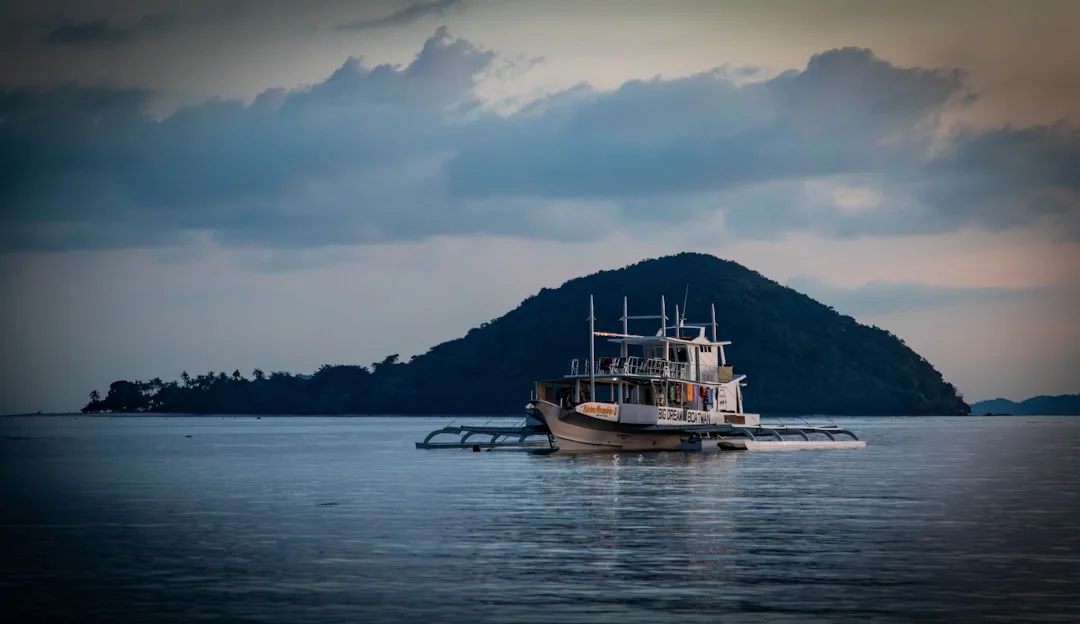
There are dive destinations and then there is Tubbataha. Located in the middle of the Sulu Sea, 150km southeast of Puerto Princesa in Palawan, Tubbataha Reef National Park is accessible only by liveaboard dive vessel — a 10-12 hour overnight crossing from Puerto Princesa. It is the Philippines' most remote, most protected, and most pristine reef system, and it's on every serious diver's lifetime list for good reason.
UNESCO inscribed Tubbataha as a World Heritage Site in 1993, recognizing it as "an excellent example of a pristine coral reef with a high density of marine species." The numbers support the designation: over 600 fish species, 360 coral species, 11 shark species, manta rays, whale sharks, sea turtles, and bird colonies that use the atoll's sand cays as nesting ground. The combination of remoteness, protection, and the Sulu Sea's nutrient-rich upwelling creates an underwater ecosystem that has no equivalent in Southeast Asia.
Getting to Tubbataha: The Liveaboard Reality
Tubbataha is open for diving only from March to June (the Sulu Sea's calmest window). Outside this period, the park is closed to protect breeding wildlife and allow the reef to recover. All visiting vessels must be licensed liveaboard dive boats — day trips are not possible given the distance.
Book Philippines tours & activities
Island hopping, whale shark watching, canyoneering and more. Best prices on GetYourGuide & Klook.
Liveaboard trips typically run 7-10 days from Puerto Princesa and cover 15-20 dives at various sites within the North Atoll, South Atoll, and Jessie Beazley Reef. Prices are significantly higher than typical Philippine dive destinations — expect PHP 100,000-200,000+ for the full package including accommodation, diving, and meals on board. This is premium dive travel and is priced accordingly.
Book early. Reputable operators have limited permits and trips fill many months in advance. Season allocation is competitive among serious divers who plan their travel around this specific window.
What to Expect Underwater
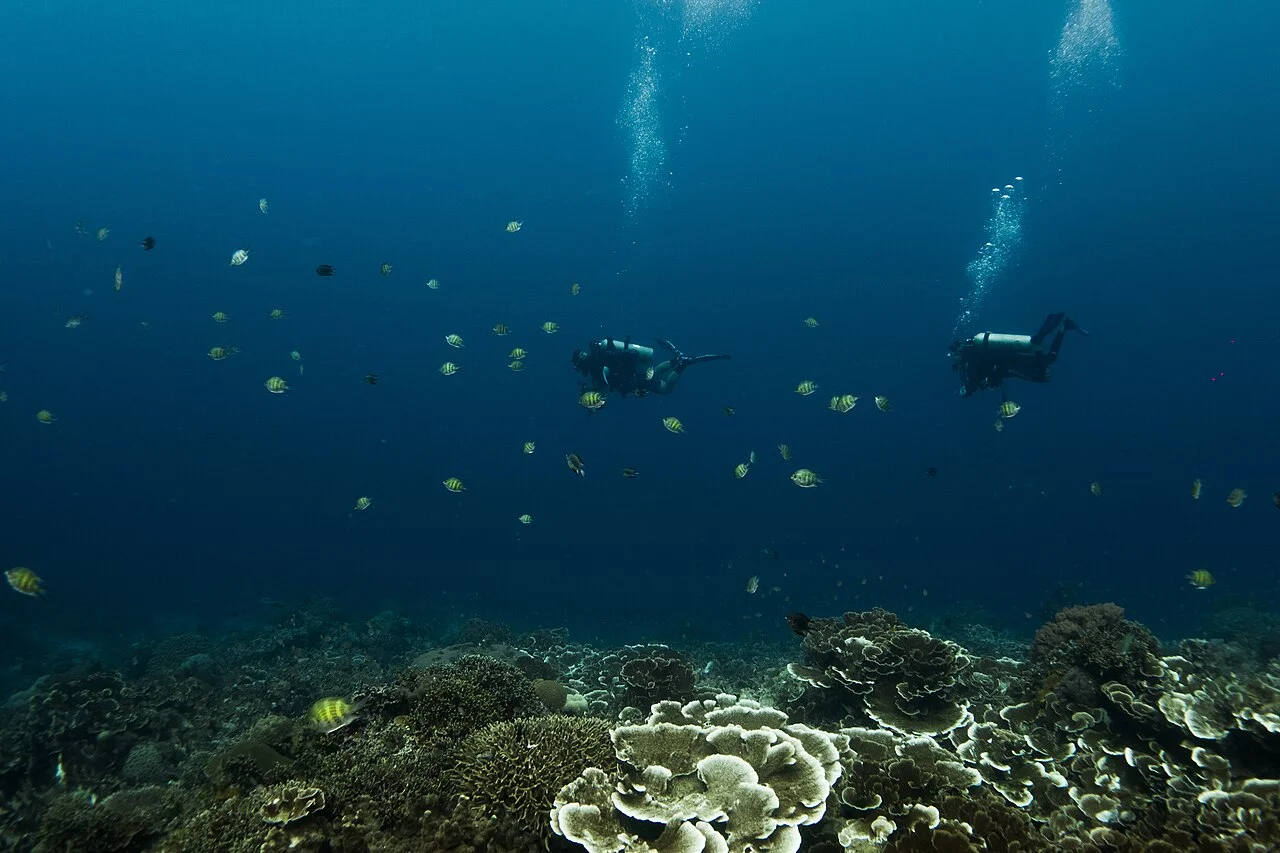
Tubbataha's dive sites vary enormously in character but share a common quality: exceptional marine life density and visibility. Drift dives along the atoll walls deliver encounters that would be lifetime highlights elsewhere but become routine here.
Whitetip and grey reef sharks patrol the walls continuously. Hammerhead shark schools are sighted with some regularity in the early mornings at the North Atoll. Manta rays are regular visitors to cleaning stations on both atolls. Whale sharks pass through, particularly in March and April. Sea turtles — both green and hawksbill — are omnipresent and completely unafraid.
The coral itself is extraordinary. Hard coral coverage approaches 100% in the shallower sections; decades of protection have allowed growth to achieve a density that reminds divers what healthy Philippine reefs looked like before fishing pressure and bleaching events degraded them elsewhere.
The Ecological Context
Understanding why Tubbataha is so exceptional requires understanding what's been lost elsewhere. Philippine reefs have lost over 50% of their live coral coverage since 1970 due to blast fishing, cyanide fishing, sedimentation, and climate-related bleaching. Tubbataha is what survives when these pressures are absent for decades — it's a reference point for what the ocean is capable of when left alone.
The park has 30 rangers stationed on the South Islet year-round, who monitor the reef, prevent illegal fishing, and document wildlife. This enforcement is why the reef remains pristine despite being located in waters shared by multiple nations with complex maritime politics.
Non-Diving Wildlife
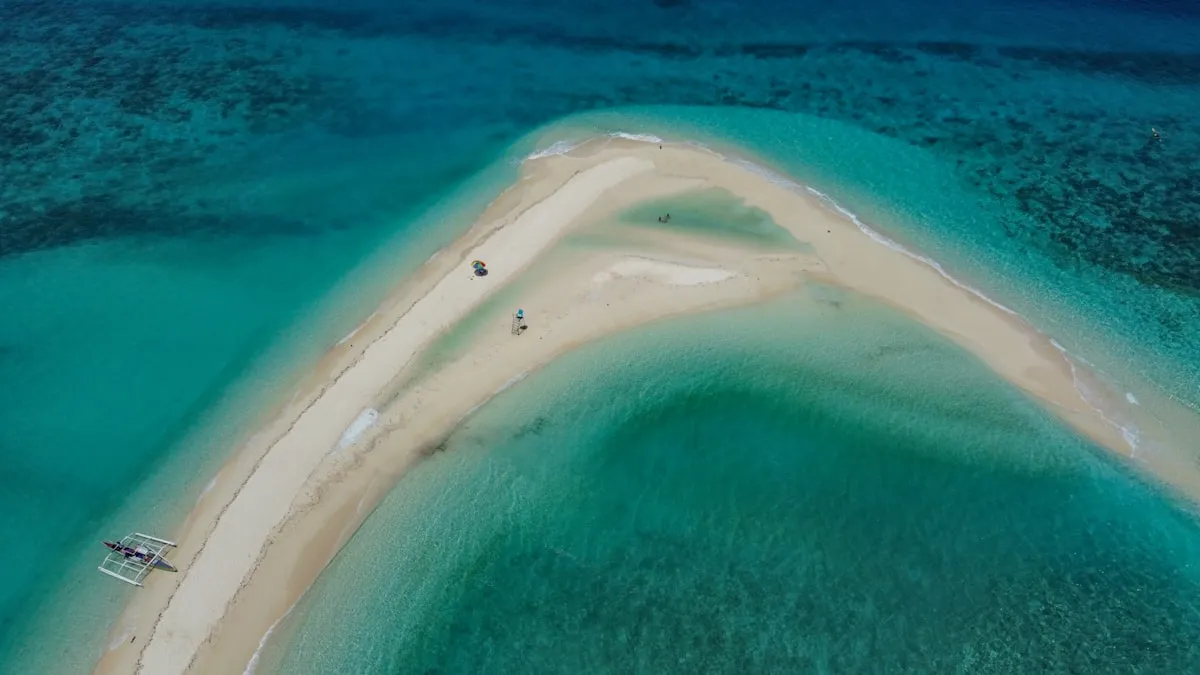
Surface intervals and evenings on the liveaboard are spent watching the atoll's above-water wildlife. Red-footed boobies, brown boobies, and frigatebirds nest on the sand cays. Spinner dolphins are common in the open water around the atolls. At night, hawksbill turtles come ashore to lay eggs on the protected cays.
Is Tubbataha Worth the Cost and Effort?
For serious divers: unambiguously yes. The combination of pristine coral, shark abundance, manta rays, whale sharks, and the privilege of being in one of the world's few remaining intact reef systems is worth every peso and every hour of the liveaboard journey. Many divers who do Tubbataha describe it as the best diving experience of their lives.
For casual divers or snorkelers: the cost, remoteness, and liveaboard format make it difficult to justify if you're not planning a diving-focused trip. The Philippines has other extraordinary reef experiences at a fraction of the cost and effort — Apo Island, Balicasag, Malapascua — that will satisfy most non-specialist divers.
Final Word
Tubbataha Reef is the Philippines' diving pinnacle. It requires the most planning, the most budget, and the most specific timing of any dive destination in the country — and it delivers an experience that nothing else in Southeast Asia matches. If diving is why you travel, start planning your Tubbataha liveaboard now. The permit window is narrow, the boats fill fast, and the reef is — for now — still there.
Plan your Philippines trip with PANA.PH
Compare hotels and local stays across all 7,641 islands.