There are geological facts about Taal that sound made up until you see the satellite image. Taal Volcano sits on Volcano Island, which sits in Taal Lake, which sits in the caldera of an ancient, much larger volcano, which sits on the Tagaytay ridge peninsula. This recursive geography -- lake inside a volcano on an island inside a lake inside a caldera -- makes Taal arguably the world's most geologically convoluted tourist attraction, and certainly one of the most visually dramatic.
Tagaytay & Taal Volcano: Manila's Best Day Trip (Views, Bulalo & the Volcano Inside a Lake)
Trip.com
Search on Trip.comHotels in Tagaytay
Compare live prices via Travelpayouts — targeted for this guide.
From Tagaytay ridge, 60 to 90 minutes south of Manila, you look down at all of it: the vast blue-green lake, the island rising from it, the crater that holds its own lake within, and on clear mornings, the faint wisps of steam from the fumaroles that remind you this is not a retired geological feature but an active, living, periodically terrifying force of nature. Then you eat bulalo -- the rich beef marrow soup that is Tagaytay's signature dish -- and drive home to Manila.
This is the Philippines' most accessible volcano day trip, and it delivers at every level: spectacular scenery, unique geological character, excellent food, and just enough adventure to feel like you've been somewhere.
What Makes Taal Geologically Unique
Taal is classified by volcanologists as a complex volcano -- a system with multiple overlapping eruption centres and a history of enormous caldera-forming eruptions. The main caldera, now filled with Taal Lake, was formed by prehistoric super-eruptions that generated pyroclastic flows recorded in geological strata across a wide area. Taal Lake occupies this ancient caldera -- a body of water roughly 25 kilometres across and up to 172 metres deep.
Trip.com
See all tours in Tagaytay on Trip.comVolcano tour in Tagaytay
Hand-picked experiences in Tagaytay — book on Trip.com with instant confirmation.

Within the lake, the 23-square-kilometre Volcano Island rises to 311 metres, itself a composite of multiple eruptive centres. The most active crater on the island contains its own lake -- the Main Crater Lake -- which periodically turns yellow from sulfur activity and has been a site of dramatic recent eruptions. This makes Taal technically a "volcano within a lake within a volcano" -- the UNESCO and PHIVOLCS designation of "island on a lake on an island on a lake" is geographically accurate and produces the kind of fact that requires explanation at dinner parties.
PHIVOLCS (Philippine Institute of Volcanology and Seismology) classifies Taal as one of the "Decade Volcanoes" -- a list of 16 volcanoes worldwide identified as priorities for study due to their proximity to large human populations and history of catastrophic eruptions. There is nothing casual about Taal's geological status. This is taken seriously.
Getting to Tagaytay from Manila
By Bus (Budget Option)
Buses to Tagaytay depart regularly from Cubao (EDSA, near Ali Mall) and Pasay (EDSA at the Libertad area). Look for buses marked "Tagaytay" or "Nasugbu" that stop along Tagaytay ridge. Journey time: 60-90 minutes depending on traffic. Fare: PHP 100-150 one way. Buses run throughout the day starting early morning. This is the most budget-friendly option and works well for solo travelers or small groups.
On weekends, expect traffic on Aguinaldo Highway and SLEX approaching Tagaytay -- the drive from Manila can extend to 2 hours or more from 8-11am. Budget travelers who take the bus bypass the traffic stress; drivers in their own vehicles should plan to leave Manila by 6-7am on weekends.
By Private Car or Grab (Comfort Option)
Grab (Philippine Uber equivalent) to Tagaytay from Manila costs PHP 600-900 one way, depending on traffic and departure time. Note that Grab drivers may not be willing to wait in Tagaytay for a return trip -- arrange a return ride through the app or negotiate a round-trip rate directly. By private car, the SLEX expressway (PHP 80-150 in tolls) speeds the journey to 60-75 minutes on good days.
Parking at Tagaytay ridge viewpoints varies -- Picnic Grove has a paid parking area (PHP 50-100). On weekends, roadside parking is the practical reality for most sections of the ridge.
Tagaytay Ridge Viewpoints
Picnic Grove
The most developed and popular viewpoint, Picnic Grove charges PHP 50 entrance and offers cable car rides over the ridge (PHP 100-200 return), picnic huts for rent, and a commercial area with food stalls. The view across Taal Lake is excellent from multiple points within the park. On clear mornings (8-10am before haze builds), the visibility extends across the full lake to the volcano island. Weekend crowds are significant from 10am onwards -- arrive early for the best experience and the least congestion.
People's Park in the Sky
Higher on the ridge than most viewpoints, People's Park in the Sky (PHP 50 entrance) is built around an unfinished mansion started by Ferdinand Marcos and never completed. The ruins have become an attraction in themselves, and the 360-degree view from the hilltop is arguably the finest panoramic perspective on the Tagaytay area. The approach road is steep and narrow -- manageable but tight for larger vehicles. Worth the extra driving effort for the views.
Sky Ranch
If you're visiting with children, Sky Ranch (PHP 50 entrance, rides extra) is Tagaytay's amusement park with a Ferris wheel that provides aerial views of the lake alongside the standard rides. Less interesting for adult nature visitors but excellent for families. The restaurant area at Sky Ranch serves decent food at tourist prices.
Free Viewpoints
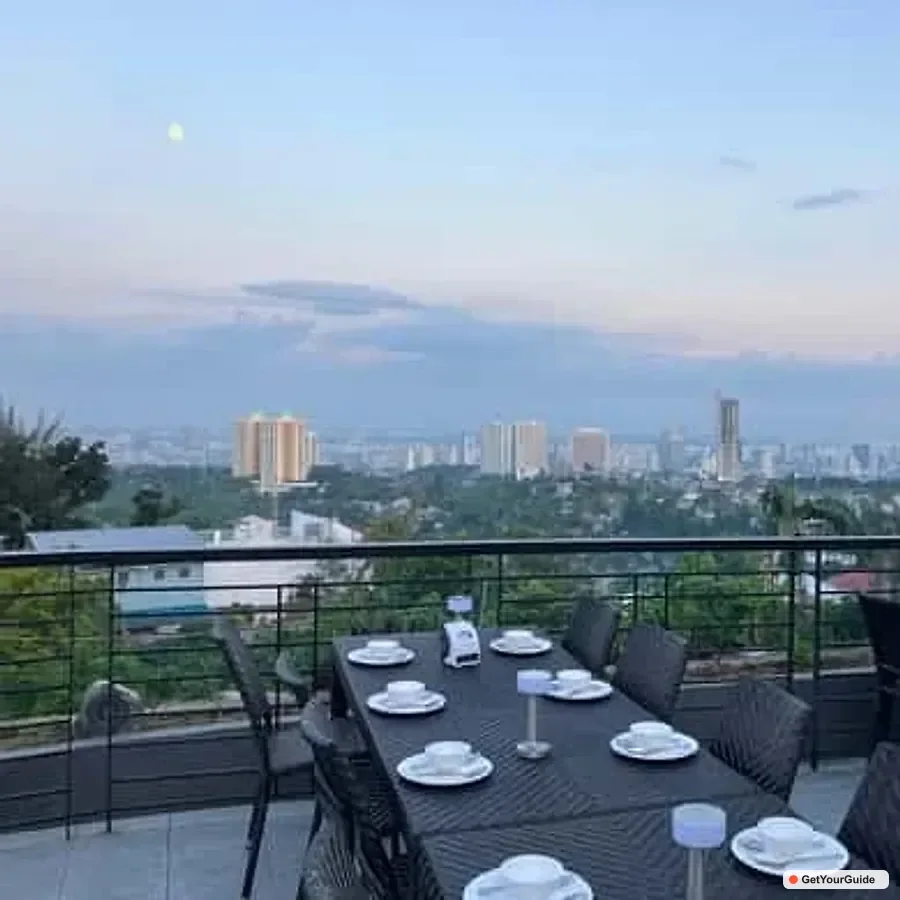
Much of Tagaytay ridge is lined with restaurants and cafes that offer lake views as part of the dining experience -- no entrance fee required if you're eating. Leslie's, Sonya's Garden, and the strip of restaurants along Aguinaldo Highway all provide views alongside food. Eating at a ridge restaurant with a lake view is, in practice, the most pleasant way to enjoy the panorama.
The Taal Volcano Island Hike
Getting to the Island
Volcano Island is accessible by boat from the lakeshore at Talisay (Batangas side, below the Tagaytay ridge -- about 20 minutes down from the ridge by vehicle) or from the Agoncillo/Laurel side. Talisay is the most common access point for day-trippers from Tagaytay.
At Talisay wharf, registered boatmen offer the lake crossing and return trip. Negotiate the boat hire rate before boarding -- a private boat for a group costs PHP 2,000-3,000 round trip, while smaller groups can sometimes join shared boats for PHP 500-700 per person. The boat ride takes approximately 15-20 minutes across the lake. Wear sunscreen; the lake crossing under open sun is intense.
The Horse Ride
On Volcano Island, horse handlers offer rides up the trail to the crater rim (PHP 700-1,000 per person for the round trip). The climb is steep enough that horses are the practical choice for most visitors, though it is possible to walk. The horse handlers are PHIVOLCS-registered guides who know the current trail conditions and are required to accompany all visitors. Tipping is expected and appropriate -- the trail is hot, steep, and physically demanding even for the guides.
The Crater Walk
The walk along the crater rim offers views down into the main crater (currently dry or with minimal lake, depending on recent activity) and across the lake toward Tagaytay ridge. The circuit takes 30-45 minutes at a comfortable pace. Sulfur fumes are present -- do not linger in areas where fumes concentrate. Visitors with respiratory conditions should assess conditions on arrival; PHIVOLCS guides will advise if conditions are unsafe.
Current Safety Status
Taal erupted most recently in January 2020, a brief but significant eruption that produced a volcanic plume, lightning, and ash fall that reached Manila. The island was evacuated and remains under permanent danger zone classification by PHIVOLCS, meaning that while tourist access has been permitted in periods of low activity, it can be suspended without notice when alert levels rise.
Before planning a volcano island visit: check the PHIVOLCS website (phivolcs.dost.gov.ph) for the current Taal alert level. Alert Level 0 (below baseline) or 1 (abnormal) generally permit tourist access. Alert Level 2 or above means no access to the island. This is not bureaucratic caution -- Taal's eruptions can escalate rapidly. Respect the advisory.
Tagaytay Food: Bulalo Above All Else
Bulalo: The Signature Dish
Bulalo is the dish that makes Tagaytay as much a food destination as a scenic one. The soup -- slow-cooked beef shanks and marrow bones in a clear broth enriched by hours of simmering, served with bok choy and corn and an obscene quantity of bone marrow -- is the ideal food for Tagaytay's slightly cooler highland temperatures. It warms you, fills you, and delivers the kind of collagen-rich, deeply beefy satisfaction that no amount of description prepares you for.
The best bulalo in Tagaytay is a matter of fierce local debate, but the names that recur most consistently are Leslie's Restaurant (PHP 350-600 per bowl, multiple locations along the ridge, famous since the 1990s), Rowena's (also ridge-side, similar quality and pricing, slightly less crowded), and Josephine Restaurant. For the most atmospheric bulalo experience, choose a restaurant with open-air seating overlooking the lake -- eating this soup with that view is one of the Philippines' simple perfect moments.
Beyond bulalo, Tagaytay restaurants also serve tawilis -- a small freshwater sardine species endemic to Taal Lake, typically deep-fried whole and eaten with rice and vinegar dipping sauce. Tawilis is unique to Taal Lake and unavailable anywhere else in the world. Try it.
Ube Halaya and Desserts
Tagaytay is associated with ube (purple yam) desserts because the region's cool climate produces high-quality ube crops. Ube halaya -- a thick, sweet purple yam jam used as a spread or dessert filling -- is sold at pasalubong shops throughout the ridge. Ube ice cream, ube cake, and ube flavoured pastries are everywhere. The ube at Tagaytay is generally richer in colour and flavour than Manila ube products because it's made from locally grown fresh yam rather than commercial ube extract.
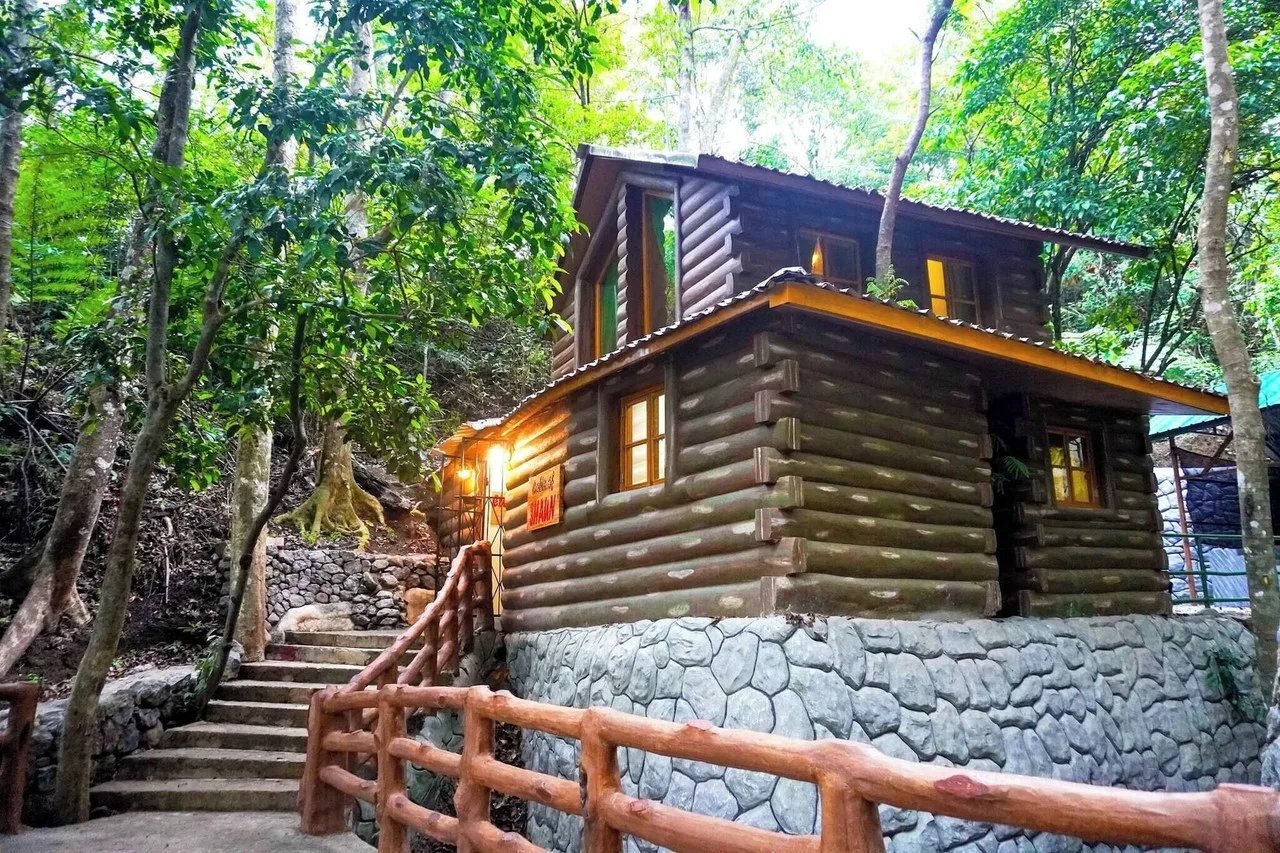
Tagaytay Boutique Hotels and Glamping
Tagaytay's proximity to Manila (60-90 minutes) makes it an extremely popular weekend escape for Metro Manila residents, and a cluster of boutique hotels, inns, and glamping operations has grown to serve this market. Options range from:
- Boutique hotels with volcano views: PHP 3,000-8,000/night for well-appointed rooms with lake or volcano views. Properties like Discovery Country Suites and various smaller boutique hotels along the ridge command premium rates on weekends.
- Glamping: Several properties offer glamping tents or pods in garden settings with Taal views. PHP 2,500-6,000/night. Popular for romantic getaways and Instagram content.
- Airbnb: Tagaytay has an extensive Airbnb inventory -- private villas and houses with pools overlooking the lake are well-represented and often better value than hotels for groups.
Book Tagaytay accommodation well in advance for weekends, especially holiday weekends -- it fills completely. For the day-tripper, no accommodation is needed; the 60-minute Manila commute makes it entirely feasible as a single-day excursion.
Best Time to Visit
Weekdays: Dramatically less crowded than weekends. Restaurants have no queue, viewpoints are peaceful, and road traffic is minimal. If your schedule allows a Tuesday or Wednesday visit, take it.
Early morning: The clearest views of Taal Lake are from 7-10am before haze develops. The lake surface is often mirror-calm at dawn. Restaurants open from 7-8am for breakfast and early bulalo.
Season: Tagaytay is good year-round, but the rainy season (June-October) brings mist and cloud that can obscure the lake views entirely. December through February is cool (22-26 degrees C on the ridge) and clear -- the best conditions. March-May is warm but clear. Avoid visiting during typhoon warnings for obvious reasons.
Frequently Asked Questions
Is Taal Volcano safe to visit in 2026?
Taal can be visited safely when PHIVOLCS has the alert level at 0 or 1 (baseline to abnormal). Always check the current PHIVOLCS advisory at phivolcs.dost.gov.ph before planning a volcano island visit. The Tagaytay ridge viewpoints are safe to visit regardless of Taal's alert status -- you're 8-10 kilometres from the island. The volcano island hike is only possible when PHIVOLCS permits tourist access, which is subject to change based on monitoring data. As of the current period, tourist access has been available in periods of low activity, but confirm current status before booking boats.
How far is Tagaytay from Manila?
Approximately 60 kilometres south of Metro Manila via SLEX and Aguinaldo Highway. Travel time is 60-90 minutes by car or bus under normal conditions, extending to 90-120 minutes on weekend mornings due to traffic on SLEX and the Tagaytay approach roads. The most efficient strategy: leave Manila by 6-7am on weekends to arrive before the rush, or visit on a weekday for minimal traffic.
What is bulalo and where is the best place to eat it in Tagaytay?
Bulalo is a Filipino beef bone marrow soup -- large beef shanks and marrow bones slow-simmered for hours in a clear broth, served with corn, bok choy, and sometimes cabbage. The marrow is extracted with a small spoon and eaten spread on rice or bread. The soup is deeply beefy, collagen-rich, warming, and perfectly suited to Tagaytay's cool climate. The most consistently recommended spots are Leslie's Restaurant (multiple locations on the ridge, PHP 350-600/bowl), Rowena's (similar quality and prices, slightly calmer atmosphere), and Josephine Restaurant. For the best experience, choose an open-air table with a lake view.
Can I do Tagaytay as a day trip from Manila?
Absolutely -- this is how most Manila residents visit. A comfortable day trip itinerary: leave Manila by 8am, arrive Tagaytay by 9-9:30am, visit Picnic Grove or People's Park in the Sky for morning views, take the car down to Talisay wharf for the boat to Volcano Island (if PHIVOLCS permits; allow 3-4 hours total including boat, hike, and return), return to the ridge for late lunch bulalo at Leslie's or Rowena's, do a dessert stop at a pasalubong shop for ube halaya, depart Tagaytay by 4pm to beat evening traffic back to Manila.
What is tawilis and should I try it?
Tawilis (Sardinella tawilis) is a freshwater sardine endemic to Taal Lake -- the only freshwater sardine species in the world, found nowhere else on Earth. It is typically fried whole until crispy and served with rice and native vinegar (sukang paombong or sukang Iloko) as a dipping sauce. The flavour is mild, slightly oily, and very similar to saltwater sardines -- but the novelty of eating the world's only freshwater sardine in the exact lake it lives in is a travel food experience worth seeking. Most Tagaytay restaurants that focus on local cuisine serve tawilis; look for it on menus alongside the bulalo. PHP 120-200 per serving.
The Bottom Line
Tagaytay and Taal deliver the rare combination of genuinely spectacular natural scenery and genuinely excellent food within 90 minutes of one of Southeast Asia's largest cities. The geological absurdity of the caldera-within-a-lake-within-a-caldera is visible from the ridge in a way that photographs barely capture -- it requires the eye to trace the full geography and say to itself, yes, this is actually real.
Go on a weekday if you can. Leave early. Eat the bulalo. Try the tawilis. Check PHIVOLCS before deciding on the volcano island. And look at that lake -- properly, at length, with coffee -- because very few views in the Philippines will make you feel quite this much like you're looking at something the Earth made specifically to be remarkable.

PANA.PH Editorial Team
Philippines travel desk
The PANA.PH travel desk researches, books and re-checks Philippines travel logistics — fares, ferry schedules, government fees and permit rules — and publishes what it can verify.
🏡 Real local stays (book direct)
Hand-picked homestays and guesthouses — book direct, no markup.
Browse all local stays →
🌊 Popular activities (book instantly)
Island hopping, canyoneering, whale sharks — real Klook/GetYourGuide options.
View all activities →