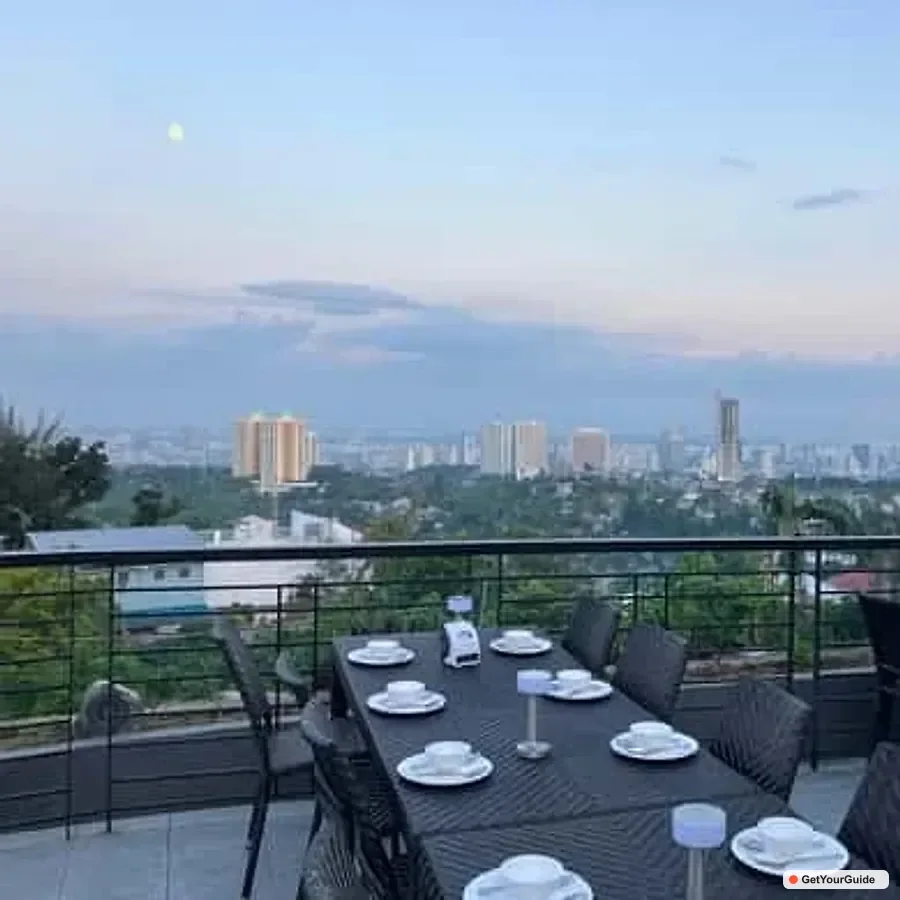
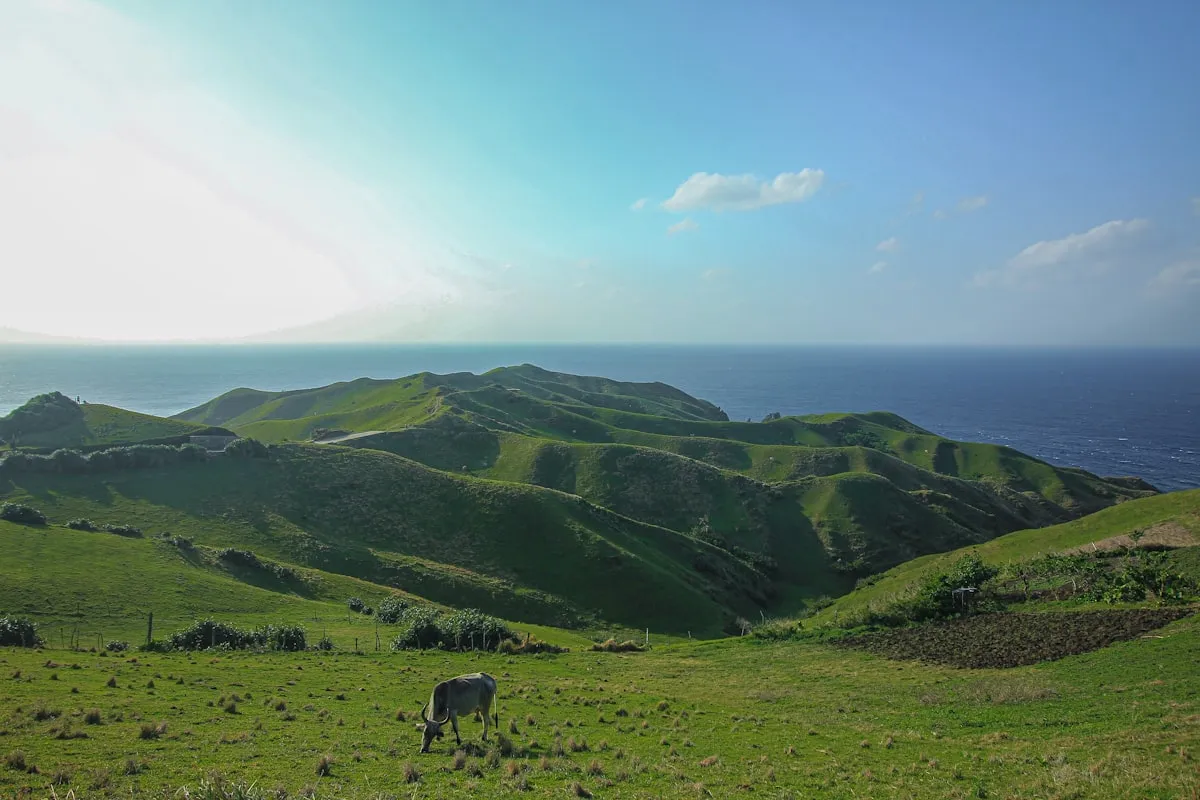
There is something genuinely strange and fascinating about Subic Bay -- a wide, beautiful, protected harbour in Zambales province that was, until 1992, the largest American naval base outside the continental United States. Tens of thousands of US Navy personnel and their families lived, worked, and set up entire self-contained communities here for nearly a century. Then in 1992, the Philippine Senate voted to end the bases treaty, and the Americans left. The base closed on November 24, 1992.
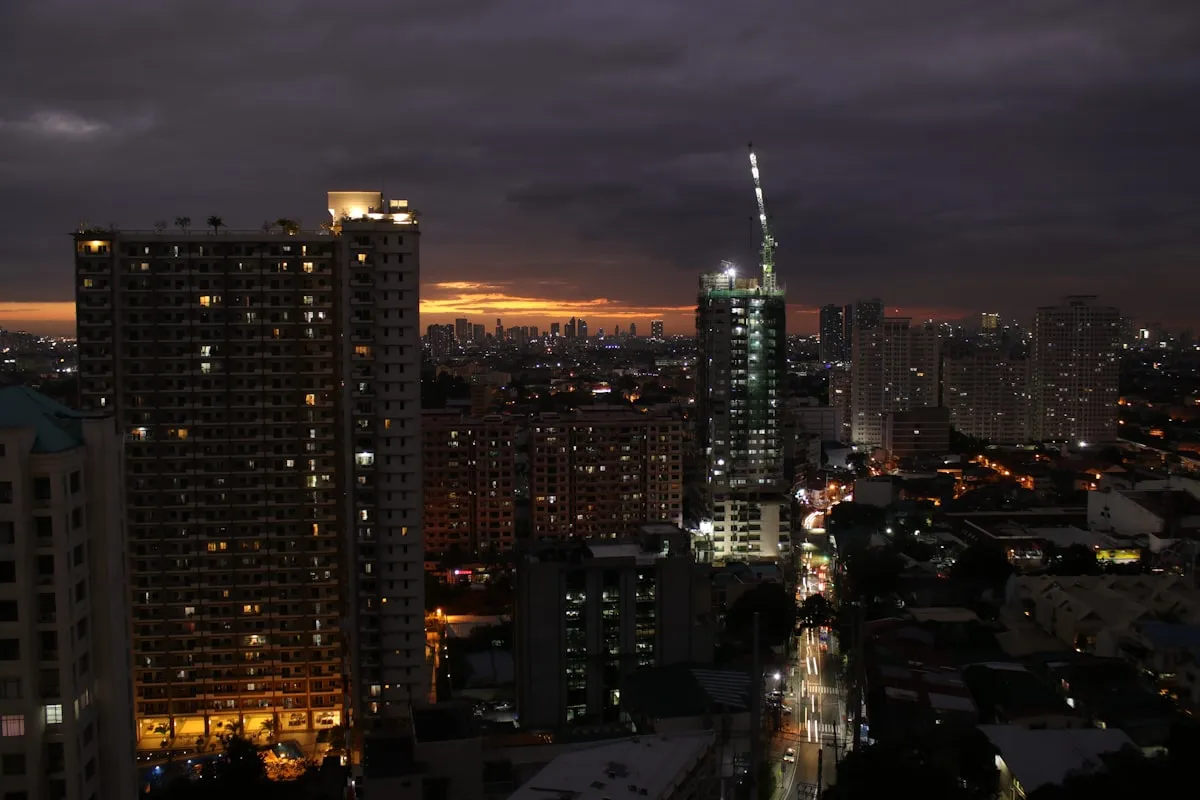
Subic Bay & Olongapo: Former US Naval Base to Adventure Tourism Hub
Trip.com
Search on Trip.comHotels in Manila
Compare live prices via Travelpayouts — targeted for this guide.
What happened next is one of the more interesting economic reinvention stories in Southeast Asia. Rather than abandoning the facilities, the Philippine government converted the entire base into a special economic zone -- the Subic Bay Freeport Zone, managed by the Subic Bay Metropolitan Authority (SBMA). The former naval base became a duty-free industrial and tourism area. The port infrastructure became a commercial port. The hangars became warehouses. The officers' club became a hotel. And the wreck-strewn bay became one of the Philippines' best dive sites.
Today, Subic Bay is a popular day trip and overnight destination from Manila -- 2.5 to 3 hours by road -- with a unique combination of adventure activities, wreck diving, wildlife, and an American military nostalgia that you will not find anywhere else in Asia.
History: From Conquistadors to the US Navy
Subic Bay's value as a harbour was recognized by Spanish colonizers in the 16th century, and the area was a Spanish naval station for centuries. When the Philippines passed to the United States following the Spanish-American War of 1898, the US Navy recognized Subic Bay's deep-water harbour as an ideal Pacific base and began developing it in earnest. By the mid-20th century, Naval Station Subic Bay was a massive installation -- its own shopping centres, schools, hospitals, golf courses, and all the infrastructure of a small American city transplanted onto Philippine soil.
Trip.com
See all tours in Manila on Trip.comDiving in Manila
Hand-picked experiences in Manila — book on Trip.com with instant confirmation.
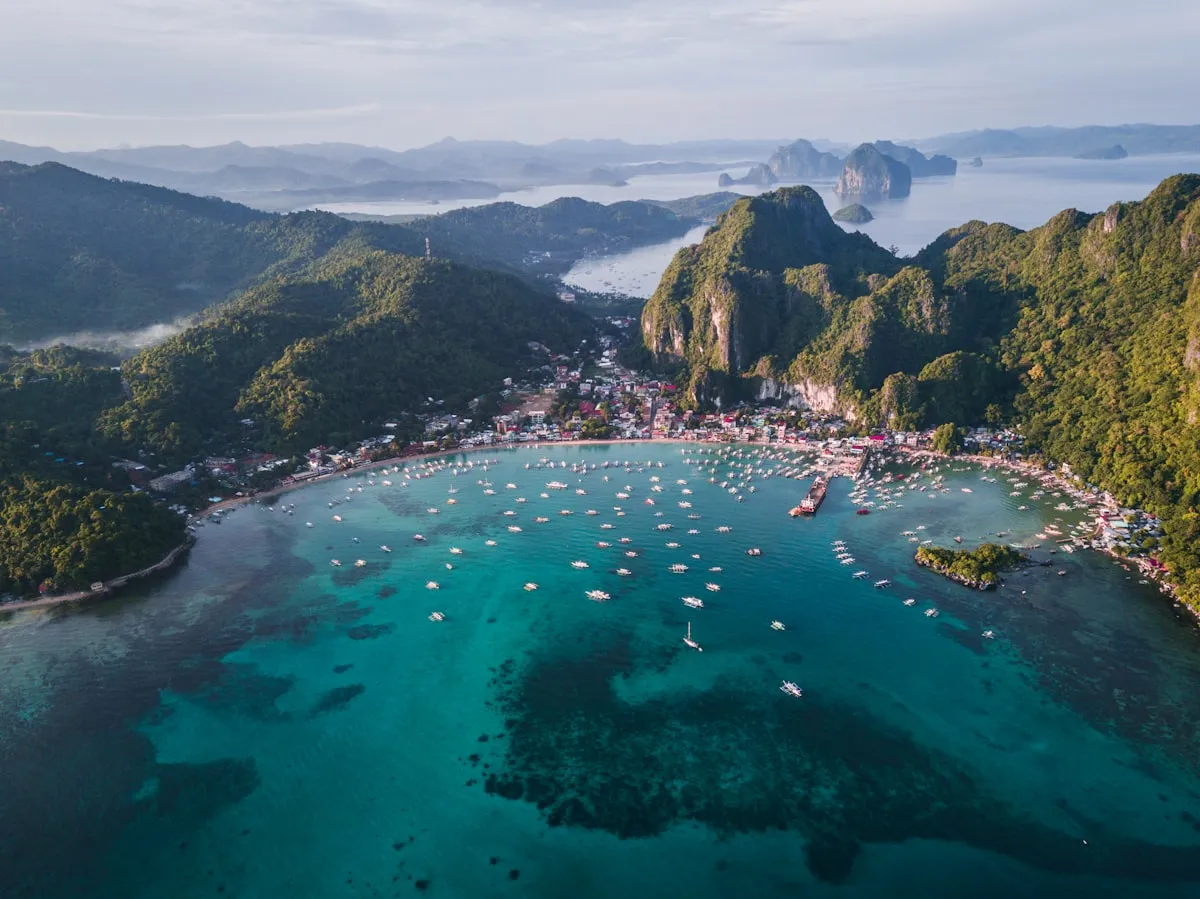
The 1991 eruption of Mount Pinatubo -- just 25 kilometres from Subic -- accelerated the departure. Volcanic ash from the June 1991 eruption blanketed the base, destroyed dozens of aircraft, and gave the Navy an additional practical reason to relocate. The 1992 Senate vote was the final act, and the US Navy officially departed by November of that year.
The SBMA's redevelopment has been largely successful. The Freeport Zone now hosts hundreds of businesses, logistics companies, and tourism operators. Olongapo City, the civilian city immediately adjacent to the former base, has also benefited from the economic activity.
Getting There from Manila
Subic Bay is approximately 120 kilometres north of Manila -- close enough for a day trip, comfortable enough for an overnight. Options:
By Bus
Victory Liner and Genesis Transport run air-conditioned buses from Cubao (EDSA-Aurora), Pasay, and Caloocan to Olongapo City and Subic Bay. Journey time is 2.5-3.5 hours depending on traffic. Fares run PHP 250-400 for standard A/C service. Buses run frequently throughout the day from 4am to 10pm. The bus terminal in Olongapo is outside the Freeport Zone -- from there, take a tricycle or Grab into the Freeport (PHP 50-100).
By Private Car or Rental
NLEX-SCTEX expressway connects Manila to Subic in approximately 2-2.5 hours in light traffic (leave before 7am). The SCTEX exit deposits you directly at the Subic Bay Freeport Zone gate. Toll fees from Manila to Subic: approximately PHP 400-500 one-way. Parking is readily available within the Freeport.
What to Do in Subic Bay
Wreck Diving: USS New York and Beyond
Subic Bay's wrecks are what put it on the diving map. The bay contains at least a dozen diveable wrecks, most of them American warships sunk during or after World War II. The most iconic is the USS New York -- an armoured cruiser scuttled in 1941 to prevent capture by advancing Japanese forces. It lies in 27 metres of water, covered in coral and inhabited by an extraordinary variety of marine life including lionfish, frogfish, grouper, and moray eels.
Other notable wrecks include the El Capitan (a merchant vessel, 28 metres, accessible to Open Water divers), the Oryoku Maru (a Japanese transport used as a prisoner-of-war ship, sunk 1945, at 20-27 metres), and several smaller vessels and landing craft. Dive operators within the Freeport charge PHP 1,200-1,800/dive including guide, weights, and tanks. Full Open Water certification courses are available from PHP 12,000-18,000. The bay is protected from ocean swell making it ideal for new divers -- visibility is 5-15 metres depending on season.
Zoobic Safari
Zoobic Safari is frequently cited as the Philippines' best zoological park -- a meaningful claim in a country where zoo quality is often poor. Unlike standard caged-animal zoos, Zoobic uses larger, more naturalistic enclosures and features a famous tiger safari: visitors ride a converted jeepney (with steel mesh protecting the sides) through a large tiger enclosure where the tigers are free to approach the vehicle. The tigers are fed from the vehicle -- raw chicken dangled from rods on the roof -- and they jump up to grab it. It is dramatic and the tigers are manifestly well-fed rather than provoked. Entry fee: PHP 800/adult.
Beyond the tiger safari: white Bengal tigers in large enclosures, crocodile pond, birds of prey, and a petting zoo area. Budget 2-3 hours. The grounds are extensive and well-maintained by Philippine standards.
Ocean Adventure
Ocean Adventure is a marine park originally developed in partnership with the US Navy, which trained the dolphins and sea lions here for mine-detection work. The conservation mission has since shifted to wildlife rescue and rehabilitation. The shows feature bottlenose dolphins and California sea lions in pool performances -- acrobatics, mimicry, and handler interactions. Entry is PHP 900 for adults. It is genuinely impressive as a marine mammal facility, though visitors with strong animal welfare concerns may prefer the wildlife-viewing aspects to the performance shows. Ocean Adventure also runs dolphin encounter programs (PHP 2,500-3,500) where participants get in the water with the dolphins for a supervised 30-minute interaction.
Valley of the Pirates and Zipline Complex
Valley of the Pirates is an adventure tourism complex in the Subic Freeport offering a zipline network, rappelling, and team-building courses. The main zipline runs approximately 300 metres over a jungle canopy and reaches speeds of 60 km/h. Package prices: PHP 400 for a basic zipline experience, PHP 800 for a multi-activity package including rappelling and canopy walk. It is well-maintained and staffed by competent guides -- suitable for families with children aged 7+.
JEST Camp: Jungle Environment Survival Training
JEST Camp (Jungle Environment Survival Training) was originally a US military program teaching survival skills in the Philippine jungle. It has been adapted into a civilian eco-tourism experience where guides (former Aeta tribespeople who served as instructors for the military) teach jungle survival: fire-making without matches, finding water, identifying edible plants, constructing shelter. The half-day program costs approximately PHP 600-800/person and is genuinely informative and unusual. The Aeta guides have deep traditional knowledge of the Subic forest and the experience has genuine educational value beyond the novelty.
Kayaking on Subic Bay
The Subic Bay Yacht Club and several independent operators offer kayak rentals from PHP 300-500/hour. The bay itself is calm and wide, with mangrove areas on the northern and western shores accessible by kayak. A 2-3 hour paddle to the mangrove areas and back is a peaceful contrast to the adventure activities. Stand-up paddleboarding (SUP) is also available at PHP 300-400/hour.
Duty-Free Shopping
The Subic Bay Freeport Zone is a duty-free zone -- which means certain imported goods are available at reduced prices compared to Manila or regular retail. The Subic Bay Freeport has a Duty Free Philippines outlet and various branded stores. The savings on electronics and imported goods are modest by Singapore or Hong Kong standards but meaningful for specific categories: imported whisky and wine are noticeably cheaper, as are some electronic accessories. Many Manila residents make weekend Subic trips and return with duty-free alcohol in the legally permitted quantities.
Food and Drink
Subic Bay's American military history left a permanent stamp on the food scene. American-style fast food and steakhouses are more prevalent here than in other Philippine destinations.
Barrio Barretto, a strip of restaurants and bars on the national road running north from Olongapo toward Subic, is the classic Subic food scene -- beachside restaurants (the beach here is nothing special, but the open-air setting is pleasant) serving grilled seafood, cold beers, and American grill staples. Budget PHP 300-600/person for a full meal with drinks.
Within the Freeport, the Lighthouse Marina Resort has a restaurant with good views over the bay and consistently decent food -- seafood pasta, grilled fish, steaks. Budget PHP 450-800/person. Various fast food chains (McDonald's, Jollibee) are present for the budget end.
Accommodation
Subic Bay has a good range of accommodation, mostly within or adjacent to the Freeport Zone.
- Budget (PHP 800-1,500/night): Numerous guesthouses in Olongapo City and along the Barrio Barretto strip. Basic fan or A/C rooms, clean and functional.
- Mid-range (PHP 1,800-3,500/night): Lighthouse Marina Resort (within the Freeport, marina views, comfortable), All Hands Beach Resort (beachfront, family-oriented), various business hotels near the SBMA gate.
- Upscale (PHP 4,000-8,000/night): Subic Bay Yacht Club cottages, some resort villas in the forest areas of the Freeport.
Beaches Near Subic
Subic Bay itself does not have great swimming beaches -- the bay is an active port and the water quality is variable. However, the Zambales coast north of Subic has excellent beaches. Anawangin Cove and Nagsasa Cove (accessible by boat from San Antonio, roughly 45 minutes north of Subic) are stunning campsites with grey volcanic sand, pine trees growing to the waterline, and no electricity -- pure nature camping accessible by day trip. Bangka boat charters from San Antonio wharf: PHP 1,500-2,500 per boat (6-10 persons). Liwliwa and San Felipe beaches (30-45 minutes further north) are surf breaks getting more popular with the Manila surf scene.
Frequently Asked Questions
Is Subic Bay a good day trip from Manila?
Yes, with planning. Leave Manila by 6am to beat NLEX traffic, arrive Subic by 9am, do two or three activities (Zoobic Safari takes 2-3 hours, one dive is 2-3 hours including briefing and surface interval), eat at Barrio Barretto, and head back by 4pm. You can fit a productive and enjoyable day trip. Overnight is better: staying one night lets you do a sunset kayak, dinner at leisure, and a morning dive the next day before the drive back.
Do I need a permit to enter the Subic Bay Freeport Zone?
No permit is needed. Entry to the Freeport Zone is free for day visitors -- you simply pass through the SBMA gate at the entrance (show a valid ID, typically your passport or driver's license). Day visitor passes are issued at the gate. If you plan to do business in the zone or need to enter after hours, different arrangements apply, but for tourism no paperwork is required beyond the gate registration.
Is the diving in Subic Bay suitable for beginners?
Yes -- Subic Bay is actually one of the better places in the Philippines to learn to dive or do a first fun dive. The bay is sheltered from ocean swell, the wrecks are in shallow to moderate depths (the shallowest accessible sections of the major wrecks are at 15-18 metres), and the dive operators are experienced working with beginners. Visibility is not as dramatic as Tubbataha or Apo Island, but the wreck marine life is interesting and the protected conditions are ideal for new divers building confidence. Open Water certification courses take 3-4 days and most dive shops here offer pool and classroom sessions followed by wreck dives.
What should I know about the Aeta people in Subic?
The Aeta are one of the indigenous Negrito groups of the Philippines and have lived in the forests of the Zambales region for thousands of years. They were the original inhabitants of the land that became the naval base and many were displaced by its construction. After the 1991 Pinatubo eruption devastated their forest communities, many Aeta families were resettled in and around the Subic area. The JEST Camp program specifically employs Aeta guides and is a meaningful way to interact with their culture and support their community economically. Approach JEST Camp and any cultural interaction with respect -- the Aeta have a complex history with both the Spanish colonial period and the American military era.
What is the best time of year to visit Subic Bay?
November through April is the dry season in the Zambales region -- clear skies, calm seas, good dive visibility, and no typhoon risk. The SCTEX highway makes Subic accessible even during light rain. Avoid major Philippine holidays (Christmas week, Holy Week) as accommodation books solid and SCTEX traffic can be brutal on the departure days. Weekdays are dramatically calmer than weekends -- if you have schedule flexibility, a Tuesday-Wednesday Subic trip is a very different experience from a Saturday-Sunday one.

PANA.PH Editorial Team
Philippines travel desk
The PANA.PH travel desk researches, books and re-checks Philippines travel logistics — fares, ferry schedules, government fees and permit rules — and publishes what it can verify.
🏡 Real local stays (book direct)
Hand-picked homestays and guesthouses — book direct, no markup.
Browse all local stays →
🌊 Popular activities (book instantly)
Island hopping, canyoneering, whale sharks — real Klook/GetYourGuide options.
View all activities →