Warm weather, low costs, English everywhere and a famously welcoming culture make the Philippines one of Asia's top retirement destinations - and the Special Resident Retiree's Visa (SRRV) is the official doorway to staying long term. Issued by the Philippine Retirement Authority (PRA), the SRRV grants indefinite, multiple-entry residency with no need for the constant tourist-visa extensions most long-stayers endure. This guide explains the SRRV options, the deposit amounts and fees in 2026, who qualifies, and how the application works. (Note: program details and deposit tiers can change; always confirm current figures with the PRA before committing.)

SRRV Retirement Visa Philippines 2026: Cost & Requirements
Living & working#SRRV visa#retire in the Philippines#Philippine Retirement Authority#retirement visa#expat Philippines
Trip.com
Search on Trip.comHotels in Philippines
Compare live prices via Travelpayouts — targeted for this guide.
What the SRRV Gives You
- Indefinite stay with multiple-entry privileges - no more 29- or 59-day extension runs.
- Exemption from certain exit clearances and study permits.
- Ability to keep your deposit in a PRA-accredited bank, and in some options convert it into a condo or long-term lease investment.
- You remain a resident, not a citizen - you still cannot own land as a foreigner (condos are allowed).
The Main SRRV Options
The PRA offers several SRRV variants. The two most relevant to typical retirees:
- SRRV Smile - for active retirees aged 50+, requiring a USD 20,000 deposit kept in the bank (not withdrawable for investment).
- SRRV Classic - for retirees aged 50+, with the deposit amount depending on your pension status. With a qualifying monthly pension (typically about USD 800 for a single applicant, more for couples) the deposit is around USD 10,000; without a pension it is around USD 20,000. The Classic deposit can often be converted into a condo purchase or long-term lease.
There are also Courtesy (for former Filipinos and certain diplomats/retired officers) and Expanded Courtesy variants with different terms. Age tiers below 50 exist for some categories with higher deposits.
Fees in 2026
- Application fee: roughly USD 1,400 for the principal applicant.
- Additional dependents: around USD 300 each beyond the included spouse/dependent.
- Annual PRA fee: approximately USD 360 per year (covering the principal plus up to two dependents).
- Bank deposit: USD 10,000 or USD 20,000 as above, held in a PRA-accredited bank (this is your money, not a fee).
Always verify the latest fee schedule directly with the PRA, as amounts are periodically updated.
Trip.com
See all tours in Philippines on Trip.comTours & activities in Philippines
Hand-picked experiences in Philippines — book on Trip.com with instant confirmation.
Requirements Checklist
- Valid passport and tourist entry to the Philippines.
- Completed PRA application forms.
- Medical clearance / health examination.
- Police clearance (from your home country and/or NBI clearance in-country).
- Proof of pension if applying under the pension-based Classic deposit.
- Proof of the inward remittance of your deposit to an accredited bank.
- Photos and, for dependents, marriage/birth certificates.
How to Apply
The process generally runs: enter on a tourist visa, gather and authenticate your documents, open the PRA-accredited bank account and remit your deposit, submit the application and fees to the PRA, complete the medical, and receive your SRRV ID and visa stamp. Many retirees use a PRA-accredited agent or facilitator to handle the paperwork, especially the document authentication and bank coordination - factor that service cost into your budget if you go that route.
Where Retirees Settle
Popular SRRV bases include Dumaguete (relaxed, walkable, strong expat community), Cebu (city amenities and good hospitals), Bohol (beach lifestyle), Davao (safe, low cost) and Metro Manila/Tagaytay (top healthcare, cooler climate near the capital). Healthcare access and a hospital you trust should weigh heavily in your choice. Explore long-stay accommodation options while you settle in on our stays page, and read more destination guides on our blog.
SRRV vs Other Long-Stay Options
The SRRV is not the only way to live in the Philippines long term, so it helps to know the alternatives. The simplest is the tourist visa extension route, where most nationalities can keep extending in-country up to around 36 months - cheap and flexible, but bureaucratic and impermanent. There is also the new Digital Nomad Visa for remote workers, and the Balikbayan privilege (a one-year visa-free stay) for former Filipinos and the foreign spouses and children travelling with a Filipino. If you are married to a Filipino citizen, the 13(a) non-quota immigrant visa grants residency without the SRRV deposit. The SRRV's advantages over these are its permanence, the absence of repeat paperwork, and the fact that your deposit remains your own money - making it the cleanest choice for a foreigner aged 50+ who intends to settle indefinitely and is not married to a Filipino.
Tax, Banking and Practical Realities
A few practical points often overlooked. The SRRV itself does not automatically make you a Philippine tax resident on worldwide income, but tax situations are individual - get advice for your circumstances and home country. Opening a local bank account is straightforward once you hold the visa, which simplifies paying bills and rent. Healthcare should anchor your planning: many retirees buy private health insurance and choose to live within reach of a major private hospital, since serious treatment is excellent but must be paid for. Finally, treat the deposit as locked capital - while the Classic option can convert it into a condo or long lease, the Smile deposit must stay in the bank, so do not commit money you may need liquid. Done with eyes open, the SRRV is a remarkably accessible path to a sunny, affordable retirement. Browse city guides and cost-of-living breakdowns on our blog to choose where to base yourself.
Common SRRV Mistakes to Avoid
A few avoidable errors trip up applicants. First, not authenticating documents correctly - police clearances, pension proof and civil documents often need apostille or consular authentication from your home country before they are accepted, so sort this before you arrive rather than scrambling in the Philippines. Second, underestimating the timeline - between gathering documents, opening the accredited bank account, remitting the deposit and the medical, the process takes weeks, so do not arrive on a short tourist stay expecting to finish in days. Third, choosing the wrong deposit option - if you have a qualifying pension, the Classic route needs only a USD 10,000 deposit (and can convert to property), so do not default to the USD 20,000 Smile if you qualify for less. Fourth, forgetting ongoing obligations - the annual PRA fee must be paid to keep the visa active. Finally, neglecting health insurance and a healthcare base - the visa lets you stay, but your quality of life depends on living within reach of good medical care and being properly insured. Plan these from the start.
Is the SRRV Right for You?
The SRRV makes most sense if you are 50 or over, intend to spend a large part of the year (or live full-time) in the Philippines for the long haul, and want to stop dealing with repeat visa extensions. It is less worthwhile if you only visit for a couple of months a year - in that case tourist extensions may be simpler and cheaper - or if you are married to a Filipino, where the 13(a) visa avoids the deposit entirely. Weigh the deposit (which stays your money) and the modest annual fee against the convenience and permanence it buys. For many retirees who have fallen for the country's climate, costs and warmth, it is the natural final step to making the Philippines home. Read our retirement-destination comparisons on the blog to decide where to settle, and browse long-stay accommodation on our stays page to test-live your shortlist before committing the deposit. Approached with realistic expectations, proper document preparation and a healthcare plan in place, the SRRV remains one of the most accessible and affordable retirement-residency pathways anywhere in Asia.
For the right person, the SRRV is the key that turns a long love affair with the Philippines into a permanent home, trading a refundable deposit and a modest annual fee for the freedom to simply live, unhurried by visa runs, in one of the warmest and most affordable countries in Asia.
Frequently Asked Questions
How much money do you need for the SRRV?
The bank deposit is USD 10,000 if you qualify under the pension-based Classic option (with a monthly pension of roughly USD 800 or more for a single applicant), or USD 20,000 for the Smile option or non-pension Classic. On top of the deposit there is an application fee of around USD 1,400 and an annual fee of roughly USD 360.
What age can you get the SRRV?
The main retiree options (Smile and Classic) are available from age 50. Some categories accept younger applicants under different terms and higher deposits. Always confirm current age tiers with the Philippine Retirement Authority.
Can you buy property with the SRRV?
Under the SRRV Classic, the deposit can often be converted into a condominium purchase or a long-term lease. However, as a foreigner you still cannot own land in the Philippines - only condominium units and long leases are permitted.
Does the SRRV expire?
No, the SRRV grants indefinite residency as long as you maintain the deposit and pay the annual PRA fee. It removes the need for repeated tourist-visa extensions.
Do I need an agent to apply for the SRRV?
You can apply directly with the PRA, but many retirees use a PRA-accredited facilitator to handle document authentication, the accredited bank deposit and the paperwork. Factor any service fee into your budget if you choose that option.
Book tours, hotels & stays in Srrv Retirement
Top tours
- Boracay UFO Ride Water Adventure — PHP 858 · 5★
- El Nido Cacao Tasting & Chocolate Experience — PHP 2029 · 5★
- Coron White Sands & Sandbar Escapade — PHP 2214 · 5★
- Cebu Sip & Stroll Nightlife Pub Crawl — PHP 2306 · 5★
- Boracay Zipline, Kayaking and Kawa Hot Bath Combo — PHP 2768 · 5★
- Boracay Filipino Cooking Class with Local Instructor — PHP 2768 · 5★
Top hotels
- Henann Prime Beach Resort — PHP 4180/night · 4.7★
- Seda Central Bloc Cebu City — PHP 4566/night · 4.7★
- Fili Hotel at NUSTAR Cebu — PHP 5760/night · 4.7★
- The Manila Hotel — PHP 6073/night · 4.7★
- Seda Abreeza Davao — PHP 6336/night · 4.7★
Top stays
- Amber Hotel-Cebu — PHP 1837/night · 4.5★
- Brightwood Hotel & Residences — PHP 505/night · 4.3★
- Boracay Holiday Resort — PHP 1488/night · 4.3★
- La Carmela de Boracay Hotel — PHP 1635/night · 4.3★
Sources
Primary references for the figures and rules in this guide. Fees and schedules change — check the source before you travel.

PANA.PH Editorial Team
Philippines travel desk
The PANA.PH travel desk researches, books and re-checks Philippines travel logistics — fares, ferry schedules, government fees and permit rules — and publishes what it can verify.
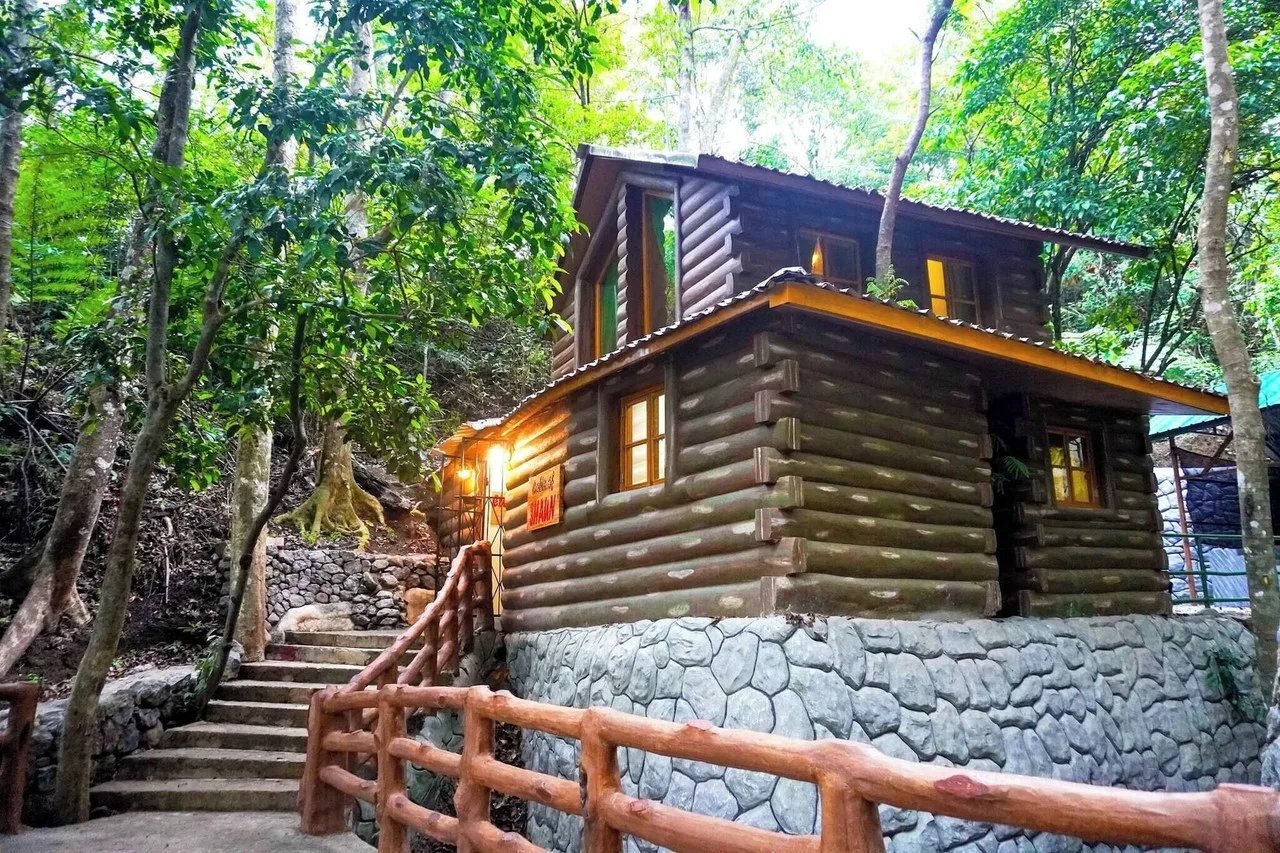
🏡 Real local stays (book direct)
Hand-picked homestays and guesthouses — book direct, no markup.
Browse all local stays →
🌊 Popular activities (book instantly)
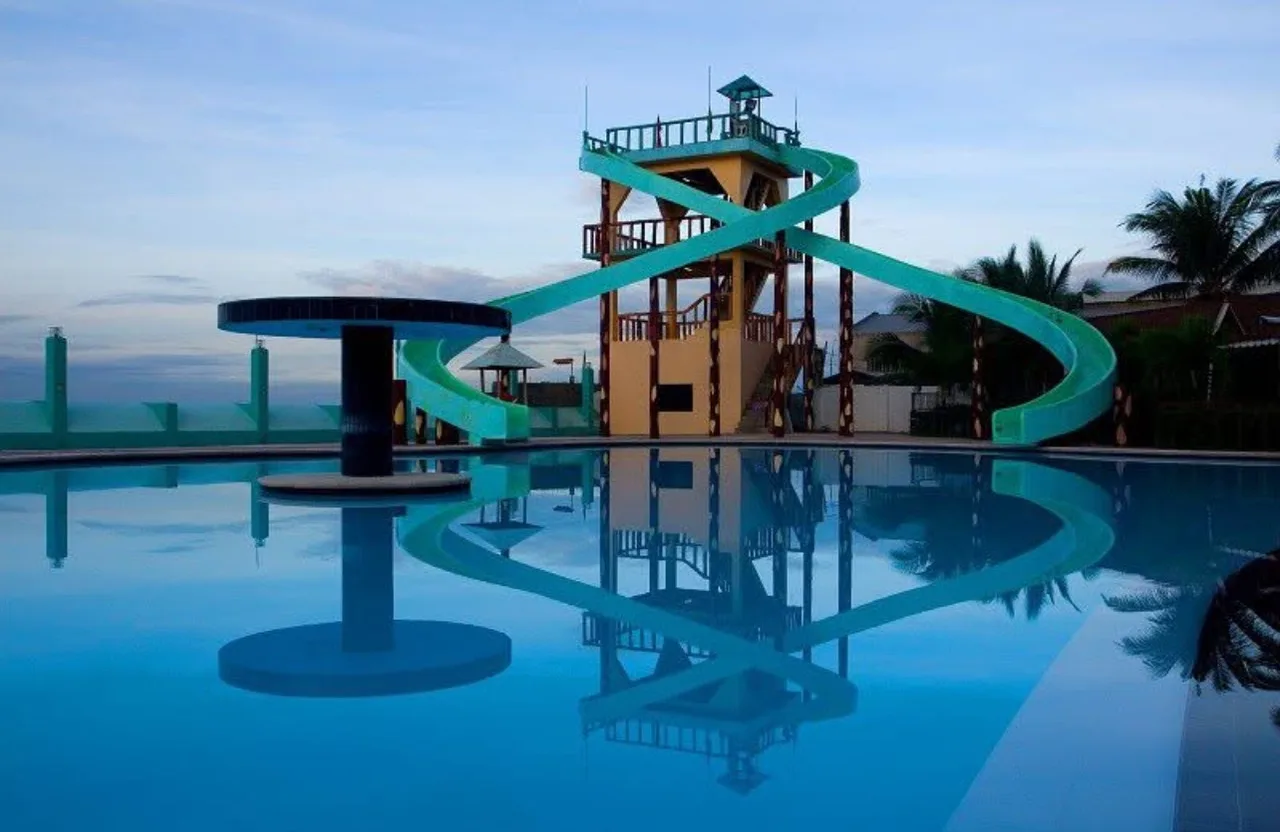
Island hopping, canyoneering, whale sharks — real Klook/GetYourGuide options.
View all activities →