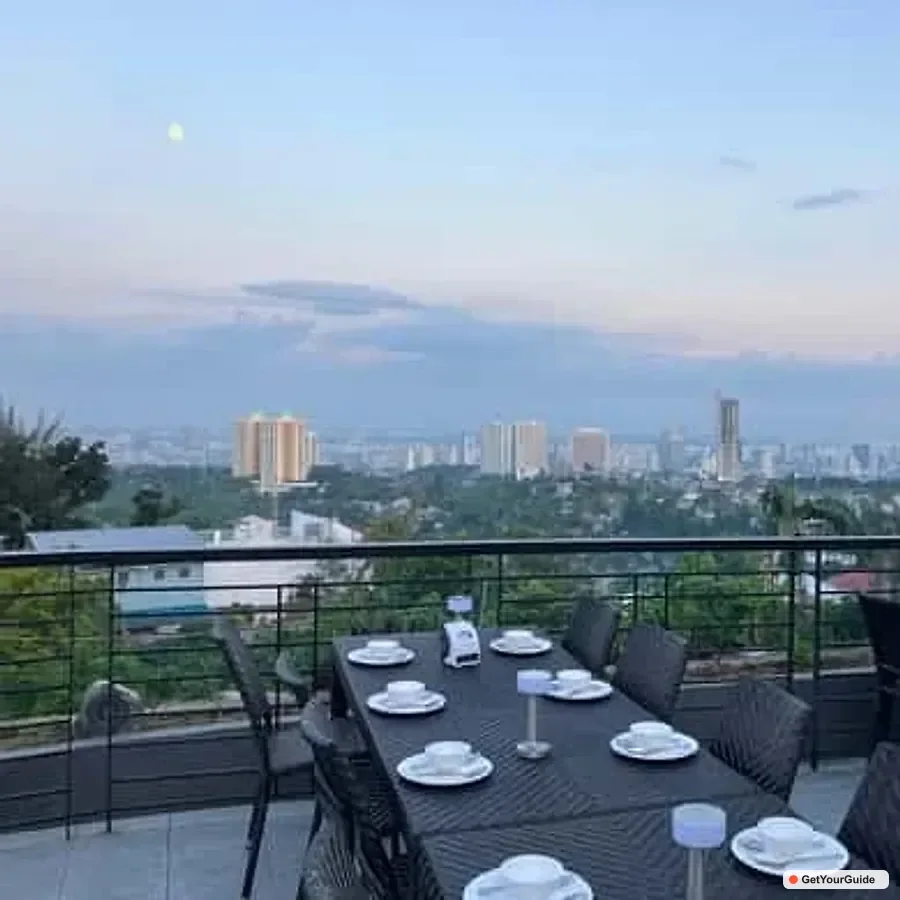
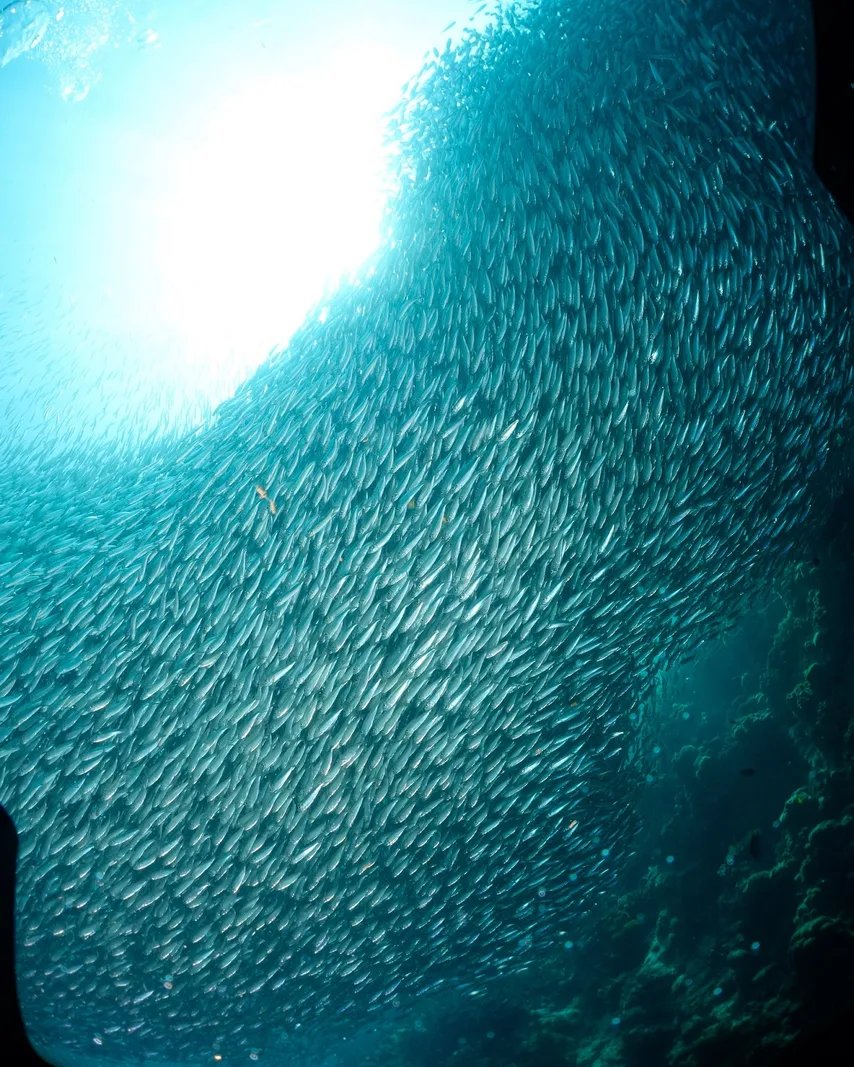
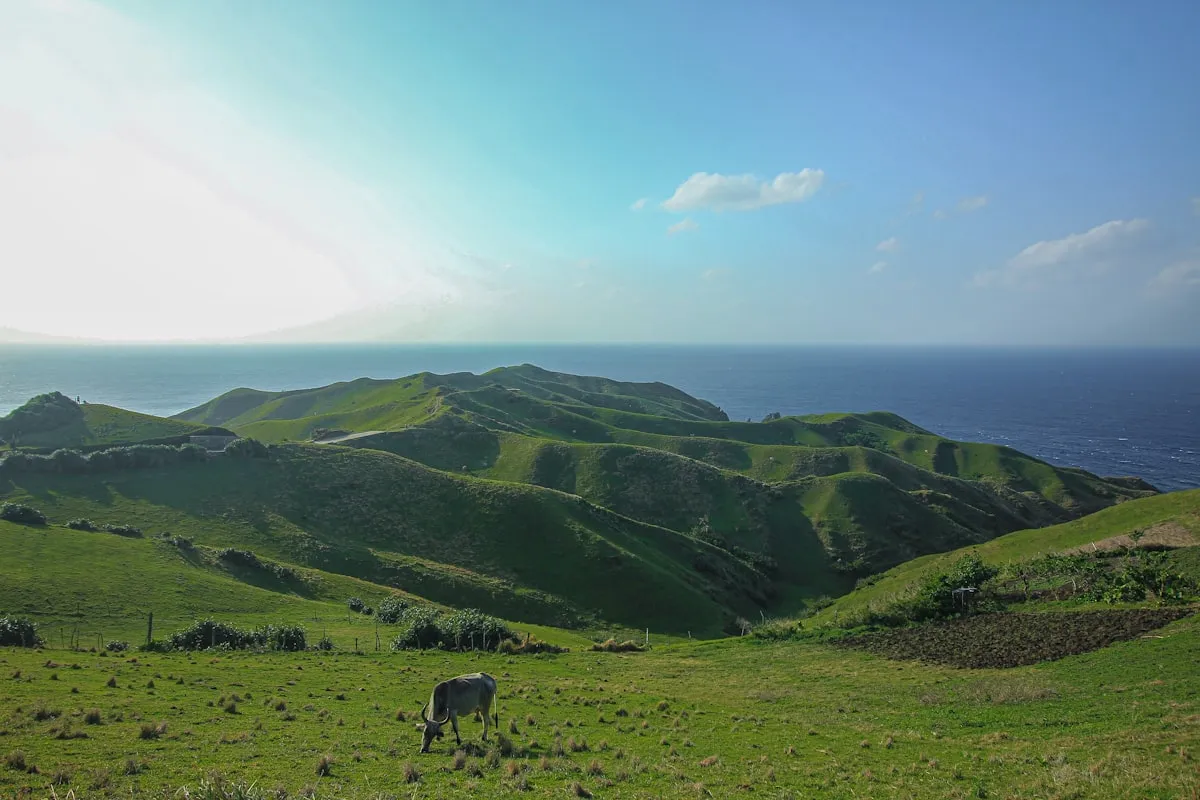
Two islands. Both stunning. Both iconic. But they could not be more different.
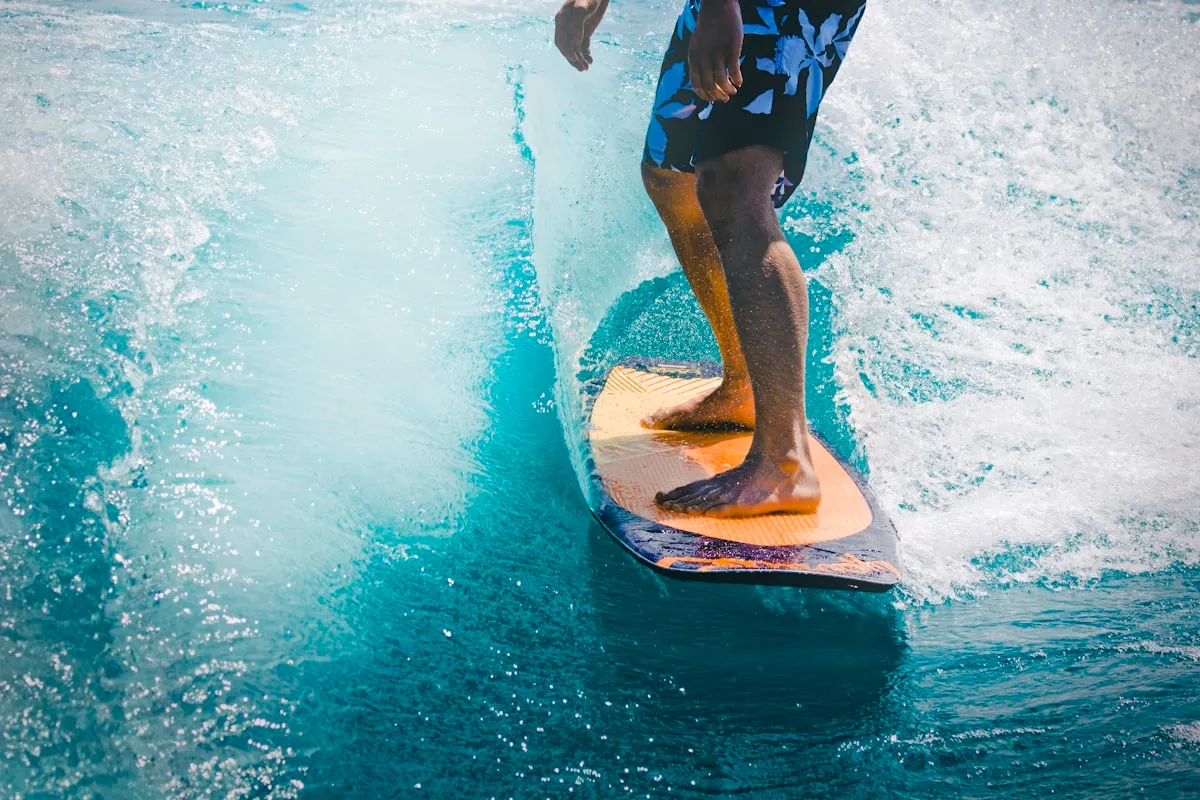
Siargao vs Boracay: Which Philippine Island Is Right for You? (2026)
Trip.com
Search on Trip.comHotels in Boracay
Compare live prices via Travelpayouts — targeted for this guide.
Siargao is the kind of place where time slows down. Where surfers nod at each other on coconut-palm-lined roads, and a "busy day" means two people in a hammock instead of one. Boracay, on the other hand, is the Philippines at full volume: electric sunsets over White Beach, rooftop bars that pump music until sunrise, and a tourism infrastructure that has been polished to a gleam.
Neither island is "better." But one of them is better for you. This guide breaks down both islands honestly — vibe, activities, budget, and logistics — so you can stop overthinking and start booking.
Quick Comparison at a Glance
| Category | Siargao | Boracay |
|---|---|---|
| Atmosphere | Chill, bohemian, surf-town | Lively, party-ready, polished resort |
| Best For | Surfers, nomads, couples seeking quiet | First-timers, beach lovers, party crowd |
| Nightlife | Low-key bars, bonfires | Full clubs, beach bars, live DJs |
| Beaches | Raw, uncrowded, wild | World-famous powdery White Beach |
| Surfing | World-class (Cloud 9) | Kitesurfing (Bulabog), limited wave surf |
| Daily Budget | ₱2,000–3,500 | ₱3,000–5,000 |
| Crowds | Manageable even at peak | Very busy Dec–May |
| Getting There | ~1 hr from Manila (Sayak Airport) | ~1 hr from Manila (Kalibo/Caticlan) |
| Best Months | Oct–Nov (surf), Mar–May (calm sea) | Nov–May (dry season) |
Siargao: The Surf Soul of the Philippines
The Vibe
Siargao does not try to impress you. That is its superpower. The main strip in General Luna is just a few blocks of open-air bars, surf shops, and restaurants connected by bumpy concrete roads flanked by towering coconut palms. You get around by motorbike (₱300–500/day rental) or habal-habal. The dress code is board shorts. Nobody is in a rush. If you have ever romanticized "island time," this is where that phrase was invented.
Trip.com
See all tours in Boracay on Trip.comSurfing lessons in Boracay
Hand-picked experiences in Boracay — book on Trip.com with instant confirmation.
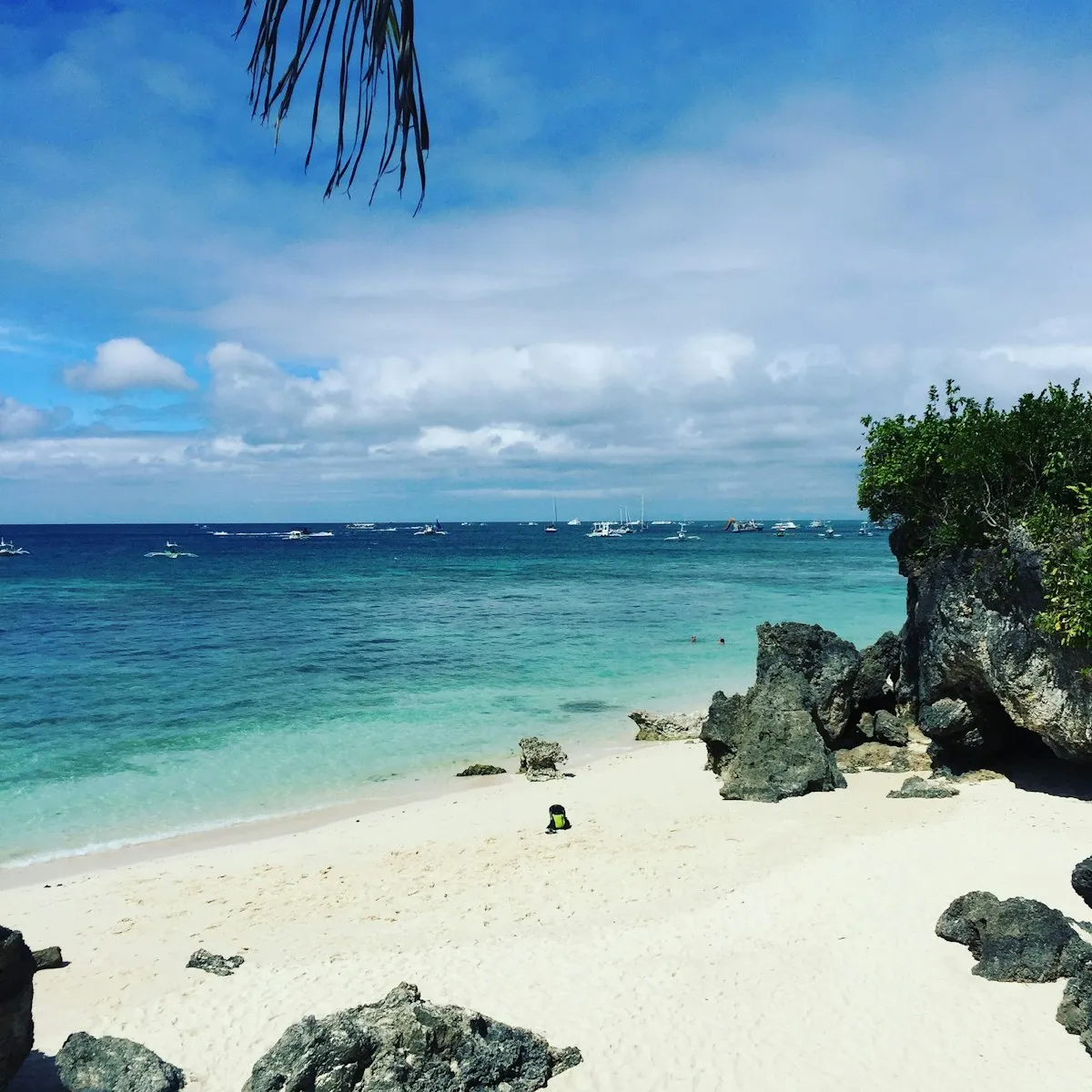
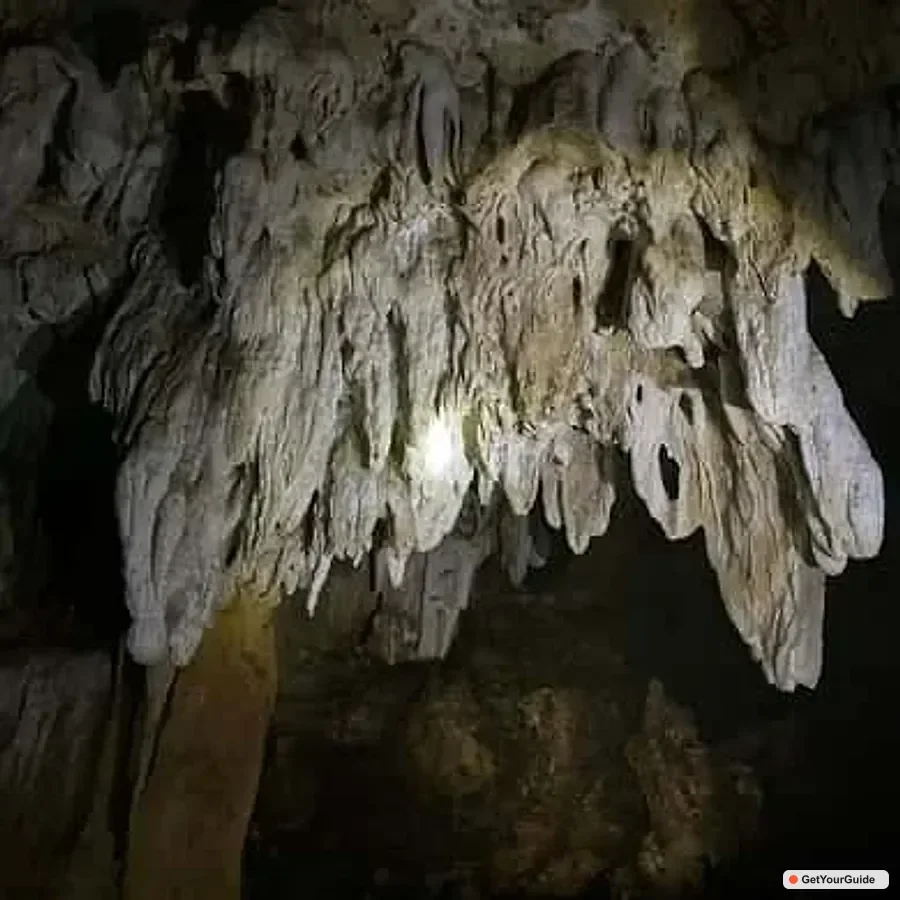
The crowd is an eclectic mix: Filipino surfers who have been coming here for decades, European digital nomads on three-month stays, honeymooners who want romance without the circus, and backpackers who budgeted for one week and stayed for three. It is inclusive, unpretentious, and quietly addictive.
Cloud 9: The Wave That Built a Town
Everything in Siargao orbits around Cloud 9, one of the most celebrated surf breaks in Asia. The wave is a hollow right-hander that barrels over a shallow reef — fast, powerful, and photogenic. It breaks best from October to November when the northeast trade winds arrive and swells push through consistently.
Beginners can take lessons at nearby Jacking Horse or the gentler beach break in General Luna for ₱300–500 per session including board and instructor. Intermediate surfers rent boards for ₱200–350 per hour and paddle out on their own. Cloud 9 itself is for experienced riders — the reef is unforgiving — but the boardwalk above it is where everyone else gathers to watch, sip Coke, and feel genuinely inspired.
Island Hopping: Three Islands You Cannot Skip
Book any of the island-hopping tours from General Luna (₱800–1,200 per person) and you will visit Naked Island, Daku Island, and Guyam Island in a single morning. Naked Island is a pure sandbar rising out of impossibly turquoise water — no trees, no facilities, just you and the Pacific. Daku is larger with a village, fresh coconuts, and a long beach ideal for swimming. Guyam is tiny but gorgeous, ringed by coral and calm snorkeling water.
Bring your own snacks and sunscreen. The boats leave early (around 8 a.m.) and return by early afternoon, leaving you time to catch the evening surf session or a sunset beer at Bravo.
Sugba Lagoon
A 45-minute boat ride from the pier brings you to Sugba Lagoon, a sheltered emerald lagoon tucked inside mangrove forest. Kayaking through the calm water and jumping off the bamboo diving platform are the main activities. Entrance is ₱100 and kayaks rent for ₱150/30 minutes. It is peaceful in a way that feels almost unreal. Go early — by noon, day-trippers from General Luna arrive in numbers.
Food in Siargao
The food scene punches above its weight. Kermit is the iconic spot for wood-fired pizza and pasta — the Napoli-style crust is legitimately excellent. Bravo is the social hub: big portions of Filipino and international food, a lively bar, and the kind of place where solo travelers end up making friends. For budget eating, the local carinderias near the wet market serve rice, adobo, and soup meals for ₱80–120. Do not skip the fresh seafood at the night market — grilled pusit (squid) and sugba (grilled fish) for under ₱200 is a Siargao rite of passage.
Budget in Siargao
Budget travelers doing hostels (₱500–800/night), carinderia meals, and renting a motorbike can manage on ₱2,000 per day. Mid-range travelers at a surf resort (₱2,500–4,000/night), eating at Kermit and Bravo, and doing island hopping will spend closer to ₱3,500 per day. Siargao is genuinely affordable if you avoid the handful of high-end beachfront villas that target the Instagram luxury market.
Boracay: The Philippines' Most Famous Beach
The Vibe
Boracay is the island the Philippines shows to the world. White Beach — the four-kilometer stretch of talcum-powder sand along the island's western shore — is legitimately one of the most beautiful beaches in Southeast Asia. The tourism infrastructure that has grown up around it is equally world-class: hundreds of restaurants, dive shops, massage parlors, watersports operators, and bars ranging from casual beachside nipa huts to proper air-conditioned clubs.
After its 2018 government rehabilitation (a six-month closure that cleaned up the drainage and reduced over-construction), Boracay is in better shape than it has been in years. The beach is wider, the water is cleaner, and the vibe has mellowed slightly — though it is absolutely still a party island at heart.
White Beach: Know Your Stations
White Beach is divided into three stations. Station 1 (northern end) is where the luxury resorts cluster — Shangri-La, Discovery Shores, The Lind. The beach is widest here, the sand is finest, and prices are highest. Station 2 (middle) is the beating heart: D'Mall shopping complex, most of the restaurants and bars, and constant activity. Station 3 (southern end) is the budget zone — smaller resorts, cheaper eats, a quieter ambiance — and a good choice if you want White Beach access without White Beach prices.
Bulabog Beach: For the Kite Crowd
On the island's eastern side, Bulabog Beach is one of Asia's top kitesurfing destinations from November to May when the Amihan winds blow steadily across the bay. Lessons start at ₱3,500 for a beginner session; experienced riders rent kite sets from ₱1,500/hour. Even if you are not kitesurfing, watching the sky fill with colorful kites on a sunny morning is a spectacle.
Activities for Non-Surfers
Boracay's activity menu is enormous. Helmet diving (₱2,500) lets complete non-swimmers walk on the seafloor and feed fish — it is a surprisingly moving experience and a great intro to underwater life. Parasailing, banana boat rides, fly fishing, and sunset paraw sailing (traditional outrigger, ₱1,200–1,800/person) fill out the watersports roster. Island hopping tours visit Crocodile Island and Puka Shell Beach (the quieter northern beach that rivals White Beach in beauty).
Nightlife
If you want to dance, Boracay delivers. Epic Beach Bar is the open-air institution: live DJs, full bar, fire dancers, and a dance floor that spills onto the sand. Summer Place draws a younger crowd with EDM nights. A dozen beach bars between Station 1 and 2 host acoustic sessions, fire shows, and cocktail happy hours (two-for-one until 9 p.m. is standard practice). Nights in Boracay are long and easy to lose.
Budget in Boracay
Budget is doable but requires discipline. Station 3 guesthouses run ₱1,500–2,500/night. D'Mall food courts and the side-street carinderias keep meal costs to ₱150–300. But Boracay tempts you: one cocktail at a beachfront bar is ₱250, a parasailing session is ₱1,200, and a massage on the beach is ₱500. Budget travelers can survive on ₱3,000/day with discipline; most mid-range visitors spend ₱4,000–5,000 easily.
Who Should Choose Siargao?
- Surfers of any level — Cloud 9 is a bucket-list wave; the beginner breaks are excellent and affordable.
- Digital nomads — strong enough WiFi in most resorts, a growing co-working scene, and a community of long-stay travelers who get it.
- Couples seeking romance without crowds — hammocks, candlelit dinners, empty-feeling beaches, and a pace that actually lets you connect.
- Repeat Philippines visitors — if you have done Boracay and El Nido, Siargao is the natural next chapter.
- Budget-conscious travelers — your peso genuinely stretches further here.
Who Should Choose Boracay?
- First-time visitors to the Philippines — White Beach is an easier soft landing: great food, reliable services, and stunning scenery without logistics complexity.
- Non-surfers who want beach activities — helmet diving, kitesurfing, parasailing, and island hopping cover every interest without needing surfing skills.
- Groups and barkadas — the infrastructure handles big groups well; splitting beach cottages, bar-hopping, and day tours are all seamless.
- People who want nightlife — Siargao's bar scene winds down by midnight most nights. Boracay does not.
- Short trips (3–4 days) — Boracay is very compact and easy to "complete" in a long weekend.
Getting There: Both Are Easier Than You Think
From Manila, both islands are roughly one hour by plane.
Siargao: Fly into Sayak Airport (IAO) from Manila (NAIA or Clark). Cebu Pacific and Philippine Airlines both operate the route; tickets range from ₱1,500–4,000 depending on how far in advance you book. From the airport, vans shuttle to General Luna for ₱150–200 per person.
Boracay: Fly into either Kalibo Airport (KLO) or Caticlan Airport (MPH). Caticlan is closer — a short tricycle ride and 10-minute bangka ride to the island — but the airport is tiny and flights book out fast. Kalibo is larger with more flight options, but it is about 1.5 hours by bus from the port. Fares are similarly ₱1,500–4,000 from Manila. Environmental and terminal fees add roughly ₱300–400 on top.
Both airports have enough direct connections from Cebu (CEB) to make a multi-island trip straightforward, which brings us to the best idea in this entire article...
The Verdict: Why Not Both?
Here is the travel secret that seasoned Philippines visitors know: Siargao and Boracay complement each other perfectly. Do both in one trip and you get the full range of what these islands offer.
A 10-day itinerary that works beautifully: Fly Manila → Siargao (5 nights). Surf, island-hop, kayak Sugba Lagoon, eat at Kermit, and genuinely exhale. Then fly Siargao → Cebu (short layover, or an overnight in Cebu City to explore). Then Cebu → Boracay (4 nights). White Beach sunsets, diving, one big night out, and the paraw sailing you have been seeing on Instagram for years. Fly Boracay → Manila. Two islands, one trip, zero regrets.
The Cebu routing makes this easier than it sounds. Cebu Pacific operates the Siargao–Cebu and Cebu–Kalibo legs regularly, and the whole island-hop routing costs ₱5,000–9,000 in total airfare if booked early.
If you absolutely must pick just one: choose Siargao if you surf or crave quiet. Choose Boracay if it is your first Philippine island or you want guaranteed activity. Either way, you are going somewhere that will stick with you long after the tan fades.
Frequently Asked Questions
Is Siargao safe for beginners who have never surfed?
Absolutely. Cloud 9 is for experienced surfers, but Siargao has several beginner-friendly beach breaks near General Luna where certified instructors run lessons for ₱300–500 per session including board rental. Most people stand up on their first or second lesson. The surf school scene is well-developed and the instructors are patient and encouraging.
When is the best time to visit Boracay?
The dry season runs November through May, with December to April considered peak. The weather is sunny and the sea is calm for swimming. June to October is typhoon season — you can still visit, but expect some rainy days and rougher water. November is often a sweet spot: dry season has started but the Christmas crowds have not yet arrived, so prices and beach space are more reasonable.
Can I use a credit card on both islands?
Boracay has widespread card acceptance at restaurants, resorts, and shops — especially in the Station 2 area. Siargao is more cash-dependent. General Luna has a few ATMs (BDO and Land Bank are the most reliable) but they run out of cash during high season. Bring enough Philippine pesos from Manila or Cebu before you arrive in Siargao. ₱5,000–10,000 in cash for a 5-night stay is a safe cushion.
Is Boracay worth visiting after the 2018 rehabilitation?
Yes — most visitors say it is in better shape than it was before the closure. The beach is cleaner, several illegal structures were removed (making the beachfront wider), and stricter rules have reduced the most egregious overcrowding. Some of the rougher nightlife spots did not reopen, giving the island a slightly calmer character. It is still Boracay — busy, vibrant, and tourist-oriented — but it is a healthier version of itself.
How should I split my budget between the two islands if I am doing both?
A useful starting point: allocate 40% more daily budget to Boracay than Siargao. If your Siargao days run ₱2,500 each, plan for ₱3,500 in Boracay. Boracay's accommodation is generally pricier at equivalent quality levels, and the temptation to spend on activities, cocktails, and dining is higher. Book your Siargao accommodation first — the best-value surf resorts fill up quickly during October and November. Boracay has more inventory and is easier to book closer to your travel date outside of the Christmas and Holy Week windows.

PANA.PH Editorial Team
Philippines travel desk
The PANA.PH travel desk researches, books and re-checks Philippines travel logistics — fares, ferry schedules, government fees and permit rules — and publishes what it can verify.
🏡 Real local stays (book direct)
Hand-picked homestays and guesthouses — book direct, no markup.
Browse all local stays →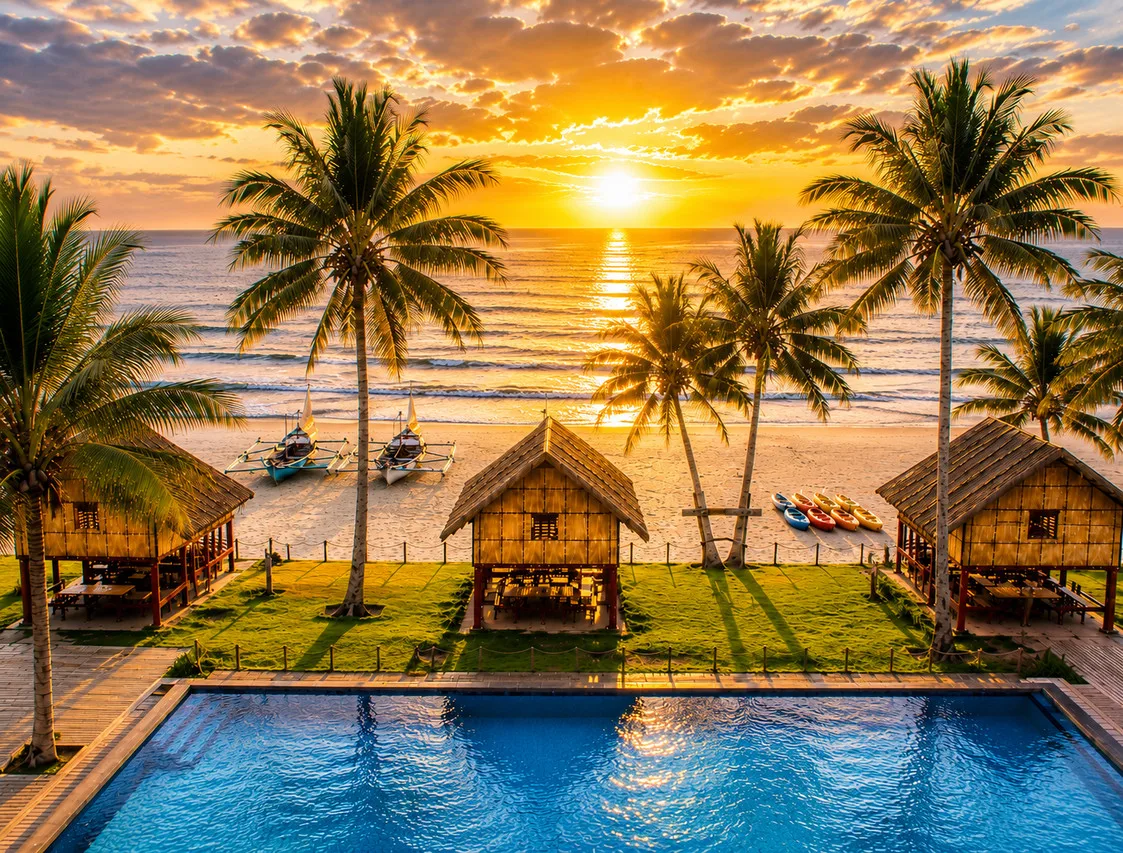
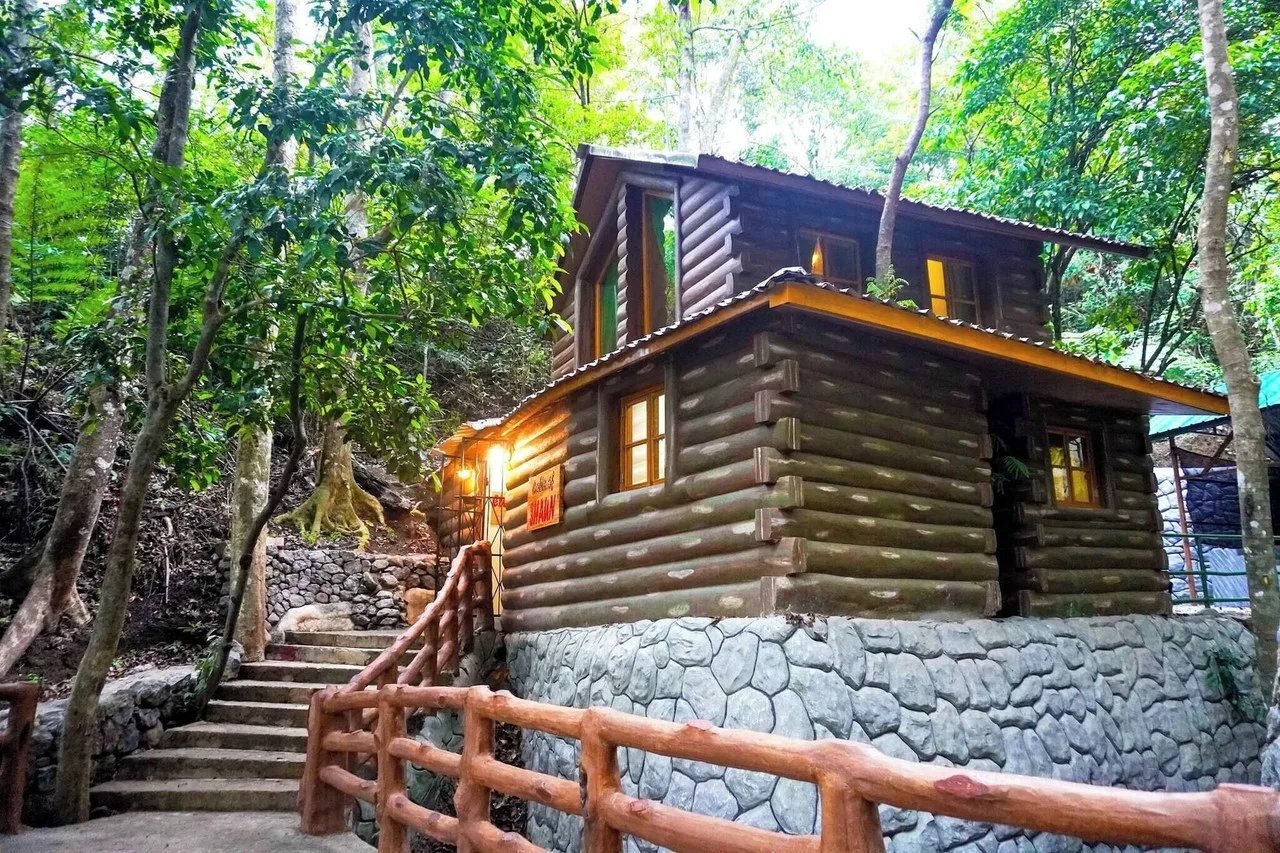
🌊 Popular activities (book instantly)
Island hopping, canyoneering, whale sharks — real Klook/GetYourGuide options.
View all activities →