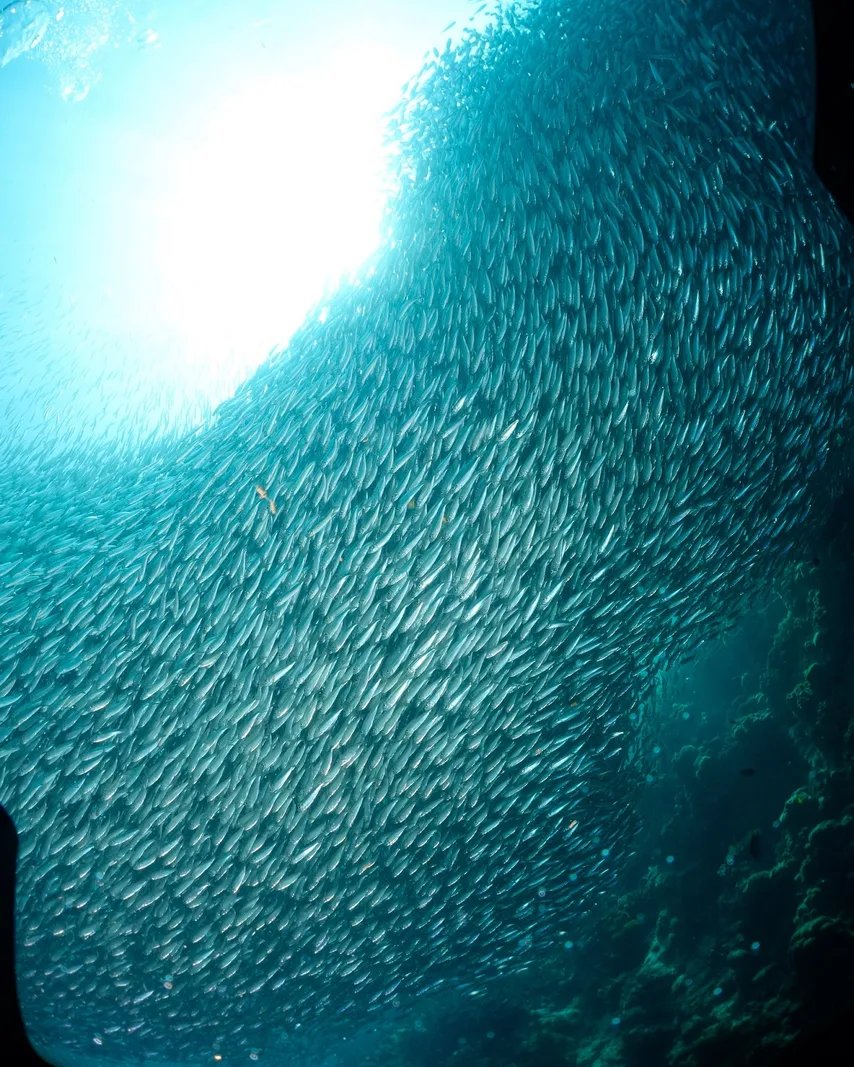
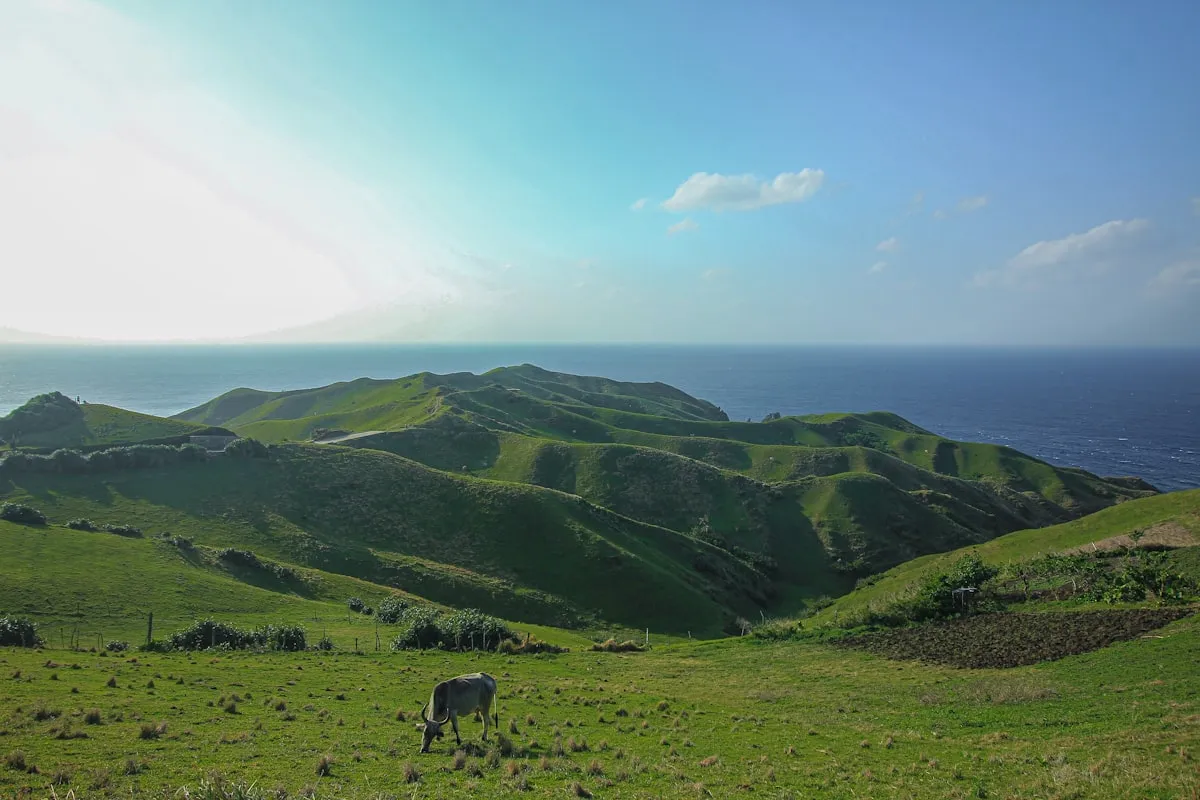
Bali is basically Australia's backyard holiday destination at this point. Every Aussie has been or wants to go. But ask the ones who have been to Siargao and they will tell you the same thing: Siargao is what Bali was twenty years ago, before the Instagram crowds, the roof-deck bars, and the AUD 25 smoothie bowls. This comparison is not about declaring a winner — it is about helping you work out which island actually fits what you want from your next tropical escape.
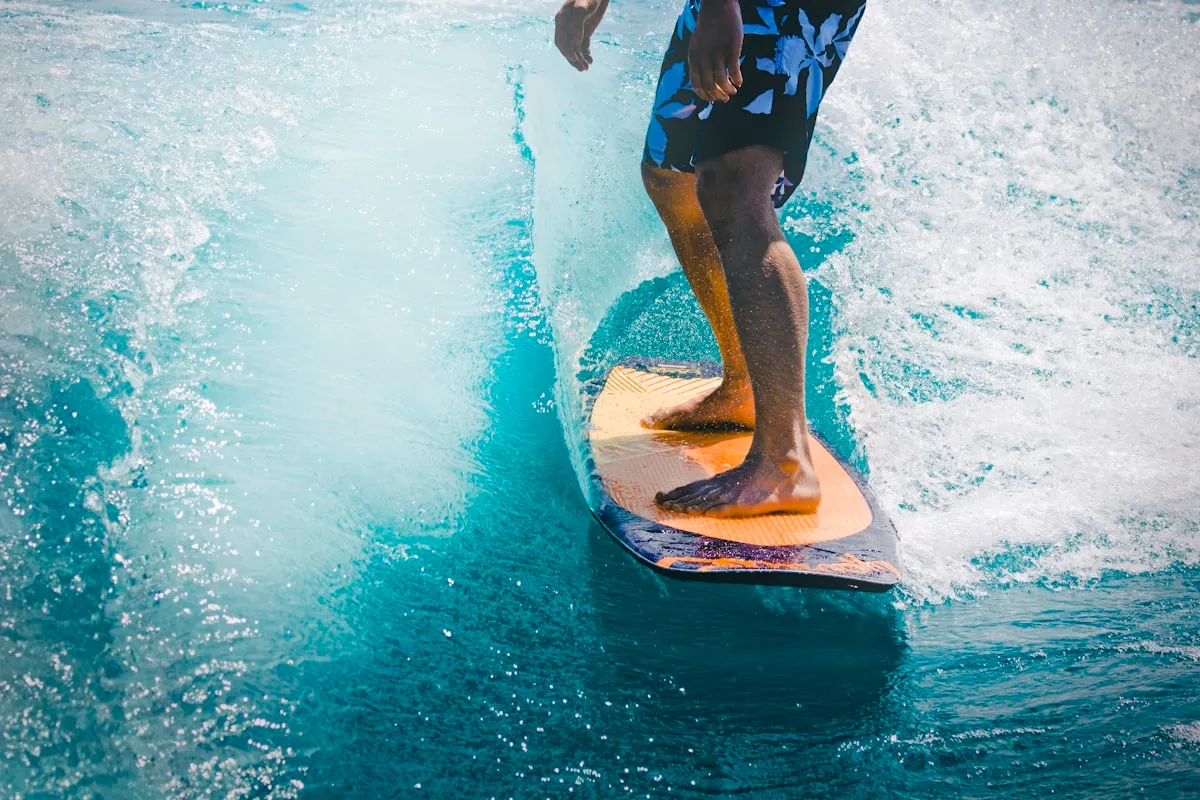
Siargao vs Bali: Which Tropical Paradise for Aussie Travellers in 2026?
Trip.com
Search on Trip.comHotels in Philippines
Compare live prices via Travelpayouts — targeted for this guide.
Getting There: Flights from Australia
This is where Bali has a genuine structural advantage. The Sydney-Bali route is one of the most competitive air corridors in the region — Jetstar, Virgin Australia, AirAsia, Scoot, and Garuda all fight for your seat, and you can regularly find return fares from AUD 380-550 from Sydney or Melbourne on sale. Perth to Bali is under 4 hours and often under AUD 300 return on promotion. It is hard to beat.
Siargao requires more planning. The typical routing from Australia is:
- Sydney or Melbourne to Manila or Cebu (Philippine Airlines, Cebu Pacific, or one-stop via Singapore/Hong Kong): AUD 600-950 return
- Cebu to Siargao (Cebu Pacific or AirAsia domestic): AUD 40-90 one-way
- Or Manila to Siargao direct (Cebu Pacific): AUD 50-110 one-way
Total flights to Siargao: AUD 700-1,100 return from Sydney or Melbourne, budget to mid-range. That is roughly AUD 200-400 more than a cheap Bali return — but it is also a genuinely less-traveled destination with significantly lower in-country costs once you land.
Trip.com
See all tours in Philippines on Trip.comSurfing lessons in Philippines
Hand-picked experiences in Philippines — book on Trip.com with instant confirmation.
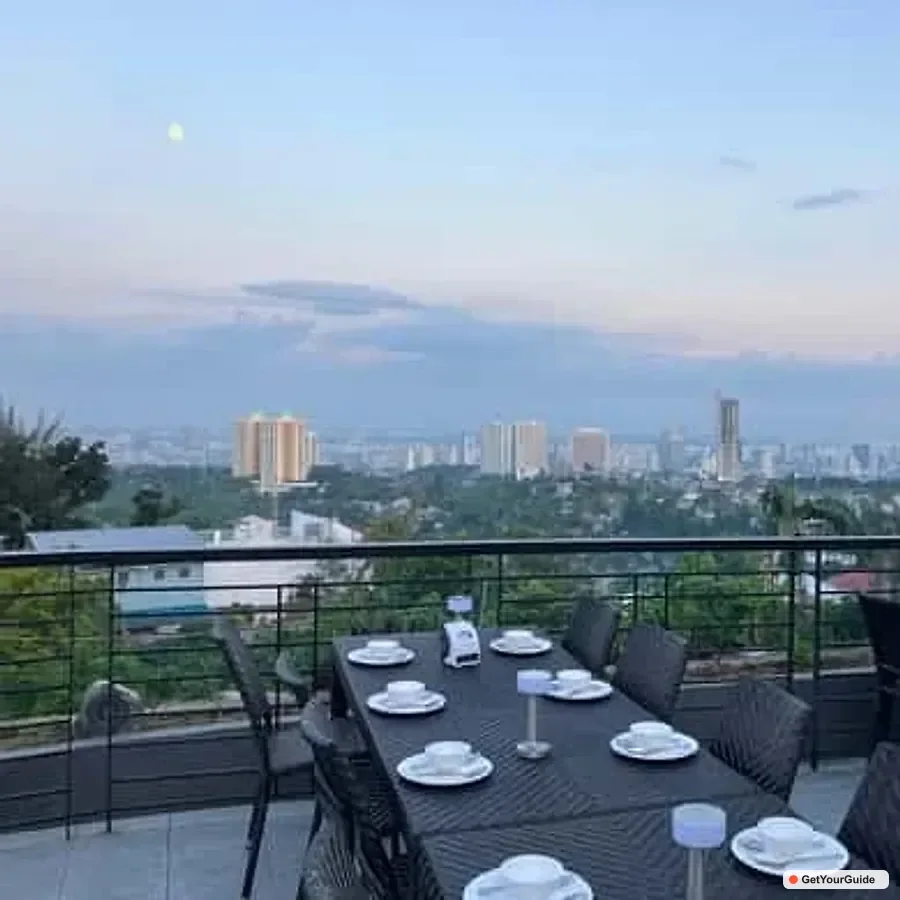


Travel time comparison: Bali is 6-7 hours from Sydney. Siargao is 9-12 hours total including connections. For most Australians, the additional travel time is negligible over a 10-14 day holiday.
Cost Comparison: AUD per Day
Siargao is materially cheaper than Bali for equivalent experiences. Here is a side-by-side comparison at mid-range level:
| Category | Bali (Canggu/Seminyak) | Siargao |
|---|---|---|
| Private room, mid-range | AUD 55-90/night | AUD 30-65/night |
| Surf camp dorm | AUD 25-45/night | AUD 15-30/night |
| Local meal | AUD 4-9 | AUD 2-5 |
| Cafe/Western food | AUD 12-22 | AUD 8-16 |
| Beer at a bar | AUD 4-7 | AUD 2-4 |
| Surf board rental (per day) | AUD 18-30 | AUD 10-20 |
| Scooter/motorbike rental | AUD 10-18/day | AUD 8-15/day |
| Island hopping tour | AUD 35-65/person | AUD 20-45/person |
| Mid-range daily total | AUD 110-180 | AUD 70-130 |
Over a 10-day trip, the difference averages AUD 400-600 in Siargao's favour at mid-range spending — enough to cover the higher airfare difference and still come out ahead.
Surf Quality: Cloud 9 vs Uluwatu
For serious surfers, this is not a close contest. Cloud 9 on Siargao is a world-class right-hand reef break that hosts the annual Siargao Cloud 9 Surfing Cup, an ISA World Surfing Games qualifying event. The wave breaks clean over a shallow coral shelf, producing powerful, hollow tubes that handle swells up to 8 feet and beyond during peak season (August through October). It is legitimately in the conversation with Indonesia's best breaks.
Uluwatu is excellent — a long, fast left-hander on Bali's Bukit Peninsula — but it is extremely crowded. On a good day at Uluwatu you can have 80-150 surfers in the water competing for the same waves. Locals and experienced Balinese surfers have priority, and the drop-in culture can be aggressive. Kuta and Legian are beginner-friendly but the water quality is genuinely poor due to Bali's unresolved sewage and plastic pollution issues.
Cloud 9 also gets crowded during its peak season but at a fraction of Uluwatu's numbers. And Siargao has other breaks nearby — Stimpy's, Tuason Point, Quicksilver — that see far fewer surfers and are accessible by habal-habal (motorbike) in 20 minutes.
Verdict for intermediate to advanced surfers: Siargao wins. The wave quality is equal or better, the crowds are dramatically lower, and the water is clean.
Verdict for beginners: Bali is easier. Kuta Beach has a well-established beginner surf school infrastructure. Siargao has schools but the shallow reef at Cloud 9 is not forgiving for beginners — the learning breaks nearby (in front of General Luna) are fine but not as structured.
Crowd Levels: The Honest Assessment
Bali's southern triangle — Kuta, Seminyak, Canggu — is genuinely overcrowded. Traffic in Canggu during peak season (July-August) is at standstill for hours. Popular restaurants have 45-minute waits. The beach at Kuta in August looks like Bondi on Australia Day. Even Ubud has become overrun with digital nomads and yoga retreaters to a degree that the authentic Balinese cultural experience requires deliberate effort to find.
Siargao has developed significantly since 2018 but remains small-island scale. General Luna — the main hub — has perhaps 30-40 restaurants and cafes, a handful of proper beach bars, and an overall population of travellers that feels like a village rather than a resort strip. During peak season (August-October) it gets busy, but "busy for Siargao" is "quiet Tuesday for Canggu."
Fellow Australian travellers are very present in Siargao — you will meet Aussie surfers, Aussie backpackers, and Aussie couples everywhere in General Luna. The Australian community on the island is active and welcoming.
Food Scene Comparison
Bali wins on food variety and quality at the high end. Canggu has outstanding cafes, Seminyak has genuinely excellent fine dining, and the vegan/health food scene is world-class if that is your thing. Indonesian food itself — nasi goreng, satay, gado-gado, babi guling — is outstanding and cheap.
Siargao's food scene is smaller but punches above its weight given the island's size. Fresh seafood is exceptional — grilled tuna, kinilaw (Filipino ceviche), and coconut crab are standouts. Filipino cuisine in General Luna has evolved to include quality Western cafes, good Italian, and craft beer bars. The overall scene is smaller than Bali but entirely satisfying for a 10-14 day trip.
Nightlife: Different Scales
Bali has proper nightlife. Sky Garden in Kuta, Ku De Ta in Seminyak, and the Canggu beach bars are internationally known venues. If you want full-on party nightlife, Bali is your place.
Siargao has a beach bar scene centered on General Luna — think bonfires on the beach, live acoustic sets, San Miguel drafts, and conversation with other travellers until midnight. It is social and fun but nothing like Bali's club scene. If you are on Siargao for the surf, the nightlife sweet spot is exactly right — enough fun without wrecking your 5am session at Cloud 9.
Island Hopping and Diving
Bali's day trips (Nusa Penida, Nusa Lembongan) are excellent and well-organized. Nusa Penida's snorkeling with mola-mola (ocean sunfish) and manta rays is world-class. The infrastructure is very tourist-friendly.
Siargao's island hopping covers Naked Island, Daku Island, and Guyam Island — three photogenic small islands accessible by bangka boat in a day trip. The vibe is more raw and less packaged. Nearby Bucas Grande and Sohoton Cove (a UNESCO-nominated site) are genuinely spectacular — bioluminescent jellyfish lake, cathedral caves, and brackish lagoons that look like another planet. The diving around Siargao itself is solid, with healthy hard coral gardens and decent visibility.
Safety Comparison
Both destinations are broadly safe for Australian tourists. Bali sees occasional petty theft in heavily touristed areas and a persistent scooter-accident problem among tourists unfamiliar with Indonesian road conditions. The drug laws in Indonesia are severe — possession of even small quantities carries mandatory prison sentences, and Australians have served long sentences in Bali's Kerobokan Prison.
Siargao is safe and low-crime. The Philippines has DFAT's "Exercise a high degree of caution" advisory for the country overall, but Siargao specifically is in the "normal tourist caution" category with no elevated travel warnings. Drug laws in the Philippines are equally severe — the Duterte-era enforcement legacy means zero tolerance is genuinely enforced.
Instagram and Visual Appeal
Both destinations photograph beautifully. Bali has the photogenic rice terraces of Tegallalang, the Gates of Heaven at Pura Lempuyang, and the Canggu surf aesthetic. Siargao has Cloud 9's iconic wooden boardwalk tower, General Luna's palm-lined roads, Naked Island's sandbar, and the Sohoton Cove caves. Siargao's visual palette — vivid green palm groves, perfectly clear turquoise water, wooden stilted surf camps — has a rawness that reads as more authentic and less curated than Bali's increasingly Instagram-optimized scenery.
Budget Comparison: One Week
Based on a mid-range 7-night trip including flights from Sydney:
- Bali, 7 nights: Flights AUD 480 + 7 nights AUD 560 (AUD 80/night avg) + 7 days expenses AUD 770 (AUD 110/day) = approximately AUD 1,810
- Siargao, 7 nights: Flights AUD 820 + 7 nights AUD 350 (AUD 50/night avg) + 7 days expenses AUD 630 (AUD 90/day) = approximately AUD 1,800
Remarkably similar total cost once you account for Siargao's lower in-country prices offsetting the higher airfare. For a longer trip (14+ days), Siargao's lower daily costs pull it into a clear budget advantage.
Frequently Asked Questions
Is Siargao better than Bali for surfing?
For intermediate to advanced surfers: yes, Siargao is better. Cloud 9 is a world-class wave with a fraction of Uluwatu's crowd. For complete beginners, Bali's Kuta Beach has a better-developed learning infrastructure. Both destinations have waves; Siargao's are more powerful and less crowded, which is better for progression once you are past the basic stage.
How do you get from Australia to Siargao?
Fly from Sydney, Melbourne, or Brisbane to either Manila or Cebu (Philippine Airlines, Cebu Pacific, or one-stop via Singapore Airlines or Cathay Pacific), then take a domestic Cebu Pacific or AirAsia flight to Siargao (Sayak Airport). Total travel time is typically 9-12 hours. Book your domestic connection at least a few days after your international arrival to allow for delays.
Is Siargao getting too crowded?
Compared to Bali, no — not even close. Siargao has developed significantly since its international discovery around 2017-2019, and peak season (August-October) sees real crowds at Cloud 9 and General Luna. But the island's overall infrastructure and visitor numbers remain at a scale that most travellers describe as refreshingly uncrowded compared to Bali or Thai resort destinations.
What is the best time for Australians to visit Siargao?
The sweet spot for Australians is the Australian winter escape period — June through October — which aligns perfectly with Siargao's surf high season. The southwest monsoon that bashes western Philippines and Boracay during this period largely spares Siargao due to its northeast-facing geography. Cloud 9 peaks August through October. Dry season (March-May) is also good for non-surfers.
Can I do both Bali and Siargao in one trip?
Yes, but it requires planning. A Bali-Philippines combination works well with a Singapore Airlines or Cathay Pacific itinerary routing through their respective hubs. Budget at least 14 days total to make the trip worthwhile — 5-7 days in each destination minimum. Some travellers also add Cebu or El Nido to the Philippines leg. The combination makes for an extraordinary two-country trip that most Australians have not done.

PANA.PH Editorial Team
Philippines travel desk
The PANA.PH travel desk researches, books and re-checks Philippines travel logistics — fares, ferry schedules, government fees and permit rules — and publishes what it can verify.
🏡 Real local stays (book direct)
Hand-picked homestays and guesthouses — book direct, no markup.
Browse all local stays →
🌊 Popular activities (book instantly)
Island hopping, canyoneering, whale sharks — real Klook/GetYourGuide options.
View all activities →