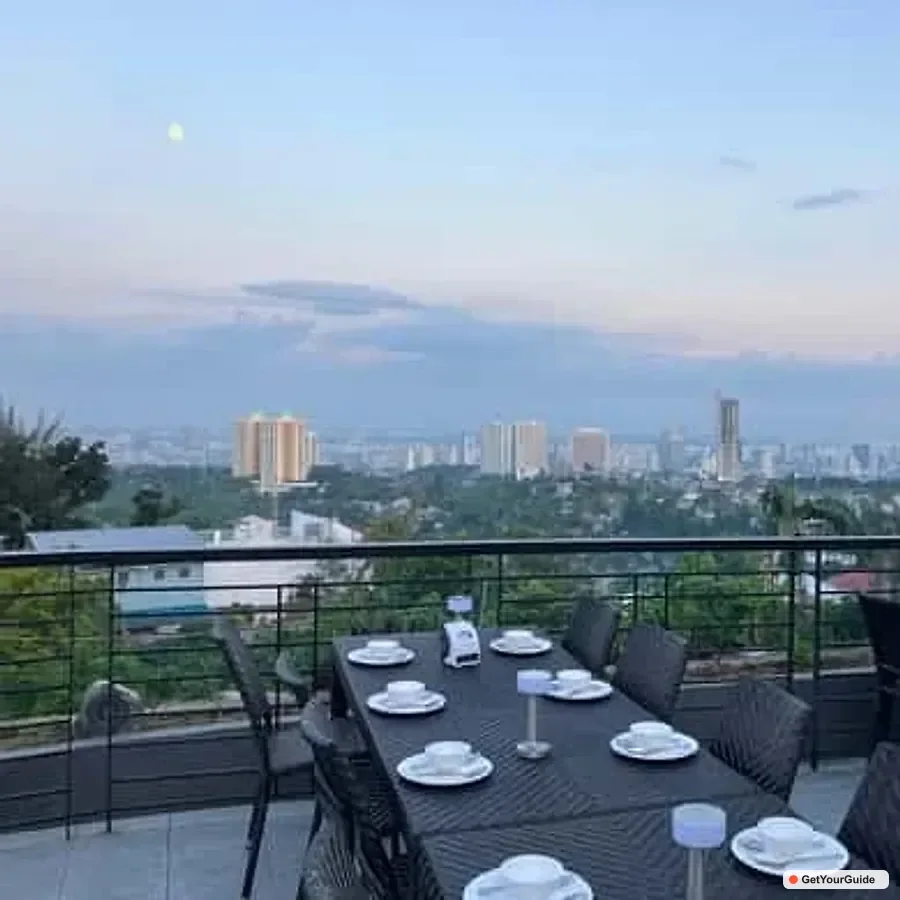
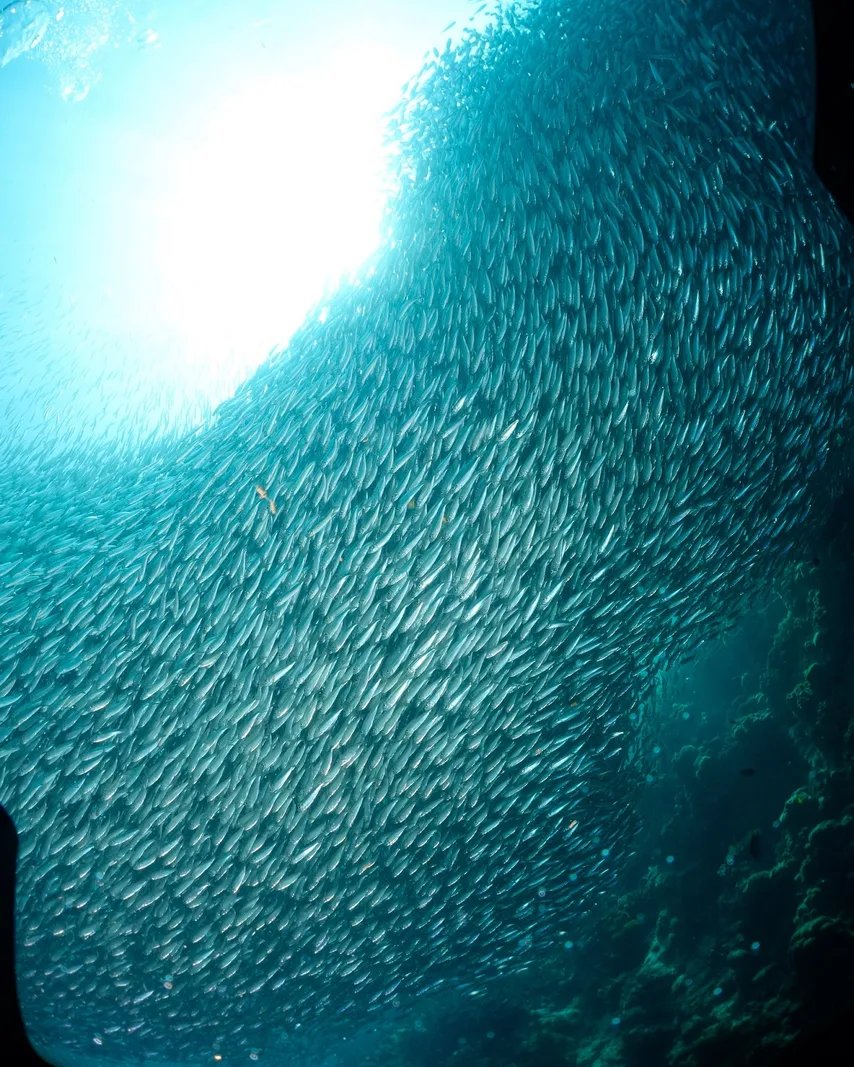
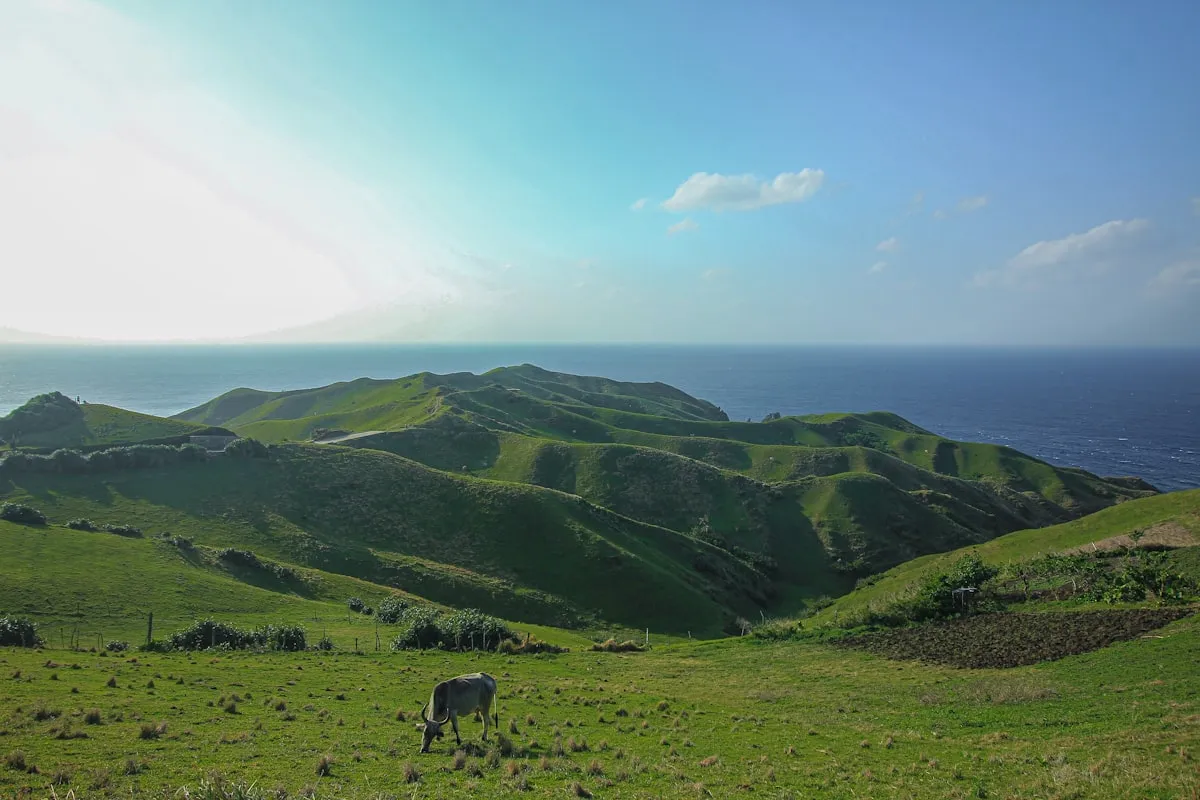
The Philippines is world-famous for beaches. Powder-white sand, turquoise lagoons, island-hopping at sunset — that is the postcard, and it is real. But there is another Philippines, one that most tourists miss entirely: a cold, pine-scented, fog-draped highland world in the Cordillera mountains of northern Luzon. And at the heart of it sits Sagada — a small mountain town at 1,500 metres elevation where the temperature drops to 8°C on winter nights, where ancient Igorot burial traditions drape wooden coffins along cliff faces, and where the loudest sound you will hear is the wind through pine trees. Zero beaches. Zero resorts. Zero crowds by Filipino standards. Just mountains, caves, waterfalls, and a culture that has been here for millennia before anyone invented the hashtag.
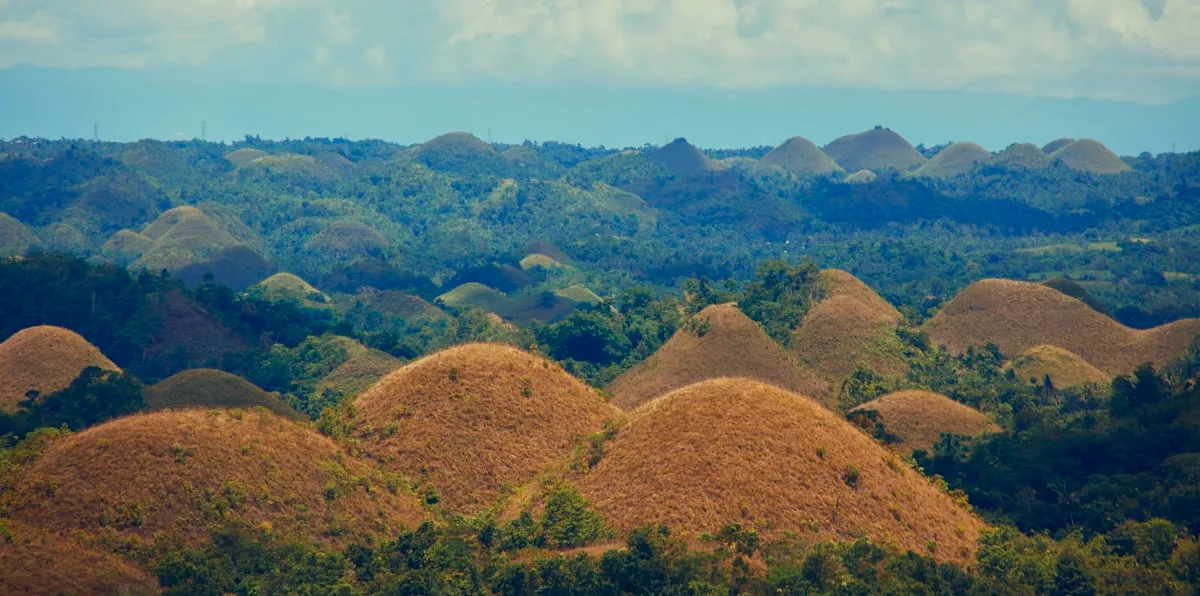
Sagada Travel Guide: Coffin Caves, Rice Terraces & the Philippines' Cool Mountain Town
Hotels in Philippines
Compare live prices via Travelpayouts — targeted for this guide.
If you have already done Palawan and Boracay, or if you simply want something completely different, Sagada is the answer. This guide covers everything: how to get there, what to do, where to eat, and how to handle the place with the respect it deserves.
Getting to Sagada
Sagada is not easy to reach — and that is part of its appeal. There are no domestic airports nearby. You get there by bus, on roads that wind through the mountains in ways that will either delight or terrify you depending on your tolerance for switchbacks.
From Baguio (Recommended)
The most common and most comfortable route. Buses run from Baguio's Dangwa Terminal to Sagada daily. The journey takes 4 to 5 hours through increasingly dramatic mountain scenery, and costs around PHP 200–250 one way. GL Trans and other operators make this run. Baguio itself is worth at least one night — it is the Philippines' summer capital, sitting at 1,450 metres, with its own cool-weather charm, strawberry farms, and the famous Burnham Park.
Hiking tour in Philippines
Hand-picked experiences in Philippines — book on Trip.com with instant confirmation.
From Manila (Overnight Bus)
Several bus lines (Coda Lines, GL Trans) operate overnight buses from Manila to Sagada directly, or with a connection in Baguio or Bontoc. Expect 9 hours total, with fares around PHP 600–800 one way. Departures are typically in the evening so you arrive in the morning. Bring a blanket — the bus gets cold as you climb, and the mountains at 3 am are genuinely chilly.
Practical tip: Once you arrive in Sagada, you must register at the Municipal Tourism Office before exploring. There is a small environmental fee. This is non-negotiable and takes about 5 minutes. Do it first.
When to Go
Sagada has a clearly defined good season and a period to avoid:
October to April is the dry season in the Cordillera. Days are crisp and clear, the views from Kiltepan Peak are unobstructed, cave treks are safe, and the waterfalls run strong but not dangerously so. December and January nights can drop below 10°C — locals wear full winter coats and it is genuinely cold by any Southeast Asian standard. Bring layers.
July to September is a harder time to visit. The southwest monsoon brings heavy rain to the mountains, trails become slippery and sometimes dangerous, landslides are a real possibility on the mountain roads, and fog can sock in the valley for days, ruining sunrise hikes. It is not impossible to visit, but you are rolling the dice. The window between May and June can be fine, but conditions vary.
What to Do in Sagada
Sumaguing Cave
The crown jewel of Sagada. Sumaguing is a massive limestone cave system that requires a proper spelunking descent — you will be clambering over wet rocks, squeezing through passages, lowering yourself down on ropes, and getting comprehensively muddy and wet. It is outstanding. The cave contains some extraordinary formations: the King's Curtain, the Rice Granary, the Shower Room. The whole experience takes 2 to 3 hours inside.
Guides are mandatory (no independent entry), and the combined guide-plus-equipment fee runs PHP 800–1,200 depending on group size and whether you do the full spelunking route or the lighter connection cave tour. Book through the tourism office on arrival. Wear clothes you do not mind destroying, and do not bring anything you cannot afford to get wet.
Hanging Coffins of Sagada (Echo Valley)
This is Sagada's most photographed sight and one of the most unusual burial traditions in the world. For centuries, the Igorot people of the Kankanaey tribe have interred their dead in wooden coffins suspended on cliff faces, high above the valley floor. The belief is that the higher the coffin, the closer the spirit is to the ancestral realm. Some coffins date back hundreds of years; others are more recent, because the practice continues today for elders who request it.
The Echo Valley viewpoint is free to visit and a short walk from the town centre. A guide is recommended both to explain the cultural significance and to ensure visitors behave respectfully — do not shout across the valley (the "echo" is a common instinct but considered disrespectful near a burial site), do not touch or approach the coffins, and do not treat this as a photo-only stop. Take a moment to actually absorb what you are looking at. It is genuinely extraordinary.
Bomod-ok Falls (Big Falls)
Sagada's most spectacular waterfall and one of the finest in the Cordillera. Bomod-ok is a powerful curtain of water dropping into a clear mountain pool, surrounded by terraced rice paddies. The trek to reach it is 2.5 hours each way through the barangay of Fidelis, past rice fields and small farming communities. The trail descends steeply in places and is slippery after rain.
A guide fee of around PHP 200 is charged at the trailhead — this is community-managed and goes directly to the local barangay. The falls are absolutely worth the effort; most visitors say it is the highlight of their Sagada trip. Bring water, snacks, and proper footwear. Sandals will not survive this trail.
Kiltepan Peak Sunrise
The alarm goes off at 4:30 am. You grumble, put on every layer of clothing you packed, and walk (or motorbike) up to Kiltepan Peak in the dark. And then the sun rises above the sea of clouds that fills the valley below, turning the entire Cordillera landscape gold and pink, with rice terraces emerging from the mist like something from a fantasy novel. It is, genuinely, one of the most beautiful things you can see in the Philippines.
Entrance fee is PHP 200. The cloud sea is most reliable from November to February. On clear summer days you still get a dramatic mountain sunrise, just without the cinematic clouds. Arrive by 5:15 am at the latest — the peak fills up and you want a good position before the light changes.
Lake Danum and Marlboro Hills
A gentler option for an afternoon: Lake Danum is a small crater lake surrounded by pine trees, a 15-minute walk from town. Marlboro Hills (Pongas Hills) offers sweeping 360-degree views of the Sagada valley and surrounding mountains — named, somewhat incongruously, after a cigarette brand, because a local farmer's rolling fields reminded someone of an old Marlboro advertisement. The sunset views here rival Kiltepan at a fraction of the effort.
Lumiang Burial Cave
Another cave containing dozens of stacked coffins at its entrance — older and more weathered than the hanging coffins of Echo Valley. Some of the coffins here are estimated to be over 500 years old. Many visitors combine Lumiang with the Sumaguing Cave connection tour, which involves traversing between the two cave systems underground (around 3 hours, requires a guide, slightly more expensive at PHP 1,000–1,500). It is the more adventurous option and highly recommended for those comfortable in tight spaces.
Food in Sagada
Sagada's food scene is small, charming, and surprisingly good for a town of this size. A few places have become genuine institutions.
Log Cabin
The most famous restaurant in Sagada, known across the Philippines for one thing above all others: yogurt. Specifically, their thick, homemade yogurt served with strawberry jam and granola, which is as good as the reputation suggests. Breakfasts run PHP 200–300 and the log fire interior is exactly what you want after a cold Sagada morning. The menu extends to proper Filipino and Western mains for lunch and dinner. Go for breakfast — that is when it shines.
Sagada Lemon Pie House
There is a standing argument about whether this is the best lemon pie in the Philippines. Many people believe it is. The crust is buttery, the filling is tart and creamy without being cloying, and at around PHP 100 per slice, it is one of the great value snacks in the country. Buy a whole pie to take home if you have the luggage space. They sell out. Go early.
Salt & Pepper Diner and Yoghurt House
Both are solid options for straightforward Filipino meals, coffee, and warming soups after a cave trek or waterfall hike. Sagada does not have fine dining — it has honest, homey food that is exactly what you need at altitude. Prices throughout town are modest, with most full meals running PHP 150–250.
Accommodation
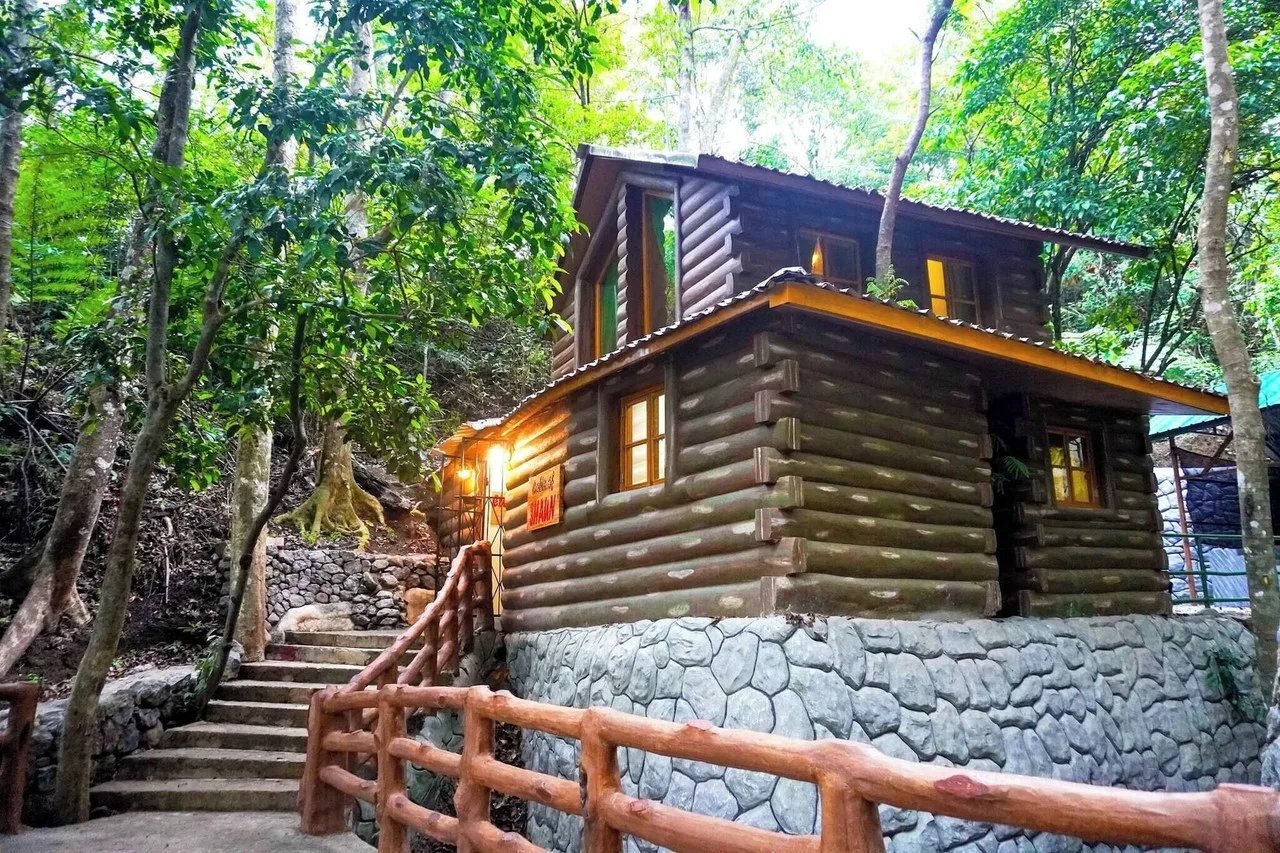
Sagada runs almost entirely on small family guesthouses and lodges. There are no international hotel chains and no resorts. This is a feature, not a bug. Most accommodation is simple but clean, with blankets, hot showers (a genuine necessity here), and owners who are happy to give local advice.
Rates run PHP 600–1,500 per night for a private room. At peak season — Holy Week in April, Christmas–New Year, and the October–November shoulder period — rooms sell out days in advance. Book as early as possible. Many guesthouses do not have sophisticated online booking systems; a direct Facebook message or phone call often works better than booking platforms. Ask the tourism office on arrival if you need a last-minute room — they maintain a list of available accommodation.
Budget: What to Expect
Sagada is, by Philippines standards, an expensive destination — not because it is luxurious, but because everything has to be transported up mountain roads. Food costs more than in Manila. Guides are not optional for most activities. Transport adds up.
A realistic daily budget is PHP 2,000–3,500 per day, covering accommodation, meals, one or two paid activities (cave entry + guide, waterfall trek), and local transport. This is roughly double what you would spend in a comparable destination in the Visayas. Budget travelers can push below PHP 2,000 by staying in dorms and doing fewer paid activities; travelers who want private rooms and do multiple cave tours will hit PHP 3,500 easily.
The Igorot People and Cordillera Culture
Sagada is not just a set of tourist attractions — it is a living community with a cultural heritage stretching back thousands of years. The indigenous Kankanaey people, a subgroup of the broader Igorot ethno-linguistic group, have inhabited these mountains since long before Spanish colonization. Remarkably, the Cordillera highlands were never fully conquered by Spain, which is why the mountain communities retain far more of their pre-colonial traditions than most of the lowland Philippines.
The mummy tradition — burying the dead in wooden coffins hung on cliffsides, or in cave systems — is one of the most distinctive of these practices. The Igorot people also practice ancient rice-terrace agriculture, and the terraces visible around Sagada and Banaue are not historical relics but active, functioning farms. Treat the cultural sites with corresponding respect: lower your voice near burial areas, ask before photographing people, and engage with locals as fellow humans rather than as background colour for a travel photo.
Combine Sagada with Banaue Rice Terraces
If you are already in the Cordillera, leaving without seeing the Banaue Rice Terraces would be a genuine missed opportunity. Banaue is approximately 2 hours from Sagada by road (via Bontoc), and the terraces — carved into the mountainside over 2,000 years ago by the Ifugao people — are a UNESCO World Heritage Site. They are often called the "Eighth Wonder of the World," and while that is marketing hyperbole, the scale and antiquity of the terraces is breathtaking up close in a way that photographs cannot fully capture.
Add two nights in Banaue to your itinerary. The Batad amphitheatre terraces (accessible by jeepney and a 45-minute hike) offer the most dramatic views. Tappiyah Falls, a 2-hour trek from Batad, is another highlight. Budget PHP 1,500–2,500 per night for accommodation in Banaue, slightly cheaper than Sagada. A combined Sagada–Banaue trip of 5–6 nights is one of the great Philippine highland itineraries.
Practical Tips
- Bring warm clothes. This cannot be overstated. Nights drop to 8–12°C in the cool season. A light jacket is not enough — bring a proper fleece or down layer. Locals sell second-hand jackets in the market if you arrive underprepared.
- Cash only. There are no ATMs in Sagada as of recent reports. Bring sufficient PHP in cash from Baguio or Bontoc. Do not arrive with only a card and hope for the best.
- Book guides in advance for caves. During peak season (Holy Week, Christmas, long weekends), guides fill up fast. Register at the tourism office on arrival and book your cave tour immediately, even if you are not planning to go until the next morning.
- Respect the no-noise rules near burial sites. Echo Valley and Lumiang Cave are not performance venues. Keep your voice down.
- Motorbike taxis (habal-habal) are the main local transport for getting to trailheads. Negotiate a fixed price before getting on — PHP 50–150 for most trips around town.
- Internet is slow and unreliable. Download offline maps (Maps.me or Google Maps offline) and any guides you need before leaving Baguio. Embrace the digital detox.
Frequently Asked Questions
Do I need a guide to visit Sagada's attractions?
For Sumaguing Cave and Lumiang Burial Cave, a guide is mandatory — you cannot enter without one, and this rule is enforced. For Bomod-ok Falls, a guide fee is charged at the community trailhead. For Echo Valley (Hanging Coffins) and Kiltepan Peak, guides are optional but recommended for context and to ensure you do not inadvertently do something disrespectful at cultural sites. Register at the Municipal Tourism Office when you arrive — they coordinate guides and will explain what is required for each attraction.
How cold does Sagada actually get?
During the cool dry season (November to February), overnight temperatures regularly fall to 8–12°C, and some nights hit below 8°C at the peak of the cold season. Daytime temperatures are pleasant — typically 15–22°C with sunshine. In the warmer months (April to June), nights are milder at 14–18°C. By Philippine lowland standards, Sagada is cold. By international highland standards, it is a mild European autumn. Bring real layers, not just a light cardigan.
Is Sagada safe for solo travelers?
Yes. Sagada is one of the safest destinations in the Philippines. The community is small, tourist-aware, and protective of its reputation. Solo travelers — including solo female travelers — report feeling very comfortable here. The main risks are trail-related (slippery paths, physically demanding caves) rather than crime-related. Use the mandatory guide system for caves and notify your guesthouse of your plans for longer treks.
How long should I spend in Sagada?
A minimum of two full days allows you to do Sumaguing Cave, the Hanging Coffins, and Kiltepan sunrise without rushing. Three days is ideal — add Bomod-ok Falls (a full half-day with the trek) and an afternoon around Marlboro Hills or Lake Danum. Four or five days combined with Banaue is the recommended itinerary for anyone with a genuine interest in the Cordillera highlands. Sagada rewards those who slow down; the best moments are often just sitting with a coffee, watching the fog roll through the pine trees.
Can I visit Sagada as a day trip from Baguio?
Technically yes — the bus journey is 4 to 5 hours each way, so a day trip is theoretically possible. In practice, it is a terrible idea. You would arrive exhausted, have 2–3 hours to see anything, and then endure another 4–5 hours on a mountain road back to Baguio. Stay at least two nights. The town has enough accommodation, and experiencing Sagada at sunrise and after dark is a completely different (and better) experience than a rushed afternoon visit. The whole point of Sagada is to slow down.
The Bottom Line
Sagada is the antidote to the Philippines beach itinerary. It is cold, slow, culturally rich, and genuinely unlike anywhere else in the archipelago. The hanging coffins are haunting in the best possible sense. The caves are an adventure. The lemon pie is legitimately excellent. And the view from Kiltepan Peak on a clear October morning, with a cloud sea filling the valley below and the Cordillera ridgelines stacking up to the horizon, is one of those travel images that stays with you for years.
Come prepared. Come respectfully. Come for at least two nights. The mountains will do the rest.

PANA.PH Editorial Team
Philippines travel desk
The PANA.PH travel desk researches, books and re-checks Philippines travel logistics — fares, ferry schedules, government fees and permit rules — and publishes what it can verify.
🏡 Real local stays (book direct)
Hand-picked homestays and guesthouses — book direct, no markup.
Browse all local stays →
🌊 Popular activities (book instantly)
Island hopping, canyoneering, whale sharks — real Klook/GetYourGuide options.
View all activities →