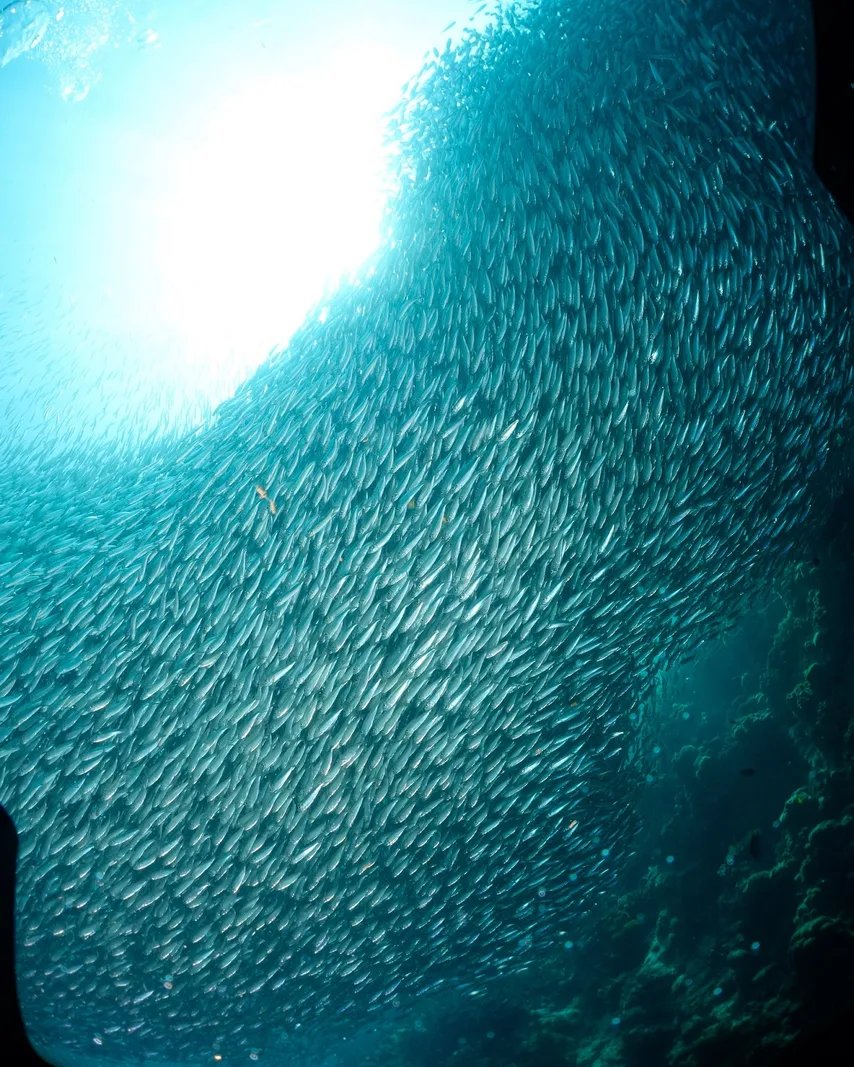
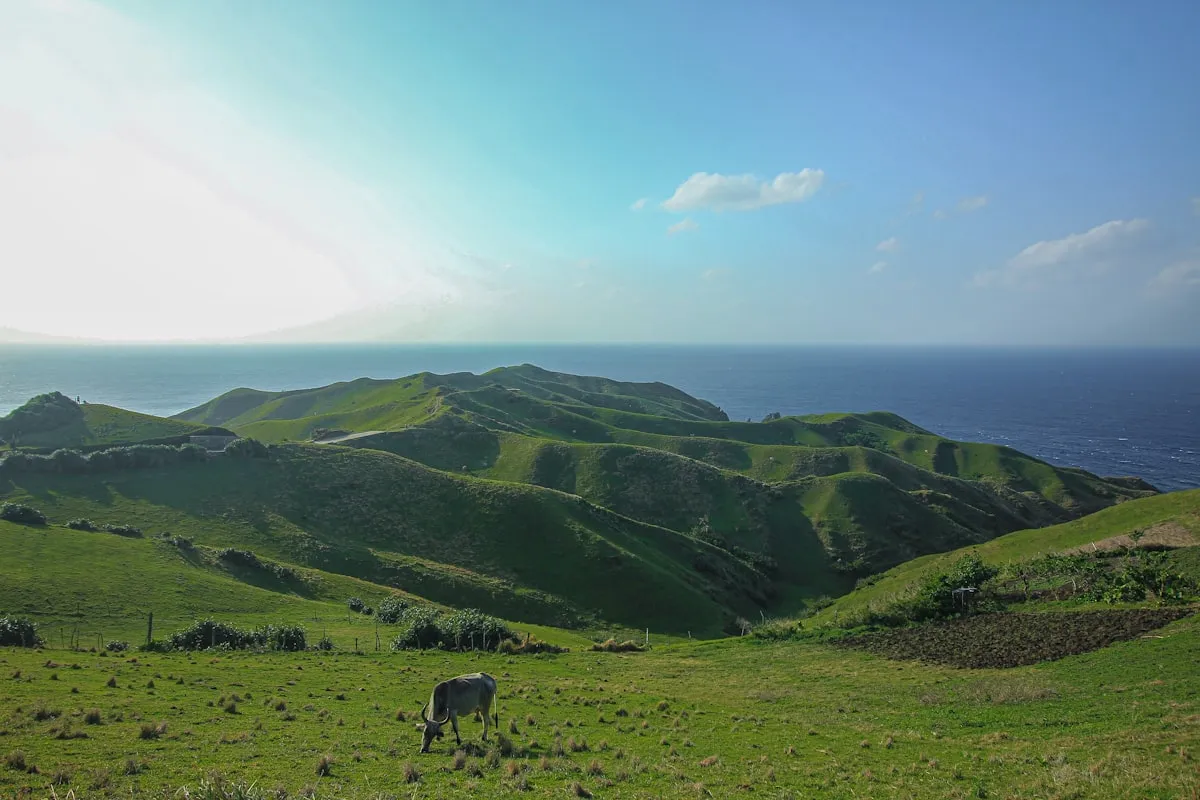
The Philippines wellness scene does not shout. It does not have the global marketing machine of Bali or the luxury brand recognition of Thailand. What it has is something more interesting: a deeply rooted healing tradition that predates Spanish colonisation, volcanic mineral springs that bubble out of the earth across three island groups, and a geography so naturally calming — turquoise lagoons, rustling palms, cool mountain air — that the land itself does half the wellness work before you even book a treatment.
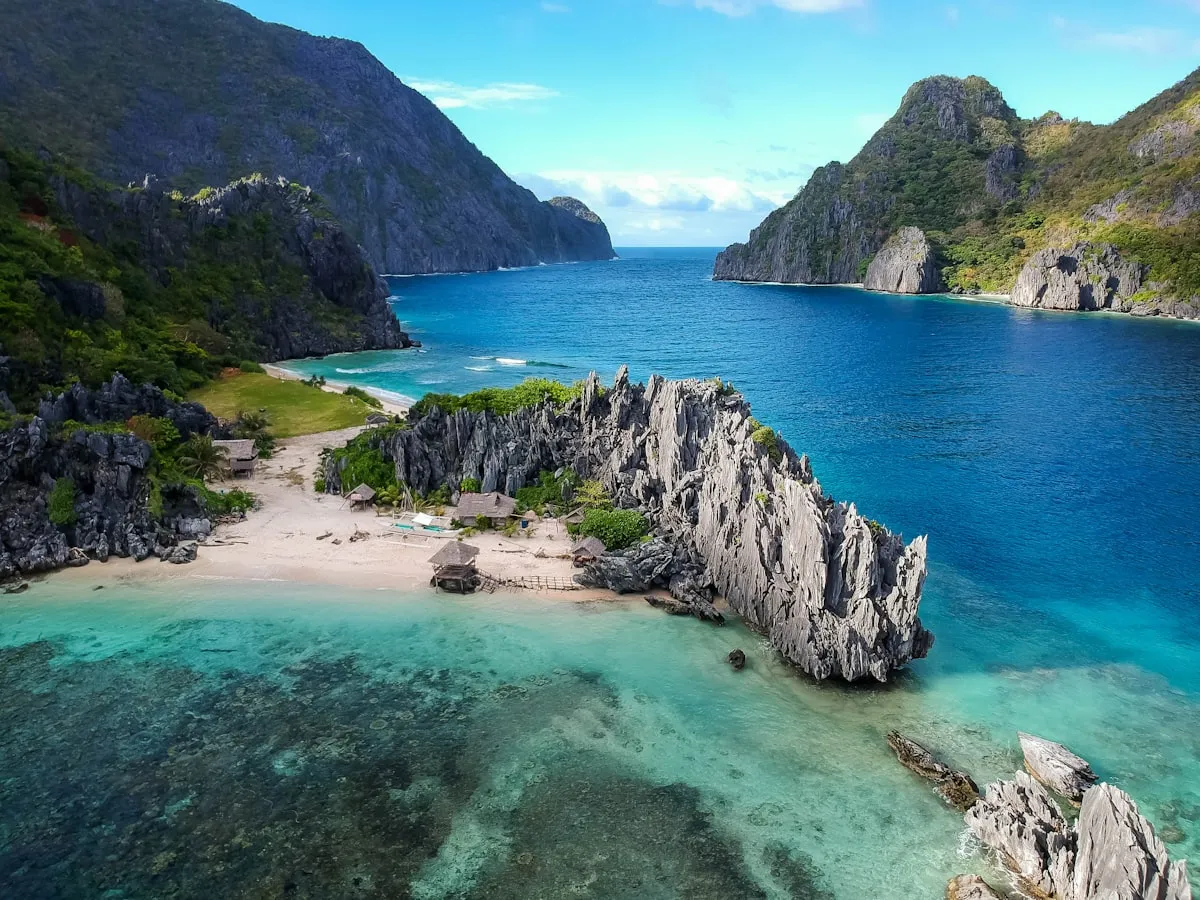
Philippines Wellness & Spa Guide: Best Retreats, Healing and Rest in the Islands
Trip.com
Search on Trip.comHotels in Philippines
Compare live prices via Travelpayouts — targeted for this guide.
Whether you are after a four-figure eco-resort retreat in Palawan or a PHP 400 traditional hilot massage from a village manghihilot, the Philippines has a wellness offering that will surprise you. Here is the full picture.
Hilot: The Original Filipino Healing Tradition
Before the wellness industry existed as a concept, Filipino communities had hilot. Practised by village manghihilot (traditional healers and midwives), hilot is a system of therapeutic massage and bone manipulation passed down through generations by apprenticeship rather than formal training. At its core, it involves reading the body's energy flow through touch — feeling for what practitioners describe as "cold spots" that indicate blocked circulation or structural misalignment — and using slow, rhythmic strokes with coconut oil or herbal-infused oils to restore balance.
Modern hilot has been standardised and taught in TESDA-accredited courses, meaning you can now find trained hilot therapists in hotel spas across the country. But the most authentic version remains the village practitioner — often an elderly woman who learned from her mother or grandmother and charges PHP 300-500 for a 60-minute full-body session. In rural Laguna, the Cordillera provinces, and across the Visayas, these practitioners are still the first choice for locals dealing with musculoskeletal pain, sprains, and stress-related tension.
Trip.com
See all tours in Philippines on Trip.comSpa experience in Philippines
Hand-picked experiences in Philippines — book on Trip.com with instant confirmation.
Hotel spa versions run PHP 800-2,500 per hour depending on the property. The experience is notably different from Thai massage (less aggressive) and Swedish (more intuitive and less formulaic) — expect long, meditative strokes, attention to the spine and joints, and a post-session warmth that tends to linger for hours.
Luxury Wellness Resorts: Where to Splurge
Amanpulo (Pamalican Island, Palawan)
The most expensive and most remote luxury resort in the Philippines — and by most measures, one of the finest in Asia. Amanpulo occupies its own private island in the Cuyo archipelago, accessible only by chartered light aircraft from Manila (45 minutes). The spa draws on Filipino wellness traditions alongside Aman's signature approach: treatments are long (90-120 minutes standard), the therapists are exceptional, and the setting — an open-air pavilion surrounded by jungle and sea — makes every treatment feel like a ceremony. Casita rates start at USD 1,100/night; spa treatments run USD 150-300. This is the full-commitment, close-the-laptop, no-excuses retreat option.
El Nido Resorts (Palawan)
El Nido Resorts operates four island properties in northern Palawan — Miniloc, Lagen, Pangulasian, and Apulit — each with its own spa programme. Pangulasian (the most upmarket, positioned as an island for adults) has the most developed wellness offering: hilot alongside Swedish and deep tissue, yoga on a deck over the water, and a focus on quiet. Rates from PHP 25,000-60,000/night per couple. Spa treatments PHP 1,800-4,500. El Nido Resorts is sustainably managed and has been for decades — it has a genuine conservation ethic rather than a marketing one.
Henann Group Spas (Boracay)
For wellness within the Boracay resort circuit, Henann Crystal Sands and Henann Regency are the standout properties. Their spa facilities are proper hotel spa operations with trained therapists, hydrotherapy pools, and a menu that includes hilot, hot stone, four-hand massage, and full-body scrubs using local ingredients (guava leaf, papaya enzyme, calamansi). Treatments range PHP 1,200-3,500. The advantage here is combining beach-resort convenience with professional spa access — you can surf in the morning, get a 90-minute massage in the afternoon, and watch the White Beach sunset from the pool bar. Not a destination spa, but a very good resort spa.
Cebu Luxury Hotel Spas
Cebu City has several world-class hotel spas catering to business travellers and medical tourism visitors (Cebu is a major medical tourism hub). Shangrila Mactan Resort and Spa has the most complete spa facility on the island: 14 treatment rooms, a Thai therapist team, Elemis product range, and a genuine hydrotherapy circuit. Treatments run PHP 2,800-6,500. Crimson Resort and Spa (Mactan) and Radisson Blu Cebu are close alternatives with strong spa programmes and beachfront access.
Siquijor: The Healing Island Experience
Siquijor has a reputation that follows it across the Philippines. Filipinos from other regions speak of it in slightly lowered voices — the island of mangkukulam (sorcerers), faith healers, and herbal medicine that works in ways that cannot quite be explained. Whether you approach this as cultural tourism, alternative medicine, or pure curiosity, the healing traditions of Siquijor are genuine and worth experiencing.
The faith healers (mananambal) are most visible during the Holy Week (Lent) gathering in San Antonio, when traditional healers from across the island convene to prepare the year's supply of herbal ointments and potions — a practice that has continued for centuries. Ingredients include tree barks, coconut oil, wild honey, and plants collected at specific times of year. The ointments are used for everything from arthritis to wound healing.
Visitors can arrange consultations with local healers through their guesthouses or through the Siquijor tourism office in San Juan. The experience is more cultural encounter than clinical appointment — expect incantations, herbal smoke, hands-on examination, and perhaps a recommendation to avoid certain foods or activities. Fees are typically a small donation (PHP 200-500). Approach with genuine respect for the tradition and you will have one of the most memorable encounters in Philippine travel.
Hot Springs: Volcanic Mineral Pools Across the Archipelago
Ardent Hot Springs (Mambajao, Camiguin)
The finest hot springs experience in the Philippines is arguably on Camiguin — a tiny volcanic island north of Mindanao that has more volcanoes per square kilometre than any other island in the world. Ardent Hot Springs sits on the slopes of Mount Hibok-Hibok and consists of a series of concrete pools fed by genuine volcanic mineral water at 38-42 degrees Celsius. The water is rich in sulfur and silica — your skin will feel noticeably softer after 30 minutes of soaking. Entrance: PHP 100. Open 6am-midnight. Best experienced on a weekday evening when the pools are quiet and the surrounding forest is dark and cool.
Mainit Hot Springs (Negros Occidental)
Less famous than Ardent but genuinely impressive, Mainit Hot Springs in Negros Occidental features natural hot spring pools in a river setting — you can sit in the hot spring channel and watch the surrounding landscape while the mineral water works on your muscles. The temperature is natural and varies slightly by pool location. Day-trip accessible from Bacolod City (2 hours). Entrance PHP 50-80.
Laguna Hot Springs (Multiple Sites Near Manila)
The Laguna volcanic zone south of Manila produces dozens of hot spring resorts in the towns of Pansol, Los Banos, Calamba, and Calauan. Most are private resort pools (you rent a pool cottage by the hour or half-day) fed by geothermally heated water channelled from underground springs. Quality ranges from basic concrete pools to beautifully landscaped resort facilities. The Los Banos Hot Springs area has operated since the Spanish colonial period — the University of the Philippines Los Banos campus sits on what was originally a government-run hot spring sanatorium. Cottage rentals range PHP 800-2,500 for a half-day. These are ideal for a weekend escape from Metro Manila and are extremely popular with families — book ahead on holiday weekends.
Yoga in Siargao
Siargao has evolved from a pure surf island into one of Southeast Asia's quiet yoga destinations, particularly drawing the global community of surfers who find that yoga and breathwork complement their time in the water. Several dedicated studios have established themselves in General Luna, the main tourist hub:
Classes run PHP 500-1,500 depending on the studio and session type. Standard hatha and vinyasa classes sit at the lower end; specialty workshops (breathwork, yin, inversions) at the higher. Most studios welcome drop-ins without advance registration. The best studios offer morning sessions at 7am — post-early-surf or pre-surf timing that the local surf community swears by.
The island's atmosphere lends itself to wellness naturally: the pace is slow, the food is fresh (organic cafes serve acai bowls and cold press juice at genuinely affordable prices), and the social culture around the surf and yoga communities here is notably less party-focused than Boracay. For a 10-14 day wellness surf trip at moderate budget, Siargao is the top recommendation in the Philippines.
Detox and Digital Detox Retreats
Structured detox retreat packages have emerged across the Philippines, particularly in Palawan and the Cordillera highlands. These typically run 5-7 days and combine: clean eating programmes (raw, plant-based, or elimination diets), guided movement (yoga, swimming, gentle hiking), and an explicit tech-free environment. They are priced PHP 15,000-45,000 per person for a full-board retreat week — expensive relative to Philippine standards but competitive against equivalent programmes in Bali or Koh Samui.
For those who prefer to self-design a detox experience, the Philippines makes it easy: fresh fruit is everywhere and cheap, the sea provides daily cold-water immersion, and the quieter provinces (Batanes, Camiguin, the Cordillera towns) have almost no infrastructure for digital connectivity — making digital detox effectively mandatory rather than aspirational.
Sleep Tourism: Quiet Provinces for Pure Rest
Sleep tourism — travelling specifically to rest better than you can at home — is a real and growing phenomenon, and the Philippines quietly excels at it. The combination of sea air, physical activity (swimming, walking, snorkelling), and the absence of light pollution in rural areas produces sleep quality that most urban travellers have not experienced in years. Islands with minimal nightlife (Batanes, Siquijor, Camiguin, Dinagat) are ideal sleep tourism destinations: you are in bed by 9pm because there is nothing else to do, and you wake naturally at 5:30am to birdsong rather than an alarm.
Budgeting for a Philippines Wellness Trip
Luxury route (Amanpulo + El Nido Resorts + Henann Boracay): Budget USD 2,000-5,000 per person for 10 days including flights, accommodation, and spa treatments. This is the comparable-to-Maldives bracket.
Mid-range route (Cebu hotel spa + Siquijor + Camiguin hot springs): Budget PHP 60,000-100,000 (approximately USD 1,000-1,700) for 10 days including domestic flights, guesthouses with daily massage, and all activities. Excellent value for the quality of experience.
Budget wellness route (Siargao yoga + Ardent Hot Springs + local hilot everywhere): PHP 25,000-40,000 for 10 days. Daily yoga at PHP 500, a 60-minute hilot every other day at PHP 400-600, guesthouse accommodation at PHP 800-1,500/night. This is genuine wellness travel at a fraction of what comparable experiences cost in other Asian destinations.
Frequently Asked Questions
What is hilot and is it effective?
Hilot is the traditional Filipino system of therapeutic massage and manipulation, practised by village healers (manghihilot) for centuries before formal medicine arrived. Modern research has validated several aspects of traditional hilot — particularly its effectiveness for musculoskeletal pain, muscle tension, and recovery from physical strain. The technique differs from Swedish or Thai massage in its intuitive, reading-the-body approach: a skilled manghihilot works from what they feel rather than from a fixed sequence. For genuine hilot, seek a village practitioner or a TESDA-certified therapist at a reputable spa rather than a generic hotel massage marketed as hilot without the training behind it.
What is the best wellness destination in the Philippines?
For luxury wellness, Palawan (specifically Amanpulo and El Nido Resorts) is the top choice — the environment is extraordinary and the facilities match the best in Asia. For mid-range wellness combining culture, nature, and affordability, the Cebu-Siquijor-Camiguin circuit is unbeatable. For budget wellness with a strong community and lifestyle element, Siargao. For volcanic hot springs specifically, Camiguin (Ardent Hot Springs) is the finest in the country.
Are the faith healers in Siquijor legitimate?
The healing traditions of Siquijor are genuine cultural practices with centuries of history, not tourist performances. Many locals on the island and from surrounding provinces use the manghihilot and mananambal regularly for ailments ranging from muscle pain to fever. Whether the herbal preparations and rituals produce measurable clinical outcomes by Western medical standards is a separate question from their cultural legitimacy and the real experiences of those who use them. Visit with respect, an open mind, and no expectation of miracle cures — and you will have a profound cultural encounter regardless of your priors about alternative medicine.
Is it safe to visit hot springs in the Philippines?
Yes. The established hot springs at Ardent (Camiguin), Mainit (Negros), and the Laguna resorts are safe and well-maintained. Water temperatures are regulated (or naturally stabilised) to therapeutic ranges. The main caution is not to soak for excessive periods in very hot pools — 20-30 minutes per session, cool down between soaks, stay hydrated. Pregnant travellers and those with cardiovascular conditions should consult a doctor before extended hot spring soaking. Avoid any informal or unmanaged natural hot spring sources without local guidance, as some areas have dangerously high temperatures.
How much does a spa day cost in the Philippines?
A full spa day in the Philippines ranges from PHP 800-1,200 for a local day spa experience (2 treatments, Filipino-style setting) to PHP 5,000-12,000 at a luxury hotel spa (multiple treatments, facilities, lunch package). The sweet spot for quality and value is PHP 1,500-3,000 at a mid-range hotel spa or dedicated wellness centre: you get trained therapists, quality products, proper facilities, and treatments lasting 60-90 minutes. For context, a 60-minute hilot from a village manghihilot costs PHP 300-500 and may well be the best massage of your trip.

PANA.PH Editorial Team
Philippines travel desk
The PANA.PH travel desk researches, books and re-checks Philippines travel logistics — fares, ferry schedules, government fees and permit rules — and publishes what it can verify.
🏡 Real local stays (book direct)
Hand-picked homestays and guesthouses — book direct, no markup.
Browse all local stays →
🌊 Popular activities (book instantly)
Island hopping, canyoneering, whale sharks — real Klook/GetYourGuide options.
View all activities →