The Philippines sits squarely in the western Pacific typhoon belt and sees more tropical cyclones than almost anywhere on Earth - around 20 enter the area each year, with roughly 8-9 making landfall. That sounds alarming, but millions of people travel here happily during the wet season every year. The key is knowing when typhoon season hits, where stays drier, and how to plan so a storm does not wreck your trip. Here is the practical 2026 guide.

Philippines Typhoon Season 2026: Months, Safety and What to Avoid
Trip.com
Search on Trip.comHotels in Philippines
Compare live prices via Travelpayouts — targeted for this guide.
When Is Typhoon Season in the Philippines?
Typhoons can form year-round, but the season has a clear shape:
- Main season: June to November.
- Peak months: July through October, when most strong typhoons make landfall.
- Quieter: December to May (the dry season) sees far fewer storms, though early-season systems can occasionally appear.
Storms generally track from the eastern Pacific toward Luzon and the Visayas, so the eastern and northern parts of the country are most exposed.
How Bad Is It, Really?
It is worth keeping perspective. Of the roughly 20 cyclones that enter Philippine waters each year, only a handful become powerful, landfalling typhoons, and any single destination is directly hit far less often. Most wet-season days are simply humid with passing showers - you can have stretches of sunshine even in August. The country also has one of the world's most experienced disaster-response systems, with pre-emptive evacuations, suspended classes and clear public advisories that keep visitors out of harm's way.
Trip.com
See all tours in Philippines on Trip.comTours & activities in Philippines
Hand-picked experiences in Philippines — book on Trip.com with instant confirmation.


Is It Safe to Travel During Typhoon Season?
Yes - with sensible planning. Most wet-season days are simply rainy or partly cloudy, not stormy. Typhoons are forecast days in advance, giving you time to adjust. The real risks are flight cancellations, ferry suspensions and flooded roads rather than danger to a prepared traveler who stays informed and avoids storm zones. Tens of thousands of tourists enjoy the Philippines every wet season without incident.
Safety and planning tips
- Follow PAGASA (the national weather agency) and local advisories daily during your trip.
- Build in buffer days around flights and island transfers so a one-day delay does not cascade.
- Get travel insurance that covers weather disruptions and trip interruption.
- Choose flexible/refundable bookings for flights and stays where possible.
- Avoid ferries and small boats when a storm signal is up - sea travel is suspended for safety.
- Have a cash buffer and a power bank; outages can follow storms.
Where to Go to Dodge the Worst
Because the Philippines has many microclimates, you can often travel in the wet season by choosing the right region:
- Drier in wet season: Palawan (El Nido, Coron) and the western Visayas tend to stay more sheltered.
- Most exposed: Northern and eastern Luzon, Bicol, and Eastern Visayas catch storms first.
- Best avoided July-October if you want guaranteed beach weather - or simply travel in the December-May dry season instead.
Understanding the Storm Signals
When a typhoon approaches, PAGASA raises Tropical Cyclone Wind Signals (TCWS) from 1 to 5 for affected areas. A quick traveler's read:
- Signal 1: Mild winds expected within 36 hours. Usually business as usual, but watch the forecast.
- Signal 2: Stronger winds within 24 hours. Sea travel often suspended; expect some flight disruption.
- Signal 3 and up: Damaging winds; classes and work suspended, ports closed. Stay put indoors and do not attempt to travel.
If a signal is raised over your destination, do not gamble on boats or small aircraft - wait it out. Storms typically pass within a day or two.
The Upside of Wet-Season Travel
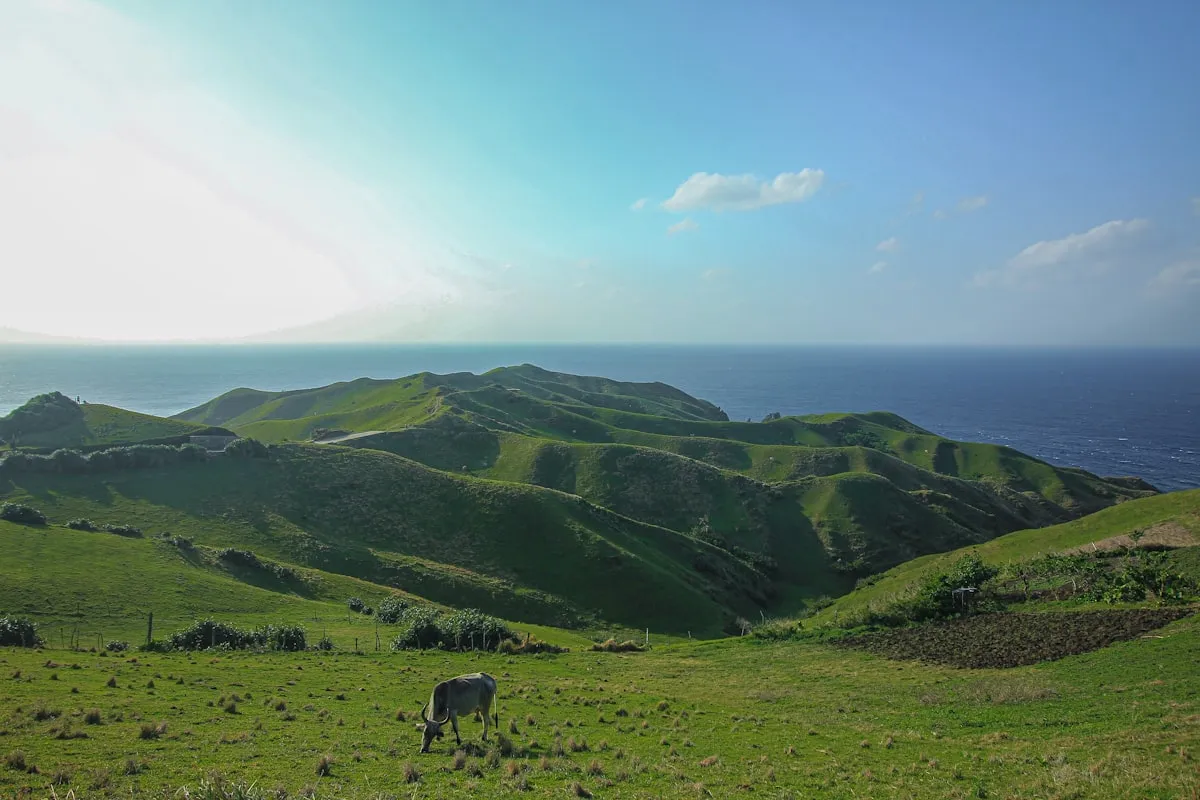
Typhoon season is also the cheapest, quietest time to visit. Flights are often at their lowest in July, hotels discount heavily, and big sights are far less crowded. Surfers love it too - the southwest monsoon (habagat) powers Siargao's swells from August to November. Diving on the western side can still be excellent on calm days, and the landscapes are at their lushest and greenest. With flexible plans and insurance, the savings can be substantial.
A Sample Wet-Season Strategy
Want the best of both worlds? Base your trip around Palawan or the western Visayas in July-September, keep your itinerary loose with two or three buffer days, fly on flexible fares, and treat any rainy afternoon as a chance to enjoy spa time, local food and culture. Avoid committing to back-to-back island ferries on tight timelines, and you will likely sail through the season with minimal disruption - and a much smaller bill.
Plan Smart
If you do travel during the wet season, flexibility is everything. Compare flights and favor refundable fares, choose hotels with free cancellation, and consider local stays in drier regions like Palawan. Want help threading the weather needle? Plan your trip and we will steer your dates and route around the typhoon risk.
Frequently Asked Questions
When is typhoon season in the Philippines?
Typhoon season runs June to November, with the peak from July through October. The dry season (December-May) sees far fewer storms.
Is it safe to travel during typhoon season?
Generally yes, with preparation. Storms are forecast in advance, and most days are simply rainy. The main risks are flight and ferry delays, so build in buffer days, get insurance and follow PAGASA advisories.
Which areas are safest during typhoon season?
Palawan and the western Visayas tend to stay drier and more sheltered, while northern and eastern Luzon, Bicol and Eastern Visayas are the most exposed to storms.
What happens if a typhoon hits during my trip?
Flights may be delayed or cancelled and ferries suspended. Stay indoors during storm signals, follow local advisories, and rely on your buffer days and travel insurance to rebook.
Are there benefits to visiting in typhoon season?
Yes - lowest flight prices (often July), discounted hotels, fewer crowds, and prime surf in Siargao from August to November. Flexibility and insurance make it worthwhile for budget travelers.
Book tours, hotels & stays in Philippines
Top tours
- Boracay UFO Ride Water Adventure — PHP 858 · 5★
- California Breeze Campsite — PHP 891 · 5★
- Caliah Homes — PHP 1065 · 5★
- Home in Pagadian City near airport — PHP 1267 · 5★
- Dreamwave Hotel Polangui — PHP 1423 · 5★
- Manila All-Access Bar Crawl, Club and Rooftop Tour — PHP 1511 · 5★
Top hotels
- Ocam Ocam Casadyan Inn — PHP 715/night · 5★
- California Breeze Campsite — PHP 891/night · 5★
- Caliah Homes — PHP 1064/night · 5★
- Cabrera Haven Residences — PHP 1230/night · 5★
- Home in Pagadian City near airport — PHP 1267/night · 5★
Top stays
- California Breeze Campsite — PHP 891/night · 5★
- Caliah Homes — PHP 1065/night · 5★
- Home in Pagadian City near airport — PHP 1267/night · 5★
- Fnt Transient House Near Hundred Islands — PHP 1322/night · 5★
Sources
Primary references for the figures and rules in this guide. Fees and schedules change — check the source before you travel.

PANA.PH Editorial Team
Philippines travel desk
The PANA.PH travel desk researches, books and re-checks Philippines travel logistics — fares, ferry schedules, government fees and permit rules — and publishes what it can verify.
🏡 Real local stays (book direct)
Hand-picked homestays and guesthouses — book direct, no markup.
Browse all local stays →


🌊 Popular activities (book instantly)
Island hopping, canyoneering, whale sharks — real Klook/GetYourGuide options.
View all activities →