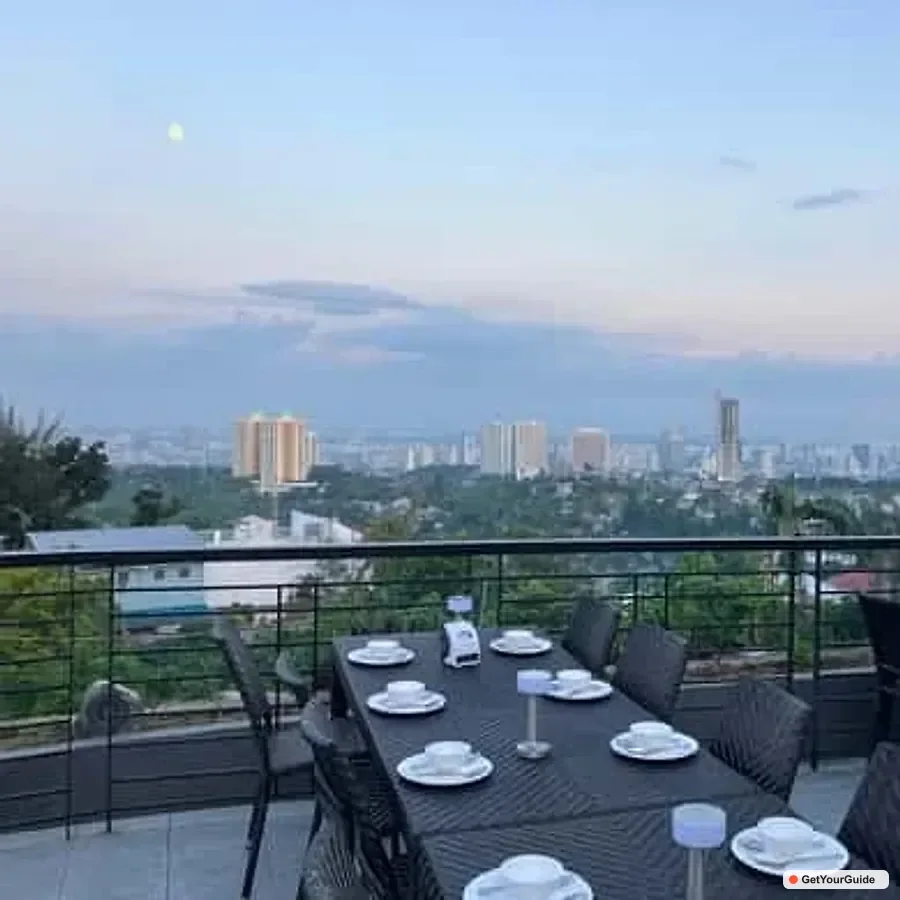
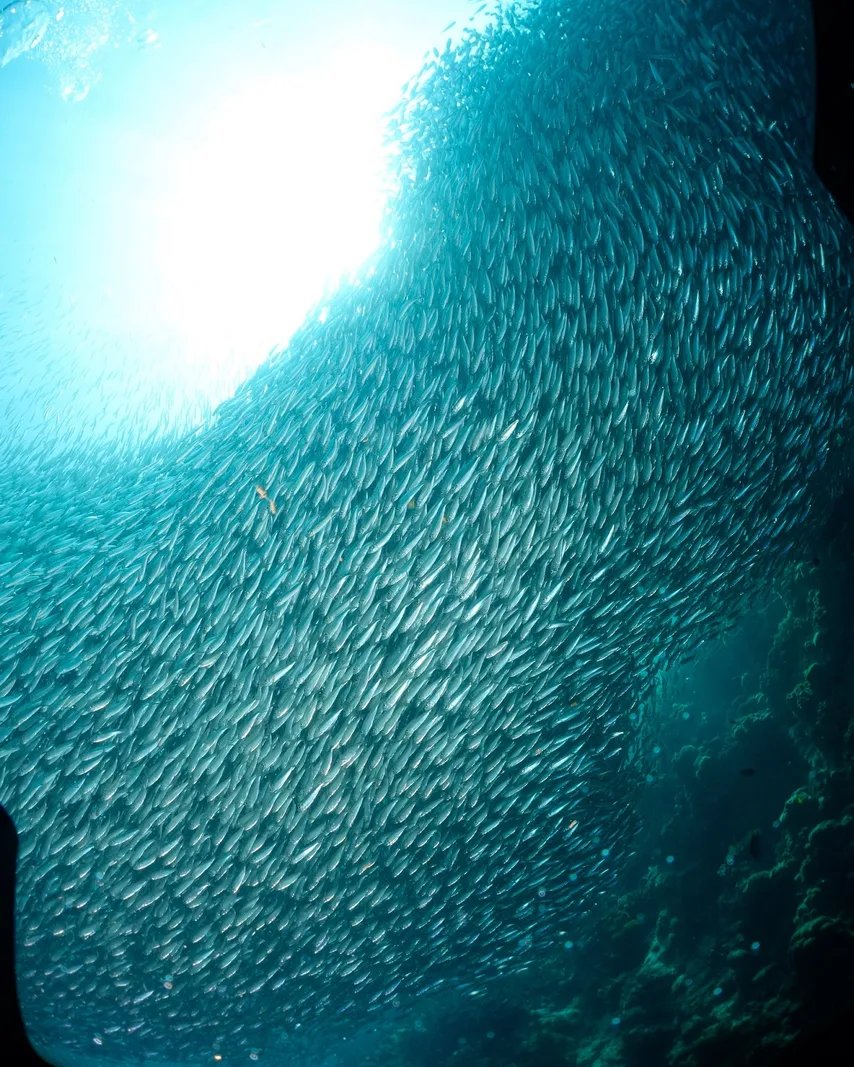
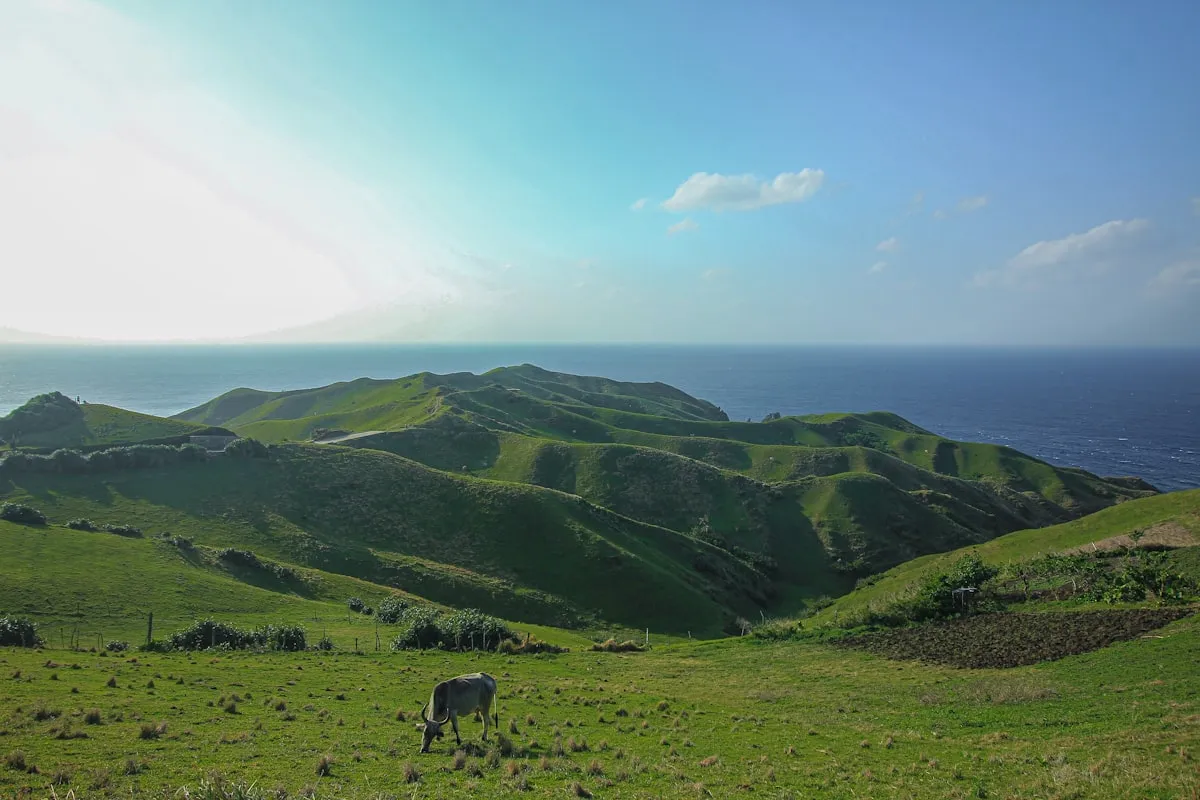
Few bilateral relationships in the modern world are as intertwined as the one between the United States and the Philippines. A shared history stretching more than a century — from the Spanish-American War through World War II, the Cold War, and into the present day — has created bonds of memory, family, and community that make the Philippines uniquely resonant for American veterans and their families. Walking through the Manila American Cemetery at sunrise, standing on the cliffs of Corregidor, or descending on a dive to the wreck of a US Navy vessel in Subic Bay are experiences that carry a weight you simply cannot find in any other Southeast Asian destination. This guide is for those who feel that pull — and for anyone who wants to understand what made these islands so central to American military history.
Philippines Travel Guide for US Military & Veterans: History, Bases & Balikbayan Privilege
Hotels in Philippines
Compare live prices via Travelpayouts — targeted for this guide.
The Historical Bond: A Shared Century
The US-Philippines relationship began formally in 1898 when the Treaty of Paris transferred sovereignty of the Philippines from Spain to the United States at the end of the Spanish-American War. What followed was a complex and often painful colonial period lasting until Philippine independence on July 4, 1946. The defining shared experience of that period was World War II — specifically the Japanese invasion and occupation from 1941 to 1945, and the American-Filipino effort to liberate the islands.
The battles fought in the Philippines during World War II rank among the most significant in US military history. The fall of Bataan and Corregidor in 1942, the Bataan Death March, the Japanese occupation, the liberation campaign from 1944 to 1945, and General Douglas MacArthur's dramatic return at Leyte Gulf are not just historical footnotes — they are the lived experiences of veterans' families on both sides of the Pacific, many of whom still seek to understand and honor what happened.
Today, the US-Philippines alliance remains one of America's oldest in the region. The Visiting Forces Agreement (VFA), the Mutual Defense Treaty, and the Enhanced Defense Cooperation Agreement (EDCA) keep US military personnel active in the Philippines. For veterans traveling here, the welcome is warm, the historical sites are well-maintained, and the connection is felt immediately by locals who remember and respect American sacrifice.
City tour in Philippines
Hand-picked experiences in Philippines — book on Trip.com with instant confirmation.


Balikbayan Privilege: Extended Stays for US Citizens with Filipino Family
The Balikbayan program — "balikbayan" means "returning to one's country" in Filipino — offers a significant benefit for a specific category of American travelers: US citizens who are immediate family members of a Filipino national. Qualifying relationships include spouses, children, and parents of Filipino citizens.
Under the Balikbayan privilege, qualifying individuals receive one year of visa-free entry — dramatically more generous than the 30 days afforded to regular US tourists. There is no fee and no application process at a Philippine consulate; eligibility is confirmed at the Bureau of Immigration counter on arrival. You will need to present documentation of your relationship to the Filipino family member (marriage certificate, birth certificate). The Balikbayan box program also entitles qualifying travelers to import up to a certain volume of goods duty-free — a tradition deeply embedded in Filipino-American culture.
For retired US military personnel married to Filipino nationals — a common situation given the historical presence of US bases — the Balikbayan privilege combined with the Special Resident Retiree's Visa (SRRV) can make the Philippines an extremely accessible long-term residence option. The SRRV is available to foreign nationals aged 35 and above with a qualifying deposit (as low as $1,500 for those with a Filipino spouse), and it confers indefinite residency with the right to work in certain capacities.
Clark Air Force Base: Then and Now
For most of the Cold War, Clark Air Base in Pampanga province (Central Luzon) was the largest US Air Force installation outside the continental United States. At its peak, Clark housed tens of thousands of American personnel and their dependents, and the surrounding areas of Angeles City and San Fernando were shaped entirely by the base economy.
Clark was evacuated and permanently abandoned in 1991 following the catastrophic eruption of Mount Pinatubo, which deposited several feet of volcanic ash across the base. The eruption was one of the largest of the 20th century and effectively buried Clark under lahar debris — the surrounding landscape still shows the surreal volcanic flatlands produced by Pinatubo's aftermath.
Today the area has been transformed into the Clark Freeport and Special Economic Zone, one of the most modern and well-organized commercial zones in the Philippines. The former airfield now serves civilian aviation as Clark International Airport (CRK), which has become an alternative gateway to Manila for flights from Hong Kong, Macau, and some regional carriers. The base's former infrastructure supports a hotel and casino strip, duty-free shopping complexes, the Clark Museum (which documents both the base history and the Pinatubo eruption), and the Pinatubo Crater trekking industry — guided jeepney and 4WD tours that take visitors through the volcanic wasteland to the stunning turquoise crater lake. The trek takes 4 to 6 hours and costs PHP 2,500 to 5,000 per person including guide and jeepney rental.
For veterans and their families, the Angeles City area holds personal resonance. The commissary, the housing blocks, the old chapel — fragments of the American presence remain. The Clark Museum is worth visiting for its documentation of daily life on the base during the Cold War decades.
Subic Bay: From Naval Base to World-Class Dive Site
Subic Bay Naval Base in Zambales province was the other pillar of the American military presence in the Philippines. At its height, the US Naval Station Subic Bay was the largest overseas US Navy base in the world — home to naval repair facilities, air wings, and a self-contained American community of 40,000 people. Like Clark, Subic was returned to the Philippines in 1992 following the Philippine Senate's rejection of a new base treaty.
The Subic Bay Freeport Zone today is one of the Philippines' cleanest and most efficiently managed economic zones — a direct legacy of the US Navy's infrastructure discipline. The roads are excellent, the facilities are modern, and the port handles significant commercial traffic. But for travelers, the real draw is underwater.
The waters of Subic Bay hold some of the most historically significant shipwrecks in Asia. The star of the dive sites is the USS New York — not the famous WWII battleship, but a turn-of-the-century gunboat sunk in the harbor. More impressive from a historical standpoint is the USS Oryoku Maru site (a Japanese-operated ship sunk by American aircraft carrying American POWs — a tragic and complicated WWII story). The Bay also holds the wreck of the El Capitan and several Japanese and American vessels from the war. Visibility is excellent, depths are accessible for recreational divers (15 to 28 meters), and the marine life has recovered dramatically in the decades since the Navy departed.
For non-divers, Subic's protected forests (formerly off-limits as US Navy property) are now a genuine natural asset. The Pamulaklakin Forest Trail is a day-hike through old-growth secondary forest with wild monkeys. The Aeta indigenous community, who were displaced by the base and the Pinatubo eruption, now run cultural tours through these forests. Ocean Adventure marine park in Subic is a strong family option.
Corregidor Island: The Rock
Corregidor Island sits at the entrance of Manila Bay, roughly 5 kilometers from Mariveles in Bataan. During the fall of the Philippines in 1941 to 1942, Corregidor was the last holdout of American and Filipino forces under General Jonathan Wainwright after MacArthur departed for Australia. The island fell to Japanese forces on May 6, 1942, after a brutal siege, and the surrender marked the largest capitulation of American military forces in history.
Today Corregidor is a day trip from Manila that is deeply affecting for anyone with a connection to WWII history. The island is largely preserved as it was at war's end — the Malinta Tunnel (General MacArthur's command headquarters, now a light-and-sound show), the Pacific War Memorial, the ruins of the barracks, the Japanese Garden of Peace, and the enormous Eternal Flame monument are all visited on a guided tour.
Day trips depart from the CCP Complex ferry terminal in Manila at roughly 8:00 AM and return by late afternoon. The round-trip tour including ferry, guide, and island entrance costs approximately PHP 1,500 to 2,200 per person. Book through Sun Cruises (the primary Corregidor operator) at least a day in advance during peak season. Overnight stays on the island are available at the Corregidor Inn for those who want to experience sunrise and sunset in silence on The Rock.
Bataan: The Death March Memorial
The Bataan Peninsula, directly across Manila Bay from the capital, is the site of the Bataan Death March — one of the most notorious war crimes committed against American POWs in history. Following the fall of Bataan on April 9, 1942, approximately 76,000 Filipino and American prisoners of war (the largest surrender of American forces since the Civil War) were force-marched approximately 65 miles from Mariveles to Camp O'Donnell in brutal conditions. Thousands died of execution, disease, dehydration, and violence along the route.
The Bataan Death March Memorial Shrine at Kilometer Zero in Mariveles marks the starting point of the march. The Mount Samat National Shrine (Dambana ng Kagitingan) in the hills of Bataan is the most dramatic site — a 92-meter cross visible from Manila Bay stands at the summit, with a panoramic view across the battleground and a museum documenting the Bataan campaign. The shrine is accessible by car or hire vehicle from Manila in about 2 hours and the entrance fee is minimal (PHP 20 to 50). Organized tours from Manila that combine Corregidor and Bataan in a two-day itinerary are available through several Manila-based tour operators.
Manila American Cemetery and Memorial
Located in Fort Bonifacio (now Bonifacio Global City, the modern financial district of Manila), the Manila American Cemetery and Memorial is the largest American military cemetery in the world outside the United States. It holds the remains of 17,206 American service members who gave their lives in the Pacific theater during World War II, the majority of whom died in the liberation of the Philippines and the southern Pacific campaign.
The cemetery is administered by the American Battle Monuments Commission and maintained to an immaculate standard. The semicircular memorial building features maps of the Pacific campaigns in mosaic, a chapel, and bronze tablets listing the names of 36,286 missing service members. The graves are marked by white marble crosses and Stars of David in precise geometric rows across 152 acres of manicured lawn — an image that is simultaneously heartbreaking and beautiful, particularly in the golden hour before sunset.
Admission is free. The cemetery is open daily from 9 AM to 5 PM. It sits in the middle of BGC — easily accessible by Grab from anywhere in Manila. For American visitors with family who served in the Pacific, walking these grounds is one of the most moving experiences available anywhere in Asia. Many visitors bring flags, photos of lost relatives, and flowers. Ceremonies are held on Memorial Day (last Monday in May) and Veterans Day (November 11) with American Embassy participation.
MacArthur's Return: Leyte and Palo
On October 20, 1944, General Douglas MacArthur waded ashore at Red Beach on Leyte Island in the central Philippines, fulfilling his famous promise to return. The moment was photographed and broadcast around the world, and the statues at Palo in Leyte — a bronze tableau of MacArthur and his party mid-wade — have become one of the most recognized images in Philippine history.
The MacArthur Landing Memorial National Park in Palo, Leyte is easily visited from Tacloban City (the provincial capital, served by direct flights from Manila). The life-size bronze statues stand in shallow water near the original landing site. The Price Memorial Museum in Tacloban documents the liberation of Leyte and the broader Pacific campaign. Combined with a visit to the Santo Nino Shrine and Heritage Museum (the Marcos-era mansion that now functions as a heritage site), Palo and Tacloban make for a full and historically rich day trip or overnight.
The Filipino-American Community Connection
The Philippines has the second-largest source country for Asian-American immigration in the United States, with approximately 4 million Filipino-Americans calling the US home. Filipino communities are substantial in California (Los Angeles, San Diego, the Bay Area), Honolulu, Las Vegas, Chicago, and New York. For American veterans, this demographic reality means something practical: it is overwhelmingly likely that Filipino-American colleagues, neighbors, or fellow service members have family ties to specific cities and provinces in the Philippines, creating personal connections that turn a tourist trip into a family visit.
English fluency across the Philippines — a direct legacy of American colonial education policy — makes the country uniquely accessible to American visitors. The warmth extended to Americans, particularly veterans and their families, is genuine and not just performative hospitality. The shared history, the shared language, and the 4 million Filipinos in the US create a relationship unlike any other in Southeast Asia.
Frequently Asked Questions
Do US military veterans get any special privileges in the Philippines?
Active US military personnel with official orders may have access to facilities under the Visiting Forces Agreement (VFA), but retired veterans traveling as civilians do not receive automatic special entry privileges beyond the standard 30-day visa-free tourism allowance. The Balikbayan privilege (1-year visa-free entry) applies specifically to US citizens who are immediate family members — spouses, children, or parents — of Filipino citizens. The Special Resident Retiree's Visa (SRRV) is available to foreign nationals aged 35+ with a qualifying bank deposit and offers indefinite residency; it is popular among retired US military personnel with Filipino spouses. Check with the Philippine Retirement Authority (PRA) for current SRRV requirements.
Is Corregidor Island worth visiting?
Yes, strongly. Corregidor is one of the most historically significant WWII sites in the Pacific and is very well-maintained by the Philippine Tourism Authority. The day trip from Manila takes about 1 hour each way by fast ferry, and the guided tour of the island covers the Malinta Tunnel, the Pacific War Memorial, the ruins of Middleside Barracks, the Japanese Garden of Peace, and the stunning views over Manila Bay. For anyone with a connection to the Pacific War — either through family history or historical interest — it is a profoundly moving experience. Budget PHP 1,500 to 2,200 for the full day trip package including ferry and guide.
Can I visit the former US bases at Clark and Subic Bay as a tourist?
Yes, both are open to tourists. Clark Freeport Zone (Pampanga) and Subic Bay Freeport Zone (Zambales) are both accessible without restriction and have hotels, restaurants, and tourist attractions. Subic in particular is worth visiting for its historic shipwreck diving (the New York, El Capitan, and other sites are accessible to recreational divers) and its nature reserves — the former military exclusion zone created inadvertently excellent conservation conditions. For Clark, the Pinatubo Crater trek is one of the best adventure day trips from Manila. Both zones are roughly 2 to 3 hours from Metro Manila by road.
How do I find out if a family member's name is listed at the Manila American Cemetery?
The American Battle Monuments Commission (ABMC) maintains a searchable online database at abmc.gov where you can search by name for any American service member commemorated at Manila or any other ABMC cemetery worldwide. The search returns the burial or commemoration location, rank, unit, and date of death. ABMC staff at the cemetery can also assist with on-site research, locate specific grave markers, and arrange wreath-laying ceremonies. The cemetery's staff are extraordinarily helpful and accustomed to assisting American families making this kind of pilgrimage visit.
What is the best way to combine military history sites in the Philippines?
A good 10-day military history itinerary might look like this: 2 days in Manila (American Cemetery, Intramuros, the Walled City that MacArthur declared an open city in 1941, the National Museum of the Filipino People); 1 day Corregidor day trip from Manila; 1 day Bataan (Mount Samat National Shrine, Death March markers); 2 days Clark/Subic area (Pinatubo crater trek from Clark, shipwreck diving at Subic); then fly to Tacloban (Leyte) for 2 days (MacArthur Landing Memorial in Palo, Price Museum). This circuit covers the major sites without feeling rushed and is entirely doable by domestic flights and private hire vehicle.

PANA.PH Editorial Team
Philippines travel desk
The PANA.PH travel desk researches, books and re-checks Philippines travel logistics — fares, ferry schedules, government fees and permit rules — and publishes what it can verify.
🏡 Real local stays (book direct)
Hand-picked homestays and guesthouses — book direct, no markup.
Browse all local stays →
🌊 Popular activities (book instantly)
Island hopping, canyoneering, whale sharks — real Klook/GetYourGuide options.
View all activities →