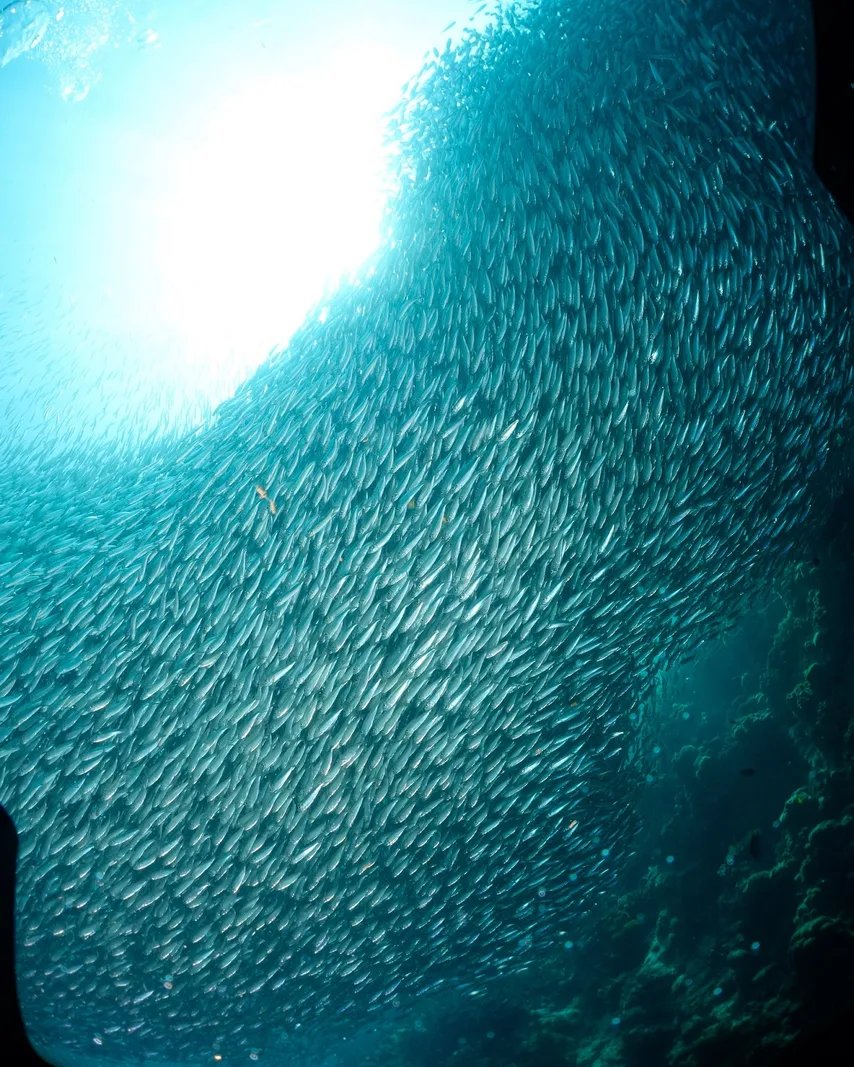
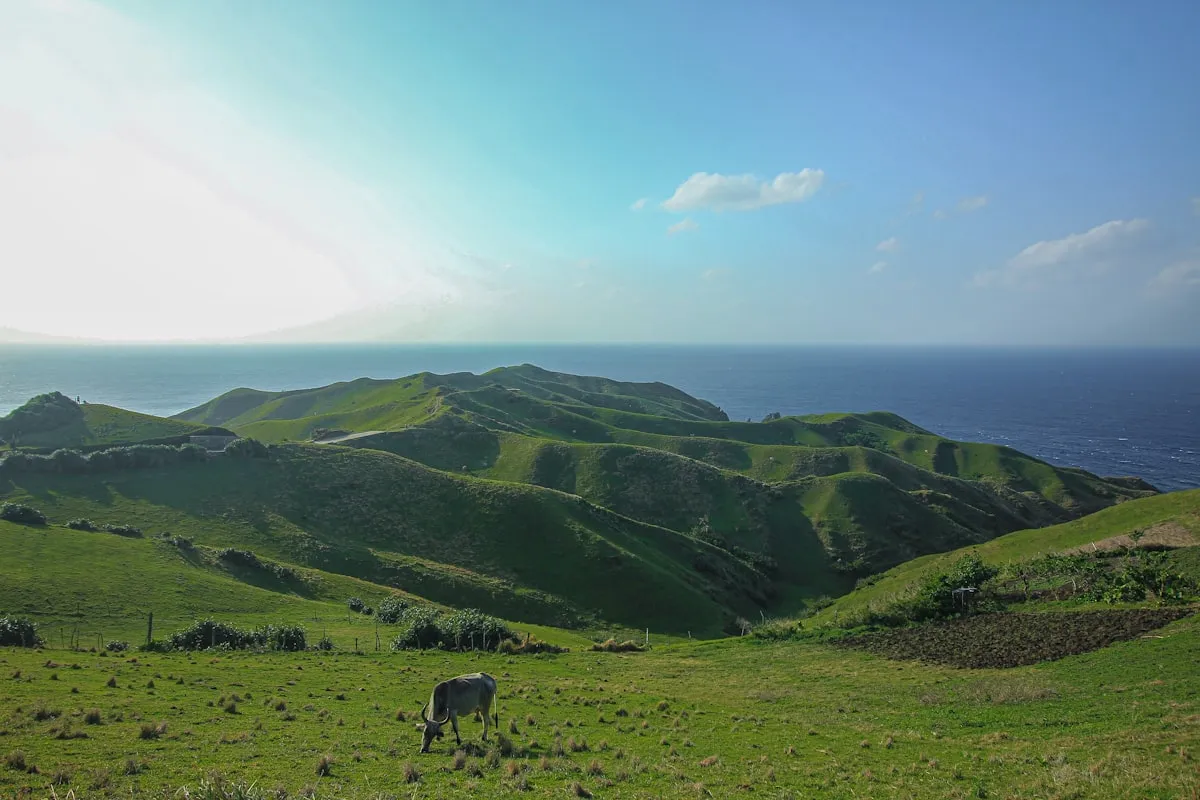
Picture this: warm 28-degree water, a cold San Miguel waiting on the beach, and a perfect right-hand barrel peeling across a coral reef in front of you. No wetsuit, no crowds (if you pick your season right), and a surf lesson that costs less than a Starbucks frappuccino back home. That's the Philippines surf experience — and it's genuinely one of Southeast Asia's best-kept secrets.
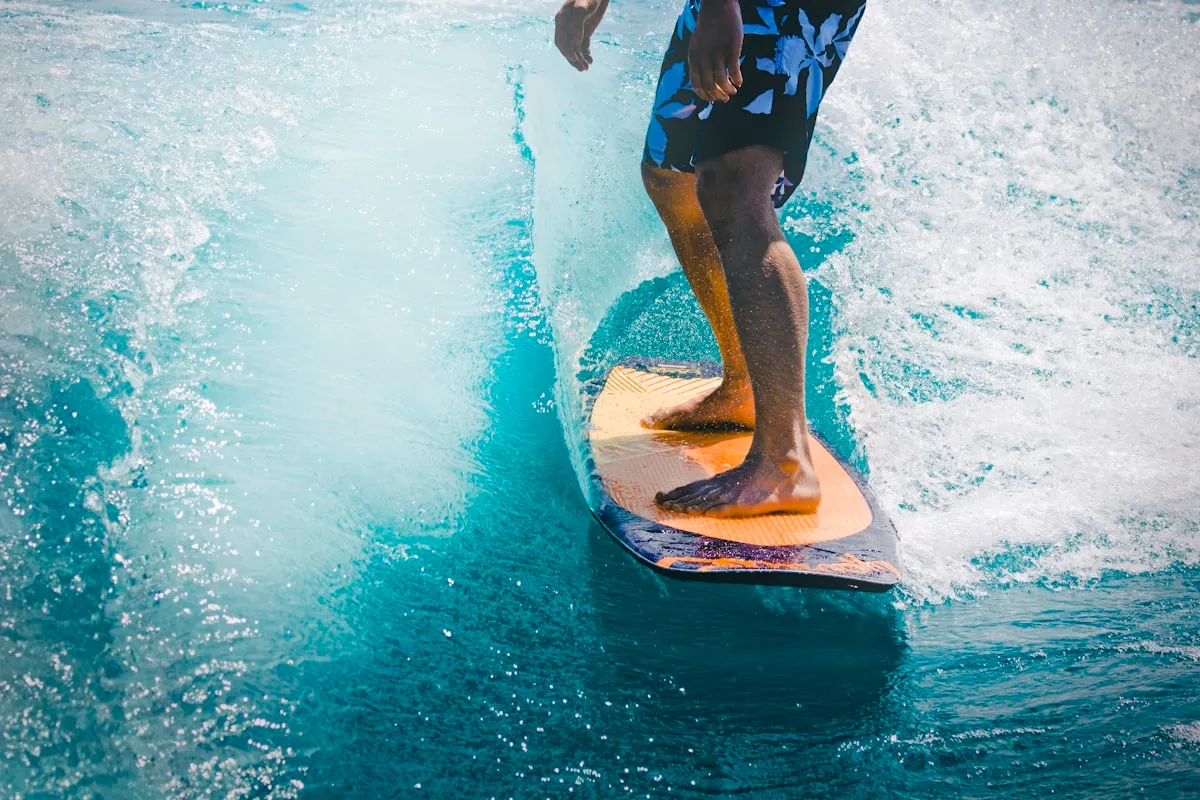
Philippines Surfing Guide: Where to Surf in 2026 (All Levels)
Trip.com
Search on Trip.comHotels in Philippines
Compare live prices via Travelpayouts — targeted for this guide.
The archipelago sits at a geographical sweet spot between the Pacific Ocean and the South China Sea. This means it catches swells from multiple directions throughout the year, giving it something no single-coast surf destination can match: near-year-round rideable waves somewhere on the island chain. From world-class reef breaks in Siargao to mellow beginner beach breaks in La Union, the 7,641 islands punch well above their weight when it comes to surf variety.
Whether you've never stood on a board or you're hunting for the next Cloud 9, this guide covers every major surf destination in the Philippines — what to expect, what it costs, and exactly when to go.
Siargao: The Philippine Surf Capital
If you've heard of Philippine surfing, you've heard of Siargao. This teardrop-shaped island in Surigao del Norte, northeast Mindanao, is the undisputed capital of Philippine surf culture — and for good reason. It sits on the edge of the Philippine Deep (one of the world's deepest ocean trenches), meaning uninterrupted Pacific swells arrive with size and power that few spots in Southeast Asia can match.
Trip.com
See all tours in Philippines on Trip.comSurfing lessons in Philippines
Hand-picked experiences in Philippines — book on Trip.com with instant confirmation.
Cloud 9
Cloud 9 is the reason Siargao is on every serious surfer's bucket list. A world-class right-hand reef break that breaks over a shallow coral shelf, Cloud 9 delivers long, hollow, barreling rides when conditions are on. The Siargao Cup — one of Asia's longest-running surf competitions — is held here every year, typically in September or October, which tells you everything about the wave's quality and consistency.
At its best (October through December), Cloud 9 produces 6–10 foot faces with powerful, pitching lips. This is not a beginner wave. The reef is shallow and unforgiving — wipeouts draw blood. Intermediate to expert surfers only. You'll see pros pulling into clean barrels on the same sets that close out on unsuspecting tourists who misjudged the swell. Respect the lineup and respect the locals — the Siargao surf community is welcoming but territorial about their home break.
Best months: September through March, with the peak from October to December when the northeast monsoon (Amihan) drives the most consistent, powerful swells.
Daku Island
Daku (meaning "big" in Visayan) is a 20-minute bangka ride from General Luna, the main surf town on Siargao. Its right-hand point break is a completely different beast from Cloud 9 — mellower, longer rides, more forgiving sections. It's the spot where intermediate surfers go to improve their backhand turns and work on their tube riding without the punishment of a shallow reef that wants to sand-blast your face. When the swell is small, Daku is ideal for progressing surfers. When the swell is large, even Daku gets serious.
Jacking Horse and Tuason Point
These two breaks are for advanced surfers only — no exceptions. Jacking Horse lives up to its name: steep, fast, and unpredictable. Tuason Point, further along the coastline, produces powerful lefts that throw hard and barrel aggressively over a shallow reef. Both require confident tube-riding experience, solid wipeout composure, and ideally, a local guide who knows the channels. On big swells, these spots are breathtaking to watch and terrifying to paddle out to.
Surf Lessons and Board Rental in Siargao
- Surf lessons: PHP 500–800 per session (approximately 1.5 hours), including board and an instructor who will push you into waves and shout encouragement in Bisaya
- Board rental: PHP 300–500 per day for a foam learner board; PHP 400–700/day for a fiberglass shortboard
- Surf camps: All-in packages (accommodation + daily lessons + transfers) from PHP 2,500–4,500/night at reputable camps like Kermit Surf Resort, Siargao Shaka, and Patrick's on the Beach
Local tip: Siargao has a small but skilled community of local shapers. A custom board made to your specs by a Siargao shaper costs PHP 15,000–25,000 — significantly cheaper than importing a board and a solid souvenir to bring home (airlines typically allow surfboards for PHP 500–1,500 extra).
La Union: Manila's Surf Escape
Not everyone can afford the time or money to get to Siargao. La Union — specifically San Juan town on the Ilocos Sur coast of northwest Luzon — has become the go-to surf destination for Manila-based travelers, and the scene has exploded in the last five years. The vibe is more Canggu than Cloud 9: specialty coffee shops, tattoo parlors, craft beer bars, and surf schools lining the beach road behind a long stretch of consistent beach break.
San Juan Beach
San Juan's beach break is beginner-friendly by design. The waves are consistent but small to medium — typically 2–4 feet, crumbly rather than hollow, breaking over sand rather than reef. This is exactly the environment where first-timers find their feet (literally). The wide, flat beach means there's room to fall without hitting anyone, and the gradual slope means long, gentle rides rather than the sudden drops that scare beginners off surfing forever.
For intermediate surfers, the consistent waist-to-chest-high surf is ideal for drilling fundamentals — pop-ups, bottom turns, cutbacks — without fighting big conditions. Don't expect tubes or performances; La Union is about progression, not spectacle.
Getting there from Manila: A 5-hour drive up the North Luzon Expressway (NLEX) and Tarlac-Pangasinan-La Union Expressway (TPLEX), or a PHP 400–600 bus from Pasay bus terminals (Victory Liner, Partas). The bus is an easy option — book online, overnight if you want to maximize your first morning.
Surf lessons in La Union: PHP 600–900 per session, with most surf schools offering packages of 3–5 lessons. The school density on San Juan beach means competition keeps prices honest — walk the beach strip and compare before committing.
Best months: October through February, when the northeast monsoon pushes swells down the Ilocos coast. The summer months (March–May) are typically flat and better for swimming than surfing.
The La Union Scene
La Union earns its popularity beyond the waves. The surf town has developed a legitimate café and nightlife culture that makes a 3-4 day trip from Manila genuinely enjoyable even on flat days. Flotsam and Jetsam is the iconic beach bar — fire shows, live music, and cold San Miguel on the sand. Elyu Café does excellent coffee. Halo-halo joints line the road for post-surf sugar fixes. It's casual, fun, and refreshingly free of the package-tour crowds that pile into Boracay.
Baler: The East Coast Secret
Baler, in Aurora Province on Luzon's Pacific coast, was the original Philippine surf destination — it's where surfing was introduced to the country during the filming of Apocalypse Now in the 1970s (yes, that movie). The filmmakers left their boards behind. Locals learned. A surf culture was born.
Sabang Beach and Cemento
Sabang Beach in Baler is a gray-sand beach break that produces hollow, punchy waves. When the swells align (typically October through February, when typhoon groundswells travel down the Pacific coast), Sabang delivers fast, powerful walls that intermediate surfers love. Cemento, a named break further along the coast, is similarly punchy — short, hollow sections that reward aggressive surfing.
Point Ola, Baler's hidden gem, is a softer point break that longboarders treasure. When waist-to-chest-high swells roll in at the right angle, Point Ola produces long, gliding rides that are as close to walking on water as surfing gets. Find a longboard rental in town (PHP 400–600/day) and cruise.
Getting there from Manila: Roughly 6 hours by bus (Genesis Transport from Cubao; PHP 450–600 one way). The road through the Sierra Madre mountains is spectacular but winding — take the early morning bus to arrive by early afternoon.
Why Baler over La Union: Quieter, less commercialized, more authentic surf town feel. The pace is slower, the crowd smaller, and the waves often better quality for intermediate surfers. The trade-off is less infrastructure — fewer surf schools, fewer dining options, slower Wi-Fi. If you want the real thing without the Instagram circus, Baler delivers.
Best months: October through February.
Catanduanes: The Island of Howling Winds
Catanduanes is not for beginners. It's barely for most intermediate surfers. This isolated island off the southeastern tip of Luzon, battered by typhoons and Pacific swells, produces some of the most powerful waves in the entire Philippine archipelago — and almost no one talks about it because getting there is genuinely difficult.
Puraran Beach
Puraran's main break — known locally as "Majestics" — is a heavy, barreling right-hand reef break that fires when typhoon groundswells hit from the northeast. At its best, it's comparable to Cloud 9 in power and shape, arguably more raw and less structured. The barrel is thick and fast. Wipeouts are violent. The reef is not forgiving. This is expert-level surfing in a remote location, which means medical help is not immediately at hand.
Getting there: Fly Cebu Pacific or Philippine Airlines to Virac (Catanduanes' capital), then take a 1-hour van or tricycle ride to Puraran on the island's Pacific-facing east coast. There are no luxury resorts in Puraran — just simple guesthouses and surf camps for PHP 500–1,200/night. The remoteness is the point.
Best months: October through December, when typhoon groundswells from the Pacific produce the most consistent powerful surf. The catch: this is also when actual typhoons occasionally hit the area. Check the forecast obsessively and be prepared to wait it out or leave quickly.
Boracay Bulabog Beach: Kitesurfing Capital
Boracay's White Beach faces west — during the northeast monsoon (amihan), it's the famous flat-calm swimming paradise. But the island's eastern side, Bulabog Beach, faces east into those same amihan winds. The result: consistent, cross-shore winds from November through May that have turned Bulabog into Southeast Asia's kitesurfing capital.
Traditional surfing on Bulabog is limited (the wind chop makes it messy), but kitesurfing and windsurfing are world-class. Lessons run PHP 3,000–4,500 for a full-day introduction course, with multi-day IKO certification courses costing PHP 12,000–18,000. If you've ever wanted to learn to kitesurf, Boracay's Bulabog in January or February — warm water, consistent wind, dedicated rescue boats, dozens of schools — is one of the best places on Earth to start.
General Surfing Tips for the Philippines
Reef Booties Are Essential
At reef breaks like Cloud 9, Jacking Horse, and Puraran, reef booties (neoprene surf booties) are not optional luxury gear — they are basic protective equipment. Philippine coral is sharp, alive, and will fillet the soles of your feet if you wipe out and drag across the bottom. Buy booties before you go (Manila surf shops in Tiendesitas, Makati, or BGC carry them) or rent them locally. PHP 200–400/day for bootie rental is money very well spent.
No Wetsuit Needed
The Philippine water temperature stays between 27–30°C year-round — warm enough that most local surfers wear nothing but boardshorts or a bikini. A thin rashguard (PHP 300–600) is useful for sun protection on long sessions, but neoprene wetsuits are unnecessary and would leave you overheated within minutes. Pack light.
Typhoon Swells: Epic but Dangerous
Typhoon groundswells generate some of the most powerful and perfectly shaped waves the Philippines produces. Experienced surfers track approaching typhoons on Surfline and Windy weeks in advance, positioning themselves to catch the swell before the storm arrives. This is genuinely rewarding — but requires judgment, local knowledge, and a clear exit plan. When Signal 1 warnings are issued, it's time to surf; when Signal 2 goes up, it's time to leave. Never get caught on a remote island with a Category 3 typhoon incoming because you were chasing waves.
Watch Out for Currents
Philippine reef breaks often have strong rip currents running alongside and through the reef. Before paddling out anywhere new, watch the lineup for 10–15 minutes from the beach. Identify where the channel is (deeper water, less white water) — that's your paddle-out path. Ask a local surfer or your instructor about the current patterns. Rip currents are predictable once you know what to look for; they only become dangerous when you panic.
Learning to Surf: The Beginner Timeline
Here's the honest beginner progression in the Philippines:
Day 1: Land on the foam board (a giant, stable softboard used in lessons). Understand paddling, catching whitewash, and the pop-up motion. Most people stand up for the first time on day one — even if it's wobbly, even if it lasts 2 seconds. That first stand is genuinely addictive.
Day 2–3: Catching green (unbroken) waves. This is the real skill jump — reading sets, paddling timing, committing to the wave before it breaks. By day 3 in La Union or Siargao's gentler breaks, most people are catching real waves and riding them to the shore with some control.
Week 1: Feeling comfortable. You're no longer a danger to yourself and others in the lineup. You can select waves, paddle confidently, pop up consistently, and ride across the face rather than just straight to the beach. This is the stage where surfing stops being work and starts being pure joy.
Rent the foam board longer than you think you need to. Every surf instructor on every beach in the Philippines will tell you this, and every beginner ignores it and regrets it. The foam board teaches you everything. Switch to a fiberglass board when you can consistently cross the face — not before.
Best Months by Surf Spot
| Spot | Best Months | Level |
|---|---|---|
| Siargao — Cloud 9 | Sep–Mar (peak Oct–Dec) | Intermediate–Expert |
| Siargao — Daku Island | Sep–Mar | Beginner–Intermediate |
| La Union — San Juan | Oct–Feb | Beginner–Intermediate |
| Baler — Sabang / Cemento | Oct–Feb | Intermediate |
| Baler — Point Ola | Oct–Feb | All levels (longboard) |
| Catanduanes — Puraran | Oct–Dec | Expert only |
| Boracay — Bulabog (kite) | Nov–May | All kitesurf levels |
Accommodation Near Surf Spots
One of the best things about Philippine surf destinations is that budget accommodation is universally available, and staying near the break doesn't require a big budget. A rough price guide for 2026:
- Siargao (General Luna): Dorm beds at surf camps PHP 600–900/night; private rooms PHP 1,200–2,500/night; boutique surf resorts PHP 3,500–7,000/night. The sweet spot for a comfortable private room within walking distance of Cloud 9 is around PHP 1,800–2,800/night.
- La Union (San Juan): Guesthouses and surf hostels PHP 700–1,500/night; mid-range hotels PHP 1,800–3,500/night. Most places include breakfast. The entire surf strip is walkable, so location is less critical here than in Siargao.
- Baler: Simple guesthouses PHP 500–1,200/night. Baler is cheaper than La Union or Siargao across the board — it hasn't been "discovered" to the same degree.
- Catanduanes (Puraran): Basic surf camps and family-run guesthouses PHP 500–1,200/night. No luxury options — that's part of the charm.
Wherever you stay, book at least a few days in advance during the October–February peak surf season, especially in Siargao around the Siargao Cup competition period (September–October). Rooms fill up fast during swell events and the island's limited accommodation creates genuine shortages during peak weeks.
Frequently Asked Questions
Is the Philippines good for beginner surfers?
Yes — particularly La Union and the gentler breaks around Siargao's General Luna area. La Union's San Juan beach break is one of Southeast Asia's better beginner setups: consistent small waves, sandy bottom, warm water, and dozens of surf schools with patient instructors. A complete beginner can expect to stand up on their first day and feel genuinely comfortable after 3–5 lessons. The added bonus is that lessons in the Philippines (PHP 500–900/session) cost a fraction of what you'd pay in Bali, Australia, or Europe for equivalent instruction quality.
Do I need to bring my own surfboard to the Philippines?
No. Board rental is available at every surf destination in the Philippines, and the selection is decent at major spots like Siargao and La Union. Foam learner boards, mid-length funboards, shortboards, and longboards are all rentable. If you're an advanced surfer with very specific board requirements (e.g., a performance shortboard shaped for your exact weight and style), you might prefer bringing your own — but most surfers do fine with rentals. Philippine airlines charge PHP 500–1,500 extra for surfboard bags, and most budget airline fees are in the same range. Alternatively, buy a board from a Siargao local shaper for PHP 15,000–25,000 and sell it before you leave.
How much does a surf trip to Siargao cost in total?
Budget travelers can do Siargao for around PHP 3,000–4,500 per day all-in (accommodation, food, board rental, one surf lesson, local transfers). A comfortable mid-range trip runs PHP 5,500–8,000/day. This excludes the flight from Manila to Siargao (Cebu Pacific or Philippine Airlines via Cebu), which runs PHP 2,500–6,000 round-trip depending on how far in advance you book. A week in Siargao including flights from Manila can be done for PHP 25,000–40,000 as a comfortable mid-range experience — excellent value compared to surf destinations in Indonesia or Australia.
What is the water temperature like for surfing in the Philippines?
Warm — always. Philippine ocean temperatures range from 27°C to 30°C year-round, with minimal seasonal variation. No wetsuit is needed at any point. A thin UV rashguard is useful for long sessions to prevent sunburn, and reef booties are essential at reef breaks, but neoprene thermal protection is simply not required. This makes packing easy and the in-water experience genuinely comfortable even for surfers who hate cold water.
When is the Siargao Cup surf competition and can I watch?
The Siargao Cup is typically held in September or October each year (exact dates vary — check the Siargao Cup's official Facebook page or the local tourism board for the current year's schedule). It is absolutely open to the public — in fact, watching from the Cloud 9 boardwalk is one of the great free experiences in Philippine surf tourism. Top Filipino surfers and international competitors face off in classic Cloud 9 conditions, and the atmosphere in General Luna during competition week is electric. Accommodation fills up fast and prices rise; book at least 6–8 weeks out if you want to attend.
The Bottom Line
The Philippines is not just a beach destination — it's a legitimate surf destination with world-class waves, affordable lessons, warm water year-round, and a cultural warmth that makes every surf trip feel like a homecoming. Cloud 9 deserves its reputation. La Union deserves its hype. And Catanduanes and Baler are waiting quietly for the surfers willing to go a little further off the beaten track.
Pick your spot. Check the swell. Wax your board. The Philippines is pumping.

PANA.PH Editorial Team
Philippines travel desk
The PANA.PH travel desk researches, books and re-checks Philippines travel logistics — fares, ferry schedules, government fees and permit rules — and publishes what it can verify.
🏡 Real local stays (book direct)
Hand-picked homestays and guesthouses — book direct, no markup.
Browse all local stays →
🌊 Popular activities (book instantly)
Island hopping, canyoneering, whale sharks — real Klook/GetYourGuide options.
View all activities →