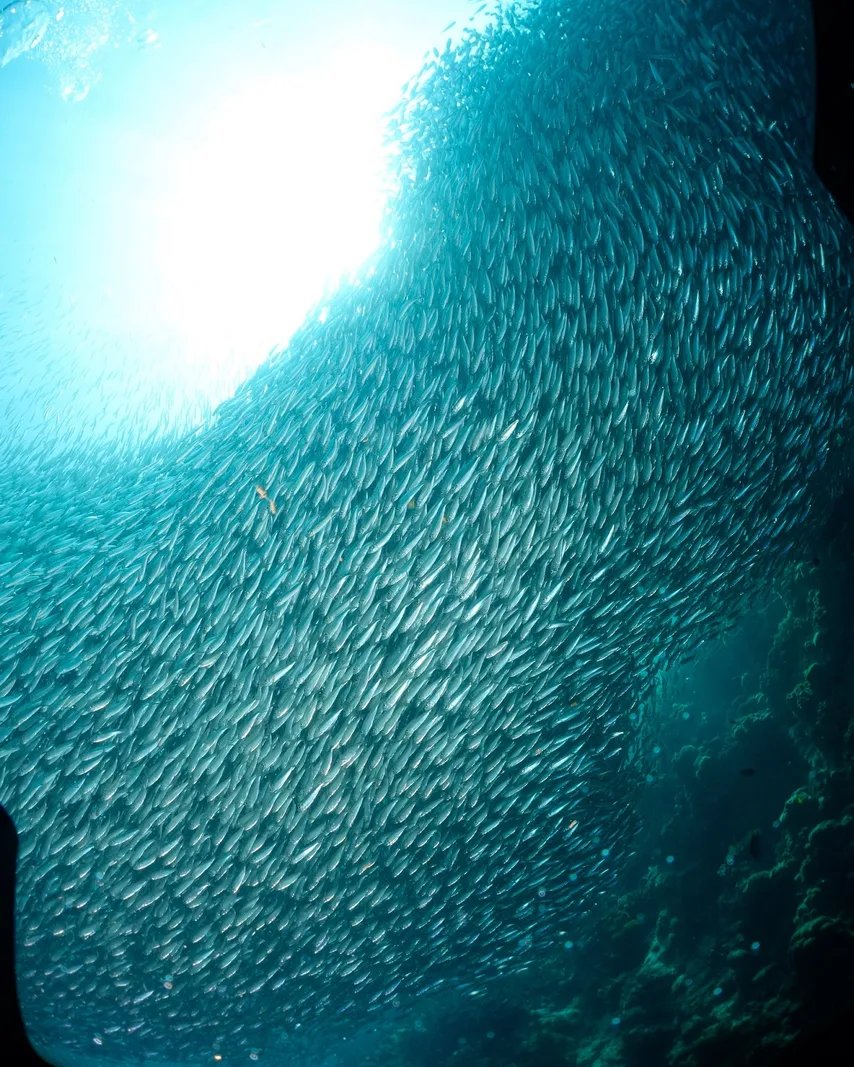
Photographers talk about the Philippines the way surfers talk about Indo or chefs talk about Japan — with a reverence that can sound like exaggeration until you actually go and find out it is all true. The country packs more visual drama per square kilometre than almost anywhere on Earth: rice terraces that have been carved into Ifugao mountainsides for 2,000 years, lagoons so impossibly green that every photo looks oversaturated until you see the RAW file and realise it was not, festivals where colour and motion collide in ways that fill a memory card in minutes.
Philippines Photography Guide: The 20 Most Spectacular Shots and Where to Get Them
Trip.com
Search on Trip.comHotels in Philippines
Compare live prices via Travelpayouts — targeted for this guide.
This guide covers the 20 most spectacular photography locations in the Philippines — with technical details, the best time of day, access information, and what you actually need to bring to capture them properly.
1. Kiltepan Viewpoint Sunrise (Sagada, Mountain Province)
Best time: 4:30-6:00am | Entrance: PHP 200 | Tripod: Essential
The Kiltepan sunrise is the most discussed single photograph in the Philippines travel community, and the reputation is completely earned. When conditions align — cold nights following recent rain — the valleys below Sagada fill with a rolling cloud sea at the exact elevation of the viewpoint. The rising sun hits the cloud layer from the side, turning it gold and orange while the rice terraces and pine trees above the clouds catch the first hard light. The effect lasts 20-40 minutes before the clouds burn off or shift.
Trip.com
See all tours in Philippines on Trip.comChocolate Hills tour in Philippines
Hand-picked experiences in Philippines — book on Trip.com with instant confirmation.
You need to be in position no later than 4:45am. Drive or hire a tricycle from Sagada town (PHP 100-150 round trip) in the dark. Conditions are not guaranteed -- the cloud sea forms roughly 60-70% of the time from October through February. Check the previous night's temperature (cold is good) and whether it rained during the day (also good). A tripod is not optional for the low-light foreground shots. Bring a jacket: temperatures at this elevation can drop to 8-12 degrees Celsius before dawn.
2. Chocolate Hills Aerial and Viewpoint (Carmen, Bohol)
Best time: Sunrise (5:30am) or late afternoon | Viewpoint: PHP 100 | Drone permits required
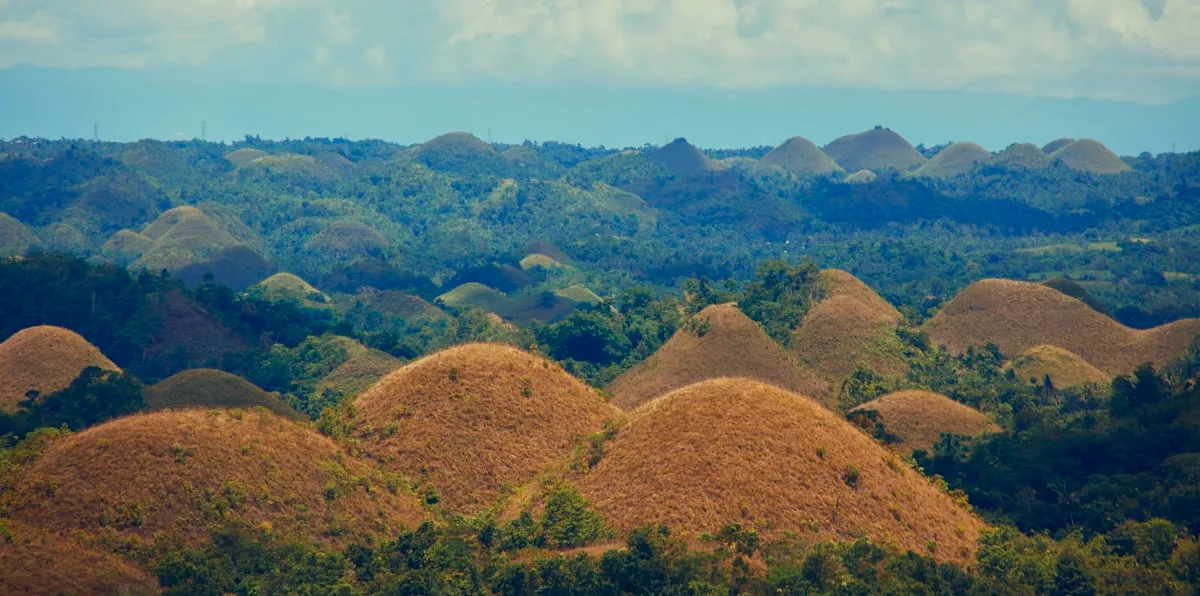
From the main viewpoint in Carmen, the 1,268 identical cone-shaped hills spread to the horizon in every direction -- in the dry season (March-May) they turn brown (hence "chocolate"), and in the wet season they are a vivid green. The viewpoint itself photographs well at golden hour. Drone photography of the Chocolate Hills is the definitive aerial image but requires a permit from the Civil Aviation Authority of the Philippines (CAAP) in addition to DENR/tourism office clearance -- apply at least 2 weeks in advance through the official CAAP drone registration portal. Unregistered drones are confiscated on the spot. The morning view beats the afternoon for light direction if you are shooting from the viewpoint tower.
3. El Nido Big Lagoon Reflections (Palawan)
Best time: 7:00-9:00am (before tour boats arrive) | Access: PHP 400 island hopping tour or kayak rental
The Big Lagoon is the signature landscape of El Nido -- a narrow channel flanked by 200-metre limestone cliffs opens into a hidden interior lagoon of emerald and turquoise water so still in the early morning that the reflections are perfect mirror images. The shot is spectacular from a kayak at water level or from the entrance channel. By 10am, the island-hopping flotilla arrives and the lagoon fills with bangkas and tourists. Be there before 8am on your own rented kayak (available from El Nido town for PHP 800-1,200/half day) and you will likely have 30-60 minutes of near solitude. The light is best when the sun clears the limestone walls to the east -- usually around 8:30am in the dry season.
4. Mayon Volcano from Cagsawa Ruins (Albay, Bicol)
Best time: Dawn (5:00-7:00am) or late afternoon | Entrance: PHP 50
Mayon Volcano's near-perfect conical profile is one of the most-photographed mountains in Asia. The Cagsawa Ruins in Daraga, Albay -- the remains of an 18th-century Franciscan church destroyed by Mayon's 1814 eruption -- provide the classic foreground: stone bell towers emerging from lava fields with the volcano dominating the background. The volcano is shy: clouds wrap the summit frequently, and summit visibility is rare in the afternoon. Set your alarm for 4:30am and be at Cagsawa for first light -- if the summit is clear, the pre-dawn blue hour and golden sunrise give you the most dramatic, cloud-free opportunities. A 70-200mm lens brings the summit close enough to show the volcanic crater detail. Check PHIVOLCS alert levels before visiting -- Mayon is active and access restrictions apply at higher alert levels.
5. Banaue Rice Terraces at Golden Hour (Ifugao)
Best time: Late afternoon (4:00-6:00pm) or early morning | Entrance: PHP 50
The Banaue Rice Terraces are a 2,000-year-old Ifugao engineering achievement carved into the Cordillera mountains. The main viewpoint in Banaue town looks across a vast amphitheatre of stepped terraces dropping into the valley. Late afternoon light rakes across the terraces at a low angle, emphasising the curves and depth. The terraces are most visually dramatic when planted (June-July) or harvested (September-October) when they are either a vivid green or a golden bronze. The Batad amphitheatre (a 3km hike from the road) is even more spectacular and completely circular -- it is worth the extra effort for the composition possibilities it offers.
6. Tubbataha Reef Underwater Macro (Sulu Sea)
Best time: March-June liveaboard season | Access: USD 1,800-3,500 liveaboard
For underwater photographers, Tubbataha is the pinnacle Philippine destination. The macro life on the reef walls -- nudibranchs, pygmy seahorses, ghost pipefish, frogfish -- rivals anything in the Coral Triangle. Wide-angle opportunities include schooling hammerheads, manta ray cleaning stations, and walls carpeted in soft corals. Bring a dual-strobe setup for macro work and a wide-angle dome port for the big pelagic encounters. Visibility regularly exceeds 30 metres. The UNESCO protection means no anchoring and strict no-take rules -- the reef life density is exceptional precisely because it has been properly protected since 1988.
7. Boracay Sunset from White Beach
Best time: 5:30-6:30pm (dry season) | Best position: Station 1 north end
White Beach sunsets are famous for good reason -- the west-facing shore, calm Amihan-season water, and consistent cloud formations produce spectacular colour almost every evening from November through May. The best photography position is at the northern end near Station 1, where the beach curves slightly and you can include silhouetted sailboats (paraw) against the coloured sky. The Amihan trades keep the boats moving and give you natural motion elements. Shoot in RAW -- the dynamic range between the bright sky and the silhouetted beach elements is significant, and the best results require exposure blending or a graduated ND filter.
8. Cloud 9 Surfing Tower Shots (Siargao)
Best time: 8:00-11:00am when swell is running | Tower access: PHP 150
The Cloud 9 viewing tower gives you an elevated position directly above the break, perfect for shooting surfers dropping into the tube from above. When the swell is 1.5 metres or higher, the wave becomes photogenic -- hollow, fast, with a clean barrel section. A 200-400mm telephoto lens isolates surfers within the wave face from the tower distance. The morning light (sun behind you shooting toward the wave) gives better colour on the water face than afternoon backlit conditions. During the annual Siargao Cup (September), professional surfers perform at a higher level and the waves are typically at peak season swell -- the event is the best single day to photograph at Cloud 9.
9. Kawasan Falls Blue-Green Water (Badian, Cebu)
Best time: 10:00am-1:00pm (midday sun best for water colour) | Access via canyoneering tour or hike
Kawasan Falls' most distinctive feature is the colour: a vivid aquamarine blue-green fed by cold springs that maintain the hue regardless of rainfall or season. The colour is most saturated under direct overhead sun between 10am and 1pm when the sun penetrates into the canyon and hits the water at the right angle. Earlier or later, the canyon walls shadow the falls and the colour becomes muddy and grey in photographs. The three-tiered falls are most visually dramatic from a low angle at the base of the first tier, looking up -- bring a wide-angle lens (16-24mm equivalent) for the encompassing composition that includes the mist, the bamboo rafts, and the cliff walls above. A polariser is essential for cutting glare on the water surface and maximising the colour saturation.
10. Kayangan Lake Emerald Waters (Coron, Palawan)
Best time: 6:30-9:00am before tour boats arrive | Access: PHP 200 entrance + island hopping boat
Kayangan Lake is regularly described as the cleanest lake in Asia, and the water clarity makes it one of the most photogenic swimming locations on Earth. The lake is reached via a steep staircase over a limestone ridge from the sea -- at the top of the stairs, before descending to the lake, there is a viewpoint that overlooks both the lake (emerald green) and the sea (sapphire blue) simultaneously. This overlook shot, with the limestone formations framing both bodies of water, is the most shared Coron photograph. Be at the boat dock in Coron town by 5:30am to catch the first pumpboat departure and have the lake to yourself for the first hour before the island-hopping tours arrive.
11. Batanes Stone Houses in Morning Fog (Ivatan Islands)
Best time: Early morning fog seasons (November-February) | Flight from Manila 90 minutes
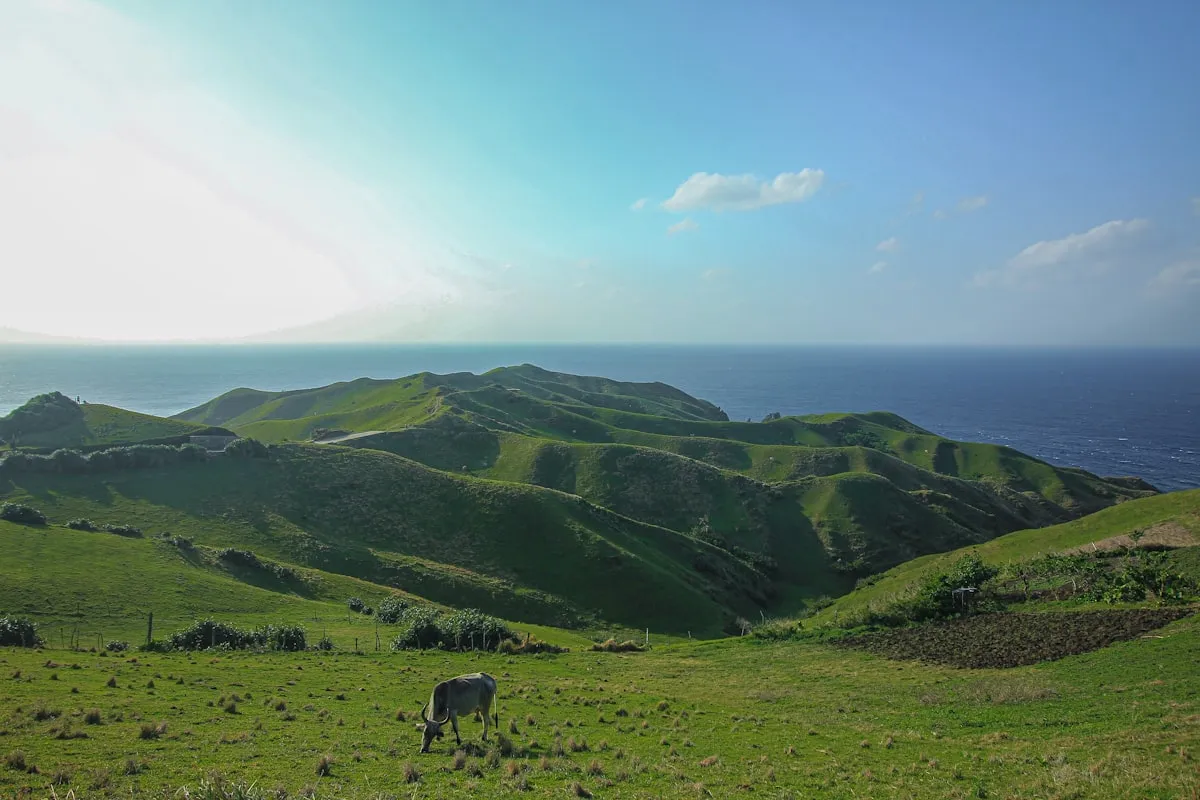
The Ivatan people of Batanes built their houses from limestone and cogon grass to withstand the typhoons that hit this northernmost Philippine province more than anywhere else in the country. The result -- squat, thick-walled stone houses in green rolling hills that look more like the Irish west coast than tropical Asia -- is unlike anything else in the Philippines. Morning fog rolls in from the Luzon Strait in the cold months and wraps the valley villages of Sabtang Island in a mist that makes every photograph look like a painting. The Marlboro Hills viewpoint overlooking Valugan Bay gives you classic pastoral compositions: stone houses, green hills, oxen carts, fog.
12. Panagbenga Festival (Baguio City, February)
Best time: Last two weekends of February | Festival is free to view
The Baguio Flower Festival in February features a grand street parade on the final Sunday of the month with floats built entirely from fresh flowers. The parade route along Session Road and Harrison Road provides multiple fixed positions for parade photography. The best shots are from elevated positions on the street overpasses -- get there 30 minutes before the parade starts to claim a spot at the railing. A 70-200mm zoom handles both compressed crowd shots and tight details of the elaborate floral arrangements. The festival also features a float parade through Burnham Park the day before -- the natural park background without the street crowds makes for cleaner compositions.
13. Sinulog Festival Street Dancing (Cebu City, January)
Best time: The grand parade Sunday (third Sunday of January) | Grandstand tickets PHP 500-1,500
Sinulog is the Philippines' most photographed festival and one of the largest Catholic celebrations in Asia. Millions of devotees join the parade route, and the contingent street dancing -- where groups of hundreds perform synchronised choreography in elaborate costumes -- provides extraordinary photography opportunities. Grandstand tickets give you a fixed elevated position at the judging area where all contingents perform their best routines. Bring a fast telephoto (70-200mm f/2.8 or equivalent) for the dancing details in the often-harsh midday sun. A second camera body with a wide-angle (16-35mm) for crowd and environment shots is worth carrying. Arrive in Cebu at least 2 days before the parade -- the novena masses and processions leading up to it are also photographically spectacular.
14. Siargao Night Market (General Luna)
Best time: 6:00-9:00pm | Bring a fast prime lens (35mm or 50mm f/1.8+)
The General Luna night market is a small but atmospheric cluster of food stalls and local vendors operating along the main strip most evenings during tourist season. Mixed incandescent and LED lighting, smoke from grills, locals and travellers mingling over fresh seafood -- classic street food photography material. A fast prime lens handles the low light without flash (which kills the atmosphere). Shoot at f/1.8-2.0, ISO 1600-3200, and you will get usable exposures. The market is unpretentious and uncrowded enough that subjects are generally relaxed about being photographed -- ask before pointing a camera at individuals, but the stall owners are usually happy with the attention.
15. Tarsier Portrait (Corella Sanctuary, Bohol)
Best time: Any daylight hour | Entrance: PHP 80 | No flash, ever
The Philippine tarsier is one of the world's smallest primates -- a palm-sized creature with enormous disc eyes adapted for night vision. Photographing them requires a macro or close-focus telephoto lens, a steady hand, and absolute compliance with the no-flash rule (the light causes extreme distress and can kill them). At the Tarsier Conservation Area in Corella (not the tourist-trap handling sites in Loboc), the animals perch in their natural habitat and can be photographed with natural light at 1/100-1/200s with image stabilisation at ISO 800-1600. Their eyes, when properly exposed, are the shot: golden irises with enormous pupils in the dawn light. A 100mm macro or 200mm telephoto gives you working distance without disturbing them.
16. Fireflies on the Palawan Underground River (Sabang)
Best time: Evening boat tours (limited availability) | Access through resort or Puerto Princesa tour operators
The mangrove estuary at the mouth of the Palawan Underground River hosts one of the largest firefly populations in the country. Evening kayak tours through the mangrove channel at dusk produce a surreal light show as thousands of fireflies synchronise their bioluminescent pulses across the canopy. Photographing this requires a tripod-mounted camera in the kayak (a gorillapod clamped to the kayak rail works), ISO 3200-6400, 15-30 second exposures. The images will never look exactly like what your eye sees -- the brain fills in what the sensor struggles with -- but the long-exposure light trails of moving fireflies create their own visual poetry.
17. Manila Skyline at Sunset from the CCP Complex
Best time: 5:30-6:30pm dry season | Access: Public waterfront area
The Cultural Center of the Philippines waterfront along Manila Bay is one of the best sunset shooting positions in the capital. The west-facing bay gives you the full Manila sunset -- epic colours most evenings due to aerosols in the atmosphere above the South China Sea. The skyline of the Makati and BGC financial districts to the east provides a contrasting urban silhouette. A 16-35mm wide-angle captures the sweep of the bay; a 70-200mm compresses the skyline layers into graphic stacks. The sunsets here are legitimately among the most photographed in Southeast Asia, and for once the Instagram reputation does not disappoint.
18. Calle Crisologo Lanterns at Night (Vigan, Ilocos Sur)
Best time: Evening (6:00-8:00pm) | Carromata rides available for PHP 100-200
Vigan's UNESCO-protected Spanish colonial district is the best-preserved example of Southeast Asian colonial urban architecture in the Philippines. Calle Crisologo -- the cobblestone main street lined with 18th-century merchant houses -- is closed to motorised traffic and lit by traditional kalesa lanterns in the evening. Horse-drawn carromatas (carriages) clip past in both directions. For night photography: tripod, 10-20 second exposures at ISO 400-800, f/8 for deep sharpness across the full street depth. The lantern glow mixed with blue-hour sky through the gaps in the buildings gives you a warm-cool colour contrast that is characteristically beautiful. Festival season (January's Vigan Longganisa Festival, September's Kannawidan) adds costumed performers to the same street.
19. Sunken Cemetery Cross at Sunset (Camiguin Island)
Best time: 5:00-6:30pm | Access: Short boat trip from Camiguin shore, PHP 200-300
The Old Camiguin Cemetery was submerged by a volcanic eruption in 1871. A large cross now marks the site in the shallow water offshore at Bonbon Beach, visible at low tide and photographed from a bangka or by wading. At sunset, the cross silhouetted against the orange and pink sky with Mount Hibok-Hibok rising in the background to the left constitutes one of the most atmospheric and compositionally strong images in the Philippines photography canon. Shoot from water level from a low bangka for maximum impact. A 16mm wide-angle gets the cross, the sky, and the volcano in one frame; a 50-85mm isolates the cross against the sunset colour more graphically.
20. Mount Pulag Sea of Clouds (Benguet/Ifugao)
Best time: Pre-dawn (3:00-5:30am summit push) | Entrance: PHP 500 + guide required
Mount Pulag (2,922m) is the second highest peak in the Philippines and the highest in Luzon. Its summit plateau is one of the few places in the country where dwarf bamboo grass covers the open ridgeline above the cloud layer -- producing the spectacular "sea of clouds" sunrise experience for which the mountain is famous. The key is arriving at the summit well before dawn (guides start the final push at 2-3am from the high camp) and being in position before the cloud sea illuminates. When conditions are right, the cloud layer fills the valleys 500 metres below and the sunrise turns it gold and pink while the grass ridgeline above stays clear. Camera: weatherproofed body (temperatures below 5 degrees, often with wind and condensation), wide-angle 14-24mm, ISO 1600-3200 for blue hour shots of the cloud sea before direct sunlight.
Gear Recommendations for Philippines Photography
Camera bodies: Any mirrorless or DSLR with good high-ISO performance handles the full range of lighting conditions. Weather sealing is recommended for outdoor shooting in the Philippines' humid and occasionally rainy conditions.
Lenses: A 16-35mm wide-angle covers landscapes, interiors, and festivals. A 70-200mm telephoto handles wildlife, surf photography, and festival detail. A 100mm macro is invaluable for tarsier and reef creatures. If choosing one lens, a 24-70mm f/2.8 covers the widest range of the situations above.
Accessories: Tripod (carbon fibre for weight) is essential for dawn/dusk landscape work. Polariser filter cuts water glare and saturates sky colours dramatically. 2-3 spare batteries (heat drains batteries faster). Waterproof dry bag for island hopping and water activities.
Drone Rules in the Philippines
Drone operation in the Philippines is regulated by the Civil Aviation Authority of the Philippines (CAAP). Key rules: drones must be registered if over 250g (most camera drones qualify). You need a Remote Pilot License (RPL) for commercial use and a basic registration for recreational flying. Flying over populated areas, national parks (without specific DENR clearance), airports (within 10km), and government facilities is prohibited without permits. Fines for unregistered drone operation can exceed PHP 100,000. The practical reality: carry your registration documents, avoid flying over crowds, and check with local tourism offices before flying in national parks like Tubbataha, El Nido, and Banaue. The CAAP myCAAP portal handles online registration.
Frequently Asked Questions
When is the best time to visit the Philippines for photography?
For landscape and nature photography, November through February offers the best light conditions, lowest humidity, and driest weather across the widest range of destinations. Festival photography is concentrated in January (Sinulog, Ati-Atihan) and February (Panagbenga, MassKara runs in October for that festival). Surf photography peaks August through November at Siargao. Underwater photography at Tubbataha is only possible March through June. Rice terrace photography is best when the terraces are planted (June-July, brilliant green) or harvested (October, golden).
Do I need permits for photography in the Philippines?
For casual tourist photography, no permits are required at most sites. National parks charge entrance fees (Tubbataha, El Nido, Banaue all have fees) that cover photography rights for personal use. Commercial photography (for advertising, stock, or editorial publication) may require additional permits from DENR, local government units, or private resort management. Drone photography requires CAAP registration plus specific clearances for national parks. Festival photography is generally unrestricted from public areas; press credentials are needed for access to restricted zones at major events like Sinulog.
What is the best photography spot near Manila?
For day-trip photography from Manila, Laguna province offers the Pagsanjan Falls gorge, the Los Banos viewpoint over Laguna de Bay, and the Sta. Cruz islands. Batangas (2 hours south) gives you Taal Volcano and crater lake. Pampanga (north) has the Pinatubo lahar landscapes -- a lunar moonscape of grey volcanic deposits with the Mount Pinatubo crater lake at the centre, reachable via a 3-4 hour 4WD and hike. For the best light in the Metro Manila area itself, Fort Santiago at blue hour and the Manila Bay sunset from the CCP complex are the strongest options.
Is the Philippines good for wildlife photography?
Yes, though the key is knowing where to go. The Philippine Eagle can be photographed at the Philippine Eagle Center in Davao (captive birds but exceptional access). The Palawan peacock pheasant and other endemic birds are reachable via Palawan birding guides. Tubbataha offers the best marine wildlife photography in the country. Tarsiers are at the Corella Sanctuary in Bohol. Whale sharks are at Oslob (controversial) or seasonally at Donsol, Sorsogon (wilder, no feeding, harder to predict but more ethical). The Hundred Islands in Pangasinan have sea turtle nesting beaches. The Philippines is an endemic-rich country -- the Philippine Biodiversity Atlas lists over 700 endemic bird species alone.
How do I get the best light for El Nido photography?
The El Nido lagoons are at their most photogenic in the early morning -- arriving at the Big Lagoon by 7:30am before the limestone walls shadow the water. By 10am, tour boats from El Nido town fill the popular sites. Book a private island-hopping tour (PHP 4,000-6,000 for 4 people) and specify a 6:30am departure -- most operators accommodate this. Late afternoon, the western-facing beaches of Cadlao Island and the El Nido town waterfront face west for sunset light. The El Nido Boutique and Art Cafe on Hama Street has a rooftop with a viewpoint toward Cadlao Island that catches the sunset behind the limestone formations -- easy, low-effort, spectacular.

PANA.PH Editorial Team
Philippines travel desk
The PANA.PH travel desk researches, books and re-checks Philippines travel logistics — fares, ferry schedules, government fees and permit rules — and publishes what it can verify.
🏡 Real local stays (book direct)
Hand-picked homestays and guesthouses — book direct, no markup.
Browse all local stays →
🌊 Popular activities (book instantly)
Island hopping, canyoneering, whale sharks — real Klook/GetYourGuide options.
View all activities →