There is a moment, somewhere over the West Philippine Sea, when you realize you packed all wrong. Maybe it is the three pairs of jeans you will never wear, or the fancy sunscreen that turned the coral cloudy. Packing for the Philippines is less about bringing everything and more about bringing the right small things. This is a tropical archipelago of more than seven thousand islands, and the smartest travelers move light, dry fast, and leave room in the bag for the pasalubong they will inevitably buy on the way home.
Let us walk through what actually earns a place in your luggage, what you can happily leave behind, and the little island-trip essentials that make the difference between a good trip and a gritty, sunburned one.
Clothing: Light, Quick-Dry, and Breathable
The Philippines is warm and humid almost everywhere, almost all year. Heavy fabrics stay damp, and damp clothes in a tropical climate are how you end up smelling like a gym bag by day three. Pack lightweight, breathable pieces: cotton tees, linen shirts, quick-dry shorts, and a couple of light dresses or trousers. Synthetic athletic wear dries overnight on a balcony rail, which matters when you are island hopping and laundry is not always an option.
Bring more underwear and fewer outer layers than instinct tells you. You will sweat through tops, but you can re-wear shorts. A swimsuit is non-negotiable, and honestly two is wise, because one is almost always still wet from yesterday.
One Light Layer for Cool Moments
It sounds odd for the tropics, but pack one light layer. Air-conditioned buses, ferries, and malls can get genuinely cold, and highland areas like Baguio or the rice terraces of the north drop in temperature at night. A thin hoodie or a long-sleeve shirt covers you. It also doubles as sun protection on long boat days.
Modest Clothing for Churches and Towns
The Philippines is a deeply Catholic country with centuries-old churches that remain active places of worship. If you plan to step inside, or simply wander through a conservative provincial town, bring something that covers your shoulders and knees. A light scarf or sarong is the most versatile item you can carry. It is a cover-up at the beach, a shawl in a cathedral, a towel on the sand, and a blanket on a chilly bus, all in one.
Sun, Sea, and Skin
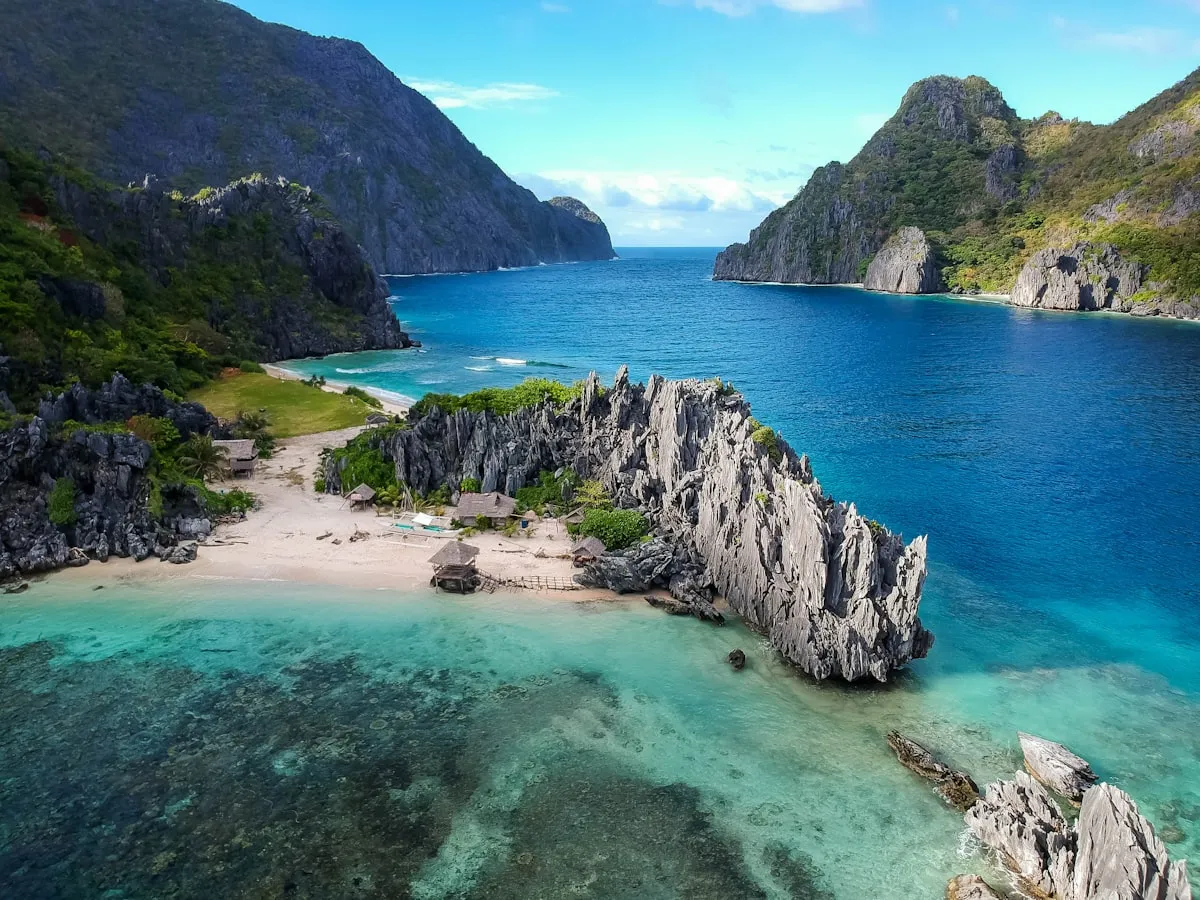
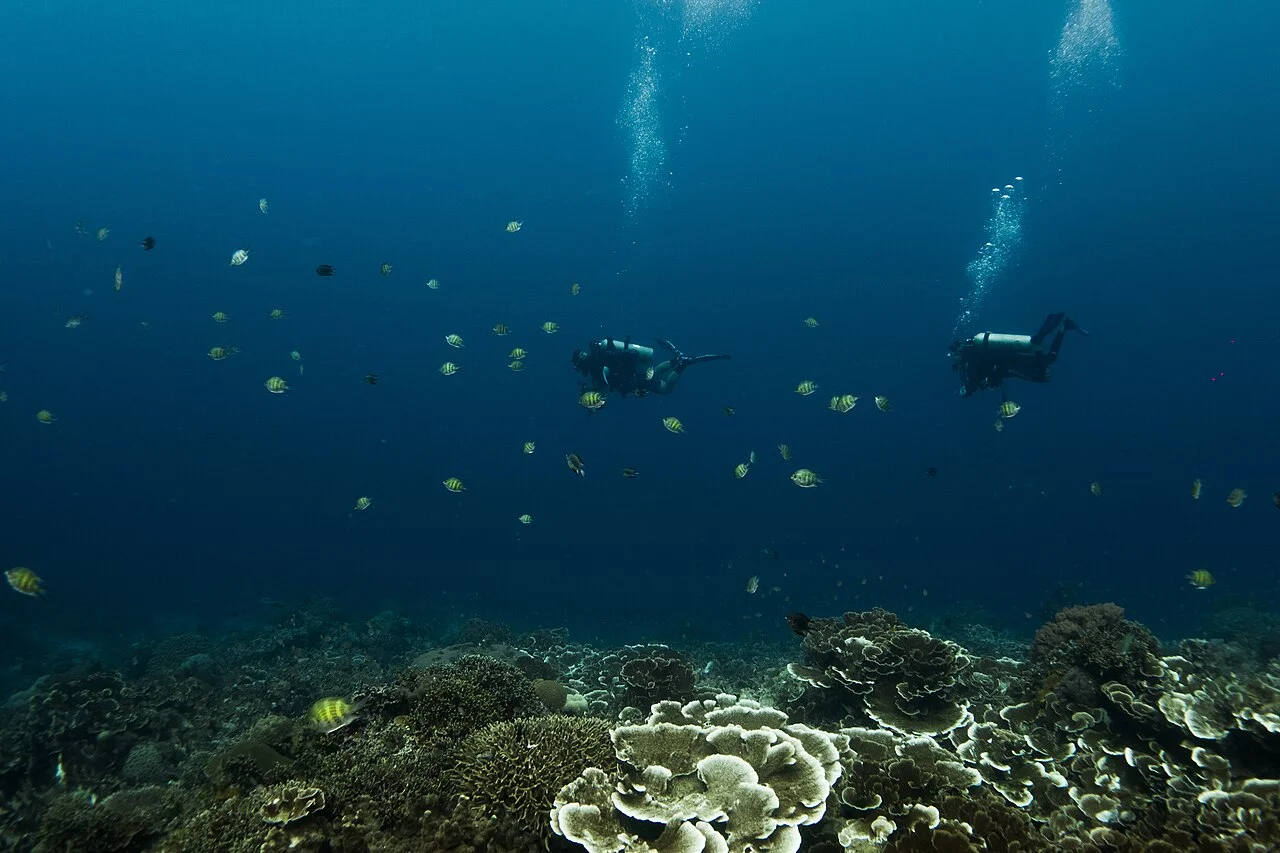
Here is the one item people get wrong most often: sunscreen. Reach for reef-safe, mineral-based sunscreen (look for zinc oxide or titanium dioxide, and avoid oxybenzone and octinoxate). Many of the most beautiful spots in the country, including marine sanctuaries around places like El Nido, are fragile coral ecosystems, and the chemicals in ordinary sunscreen genuinely harm them. Some protected areas now ask visitors to use reef-safe products only. It is a small switch that keeps the water you came to see actually worth seeing.
Beyond sunscreen, pack a wide-brim hat, polarized sunglasses, and a refillable water bottle. The tropical sun is stronger than visitors from cooler climates expect, and dehydration sneaks up fast on a long day of snorkeling.
The Dry Bag Is Not Optional
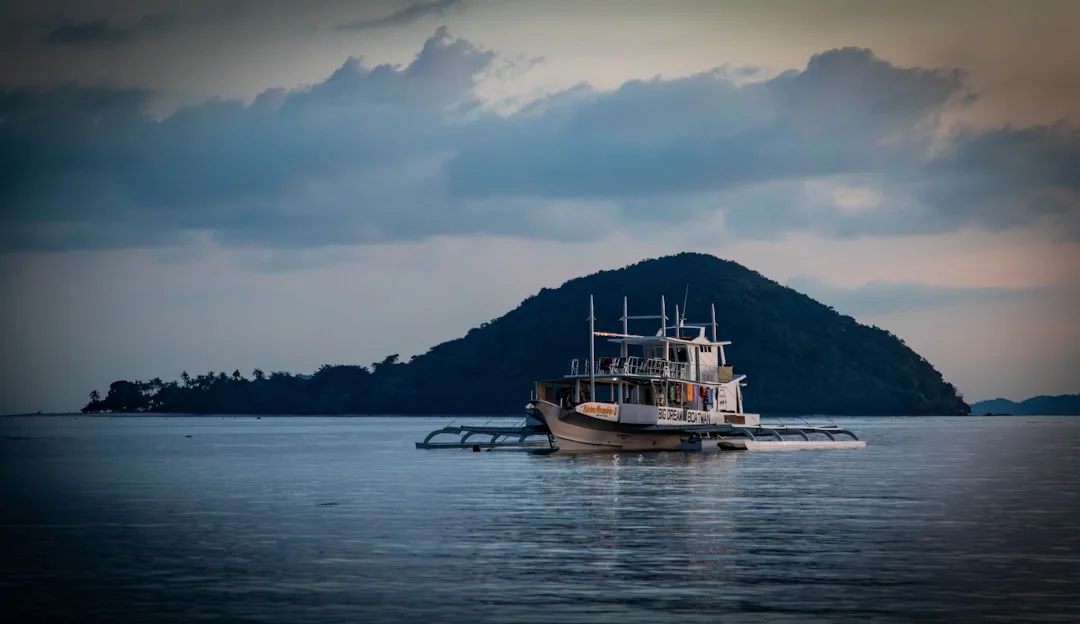
If you take one piece of advice from this whole list, take this: bring a dry bag. Island hopping means small outrigger boats called bangka, splashing surf, and the occasional surprise rain squall. A 10 to 20 liter dry bag keeps your phone, camera, cash, and a change of clothes safe. Add a smaller waterproof phone pouch for the boat, and you can snap photos of the lagoons without that low-level panic every time a wave hits.
Water Shoes and Sensible Footwear
Many beaches and reef entries are rocky, and sea urchins are real. Water shoes or sturdy sandals with a back strap protect your feet and grip wet boat decks far better than flip-flops. Bring one pair of comfortable walking shoes too, for city days and the occasional waterfall hike, and you are covered for almost any terrain.
Health, Power, and the Small Stuff
Pack a basic medical kit so you are not hunting for a pharmacy on a remote island. Include any personal prescriptions, plus the everyday helpers: pain relievers, anti-diarrheal medication, rehydration salts, antihistamines, motion-sickness tablets for boat days, plasters, and antiseptic. Mosquito repellent with DEET or picaridin is wise, especially in rural and forested areas.
On the power front, bring a power bank. Boat trips, day tours, and the occasional brownout mean you cannot always count on an outlet. The Philippines uses 220V, and outlets commonly fit flat two-pin (Type A) plugs, so a universal adapter is a safe bet. A waterproof phone case and a couple of zip-lock bags round things out nicely for keeping documents and snacks dry.
What NOT to Overpack
Now the honest part, because lugging a heavy bag through a busy port is nobody's idea of fun. Leave the bulky towels at home; most accommodations provide them, and a quick-dry travel towel weighs almost nothing. Skip the hairdryer, the heavy books, the formal shoes, and the just-in-case sweaters. You will not need a week's worth of outfits either, since laundry services are cheap and widely available in towns.
Resist packing full-size toiletries. Travel sizes get you started, and you can restock locally. And do not bring valuables or jewelry you would hate to lose on a boat. The Philippines rewards the light traveler. If you are still mapping out where all this gear is headed, our trip planning tools can help you build an itinerary that matches your packing list to the islands you will actually visit.
A Quick Island-Trip Essentials List
- Dry bag plus waterproof phone pouch for every boat day
- Reef-safe mineral sunscreen, hat, and polarized sunglasses
- Water shoes and one pair of comfortable walkers
- Power bank and a universal adapter
- Quick-dry clothing, two swimsuits, and a sarong
- Basic meds, rehydration salts, and mosquito repellent
- Small cash float in pesos for islands without card machines
Get these right and the rest is detail. For destination-specific ideas, browse our El Nido guide for one of the country's most loved island-hopping bases, or dig into more trip stories on the PANA.PH blog.
Frequently Asked Questions
Do I really need reef-safe sunscreen in the Philippines?
Yes, especially around marine sanctuaries and snorkeling spots. Many protected areas ask visitors to use mineral, reef-safe sunscreen because ordinary chemical formulas can damage coral. It protects your skin and the reef you came to admire, so it is an easy and meaningful swap.
What kind of bag is best for island hopping?
A soft backpack or duffel is far more practical than a hard suitcase, since you will be loading on and off small boats, vans, and tricycles. Pair it with a 10 to 20 liter dry bag for boat days to keep electronics and cash safe from splashes and sudden rain.
Should I pack warm clothes for a tropical country?
Bring one light layer. The lowlands stay warm, but air-conditioned transport runs cold, and highland regions like Baguio and the northern terraces are noticeably cooler at night. A thin hoodie or long-sleeve shirt is usually enough.
Can I buy toiletries and basics when I arrive?
Easily, in any town or city with a pharmacy or supermarket. Pack travel sizes to start, then restock locally. Just carry enough of any personal prescription medication, as specific brands can be harder to find on remote islands.