PHPANA.PH Team · Philippines travel teamPublished June 15, 2026 · 5 min read
There is a moment, somewhere along the coconut-lined road from Sayak Airport, when you realize Siargao has its own rhythm. Motorbikes hum past rice paddies, the air smells of salt and ripe mango, and every conversation eventually circles back to one thing: the waves. This teardrop-shaped island in the far southeast of the Philippines has gone from sleepy surf secret to bucket-list darling, and yet it still manages to feel like a place where time slows down. Whether you come to chase your first wave or simply to swing in a hammock between palm trees, this is the Siargao you have been daydreaming about.
Cloud 9 and the surf that started it all
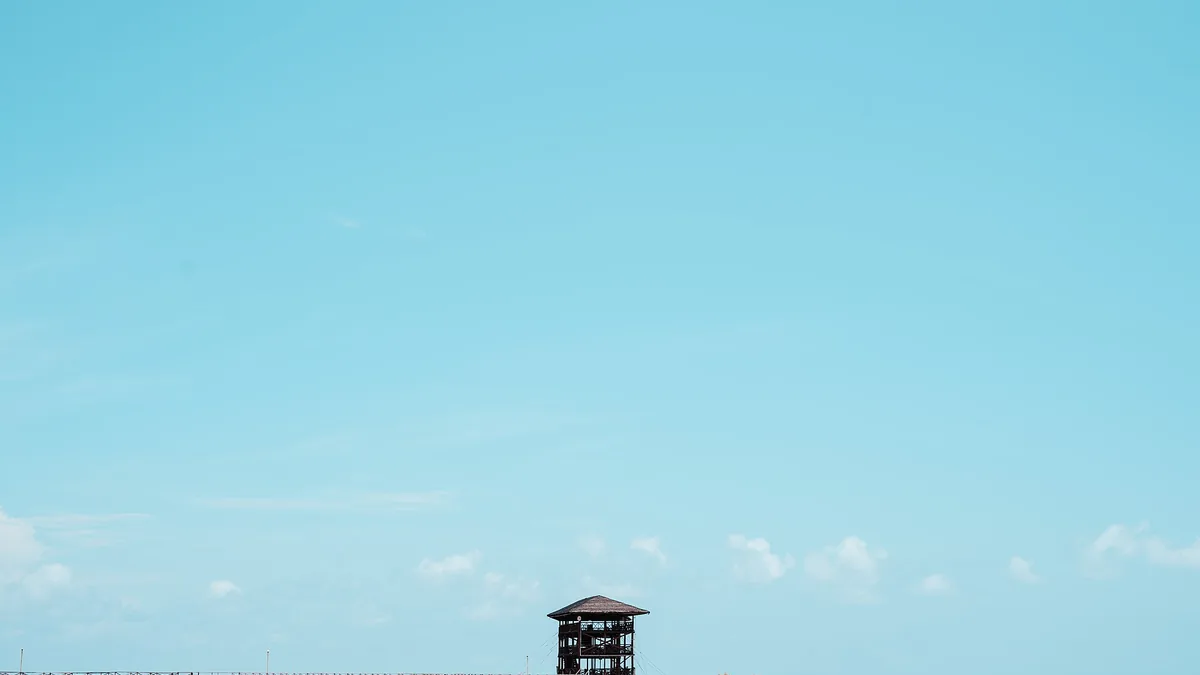
Siargao earned its fame on the back of one legendary right-hand reef break: Cloud 9. The wave peels over a shallow reef just off General Luna, and a wooden boardwalk stretches out so you can watch surfers carve from a perfect vantage point. On a good swell, the lineup fills with bodies and the energy is electric. But Cloud 9 is only the headline act. The coast around General Luna hides dozens of breaks, from punchy reef waves to gentler sandy-bottom spots that are far kinder to beginners.
Beginners versus pros: timing your trip
If you have never stood on a board, do not be intimidated by Cloud 9's reputation. Local surf schools run lessons at mellower beach breaks where the worst that happens is a soft tumble into the water. Mornings are usually calmer and ideal for learning. More experienced surfers tend to chase the bigger, hollower waves that arrive with stronger swells, and Cloud 9 truly comes alive when the conditions line up. There is no single perfect month for everyone here, so it is worth being honest about your skill level when you plan. Beginners often prefer the smaller, more forgiving days, while seasoned riders watch the forecasts and pounce when the reef wakes up.
Book ferries & transfers in the Philippines
Manila to Palawan, Batangas to El Nido, Cebu to Bohol — book inter-island ferries and airport transfers easily.
One thing that surprises first-timers is how communal the surf culture feels. Renting a board is easy, instructors are patient, and the after-surf scene of fresh coconuts and laid-back cafes is half the appeal. If you are mapping out a longer trip across the country, our trip planner can help you slot Siargao into a wider island-hopping route.
Island hopping: Naked, Daku and Guyam
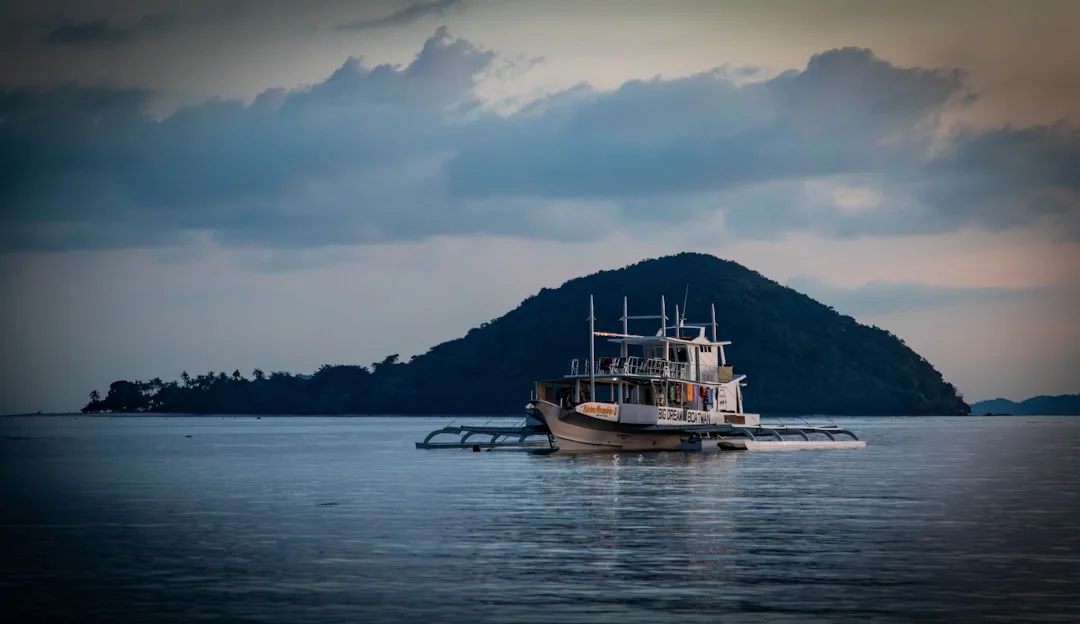
No visit is complete without the classic three-island boat tour. Naked Island is exactly what it sounds like: a pure sandbar with no trees, no shade, just blinding white sand and turquoise water that makes you feel like you have washed up in a postcard. Daku Island is the largest of the trio, fringed with palms and home to little huts where local families grill fresh fish for lunch. Guyam is the tiny, picture-perfect islet crowned with a cluster of leaning coconut trees, ideal for snorkeling around the edges. Boats leave from General Luna, and going early means you beat the crowds and the harsh midday sun.
Bring the essentials
Sunscreen, water and cash are your best friends out here. Naked Island in particular offers zero shelter, so a rash guard and a hat go a long way. Many tours bundle lunch on Daku, but it never hurts to confirm before you set off.
Sugba Lagoon and Magpupungko rock pools
Inland and to the north, Siargao reveals a softer, greener side. Sugba Lagoon, near the town of Del Carmen, is a serene stretch of jade-green water hemmed in by mangroves and limestone. There is a diving platform, a bamboo raft you can paddle around, and the kind of stillness that makes you forget the surf scene entirely. Getting there usually involves a boat ride through a maze of mangroves, which is an adventure in itself.
On the eastern coast, the Magpupungko rock pools are a tidal marvel. When the tide pulls back, it reveals clear natural pools carved into the rock, deep enough to jump into and calm enough to float in for hours. Timing here is everything, because the pools are only accessible at low tide, so check the tide schedule before you make the trip. Pair it with a slow scooter ride along the coastal road, past the famous palm-lined stretch near the coconut viewpoint, and you have one of the most memorable days on the island.
How to get to Siargao
The simplest route is to fly into Sayak Airport, which sits a short drive from the main town of General Luna. Domestic flights connect Siargao to major hubs, though seats can be limited, so booking ahead is wise. There is also a ferry option from Surigao on the mainland of Mindanao for those who prefer a slower, more scenic arrival. Once on the island, motorbike rental is the go-to way to get around, and tricycles fill the gaps for anyone who would rather not drive. If you want help building an itinerary, browse our travel guides for more island inspiration.
The Siargao vibe
What keeps people coming back is not just the surf or the lagoons. It is the unhurried mood. Days drift between ocean and hammock, nights bring live music and bonfires, and the local welcome is genuinely warm. Siargao rewards travelers who slow down, say yes to spontaneous boat trips, and let the island set the pace. Come with an open schedule and you will leave already planning your return.
Frequently Asked Questions
Is Siargao good for beginner surfers?
Yes. While Cloud 9 is an advanced reef break, there are gentler beach breaks around General Luna where surf schools teach beginners safely. Mornings tend to offer the calmest conditions for learning.
How do I get to Siargao?
Most visitors fly into Sayak Airport on domestic flights connecting from major Philippine hubs. There is also a ferry from Surigao on the mainland for travelers who prefer a slower sea route.
What is the best way to get around the island?
Renting a motorbike is the most popular and flexible option for exploring Siargao. Tricycles are widely available for shorter trips or if you would rather not drive yourself.
Do I need to time my visit to the rock pools?
Yes. The Magpupungko rock pools are only accessible at low tide, when the water recedes to reveal the natural pools. Always check the local tide schedule before heading there.