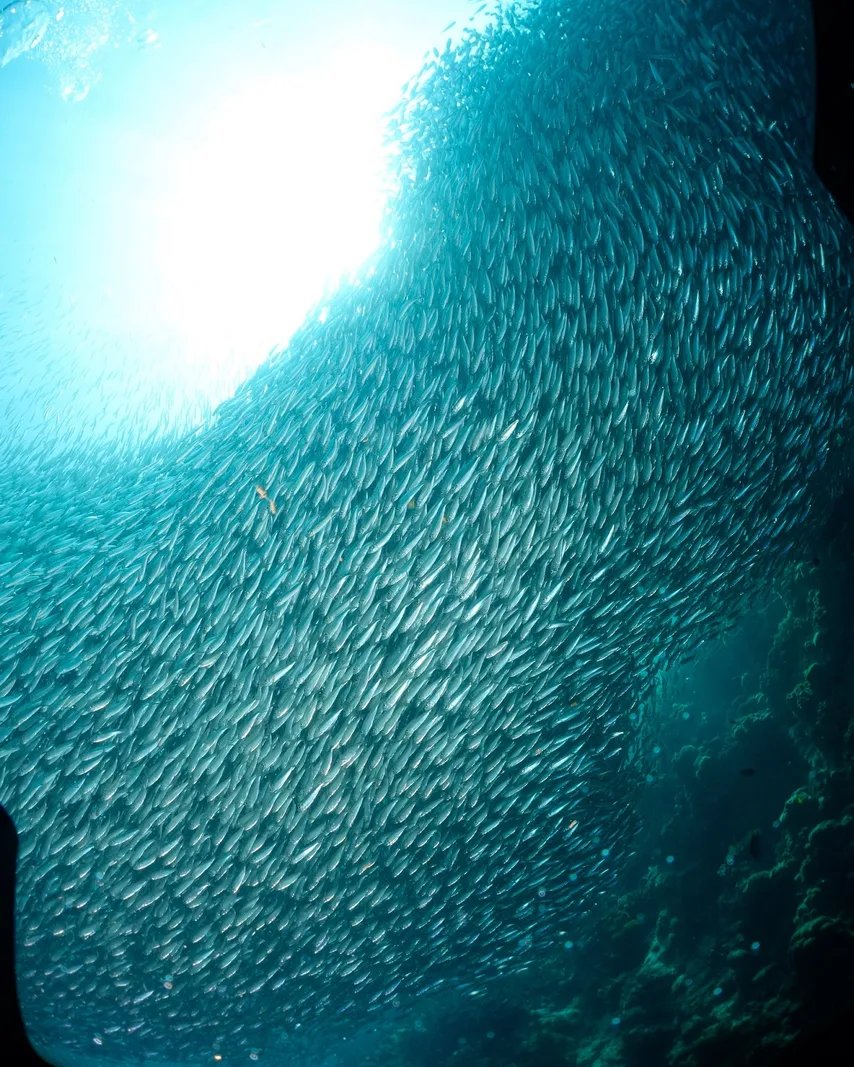
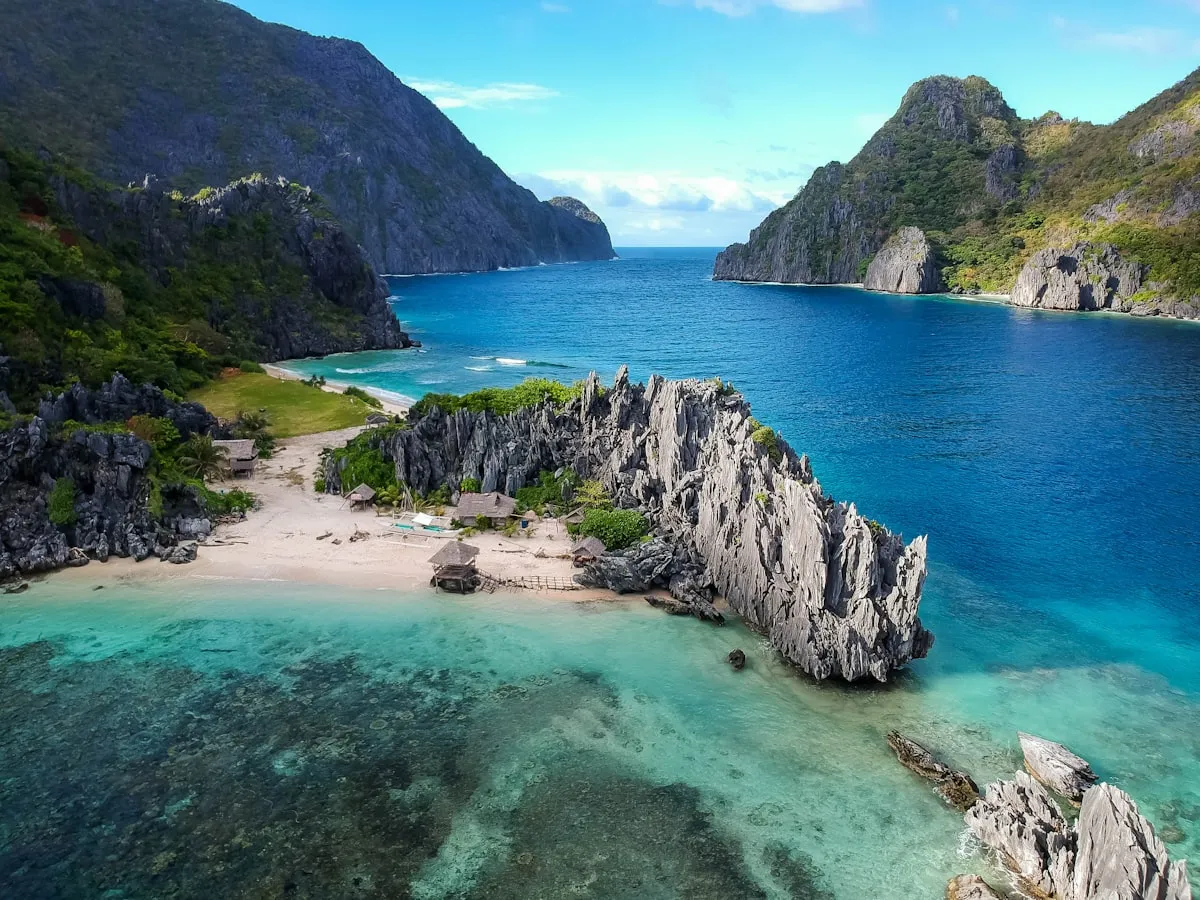
There is a moment every traveller remembers. You are on a narrow wooden bangka boat, engine rattling, salt spray in your face, when the boatman cuts the engine and you drift into a lagoon that looks computer-generated. Water so clear you can count the fish three metres below. Limestone cliffs draped in vines rising on three sides. Not another boat in sight. This is island hopping in the Philippines — and it is unlike anything else on the planet.
Philippines Island Hopping: The Complete Guide (El Nido, Coron, Siargao & More)
Trip.com
Search on Trip.comHotels in Philippines
Compare live prices via Travelpayouts — targeted for this guide.
The archipelago has more than 7,600 islands and islets. Most will never appear on any map. Reaching them means chartering a boat, reading the weather, and trusting a boatman who has been navigating these channels since childhood. This guide cuts through the noise and tells you exactly where to go, what to pay, what to pack, and how to outsmart the crowd.
Why Island Hopping in the Philippines Is Different
Southeast Asia has beautiful islands everywhere — Krabi, Halong Bay, Raja Ampat. But the Philippines sits at the centre of the Coral Triangle, the most biodiverse marine region on Earth. The combination of factors here is hard to replicate: Jurassic limestone karsts carved by millennia of rain, underground rivers that empty into secret lagoons, hard coral reefs that were never bleached into white gravel, and water that cycles from jade to turquoise to deep cobalt within a single bay.
The boats matter too. The bangka — the double-outrigger wooden boat you will see everywhere — is built specifically for inter-island travel. It is shallow-hulled enough to glide over reef flats, wide enough to be stable in open swells, and slow enough that you actually see where you are going. Travelling by bangka is not just transport; it is the experience itself.
Trip.com
See all tours in Philippines on Trip.comIsland hopping in Philippines
Hand-picked experiences in Philippines — book on Trip.com with instant confirmation.
Types of Island Hopping Tours
Group Tours by Bangka (₱500–₱1,500 per person)
This is the most common option and the one most first-timers take. You join a boat with 8–15 other travellers, the operator packs a lunch, and you hit four or five stops on a fixed route. Prices in El Nido run ₱500–₱1,200 depending on the tour letter. In Coron, group day trips cost ₱1,200–₱1,800 all-in including park fees. In Siargao, the classic three-island group tour is ₱800–₱1,200.
The upside: cheap, no logistics headache, you meet people. The downside: you arrive at every stop at the same time as every other boat on the island, and you leave when the boatman says so, not when you want to. If you have a Klook account, group tours can be booked in advance on Klook to lock in your spot during high season.
Private Boat Charters (₱4,000–₱8,000 per day)
Split four to eight ways, a private charter costs roughly the same as a group tour per person — or only slightly more — and the difference in experience is enormous. You pick your stops, you control how long you stay at each, and you can ask the boatman to anchor at that unmarked cove he knows about that is not on the laminated tour map. In El Nido, a full-day private bangka runs ₱4,500–₱6,000. In Coron, expect ₱5,000–₱8,000 for a larger boat that can cover the outer islands.
Negotiate directly at the port the evening before. Boatmen who have not pre-booked are willing to deal. Always confirm what fuel, park entrance fees, and lunch are included before you shake hands.
DIY: Kayak and Small Boat Rentals
In calmer, more enclosed waters — the lagoons around El Nido town, the channels around Siargao's cloud nine area, parts of Coron town — you can rent a single kayak for ₱300–₱600 per hour and paddle yourself. This is the quietest, most intimate way to explore, though it limits your range. Some guesthouses rent small motorised bancas (banca for two to three people) for ₱1,500–₱2,500 per day. Only do this if you are a confident navigator and the sea state is calm.
Best Island Hopping Destinations
El Nido, Palawan — The Crown Jewel
El Nido is the reason most travellers come to the Philippines in the first place. The Bacuit Archipelago has 45 islands, four standard tour routes (A, B, C, D), and endless unofficial variations your boatman can propose if you ask. Each tour covers different islands and is designed not to overlap — so if you have time, do all four.
- Tour A (₱700–₱1,200 group) — The classic. Stops at the Big Lagoon (paddle in by kayak), Small Lagoon (swim through a crack in the cliff), Secret Lagoon (accessed through a hole in the rock), and Shimizu Island for snorkelling. Best for first-timers. Do this one before anything else.
- Tour B (₱700–₱1,200 group) — Focuses on caves and snorkelling. Visits Entalula Beach (stunning, less crowded), Cathedral Cave (you wade in by swimming), and Helicopter Island (named for its shape from above). Best for people who want less crowd at the swimming stops.
- Tour C (₱900–₱1,500 group) — The most remote route. Covers Matinloc Shrine, Hidden Beach (you enter through a narrow gap you swim through), and Secret Beach (smaller gap, bigger payoff). More open water. Best for confident swimmers and adventurous types.
- Tour D (₱900–₱1,500 group) — The snorkelling-heavy tour. Cadlao Lagoon, Bukal Island, and Paradise Beach. Great visibility on clear days. Best for underwater photography and marine life.
Park entrance fees (₱200 for residents, ₱800 for foreign tourists) are on top of tour prices. Book the day before at the accredited tour operator booths along Hama Street, or in advance via Klook if you are visiting December through April when every boat fills up.
Coron, Palawan — Wrecks, Lakes, and Reefs
Coron is El Nido's quieter, eerier sibling. While El Nido dazzles with lagoons, Coron goes deeper — literally. The bay holds one of the world's top wreck diving sites (Japanese WWII ships sunk by American aircraft in 1944), and the land holds several volcanic crater lakes with temperature layers that feel surreal to swim through.
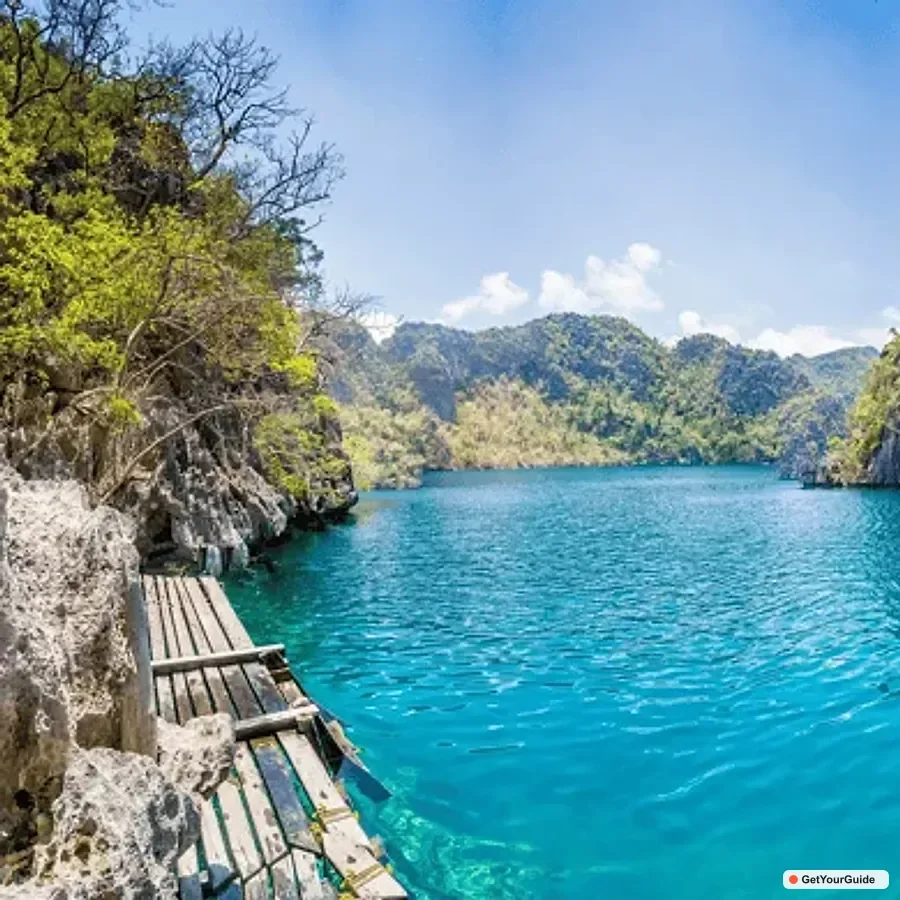
- Kayangan Lake (₱200 entrance) — Regularly voted the cleanest lake in Asia. Emerald green, perfectly still, surrounded by karst. A short climb over a ridge separates it from the ocean. Go at 7 a.m. before the Instagram crowds arrive. Part of the standard island-hopping package at ₱1,800–₱2,200 per person.
- Twin Lagoon — Two lagoons separated by a narrow cliff passage you either swim through or duck under depending on tide. The temperature difference between the outer and inner lagoon is noticeable. Included in the same group tour as Kayangan.
- Barracuda Lake — A thermocline dive site where freshwater sits above saltwater and the temperature swings from 28°C to 38°C in a single descent. You do not need scuba — snorkelling the shallows and feeling the layer change is wild enough. Separate day trip, ₱2,000–₱2,500 including boat and entrance.
Siargao — Surf, Sand, and Island Simplicity
Siargao earned its global reputation as a surf destination but the island hopping here is some of the most relaxed in the country. The three-island day trip is a staple for non-surfers and a perfect rest-day activity for those whose legs are tired from Cloud Nine.
- Naked Island — A pure sandbar with no trees, no shade, no facilities. Just a thin strip of white sand surrounded by open sea. Bring your own water and hat. Stunning at 8 a.m. before the boats arrive.
- Daku Island — The largest of the three. Has palm trees (shade!), a small village, and local families who cook fresh seafood for lunch. The grilled tuna is worth timing your stop around.
- Guyam Island — Tiny, photogenic, coconut trees leaning at forty-five degrees over clear water. A classic thirty-minute snorkel stop.
Group tours run ₱800–₱1,200 per person from General Luna pier, including all three islands. Boats depart around 9 a.m. Private hire is ₱3,500–₱5,000 for the whole boat.
Boracay — Beyond the Beach Club Scene
Boracay is famous for White Beach and its nightlife, but the island's eastern coast and surrounding islets reward those who look beyond the main strip. Island hopping here starts at ₱1,500 for a group and ₱3,500–₱5,000 for a private charter.
- Crystal Cove Island — Two sea caves to explore (one lit by a natural skylight) plus good snorkelling on the reef flat. Entrance ₱150. The most interesting single stop near Boracay.
- Puka Shell Beach — On Boracay's north tip, facing open ocean. Far fewer people than White Beach. Bring shoes — the shells underfoot are hard on bare feet.
Bohol — Reefs and Turtles
Bohol is better known for the Chocolate Hills and tarsiers, but Balicasag Island offshore is one of the best shore-accessible dive and snorkel sites in the Visayas. A full-day trip from Panglao or Tagbilaran costs around ₱2,500 per person including a boat, snorkel equipment rental, and guide. Resident sea turtles cruise the shallows — sightings are almost guaranteed in the morning. Divers pay an additional ₱800–₱1,200 for equipment and the dive itself.
What to Bring: Island Hopping Checklist
- Reef-safe sunscreen — Standard sunscreen kills coral. Look for mineral-based zinc oxide products. Non-negotiable.
- Snorkel mask and fins — Rental quality is inconsistent. If you plan multiple trips, bring your own. A foldable snorkel fits in any daypack.
- Dry bag — Everything gets wet. Your phone, wallet, and camera will thank you. A 10-litre roll-top bag costs ₱300–₱500 at any surf shop near the pier.
- Cash in small bills — Most island stops are cash only. Park entrance fees, lunch, drinks, and kayak rentals at individual islands all require exact change.
- Seasickness tablets — Even calm seas can chop on the return leg with afternoon trade winds. Take one an hour before boarding if you have any doubt.
- Rashguard or thin long-sleeve shirt — Four hours of equatorial sun off the water will burn through any SPF. A rashguard is the more practical solution.
- Waterproof phone case — A cheap lanyard case costs ₱100 and saves a ₱50,000 phone.
- Reusable water bottle — Plastic waste in the archipelago is a real problem. Refill from jugs at your accommodation before departure.
How to Avoid the Crowds
The single most effective thing you can do is leave early. Most group tours depart between 9 a.m. and 10 a.m. Arrange a private boat or an early group departure for 7 a.m. and you will have Kayangan Lake, the Small Lagoon, and Naked Island entirely to yourself for the first hour. By the time the main fleet arrives, you are eating lunch somewhere quiet.
The second trick is timing. Noon to 2 p.m. is peak sun and peak crowd. Use that window for lunch at an island with shade, a nap in the bangka, or a slower snorkel at a less-famous reef. Most tours are pulling away from the popular stops by 3 p.m.
Avoid weekends (Friday to Sunday) during Philippine school holidays — Holy Week in April and the Christmas-New Year window — when domestic tourists triple the volume at every popular stop. If your dates overlap, book a private charter and ask for the less-visited alternatives on the same tour route.
Booking Tips That Save You Money
- Book the day before, not the same morning. Same-day walk-ins pay higher rates or get left out entirely in peak season. Operators fill boats the evening before.
- Negotiate private boats in the late afternoon. Boatmen who have not filled their schedule for the next day will bargain. The target price for a full-day private bangka in El Nido is ₱4,500–₱5,500 for a standard-sized boat.
- Ask what is included before you pay. Does the price include park fees? Snorkel rental? Lunch? An apparently cheaper tour can end up more expensive once fees stack up.
- For convenience and reliable operators, booking through platforms like Klook lets you read real reviews and get receipts — useful when you are unfamiliar with local operators. Browse island hopping tours in the Philippines on Klook.
- Pay park entrance fees at official booths. Some boatmen pocket these fees rather than paying them. Make sure your operator gives you an official receipt with the Municipal Tourism Office stamp.
Safety: What Every Island Hopper Needs to Know
Island hopping in the Philippines is generally very safe — boatmen know these waters and take their responsibility to passengers seriously. But a few rules prevent accidents:
- Wear your life jacket. It is not optional. Reputable operators provide one per passenger and require you to wear it in open water. If a boat skips this step, get off.
- Check wave forecasts before going. Apps like Windy and Windguru show swell and wind in real time. A day with 2-metre swells and 20-knot winds is a no-go day. No sunset view is worth an overturned bangka.
- Listen to your boatman on no-go decisions. If he says the sea is too rough to reach a particular island, trust him. He is not being lazy — he is reading conditions you cannot see from the beach. No legitimate operator sets out in dangerous conditions.
- Swim within your ability. Some lagoon entrances require swimming 20–30 metres through low rock passages. Know your limits before you commit. It is always fine to wait on the boat.
- Do not touch coral. Standing on reef damages it instantly. Float, do not touch.
Island Hopping Price Summary
| Destination | Group Tour | Private Charter | Notes |
|---|---|---|---|
| El Nido (Tour A/B) | ₱700–₱1,200 | ₱4,500–₱6,000 | + ₱800 park fee (foreign) |
| El Nido (Tour C/D) | ₱900–₱1,500 | ₱5,000–₱6,500 | Farther islands, longer day |
| Coron (Standard) | ₱1,800–₱2,200 | ₱5,000–₱8,000 | Kayangan + Twin Lagoon |
| Coron (Barracuda Lake) | ₱2,000–₱2,500 | ₱5,500–₱7,000 | Separate day trip |
| Siargao (3 Islands) | ₱800–₱1,200 | ₱3,500–₱5,000 | Lunch at Daku Island extra |
| Boracay Islands | ₱1,500–₱2,500 | ₱3,500–₱5,000 | Crystal Cove entrance ₱150 |
| Bohol (Balicasag) | ₱2,500 | ₱4,000–₱6,000 | Snorkel gear included |
All prices as of 2025. Park entrance fees, fuel surcharges, and lunch are sometimes extra — always confirm before booking.
Frequently Asked Questions
When is the best time to go island hopping in the Philippines?
November to May is the dry season across most of the Philippines, and this window is ideal for island hopping. January to April offers the most reliable calm seas and clear skies. El Nido and Coron on the Palawan coast are sheltered from the August–October typhoon belt, but November to May is still the safest and most comfortable window. Siargao peaks for surfing from August to November — the same swells that produce great waves can make island hopping rougher during those months, though it is still possible.
Can I island hop if I cannot swim?
Yes, with some planning. All reputable boats carry life jackets, and you do not need to swim to enjoy most stops — beaches, cliff viewpoints, and boat-based snorkelling can all be enjoyed without entering the water. Some lagoon entrances require short swims, which you can skip. Bring a snorkel mask anyway — even peering over the side of a stationary boat into clear water is worthwhile.
How many days do I need for island hopping in El Nido?
Minimum three full days if you want to cover Tours A through D. Most travellers who linger do four to five days, adding a private charter day for the hidden spots their boatman recommends off-script. A single day gives you one tour — enough to understand the hype, not enough to see everything worth seeing.
Are the tour prices negotiable?
Group tour prices at accredited operators are mostly fixed and regulated by the local tourism office (especially in El Nido and Coron). Private charter prices have more flexibility, particularly if you book in person the evening before rather than through a reseller or hotel concierge. The boatman earns more from a direct booking than through a middleman, so direct negotiation at the pier is your best leverage point.
What is the difference between El Nido and Coron — which should I choose?
Choose both if you can — they are different experiences. El Nido is about lagoons, limestone cliffs, and hidden beaches. The colours above water are the star. Coron is about lakes, wreck diving, and a quieter, slightly more adventurous vibe. The colours below water steal the show. If you can only choose one and you are a snorkeller or casual swimmer, go El Nido. If you dive or want something slightly off the beaten path, go Coron. Both are accessible from Puerto Princesa by air, or from each other by an 8-hour ferry that is an adventure in itself.

PANA.PH Editorial Team
Philippines travel desk
The PANA.PH travel desk researches, books and re-checks Philippines travel logistics — fares, ferry schedules, government fees and permit rules — and publishes what it can verify.
🏡 Real local stays (book direct)
Hand-picked homestays and guesthouses — book direct, no markup.
Browse all local stays →
🌊 Popular activities (book instantly)
Island hopping, canyoneering, whale sharks — real Klook/GetYourGuide options.
View all activities →