French travellers have an extraordinary tradition of long-haul exploration. From the years of Antoine de Saint-Exupery flying the Aeropostale routes to the modern generation of French backpackers in Southeast Asia, France produces some of the world's most adventurous independent travellers. And yet, the Philippines remains surprisingly underexplored by the French travel community compared to Thailand, Vietnam, or even Indonesia. The reasons are mostly historical -- French colonial heritage pointed travellers toward Indochina (Vietnam, Cambodia, Laos), and that instinct persists in French travel culture today.
Philippines Travel Guide for French Travellers: From Paris to Palawan (2026)
Trip.com
Search on Trip.comHotels in Philippines
Compare live prices via Travelpayouts — targeted for this guide.
But something is changing. French travel bloggers, Instagram accounts, and YouTube channels focusing on the Philippines are multiplying. The message is spreading: les Philippines, c'est extraordinaire -- and it costs a fraction of French Polynesia. This guide is written specifically for French travellers, covering flights from Paris, Lyon, and Marseille; EUR to PHP realities; the French connection to the Philippines; and why the timing from France has never been better.
Flights from France to the Philippines
France has excellent connections to Asia through multiple hubs, giving French travellers good options at competitive prices. There are no non-stop flights from any French city to Manila.
Air France + China Southern via Guangzhou (CAN)
Air France has historically offered connections from Paris CDG to Manila via Guangzhou in a partnership with China Southern. The Guangzhou hub is efficient, and the total journey time is around 16--18 hours. Fares can be very competitive: EUR 500--800 return. Check af.com and compare with direct Air France long-haul options to Asian hubs. Note: connectivity through Chinese hubs may require verifying transit visa requirements depending on your citizenship and current bilateral agreements.
Trip.com
See all tours in Philippines on Trip.comTours & activities in Philippines
Hand-picked experiences in Philippines — book on Trip.com with instant confirmation.
Emirates via Dubai -- From Paris, Lyon, Marseille, Nice
Emirates flies from Paris CDG, Lyon (LYS), Nice (NCE), and other French regional airports to Dubai, with onward connections to Manila and Cebu. Total journey time from Paris: around 14--16 hours. Fares: EUR 520--850 return. Emirates is the most seamless option -- single booking, one checked bag policy, excellent in-flight entertainment. From Lyon or Marseille, Emirates saves the Paris connection and can be significantly cheaper.
Qatar Airways via Doha -- From Paris CDG
Qatar Airways flies Paris CDG to Doha, connecting to Manila. One of the most popular choices for French travellers for its combination of comfort and competitive pricing. Total journey: around 14--16 hours. Fares: EUR 490--840 return. Doha's Hamad International Airport is consistently excellent for layovers -- good food, fast WiFi, comfortable lounges even for economy travellers.
From the French Regions
French travellers based outside Paris have good options too. From Bordeaux, Toulouse, Strasbourg, or Nantes, the most practical approach is often a quick domestic connection to Paris CDG, then onward to Manila via any of the above routes. Alternatively, KLM via Amsterdam (easily reached by Thalys or cheap Transavia from many French cities) offers another strong option, particularly for those in northern France.
Booking Strategy
Use Google Vols (Google Flights in French), Kayak.fr, or Skyscanner.fr. Set flexible dates and compare a full month view -- fares vary by EUR 100--250 depending on day of week and specific dates. The cheapest months to fly from France to the Philippines are typically September--October (post-summer, pre-Christmas) and early November. January and February (French school zones have staggered holidays) see elevated demand. Book 8--12 weeks in advance for optimal pricing.
Visa: Visa-Free for French Passports
Excellent news: French passport holders enter the Philippines visa-free for 30 days on arrival, extendable in-country. Requirements are straightforward:
- Valid French passport with at least 6 months validity beyond your departure date from the Philippines
- Return or onward ticket (have it accessible on your phone -- immigration officers check)
- Completed e-Arrival Card (etravel.gov.ph -- fill this in online before you land, it is mandatory)
- Proof of sufficient funds if asked (the guideline is PHP 3,000 per day of stay -- roughly EUR 48/day)
Extension to 59 days is available at any Bureau of Immigration office (costs approximately PHP 3,030 / EUR 48) and takes about 2 hours. The Philippines is one of the more generous countries for long-stay visa-free access -- you can ultimately stay up to 36 months through progressive extensions, which explains why so many French long-term travellers and digital nomads end up staying far longer than planned.
Money: EUR to PHP and French-Specific Finance Tips
In 2026, 1 EUR = approximately 62--65 PHP. France's purchasing power in the Philippines is extraordinary. A glass of wine in Paris costs EUR 6--12. In the Philippines, a San Miguel beer costs EUR 0.80--1.50 and a full meal at a local restaurant costs EUR 1.50--4.
French bank cards (Carte Bleue Visa, Mastercard) work well at Philippine ATMs. However, most French banks charge foreign transaction fees (typically 1.5--2.5% plus a flat fee per withdrawal). Before your trip, consider:
- Revolut -- available in France, offers near-zero foreign exchange fees, excellent for the Philippines
- Wise (formerly TransferWise) -- very popular among French travellers, debit card available
- N26 -- German digital bank but operates in France, zero foreign fees on the Metal plan
- Boursorama Visa Premier -- one of the few French bank accounts with free international withdrawals
Notify your primary bank before departure to avoid card blocks. ATMs in the Philippines (BDO, BPI, Metrobank, SM Mall ATMs) charge PHP 150--250 per withdrawal -- withdraw larger amounts less frequently to minimise fees.
The French Connection: Philippines and France
The Philippines and France share more cultural threads than most French travellers realise, and discovering these connections makes the travel experience richer.
Intramuros and the Colonial Heritage
Manila's Intramuros (the Walled City) was built by the Spanish in the 16th century and is architecturally and culturally reminiscent of European colonial heritage that resonates with French travellers familiar with their own colonial architecture. While the Philippines was a Spanish colony (not French), the Catholic culture, baroque churches, and old-world city planning of Intramuros have a distinctly European feel. The San Agustin Church in Intramuros is a UNESCO World Heritage Site and one of the oldest stone churches in the Philippines.
Alliance Francaise Manila
Manila has an active Alliance Francaise de Manille -- one of the Alliance Francaise network's Asian outposts. Located in Makati, it organises French cultural events, film screenings, language classes, and social gatherings. French travellers in Manila who want to connect with the local French-speaking community will find it a warm and active centre.
French Restaurants and Cuisine in Metro Manila
Manila's BGC (Bonifacio Global City) and Makati districts have a small but growing selection of French-influenced dining. You will find proper bistros, patisseries, and wine bars in these upscale districts -- not the full Paris experience, but a genuine taste of home when needed. The Ayala Museum area and Greenbelt Mall in Makati have several European-style restaurants popular with the French expat community.
French Expat Community
France's expat community in the Philippines is small but growing, concentrated in Manila (particularly Makati and BGC), with a satellite community in Palawan (Puerto Princesa and El Nido). French entrepreneurs, digital nomads, teachers at international schools, and retirees have been quietly building lives in the Philippines. Online communities like "Francais aux Philippines" on Facebook connect new arrivals with established residents -- a useful resource for French travellers planning extended stays.
Palawan vs French Polynesia: A Frank Comparison
French travellers with a taste for tropical islands often consider French Polynesia (Tahiti, Bora Bora, Moorea) as the benchmark paradise destination. The Philippines -- and Palawan specifically -- offers a fascinating comparison:
- Water colour and clarity: Comparable. Both offer extraordinary turquoise lagoons. El Nido's lagoons and Palawan's underground river compete with anything in French Polynesia.
- Marine life: Philippines wins on diversity. The Coral Triangle (which includes Philippine waters) is the most biodiverse marine region on Earth. French Polynesia has exceptional pelagic life (tiger sharks, manta rays at Fakarava) but less reef diversity.
- Price: Philippines wins dramatically. A week in El Nido costs EUR 300--600 per person (accommodation + meals + tours). A week in Bora Bora costs EUR 3,000--8,000 per person. The Philippines delivers 80% of the experience at 15% of the price.
- Language: French Polynesia is easier for French speakers (French is an official language). In the Philippines, English is universal -- adjustment is easy.
- Direct connections from France: French Polynesia wins -- Air Tahiti Nui flies Paris CDG to Papeete directly. Philippines requires a connection.
- Authenticity: Philippines feels less touristically curated. Interaction with local fishing communities, market culture, and off-the-beaten-track discovery are far more accessible.
For most French travellers, the Philippines-or-Polynesia question resolves simply: Polynesia for a romantic honeymoon on a very generous budget; Philippines for adventure, diving, and genuine immersion at an extraordinary price-to-experience ratio.
Club Med Boracay: The French Connection in the Visayas
Boracay has a notable French connection: Club Med Boracay operates a resort on the island's White Beach, one of the Club Med group's Asian properties. For French travellers familiar with the Club Med model (all-inclusive, French-language service, activities included), Club Med Boracay is a comfortable entry point into the Philippines. It is not the typical backpacker or independent traveller experience, but for French families or couples wanting a turnkey Philippines holiday with French-speaking staff, it is a genuine option. Packages from France typically run EUR 2,000--4,000 per person for a week including flights.
Best Destinations for French Travellers
Palawan: El Nido and Coron
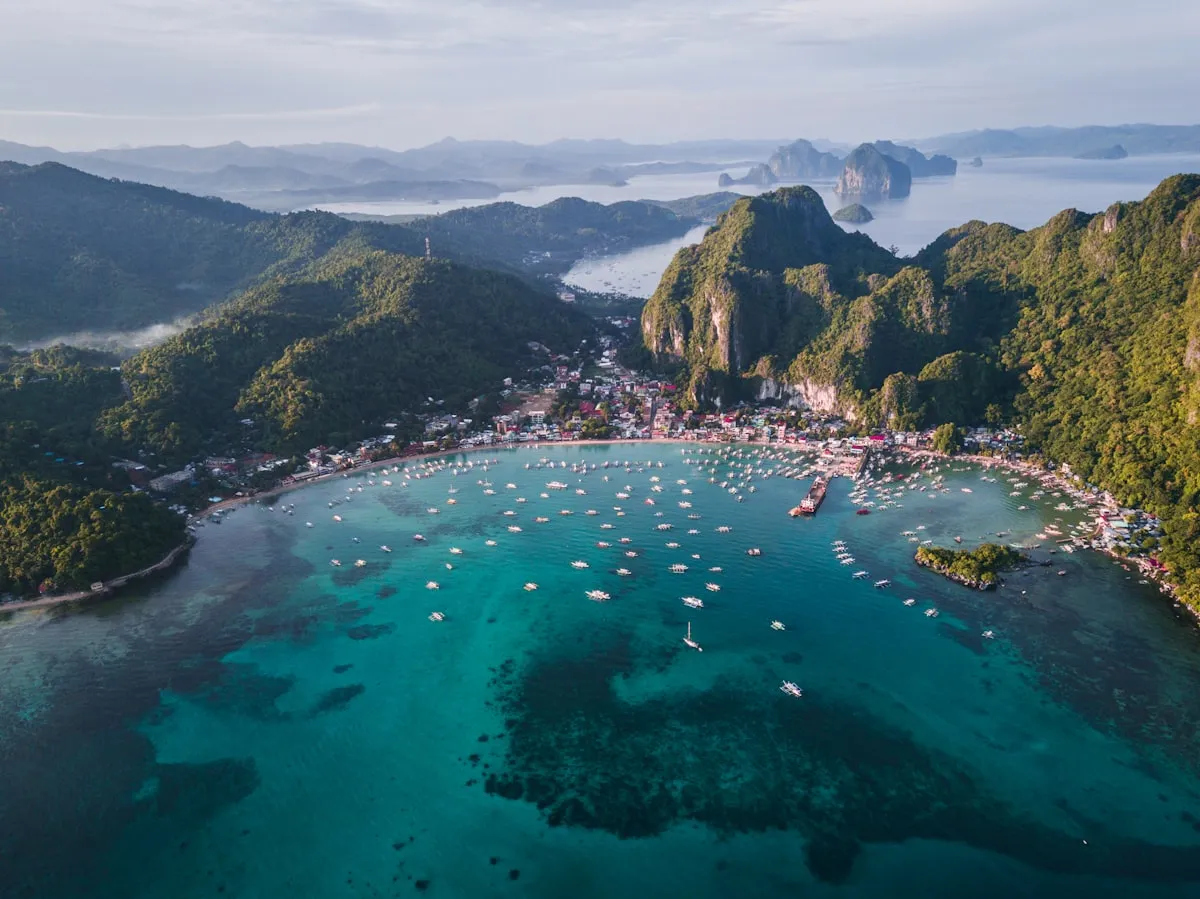
The Philippines' crown jewel is the obvious starting point. El Nido's limestone karst formations and island-hopping tours have become iconic on French travel Instagram and YouTube. Coron's WWII wrecks appeal to French history enthusiasts and technical divers. Stay at least 5 nights in each.
Sagada (Mountain Province) and the Cordillera
French travellers with a taste for mountains, trekking, and authentic indigenous culture will love the Cordillera region of northern Luzon. Sagada's hanging coffins, limestone caves, and cool highland climate are completely unlike the beach Philippines. The rice terraces of Banaue (a UNESCO World Heritage Site) and the warrior culture of Kalinga are extraordinary and rarely visited by non-Filipinos. Panagbenga Festival in Baguio (February) -- the Flower Festival -- has an unmistakably Provencal energy that French travellers find charming.
Cebu and the Visayas Dive Circuit
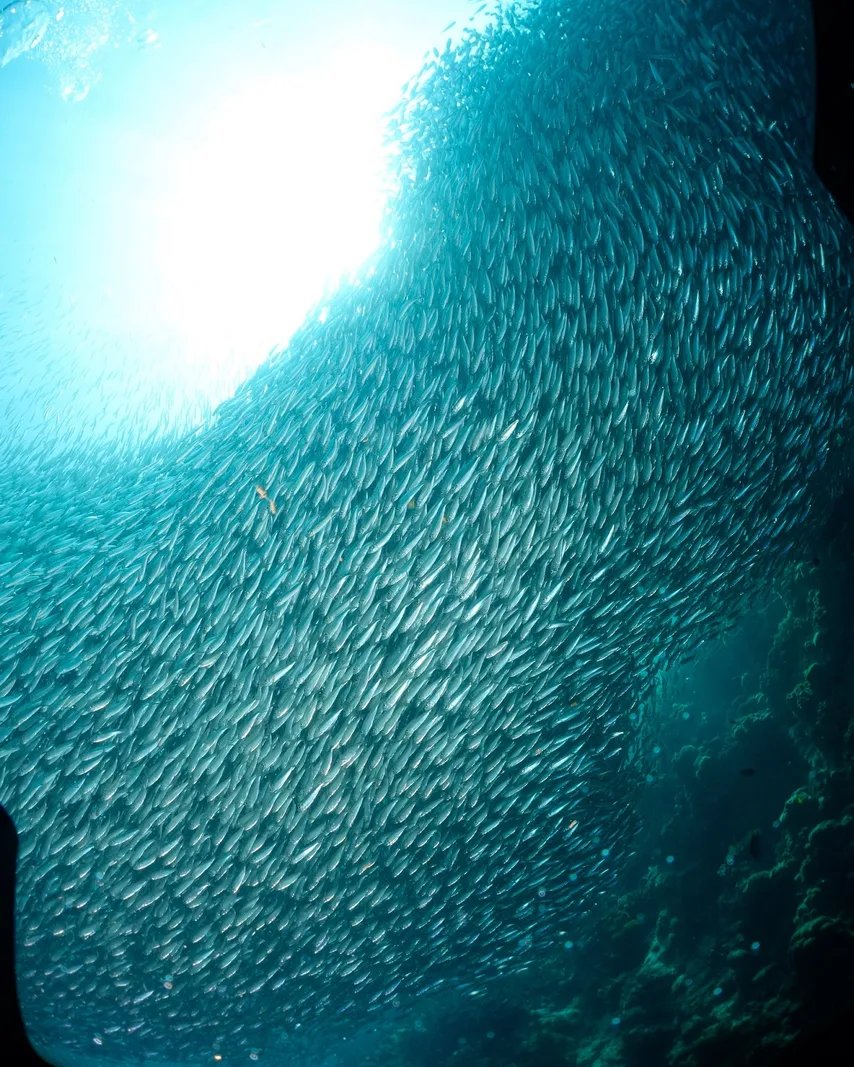
Cebu, Bohol, Dumaguete, and Siquijor make a natural island-hopping circuit popular with French independent travellers. The Chocolate Hills of Bohol, the sardine run in Moalboal, and the eerie mystery of Siquijor (known in Philippine folklore as an island of witches and healers) create an itinerary of remarkable variety.
Travel Insurance for French Citizens
Your Carte Vitale (French state health insurance) covers nothing outside France and EU countries with reciprocal agreements -- which excludes the Philippines entirely. Buy private travel insurance before departure. Options popular with French travellers:
- AXA Assurance Voyage -- widely used, strong medical coverage
- Chapka Assurances -- popular among French backpackers and long-term travellers
- Mondial Assistance (now Allianz Travel) -- good emergency assistance network in Asia
- World Nomads -- popular among French adventure travellers; explicitly covers diving and surfing
Budget EUR 30--70 for 3 weeks of Philippines coverage. Ensure the policy includes medical emergency (minimum EUR 100,000), emergency repatriation to France, and activity coverage for whatever you plan to do.
Frequently Asked Questions
Les Francais ont-ils besoin d'un visa pour les Philippines? (Do French citizens need a visa for the Philippines?)
Non -- aucun visa requis. French passport holders enter the Philippines visa-free for 30 days. You need a valid passport (6 months validity beyond exit), a return ticket, and a completed e-Arrival Card (etravel.gov.ph) before landing. Extensions are available at Bureau of Immigration offices for PHP 3,030 (roughly EUR 48) per extension.
What is the best way to fly from Paris to the Philippines?
Emirates via Dubai (from Paris CDG -- approximately 14--16 hours total, EUR 520--850 return) and Qatar Airways via Doha (from Paris CDG -- similar journey time, EUR 490--840 return) are the most popular and reliable options. From Lyon, Marseille, or Nice, Emirates is often the best direct option as it serves these French regional airports. Compare on Google Vols or Skyscanner.fr for current pricing.
Is the Philippines expensive for French travellers?
Very affordable by French standards. With 1 EUR equalling approximately 62--65 PHP, daily costs are dramatically lower than France. A mid-range couple can travel comfortably on EUR 100--140 per day including accommodation, food, and activities. Budget travellers manage EUR 30--50 per person per day. A full scuba diving day costs EUR 25--45. A week in El Nido (accommodation + meals + island-hopping tours) typically costs EUR 350--600 per person -- a fraction of equivalent French Polynesia costs.
Does the Philippines have good diving for French divers?
Exceptional. The Philippines sits at the centre of the Coral Triangle -- the most biodiverse marine region on Earth. Top sites include Tubbataha Reef (UNESCO World Heritage, liveaboard only, accessible March--June), Coron's WWII Japanese wrecks, Malapascua's thresher shark dives, Moalboal's sardine run, and Apo Island's turtle-rich sanctuary. Most Philippine dive operators accept PADI, SSI, CMAS (the French federation), and FFESSM certifications without issue.
What is the best time of year for French travellers to visit the Philippines?
November through April corresponds with the Philippine dry season and is ideal for most destinations. This aligns well with French school holiday zones (Toussaint holidays in November, Christmas/New Year, February school zone holidays, and Easter). January and February offer the most universally perfect weather. For budget-conscious French travellers willing to choose southern/eastern destinations, September--October offers dramatically lower prices during the Philippine typhoon season -- while Siargao and the Davao region remain excellent.

PANA.PH Editorial Team
Philippines travel desk
The PANA.PH travel desk researches, books and re-checks Philippines travel logistics — fares, ferry schedules, government fees and permit rules — and publishes what it can verify.
🏡 Real local stays (book direct)
Hand-picked homestays and guesthouses — book direct, no markup.
Browse all local stays →
🌊 Popular activities (book instantly)
Island hopping, canyoneering, whale sharks — real Klook/GetYourGuide options.
View all activities →