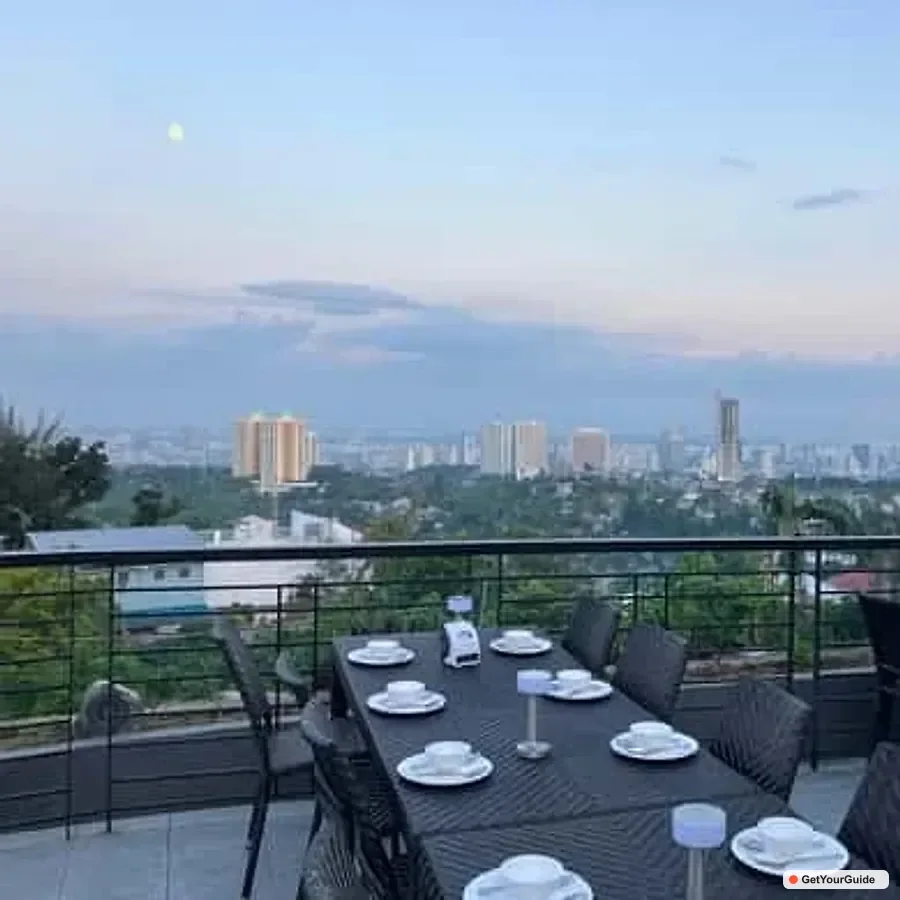
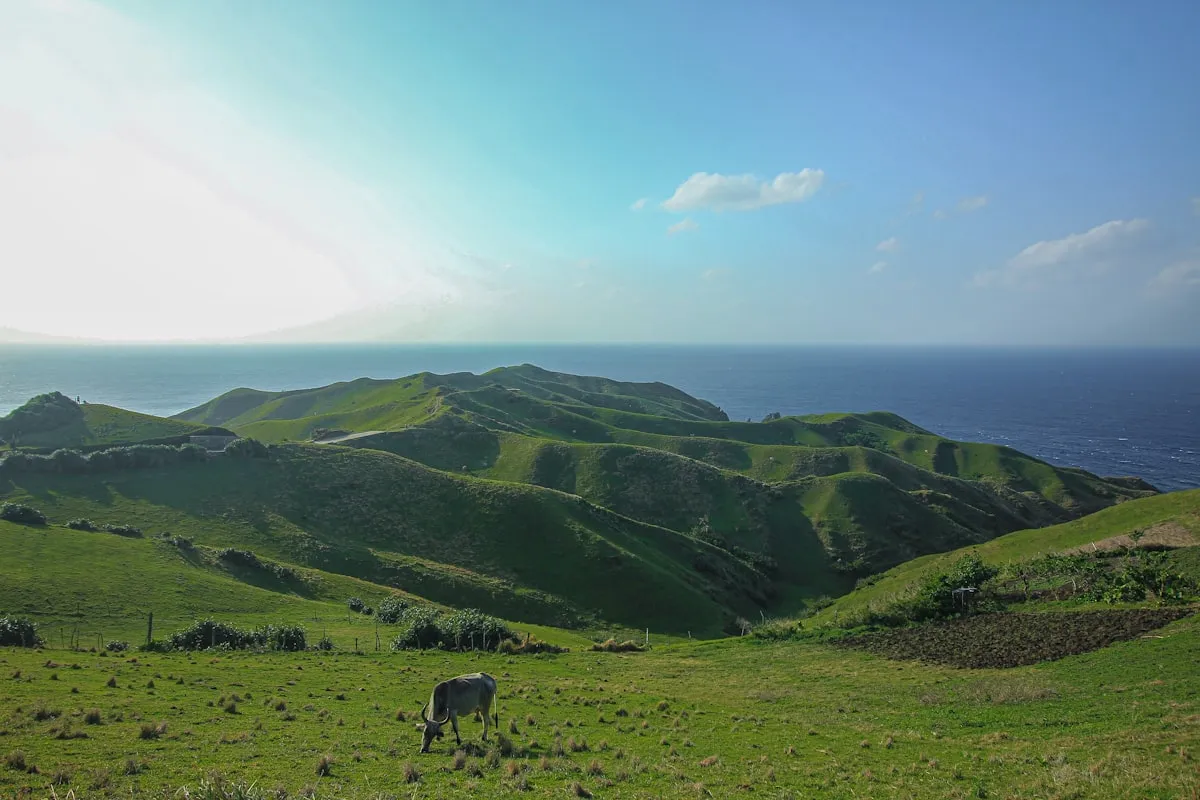
Year after year, flight after flight, Koreans show up at Ninoy Aquino International Airport in greater numbers than tourists from any other country on Earth. The Philippines Department of Tourism consistently ranks South Korea as the number one source market for inbound tourists — outpacing the United States, Japan, Australia, and China. In 2019, before the pandemic froze global travel, more than 1.97 million Koreans flew to the Philippines. The numbers bounced back fast post-2022 and continue to climb. This is not a coincidence. It is the result of geography, culture, price, and a very specific kind of appeal that the Philippines offers Korean travellers better than almost anywhere else.
Philippines from Korea: Cebu, Boracay & Beyond — The Complete Korean Traveller's Guide
Trip.com
Search on Trip.comHotels in Philippines
Compare live prices via Travelpayouts — targeted for this guide.
If you are planning your first trip — or your fifteenth — this guide covers everything: flights, money, visa rules, where to go by interest, and the insider details that make the difference between a good trip and a great one.
Flights from Seoul to the Philippines
Getting there has never been easier. From Seoul Incheon International Airport (ICN), you have direct flights to multiple Philippine gateways:
- Cebu Pacific — the budget carrier of choice for many Korean travellers. Direct Seoul ICN to Cebu (CEB), Manila (MNL), and Clark (CRK). Flight time to Cebu is approximately 3 hours 45 minutes. Return fares regularly go as low as KRW 150,000 during promotional periods, with typical return prices in the KRW 250,000–400,000 range.
- Philippine Airlines — the legacy carrier with full service. Seoul ICN to Manila (MNL) daily, plus Cebu routes. Expect KRW 350,000–600,000 return for economy, with higher reliability and a checked baggage allowance included.
- AirAsia — connects Seoul to Manila and Cebu via Kuala Lumpur or with direct routes depending on the season. Good option when Cebu Pacific promos are sold out.
- Korean Air and Asiana Airlines — operate Manila routes with full service. Pricier but excellent if you're using points or need flexibility.
Total flight time from Seoul to Manila is approximately 3 hours 50 minutes. To Cebu, slightly less. Book 6–8 weeks ahead for the best fares; Cebu Pacific seat sales drop at random intervals — follow them on social media or sign up for alerts. Flying from Busan (PUS) is also possible via connections, or check charter flights during peak school holiday seasons.
Trip.com
See all tours in Philippines on Trip.comDiving in Philippines
Hand-picked experiences in Philippines — book on Trip.com with instant confirmation.
Money: KRW to PHP
The exchange rate works strongly in your favour as a Korean traveller. As of 2026, approximately KRW 1,000 exchanges for roughly PHP 38–42 (rates vary — always check before you go). What this means in practice:
- A solid beachfront meal for two in Cebu: PHP 800–1,200 (KRW 20,000–30,000)
- A good mid-range hotel per night in Cebu or Boracay: PHP 2,500–5,000 (KRW 62,000–125,000)
- A PADI Open Water diving course: PHP 12,000–18,000 (KRW 300,000–450,000) — a fraction of the Korean price
- Island-hopping boat tour (full day): PHP 1,500–2,500 (KRW 37,500–62,500)
Exchange cash at Cebu IT Park money changers or SM Mall foreign exchange counters — rates are significantly better than airport booths. Most major cities have Hana Bank and Woori Bank ATMs that accept Korean cards without drama. Inform your Korean bank before travel to avoid blocked transactions.
Visa: 30 Days Visa-Free
Korean passport holders enter the Philippines visa-free for up to 30 days — no pre-approval, no paperwork. You simply arrive, show your passport and an onward ticket, and immigration stamps you in. Extensions are easy: visit the Bureau of Immigration (BI) in any major city and pay PHP 3,030 for a one-month extension. You can extend multiple times up to a maximum of 36 months total stay, though practically speaking most Korean tourists do not stay that long. If you are attending an English language school for longer than 30 days, see the student visa section below.
Why Koreans Choose Cebu: The English School Phenomenon
This is the single most defining element of the Korea-Philippines travel relationship. Thousands of Korean students — from university age down to middle school — travel to Cebu specifically to study English. The reason is economics and quality: a month of intensive English instruction in Cebu costs PHP 25,000–60,000 all-in (accommodation, meals, classes, activities). The equivalent program in the United States, United Kingdom, or Australia runs 3–5 times more expensive, and those countries require separate student visas that are harder to obtain.
Filipino English is internationally recognised as clear and accent-neutral — a result of the Philippines' long history as an English-medium education system. One-on-one (1:1) class ratios, which are standard in Cebu schools but rare in Western programs, mean Korean students get 6–8 hours of dedicated speaking time daily. Many schools in the Lapu-Lapu City area (near Mactan Island) and around Cebu IT Park cater almost exclusively to Korean students, with Korean-speaking staff, Korean food options, and familiarity with Korean cultural expectations.
The Cebu IT Park area has become a de facto Korean community — Korean BBQ restaurants, Korean convenience store imports, Korean-run real estate offices, and Korean church congregations all present within walking distance. For a Korean student arriving alone for the first time, it is far less disorienting than arriving in London or Los Angeles.
Boracay's Korean Strip
If Cebu is where Koreans study, Boracay is where they play. White Beach on Boracay has one of the highest concentrations of Korean-owned and Korean-friendly restaurants, bars, and water sports operators in Southeast Asia. Walk north from D'Mall toward Station 1 and you will find Korean BBQ restaurants, Korean fried chicken joints, Korean convenience-store snacks, and menus printed in Hangul alongside English. Korean is widely spoken at many resorts in the Station 1 upscale area.
Water sports on Boracay are tailor-made for the Korean market: helmet diving (no certification needed, walk-in price PHP 2,500), parasailing (PHP 1,500), cliff diving at Ariel's Point, and kitesurfing lessons. The nightlife at D'Mall and the beach bars caters to a young East Asian crowd. If you are travelling in a Korean group, Boracay is arguably the easiest Philippine destination logistically — everything is within walking distance, everything is priced in tourist-friendly formats, and Korean speakers are never far away.
Diving Culture Among Korean Travellers
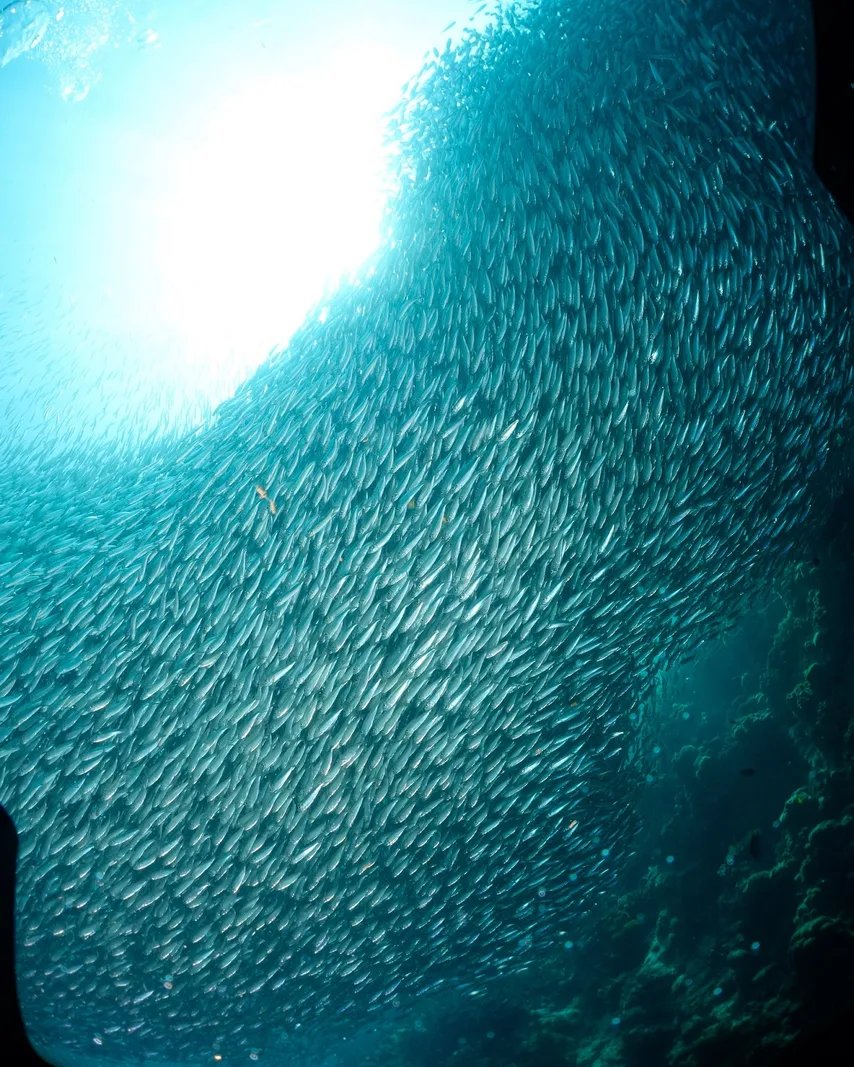
Scuba diving has become enormously popular among Korean travellers to the Philippines over the past decade. The Philippines sits in the Coral Triangle — the most biodiverse marine region on Earth — and dive sites like Tubbataha Reef, Malapascua (for thresher sharks), Apo Island, Moalboal (sardine run), and Coron (WWII Japanese wrecks) are world-class and accessible from Seoul with a single short-haul flight.
Many dive shops in Cebu, Moalboal, and Coron have Korean-speaking divemasters on staff, run briefings in Korean, and market directly to Korean social media channels. The PADI Open Water certification — the global standard — costs roughly one-third of what it costs to do in Korea, making the Philippines the most popular place for Koreans to get certified. Weekend divers fly in from Seoul on a Friday night, dive all day Saturday and Sunday, and are back at the office Monday morning. The total cost including a budget flight, two nights accommodation, and two days of diving often comes to under KRW 500,000.
Korean Food and Community by Destination
Manila
Malate district near Ermita has a long-established Korean restaurant strip — Korean BBQ, jjajangmyeon, samgyeopsal, and Korean karaoke noraebangs within a few blocks. Bonifacio Global City (BGC) has upscale Korean dining options. For serious Korean food, Malate remains the heart of Manila's Korean community, developed partly because of the proximity to the Philippine tourism industry offices and partly due to long-standing business ties between Korean and Filipino companies.
Cebu
As described above, Cebu IT Park and Lapu-Lapu City (Mactan) are the centres of Cebu's Korean community. Expect excellent Korean BBQ, Korean convenience store items, Korean bakeries, and Korean church communities. IT Park has 24-hour Korean restaurants that cater to students on morning-shift study schedules.
Boracay
Korean restaurants concentrated near Station 1 and D'Mall. Many resorts have Korean-speaking front desk staff. Korean travel agencies in Korea sell direct Boracay packages including transfers, so the logistics are entirely handled for group travellers.
Safety Tips for Korean Travellers
- Registered SIM cards: Buy a local SIM at the airport (Globe or Smart) — registration is required by law but fast. Korean roaming charges are steep; a local SIM with a data package is far more economical.
- Taxis and rideshare: Use Grab (the local Uber equivalent) exclusively in Manila and Cebu for transparent pricing. Unmetered taxi drivers at tourist spots frequently overcharge foreign passengers. Grab is reliable, app-based, and the driver cannot renegotiate the fare.
- Sun and heat: The Philippine sun is significantly more intense than Korea, even in winter months. SPF 50+ sunscreen, a rash guard for water activities, and staying hydrated are not optional — many Korean tourists underestimate UV levels and end up with serious burns on day one.
- Bag security: Standard precautions apply in crowded tourist areas — keep bags in front, don't display expensive cameras or phones unnecessarily. The Philippines is generally safe for tourists who exercise normal urban awareness.
- Water: Drink bottled or filtered water. Tap water is not potable. Every convenience store and sari-sari (neighbourhood store) sells bottled water at PHP 10–20 per 500ml.
Best Philippine Destinations for Korean Travellers by Interest
- English study: Cebu (Lapu-Lapu City, Cebu IT Park)
- Beach resort: Boracay (Station 1), Palawan (El Nido), Siargao
- Diving: Cebu (Moalboal, Malapascua), Coron (wreck diving), Tubbataha (liveaboard)
- City + nightlife: Manila (BGC, Malate, Poblacion)
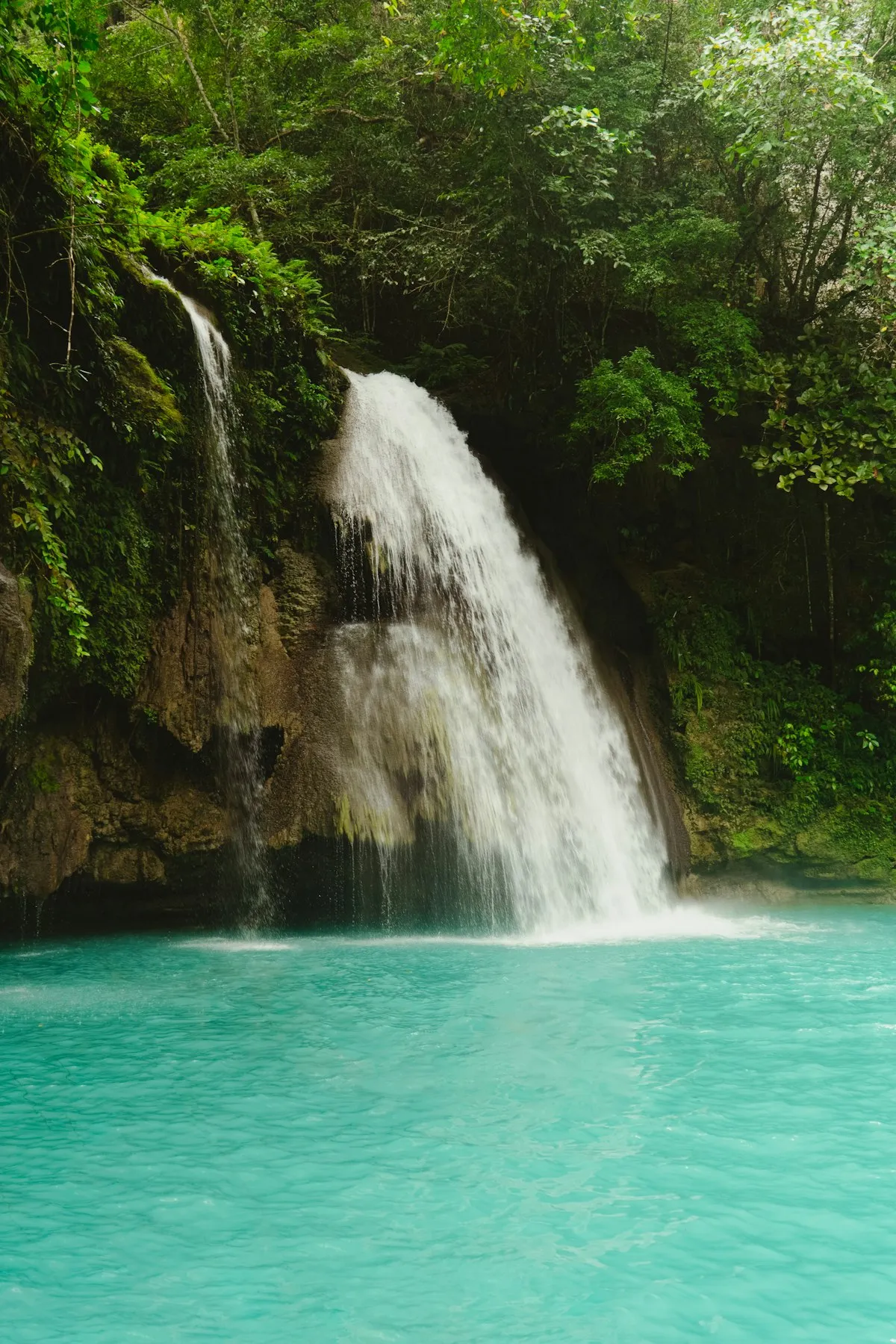
- Nature and waterfalls: Cebu (Kawasan Falls, Osmeña Peak), Bohol (Chocolate Hills)
- Budget travel: Dumaguete, Siquijor, Camiguin
Frequently Asked Questions
Do I need a visa as a Korean citizen visiting the Philippines?
No. Korean passport holders are admitted visa-free for 30 days. You need a valid passport (with at least 6 months validity remaining), a return or onward ticket, and evidence of sufficient funds. Extensions are available at any Bureau of Immigration office for PHP 3,030 per month.
What is the best airline from Seoul to Cebu?
Cebu Pacific offers the most frequent direct service and typically the lowest fares, especially during promotional periods. Philippine Airlines offers a premium service with included baggage. For most Korean budget travellers, Cebu Pacific is the default choice. Book the Seoul ICN to Cebu (CEB) route directly — it avoids a Manila stopover and puts you at your Cebu English school or dive resort much faster.
Is it safe for Korean students to study English in Cebu?
Yes. Cebu has hosted Korean students for over 20 years and the infrastructure — schools, dormitories, support networks, Korean community organisations — is well established. Choose schools accredited by the Commission on Higher Education (CHED) or with established reputations on Korean study-abroad review sites. The Cebu IT Park and Lapu-Lapu City areas are the safest and most developed for this purpose. Students should still take standard precautions: use Grab rather than random taxis, keep valuables secured, and inform their embassy of their stay.
How much money should I budget per day in the Philippines?
A comfortable mid-range budget for a Korean traveller is approximately KRW 80,000–150,000 (PHP 3,000–6,000) per day, covering accommodation, meals, local transport, and one activity. Budget backpackers can manage on KRW 50,000 per day by staying in hostels and eating at local carenderias (Filipino canteens). If you are doing boat tours, diving, or island hopping, add KRW 25,000–60,000 for the activity itself.
When is the best time for Koreans to visit the Philippines?
December through May is the dry season for most of the Philippines — this aligns well with Korean school break periods (winter break in January–February is particularly popular). The summer school break period (June–August) overlaps with the southwest monsoon, which affects western destinations like Boracay and Palawan. If travelling June–October, target eastern and southern destinations: Siargao, Davao, Camiguin, and southern Palawan, which remain largely sheltered from the monsoon. For Boracay specifically, travel November through May for the best beach weather.

PANA.PH Editorial Team
Philippines travel desk
The PANA.PH travel desk researches, books and re-checks Philippines travel logistics — fares, ferry schedules, government fees and permit rules — and publishes what it can verify.
🏡 Real local stays (book direct)
Hand-picked homestays and guesthouses — book direct, no markup.
Browse all local stays →
🌊 Popular activities (book instantly)
Island hopping, canyoneering, whale sharks — real Klook/GetYourGuide options.
View all activities →