Ask most American families where they are taking the kids on the big international trip and you will hear Hawaii, Cancun, the Caribbean, maybe Europe. The Philippines almost never comes up — which is a genuine shame, because it is one of the best family vacation destinations on the planet. The beaches are world-class, the water is warm and clear year-round, the activities are spectacular, the food has something for everyone, and — this one catches American parents off guard every time — the entire country absolutely adores children. Filipino culture places children at the center of family life in a way that makes traveling with kids feel completely different here than it does in many other destinations. Restaurants scramble to accommodate kids. Strangers in the mall will cuddle your toddler with the same warmth they would show their own grandchild. It is a deeply family-oriented society, and that cultural warmth extends immediately to foreign visitors traveling with children.
Philippines Family Vacation: Best Islands for Kids, Costs & What American Families Love
Hotels in Philippines
Compare live prices via Travelpayouts — targeted for this guide.
This guide covers the best islands for families, resort recommendations, activity age guides, budget planning, and the practicalities American parents need to know.
Best Family Destinations in the Philippines
Bohol: Tarsiers, Chocolate Hills, and Calm Beaches
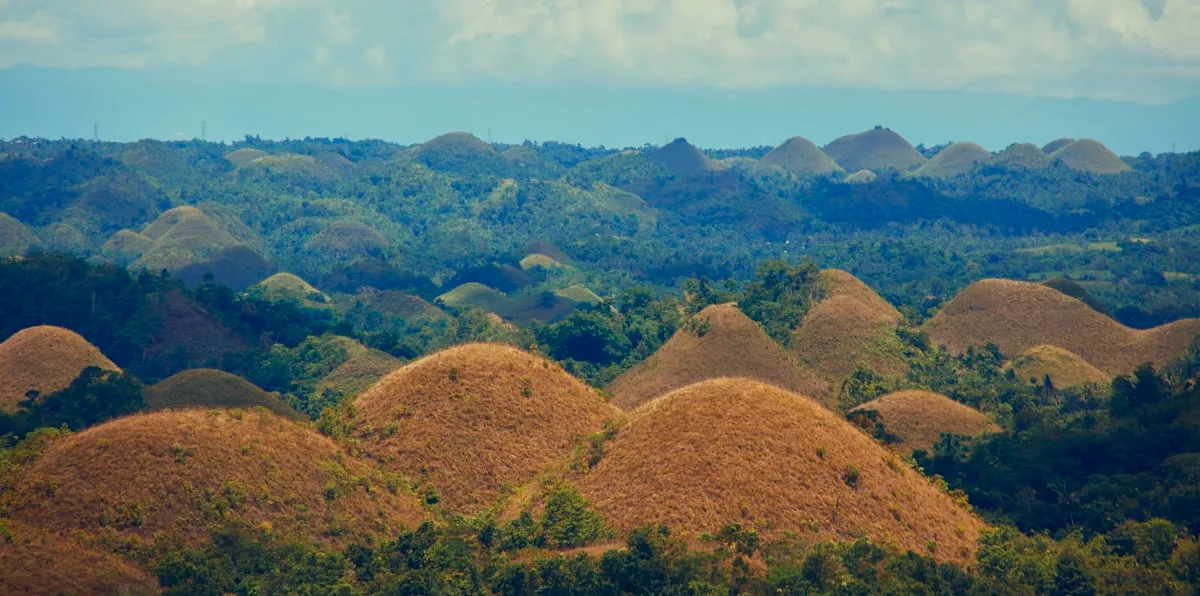
Bohol is arguably the best all-around family destination in the Philippines and an almost perfect first introduction to the country for American families. The island combines extraordinary natural attractions — the famous Chocolate Hills (1,268 perfectly rounded limestone mounds that turn chocolate-brown in dry season), the Philippine tarsier (one of the world's smallest primates, with enormous eyes and twig-gripping fingers that seem designed specifically to delight children), and the Loboc River cruise through jungle canopy — with calm, protected beach areas on the northern and eastern coasts that are ideal for young children.
The Philippine Tarsier and Wildlife Sanctuary near Corella is essential. Tarsiers are wild animals kept in their natural habitat — the sanctuary is responsible and the tarsiers are not handled or disturbed. Children observe them at close range from boardwalk viewing areas. Entrance fee is minimal (PHP 50 to 100) and the experience lasts 30 to 45 minutes. Tarsiers are nocturnal and slow-moving, so they are always present and visible even to toddlers in strollers. This is consistently cited by families as the single best wildlife encounter in the Philippines.
Snorkeling in Philippines
Hand-picked experiences in Philippines — book on Trip.com with instant confirmation.
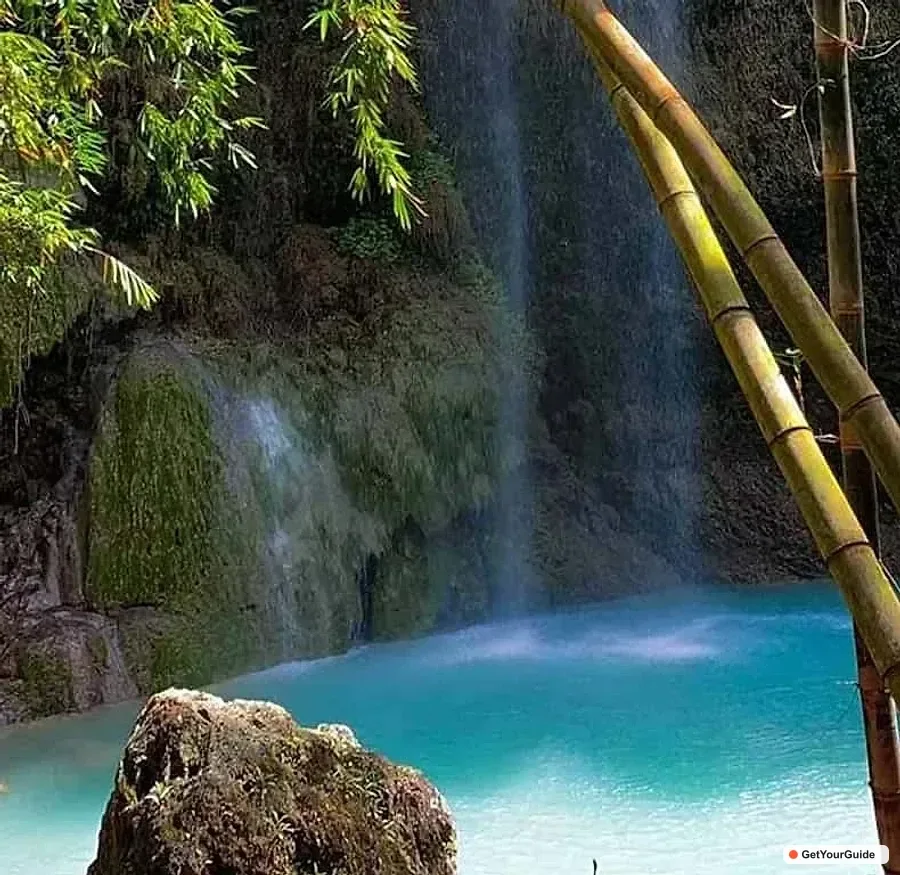
For beaches, Panglao Island (connected to Bohol by bridge) offers the best options for families. Alona Beach has numerous resorts and the reef snorkeling is accessible from shore. Anda Beach on the east coast is quieter and has extremely shallow, calm water ideal for young children. Cebu is just 2 hours by fast ferry from Bohol, making it easy to combine islands.
Boracay: Station 1 for Calm Water
Boracay is the Philippines' most internationally famous beach destination, and for good reason: White Beach is four kilometers of powder-fine white sand and clear turquoise water that ranks among the top beaches in the world. For families, the key is choosing the right part of the beach. Station 1 (the northern section) has the calmest water, the gentlest shore break, and the most shallow wading areas — ideal for children under 8. Stations 2 and 3 get more boat traffic and choppier conditions. The water on White Beach faces west, which creates spectacular sunsets but also means afternoon winds can kick up during the habagat season (June through September). Come between November and May for the calmest, most family-friendly conditions.
Kids of all ages will enjoy the banana boat rides, parasailing observation (watching others, not riding — minimum age and weight requirements apply), and the glass-bottom boat tours over the coral reef. D'Mall (the main commercial strip) has family-friendly restaurants, ice cream, and a supermarket for supplies. The island is small enough (7km long) that getting around by e-tricycle is easy and cheap (PHP 10 to 30 per ride within the tourist zone).
Palawan: Discovery and Wonder
Palawan is consistently rated one of the world's best islands, and for good reason — it has some of the most spectacular island-hopping scenery on Earth. For families, Palawan is best approached through El Nido (northern Palawan) which offers lagoon tours in flat-bottomed boats through limestone karst formations with shallow, clear water perfect for snorkeling and swimming. Tour A (the classic lagoon tour) visits the Big and Small Lagoons — shallow, calm, and visually extraordinary even for young children who cannot yet swim independently. Most tour operators provide life vests.
The Underground River in Puerto Princesa (now called the Puerto Princesa Subterranean River National Park, a UNESCO World Heritage Site) is excellent for families with children 5 and above — the guided boat tour through the river cave is 45 minutes, safe, and genuinely awe-inspiring. Underground River tour packages from Puerto Princesa cost PHP 1,500 to 2,500 per person including transport and guide.
Note: Palawan involves boat travel, and sea conditions can be rough outside the dry season (November through May). Young children prone to seasickness should be given preventive medication before island-hopping tours. Always confirm tour operators' safety equipment (life vests, communication devices) before booking.
Cebu: The Family Hub
Cebu is the most practical family base in the Philippines — a proper city with excellent hospitals, international-standard malls, diverse accommodation, and easy day-trip access to the surrounding islands. Mactan Island (connected to Cebu City by bridge) hosts most of the major beach resorts and is where the bulk of international families stay. The beach at Mactan is not as spectacular as Boracay or El Nido, but the resort facilities, pools, and protected lagoons are excellent for younger children.
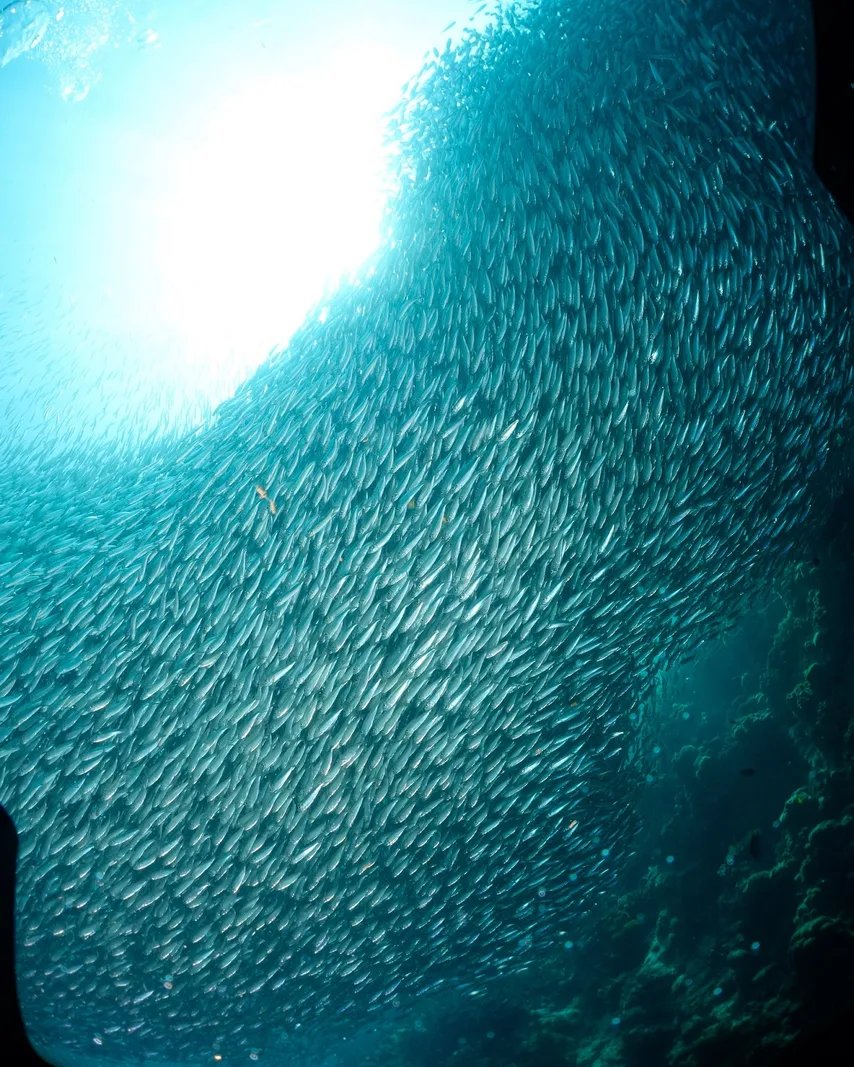
Key family activities from Cebu: whale shark swimming at Oslob (Cebu's south coast, 3 hours from Mactan) — minimum age recommendation is 5, and children must be able to swim or wear a life vest; the Kawasan Falls canyoneering in Badian (minimum age 12 for the full canyoneering course, with a gentler swimming-only option suitable for younger children); Moalboal sardine run snorkeling (the sardine school is in shallow water accessible to snorkelers of all ages — one of the most spectacular wildlife encounters in Southeast Asia, right next to shore); and the Cebu Ocean Park aquarium (excellent for rainy days with children under 8).
Top Family-Friendly Resorts
Henann Regency Resort and Spa, Boracay
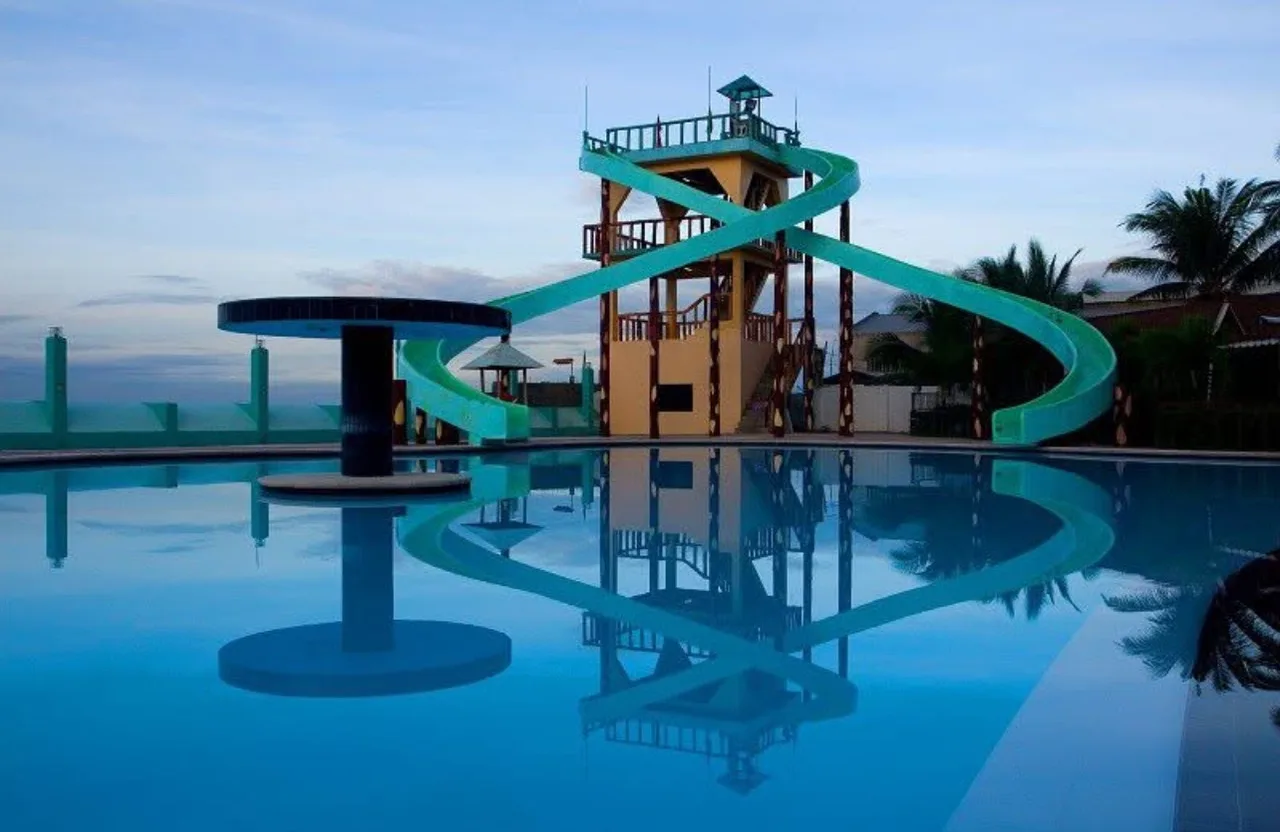
One of the best family resorts in the country. Henann Regency sits on Station 1's calmest stretch of White Beach and features a massive multi-pool complex including a children's pool with water slides, swim-up bar (mocktails for kids), and shallow areas perfect for toddlers. The beach access is direct from the resort. Rooms are spacious and the resort has a dedicated kids' club program. Rates run PHP 8,000 to 18,000 ($140 to $315) per night for family rooms during mid-season — significant by Philippine standards but competitive with US beach resorts for what is delivered. Breakfast is included in most room rates and the spread is extensive.
Bluewater Maribago Beach Resort, Cebu
A perennial favorite for families visiting Cebu. Bluewater Maribago is on Mactan Island with a private beachfront, multiple pools, spacious cottages and villas with room for families of 4 to 6, and an excellent kids' club operating daily 9 AM to 5 PM. The snorkeling off the resort's private pier is good — staff provide equipment and beginner instruction. The resort's restaurant buffet is exceptional (and very child-friendly). Rates range from PHP 7,000 to 16,000 ($122 to $280) per night for superior rooms and cottages.
Amorita Resort, Panglao, Bohol
A boutique clifftop resort overlooking Alona Beach with infinity pool views that genuinely take your breath away. Amorita is not a mass-market family resort — it is quieter and more refined than Henann or Bluewater — but the suites are spacious, the pool is excellent, and the staff are exceptionally child-attentive. The resort offers activity packages including tarsier visits, river cruises, and island hopping. Rates from PHP 9,000 to 25,000 ($158 to $438) per night for family-suitable suites. Best for families with children 6 and above who can appreciate a slightly more relaxed, boutique atmosphere.
El Nido Resorts (Lagen or Miniloc Island)
For families who want to splurge on a bucket-list experience, El Nido Resorts' island properties (Miniloc, Lagen, Apulit, and Pangulasian) are among the most spectacular eco-resort experiences in Southeast Asia. Miniloc is built on stilts over a coral bay and accessible only by boat — children love the boat arrival, the fish feeding from the deck, and the kayaking from the resort directly to adjacent lagoons. All-inclusive rates run $300 to $600 per person per night, making it a luxury item for most families — but the experience is genuinely extraordinary and the all-inclusive format simplifies budgeting. Best for children 5 and above.
Activity Age Guide
Not every Philippine activity is appropriate for every age. A practical guide for American parents:
- Whale shark swimming (Oslob, Cebu): Recommended minimum age 5, must wear life vest if unable to swim competently. Non-swimming children can observe from the boat — the whale sharks come very close to the surface. Snorkeling with them requires comfort in open water.
- Island hopping (El Nido, Coron, Bohol): All ages, but toddlers on boats for 4 to 5 hours need careful planning — bring sunscreen, hats, snacks, and change of clothes. The boats can be bumpy and sun exposure is extreme. Life vests are provided; insist they are worn by children.
- Snorkeling: Ages 5+ for beginner snorkeling in calm lagoon conditions. Many resorts offer proper-sized child snorkel sets. Life vest snorkeling (floating with a vest while looking down) is appropriate for children 3 and above in calm, clear water.
- PADI Open Water diving certification: Minimum age 10 for PADI Junior Open Water Diver. Ages 10 to 14 have depth restrictions (12 meters max, must dive with a certified adult). The Visayas and Palawan have excellent PADI dive shops with experienced instructors for junior certification.
- Kawasan Falls canyoneering: Minimum age 12 for the full course involving cliff jumping, rappelling, and river swimming through gorges. The gentler swimming-only option (no jumping, just walking and swimming to the base of the falls) is suitable for children 6 and above with good swimming ability.
- Chocolate Hills viewing (Bohol): All ages — a paved viewing platform at the top of a hill with a short staircase climb. The 360-degree view of the hills is manageable for toddlers in carriers.
- Underground River, Puerto Princesa: All ages, though very young children (under 3) may be startled by the dark cave environment and bat noise. The 45-minute flat-bottom boat ride is calm and comfortable.
Food for American Kids
Filipino cuisine is delicious but adventurous — grilled seafood, rich stews, vinegar-marinated dishes, and rice at every meal. American children accustomed to chicken nuggets and pizza will find familiar options in the Philippines more easily than in most Asian countries.
Jollibee is the secret weapon for traveling families with picky eaters. The Philippines' own fast food chain — more popular here than McDonald's — serves Chickenjoy (fried chicken that is genuinely excellent), burgers, spaghetti (sweet Filipino-style, which almost every American child adores), and rice meals. There is a Jollibee in virtually every mall and town in the Philippines. The experience of taking American kids to Jollibee is itself a travel highlight — the mascot (a bee in a chef's hat) is beloved, the restaurants are child-oriented, and the sweet spaghetti with hotdog slices is a Filipino cultural institution. Budget PHP 200 to 350 ($3.50 to $6) for a full Jollibee meal per person.
Beyond Jollibee: pizza is ubiquitous and very good in the Philippines (local chains like Yellow Cab and Sbarro are everywhere, as are independent pizzerias). Burgers are common. McDonald's is present in all cities. Chinese food (fried rice, noodles, dumplings) is accessible and mild. For adventurous kids, lechon (whole roasted pig — sweet, crispy-skinned, extraordinary) is a Filipino celebration dish that most children love on sight. Dessert winners: halo-halo (shaved ice with sweetened beans, gelatin, and ice cream — a Filipino summer classic that most American kids find completely novel and delicious) and mango anything — Philippine mangoes are consistently ranked among the sweetest in the world.
Child Travel Documents: The Solo Parent Rule
This is a critical practical point that many American families overlook. The Philippines has strict rules about children traveling internationally without both parents. If a child is traveling with only one parent (or with grandparents or other relatives without either parent), the Bureau of Immigration requires a notarized travel consent letter from the absent parent(s).
The consent letter should state the child's name, the accompanying adult's name, the destination and travel dates, and be notarized by a notary public. Some airlines may ask for this at check-in even before the Philippines Bureau of Immigration does — it is best to have it prepared regardless. For divorced or separated parents, additional documentation (custody documents) may be required. Single parents traveling with children should also carry the child's birth certificate showing parentage.
For US families, this means: if Mom is taking the kids to the Philippines without Dad (or vice versa), prepare a notarized letter from the absent parent before departure. This is not unique to the Philippines — it is standard practice in many countries and exists to prevent international child abduction.
Safety with Kids in the Philippines
The Philippines is generally safe for families in tourist areas. Specific points for parents:
- Sun exposure: The Philippine sun is extremely intense (the country straddles the tropics). Reef-safe SPF 50+ sunscreen should be applied every 90 minutes during beach days. UV-protective rash guards are highly recommended for children — Philippine islands offer almost no natural shade on the water.
- Water safety: Only drink bottled water or use a filtered water bottle (LifeStraw, Sawyer, or similar). Ice at established restaurants is generally safe (machine-made, not tap water). At local carinderia eateries, skip the ice for children to be cautious.
- Marine hazards: Sea urchins are common on rocky reef areas — enforce the "no walking on coral or rocks" rule and ensure children wear reef shoes when wading in rocky areas. Jellyfish are occasional seasonal visitors; check with resort staff before swimming in unfamiliar areas. Rip currents exist on ocean-facing beaches — observe warning flags.
- Roads: Traffic in Manila and Cebu is chaotic by American standards. Use Grab (the Philippine equivalent of Uber, significantly safer and more reliable than street taxis) for all urban transport with children. Child car seats are rarely standard in Philippine taxis and Grab vehicles — bring a portable travel car seat for infants and toddlers if required.
Budget for a Family of 4: Two Weeks All-In
The honest budget range for an American family of 2 adults and 2 children (ages 6 and 10) for a two-week Philippines trip:
- Budget-conscious ($4,000 to $5,500 total): Mid-range guesthouses PHP 3,000 to 5,000/night, Cebu Pacific domestic flights, local restaurants with occasional splurges, self-guided island hopping. Itinerary: Manila 2 days, Boracay 5 days, Cebu/Bohol 5 days.
- Comfortable ($5,500 to $8,000 total): 3 to 4-star resorts, mix of Cebu Pacific and Philippine Airlines domestics, resort pools and guided tours, 50/50 split between local restaurants and tourist-oriented dining. Itinerary: Manila 2 days, El Nido/Palawan 4 days, Boracay or Bohol 5 days.
- Splurge ($10,000 to $18,000 total): Henann Regency Boracay, El Nido Resorts, private tour guides, business class domestic flights, resort-based dining. Includes luxury resort add-ons (spa, private boat charters).
International round-trip flights (West Coast to Manila, 4 persons economy class) are the single largest line item at $2,400 to $5,000 depending on airline and timing. Within the Philippines, a family of 4 can live very well on $200 to $400 per day including accommodation, food, activities, and transport.
Frequently Asked Questions
Is the Philippines a good destination for American families with young children?
Yes — with appropriate planning. The Philippines is exceptionally family-friendly culturally, and the major tourist destinations (Boracay Station 1, Panglao beach in Bohol, Mactan resort area in Cebu) have calm, safe swimming conditions for young children. The key considerations are the long flight (14 to 17 hours from the West Coast — build in recovery days), sun protection (extreme UV), and food safety (bottled water always, careful with street food for children under 5). Families with children 5 and above who can handle some adventure will find the Philippines outstanding. Toddlers and infants require more logistics but the cultural warmth toward young children makes the country remarkably accommodating.
What age is best for the whale shark experience in the Philippines?
The whale shark interaction at Oslob in Cebu is one of the most memorable wildlife experiences a family can have in Asia. The practical minimum age is 5 for children who can swim or float comfortably with a life vest in open water. Non-swimming children can observe from the boat — the whale sharks feed at the surface and come extremely close, so the boat view is genuinely spectacular even without entering the water. Children aged 8 and above who are comfortable snorkeling will get the most from the experience. Note: there is ongoing debate about the ethics of the Oslob whale shark interaction (provisioned feeding attracts the animals) — families who prefer a more natural encounter should research the unprovisioned whale shark dive sites in Donsol (Sorsogon), where whale sharks are not fed but sightings are seasonal (February through May).
How do I get from Manila to the best family beach destinations?
All major family destinations are accessible by domestic flight from Manila or Cebu: Boracay (fly to Kalibo or Caticlan, then 15 to 45 minutes by van and boat — total travel 1.5 to 2.5 hours from Manila), Bohol (fly to Tagbilaran from Manila or Cebu, then 30 to 45 minutes by resort transfer), El Nido Palawan (fly direct to El Nido via AirSWIFT from Manila in 70 minutes, or to Puerto Princesa in 60 minutes then 5 hours by van — the El Nido direct flight is strongly recommended for families), Cebu/Mactan (fly direct from Manila in 60 minutes). Domestic airfare for a family of 4 round-trip on Cebu Pacific or Philippine Airlines runs PHP 8,000 to 25,000 ($140 to $438) per segment depending on timing and airline.
What is Jollibee and why do American families love it?
Jollibee is the Philippines' homegrown fast food chain, founded in 1978, and it is more popular in the country than McDonald's — a remarkable achievement that reflects the deep Filipino pride in the brand. The menu is American fast food translated through a Filipino palate: Chickenjoy (fried chicken with a uniquely crispy, slightly sweet breading that is genuinely delicious), sweet-style spaghetti (with banana ketchup-based tomato sauce and sliced hotdog — sounds wrong, tastes wonderful, every child loves it), palabok (Filipino noodle dish), peach mango pie, and soft-serve ice cream. American families love it because it is affordable (PHP 200 to 400 for a complete meal), the restaurants are hygienic and child-friendly, and the experience is a genuine piece of Filipino culture rather than a generic food stop. Jollibee has expanded to the US (Los Angeles, New York, Chicago, Hawaii) but the Philippines experience — 3,000+ branches nationwide — is the authentic one.
Do resorts in the Philippines have kids' clubs and childcare?
The major family resorts — Henann Regency Boracay, Bluewater Maribago Cebu, Crimson Resort Mactan, Pearl Farm Beach Resort Davao, and others at the 4 to 5-star level — operate kids' clubs with supervised activities during the day. Typical kids' club hours are 9 AM to 5 PM with arts and crafts, pool games, and beach activities. Hours are often extended in the evenings on request with advance notice. Budget guesthouses and boutique resorts typically do not have formal kids' clubs, though staff are almost always accommodating of children. For babysitting or nanny services, most major hotels can arrange vetted in-room childcare — budget PHP 400 to 800 per hour ($7 to $14) for a hotel-arranged babysitter.

PANA.PH Editorial Team
Philippines travel desk
The PANA.PH travel desk researches, books and re-checks Philippines travel logistics — fares, ferry schedules, government fees and permit rules — and publishes what it can verify.
🏡 Real local stays (book direct)
Hand-picked homestays and guesthouses — book direct, no markup.
Browse all local stays →
🌊 Popular activities (book instantly)
Island hopping, canyoneering, whale sharks — real Klook/GetYourGuide options.
View all activities →