At 6am, somewhere in the Bohol Sea, the captain kills the engine and everyone goes quiet. The surface is glassy, the horizon just beginning to light up pink. Then — the sound. A rapid clicking exhale, then another, then twenty more in quick succession. Fins everywhere. A pod of spinner dolphins, easily a hundred strong, rises around the boat in every direction, leaping and corkscrewing in their signature spinning jumps that give the species its name.
Dolphin Watching in the Philippines: Best Spots for Wild Spinner Dolphins
Trip.com
Search on Trip.comHotels in Puerto Princesa
Compare live prices via Travelpayouts — targeted for this guide.
The Philippines holds some of the most accessible wild dolphin watching in Asia — not because of theme parks or fed animals, but because the country's warm, nutrient-rich waters between islands support extraordinarily large cetacean populations. Here is where to find them.
Why the Philippines for Dolphin Watching?
The Philippine archipelago sits within the Coral Triangle, the most biodiverse marine ecosystem on Earth. The channels and straits between islands create upwelling zones rich in fish — exactly what dolphins need. At least 27 cetacean species have been recorded in Philippine waters, including spinner dolphins, bottlenose dolphins, pantropical spotted dolphins, Fraser's dolphins, sperm whales, and dwarf sperm whales. The Sulu and Bohol Seas are particularly productive.
Unlike some dolphin-watching destinations that manufacture encounters through feeding or captivity, the Philippines' best dolphin trips are pure wildlife experiences — you go out on a boat at dawn and find wild animals living wild lives. Sightings are not guaranteed (it is wild nature) but success rates at the best spots run above 80% on calm-water mornings.
Trip.com
Tours & activities in Puerto Princesa
Hand-picked experiences in Puerto Princesa — book on Trip.com with instant confirmation.
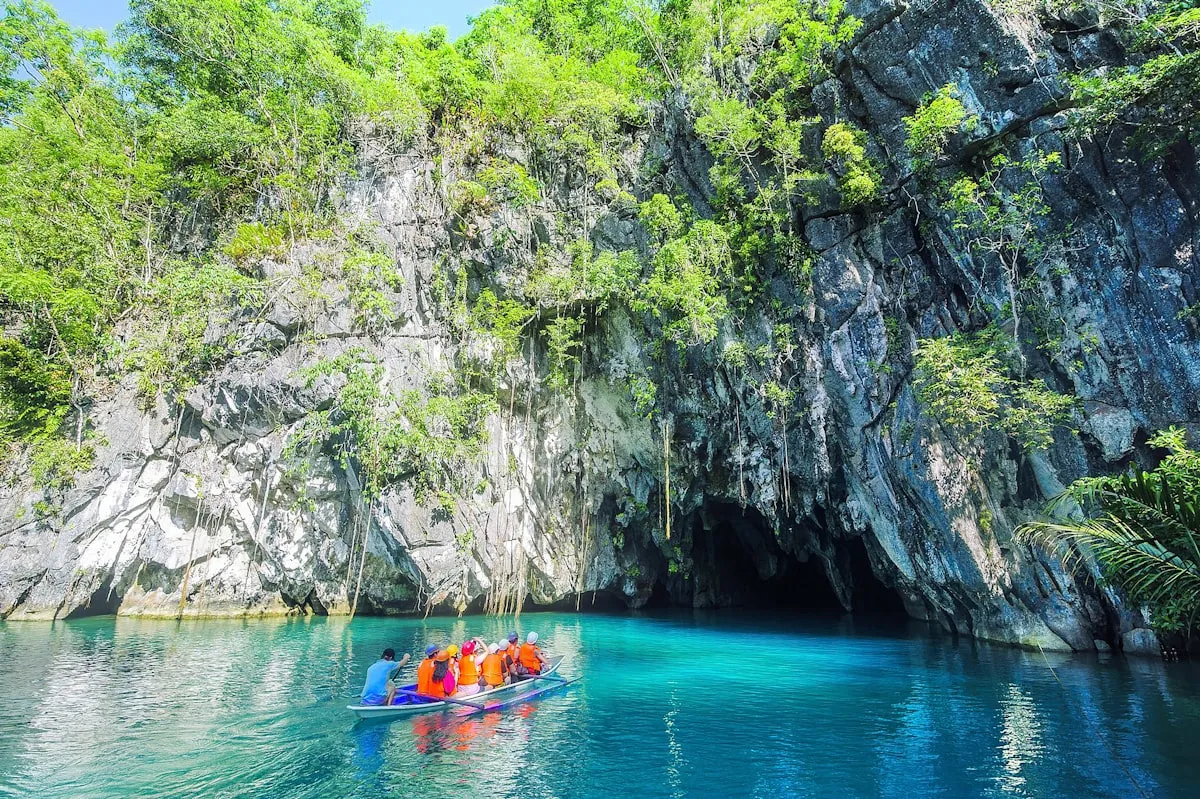
Whale Shark Watching in Puerto PrincesaPuerto Princesa, Palawan · Full dayFrom ₱2,510Book now
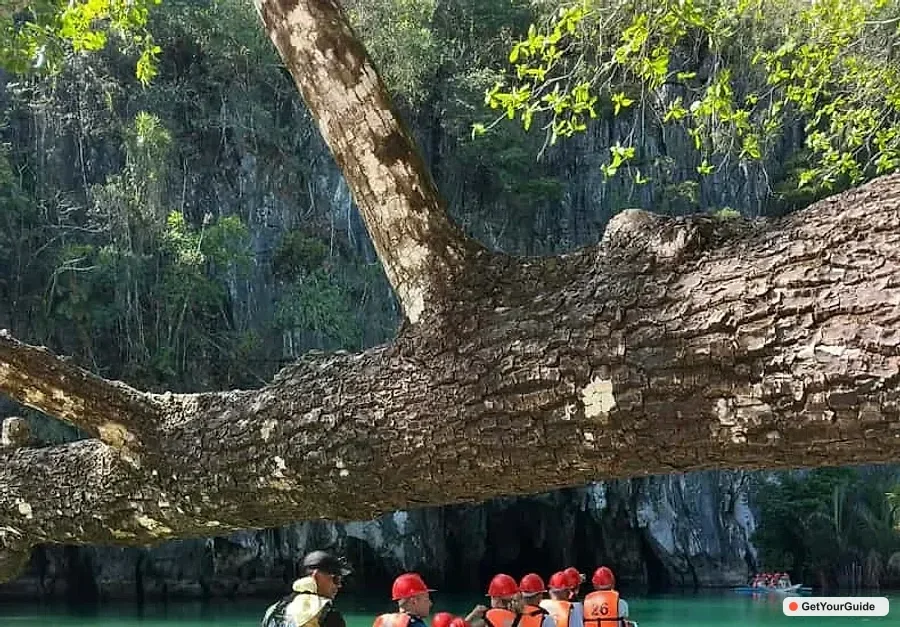
Puerto Princesa Underground River Tour with LunchPuerto Princesa, Philippines · Full dayFrom ₱3,200Book now
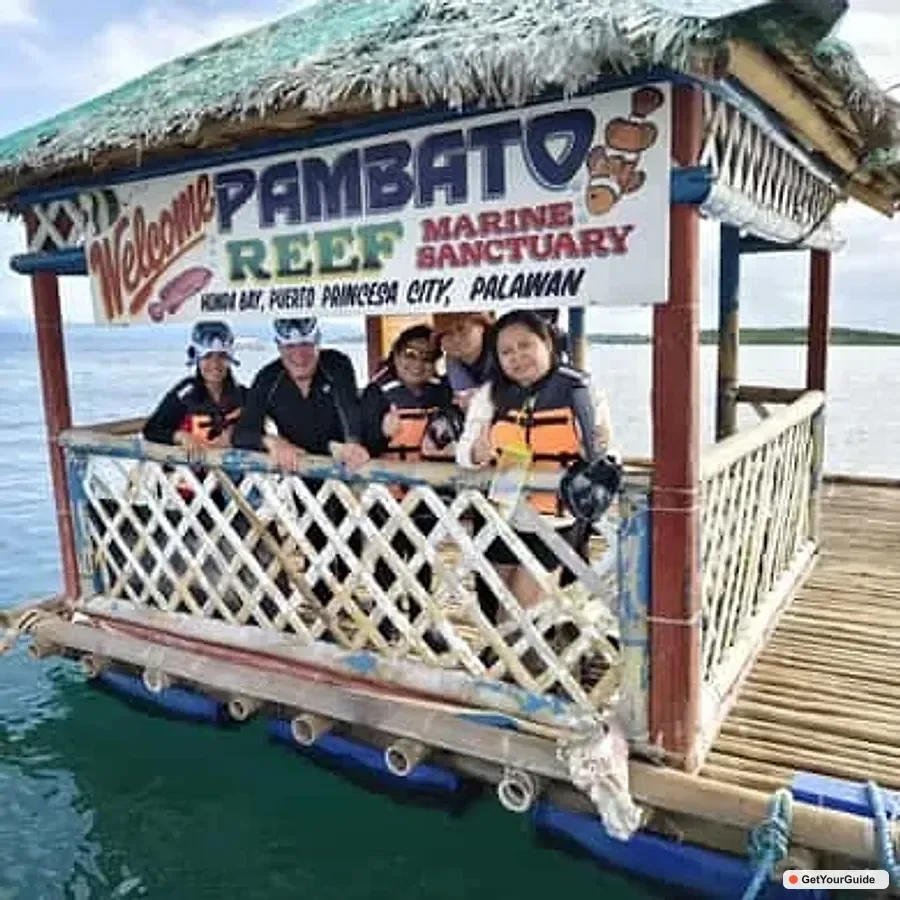
Puerto Princesa Honda Bay Island Hopping Tour (Classic)Puerto Princesa, Philippines · Full dayFrom ₱1,850Book now
Best Dolphin Watching Spots in the Philippines
1. Pamilacan Island, Bohol — The Classic
Pamilacan Island, off the southern coast of Bohol near Baclayon, is the country's most famous dolphin-watching destination. Spinner dolphins inhabit the deep waters around the island in large resident pods — up to 300 individuals are regularly documented. Sperm whales and Bryde's whales have also been sighted in the deeper offshore channels.
Tours depart from Baclayon pier at around 5:30 to 6:00am and cost PHP 2,500–3,500 per person including a traditional bangka boat, a local guide, and usually some snorkeling at Pamilacan's reef. The boat ride to the dolphin grounds takes 30 to 45 minutes. Once there, the crew searches the surface for telltale fins and splashing.
Pamilacan has a slightly complicated conservation history — the islanders were historically manta ray and whale hunters, a practice that was banned and replaced by tourism. Local boat operators are now the same families, turned wildlife guardians. Choose operators affiliated with the Pamilacan Island Dolphin and Whale Watching Tour, which operates under a community-based model that benefits the village directly.
2. Balicasag Island, Bohol — Dolphins Plus Turtles
Balicasag Island marine sanctuary, also off southern Bohol, offers a remarkable combination: bottlenose dolphins in the deep water channels around the island at dawn, and green sea turtles grazing the reef at any time of day. The turtles at Balicasag are so habituated to divers and snorkelers that encounters are virtually guaranteed — you will be swimming alongside them within minutes of entering the water.
Tours from Alona Beach (Panglao Island) or Tagbilaran run PHP 2,000–3,000 per person all-in. Most operators combine Balicasag with the dolphin grounds and a snorkeling stop at the Virgin Island sandbar. Start with the dolphin search at dawn (6am departure), then work your way back to Balicasag for the turtle snorkeling as the sun rises fully.
3. Puerto Princesa Honda Bay, Palawan — Resident Spinners
Honda Bay, just north of Puerto Princesa City in Palawan, has a resident population of spinner dolphins that feed in the bay's productive shallows near the island group that includes Starfish Island, Luli Island, and Cowrie Island. Island-hopping boats heading out from Puerto Princesa's Honda Bay port regularly encounter dolphin pods between 7am and 10am.
The dolphins here are often seen very close to the boats — the bay is enclosed enough that the animals become visible from a distance and can be approached slowly. An island-hopping day trip in Honda Bay costs PHP 1,200–1,800 per person including boat, guide, and island entrance fees. Dolphin watching is not the primary marketing of these tours but encounters happen on the majority of trips during calm weather.
4. Batangas Bay and Verde Island Passage — Day Trips from Manila
The Verde Island Passage between Luzon and Mindoro has been called "the center of the center of marine biodiversity" by scientists. Bottlenose and spinner dolphins frequent the channel, and day-trip dolphin watching tours operate from Batangas City and Mabini (Anilao area) for Manila-based travelers.
Operators like Anilao Divers and several Batangas-based bangka operators run dolphin-watching sessions as add-ons to dive trips. The passage is rougher than the Bohol Sea — check wind and wave conditions. Cost runs PHP 1,500–2,500 per person from Batangas port. This is the most accessible dolphin-watching option for visitors based in Manila who don't have time to travel south.
5. Cagayancillo Island Chain — The Remote Frontier
For serious wildlife enthusiasts, the Cagayancillo island chain in the Sulu Sea — roughly halfway between Palawan and Panay — holds extraordinary marine mammal populations including spinner dolphins, melon-headed whales, and the occasional sperm whale. The area is rarely visited, partially because accessing it requires a significant boat journey from Puerto Princesa or organizing a liveaboard.
Cagayancillo sits adjacent to the Tubbataha Reef ecosystem, one of the healthiest and most protected marine areas in Asia. The dolphins here are genuinely wild, large in number, and completely unhabituated to tourist boats — which means encounters, when they happen, are electric. Budget for a liveaboard or a chartered bangka with an overnight stay on Cagayancillo if you want to explore this area.
Responsible Dolphin Watching: How to Choose a Good Operator
Not all dolphin-watching operators in the Philippines behave ethically. The key distinction: good operators wait for dolphins to approach naturally; bad operators chase them. Chasing dolphins at high speed is stressful for the animals, disrupts foraging and socializing, and can cause pods to permanently avoid an area.
Signs of a responsible operator:
- Engine is cut or throttled down when dolphins are near
- Boat maintains at least 10 metres distance from the pod
- No sudden course changes to intercept a moving pod
- Guide briefs passengers before departure on etiquette
- No one is allowed to enter the water with dolphins (this is not a swim-with-dolphins setup)
- Operator knows the local BFAR (Bureau of Fisheries and Aquatic Resources) guidelines
Ask your hotel or tour desk to recommend operators with a conservation reputation. In Bohol specifically, look for Pamilacan Island Dolphin and Whale Watching Tour's official bangka operators and avoid touts on the beach who promise "guaranteed swimming with dolphins."
Best Time and Conditions
Dolphins are present in Philippine waters year-round. The practical considerations are sea conditions and time of day:
- Time of day: Dolphins are most active and visible in the early morning, typically between 6am and 10am. After mid-morning, pods often move to deeper water to rest during the heat of the day.
- Best season: November through May (the dry season / amihan) brings calmer seas across most dolphin-watching areas. Smooth water makes spotting fins dramatically easier from a boat. Visibility of underwater pods when they surface near the boat is also better in calm conditions.
- Worst conditions: Rough seas (anything over 1.5m swell) make spotting nearly impossible and make small bangka boats uncomfortable and potentially unsafe. Don't push your luck.
What to Bring
Polarized sunglasses are one of the most useful items for dolphin watching from a boat — they cut the surface glare and let you see into the water. A telephoto lens (200mm or longer equivalent) is ideal for photography; dolphins are fast and often 15–30 metres away even at their closest. Sunscreen (reef-safe mineral SPF 30+) is essential for the long sun exposure. Bring ginger candy or motion sickness tablets if you're prone to boat-sickness — the bangkas in the Bohol Sea can pitch in swells.
Frequently Asked Questions
Can you swim with wild dolphins in the Philippines?
The responsible answer is: you should not enter the water to chase wild dolphins, as this is stressful for the animals and is discouraged by BFAR guidelines. However, if a pod of dolphins chooses to approach and swim near a stationary boat, some operators allow a quiet entry near the boat — not pursuing the dolphins, but being present if they choose to interact. This distinction matters enormously. Avoid any operator that offers "guaranteed swimming with dolphins" as a chase-based product.
What species of dolphins are most common in the Philippines?
Spinner dolphins (Stenella longirostris) are the most commonly seen species, identifiable by their spinning leaps and slender, aerobatic bodies. Bottlenose dolphins (Tursiops truncatus) are also frequent — larger and more robust than spinners, often seen in smaller groups. Pantropical spotted dolphins, Indo-Pacific humpback dolphins (in some coastal areas), and melon-headed whales (which look dolphin-like) are also regularly recorded.
How much does dolphin watching cost in the Philippines?
A dedicated dolphin-watching tour from Bohol (Pamilacan or Balicasag) runs PHP 2,500–3,500 per person including the boat and guide. In Puerto Princesa's Honda Bay, dolphin sightings are a bonus within island-hopping tours costing PHP 1,200–1,800. From Batangas (day trips from Manila area), expect PHP 1,500–2,500. All prices are approximate and vary by operator and group size.
Is dolphin watching in the Philippines ethical?
At reputable operators — yes. The Philippines' best dolphin-watching operations are genuine wildlife encounters with wild, free animals. No feeding, no captivity, no forced interaction. The key is choosing operators who follow approach guidelines. Compared to marine parks where dolphins perform for food, a well-run Philippine dolphin-watching trip is about as ethical as wildlife tourism gets.
What is the difference between spinner and bottlenose dolphins?
Spinner dolphins are smaller (1.5–2m), very slender, with a distinctive long thin beak and the spinning acrobatic leaps that give them their name. They tend to live in large pods of 50–300 individuals. Bottlenose dolphins are larger (2–3.5m), stockier, with the classic curved "smile" beak most people recognize from TV. They live in smaller groups of 10–30 individuals. Both species are commonly seen in Philippine waters; spinners are more spectacular performers while bottlenose are generally more confident around boats.

PANA.PH Editorial Team
Philippines travel desk
The PANA.PH travel desk researches, books and re-checks Philippines travel logistics — fares, ferry schedules, government fees and permit rules — and publishes what it can verify.
🏡 Real local stays (book direct)
Hand-picked homestays and guesthouses — book direct, no markup.
Browse all local stays →
🌊 Popular activities (book instantly)
Island hopping, canyoneering, whale sharks — real Klook/GetYourGuide options.
View all activities →