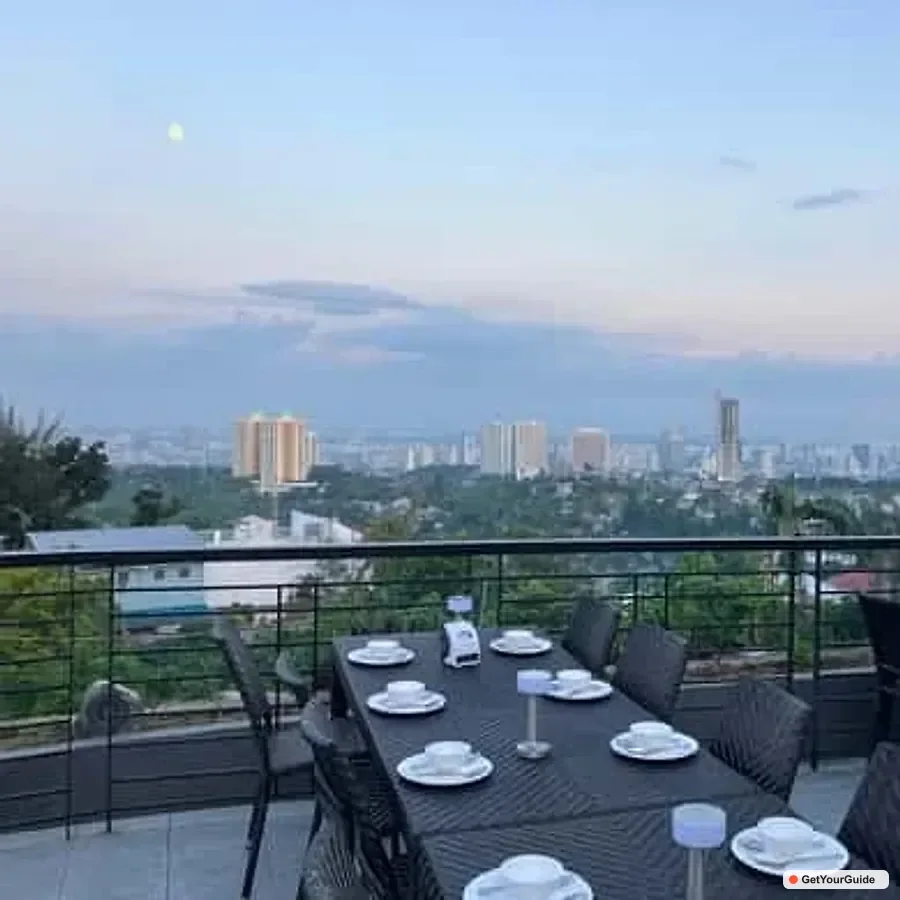
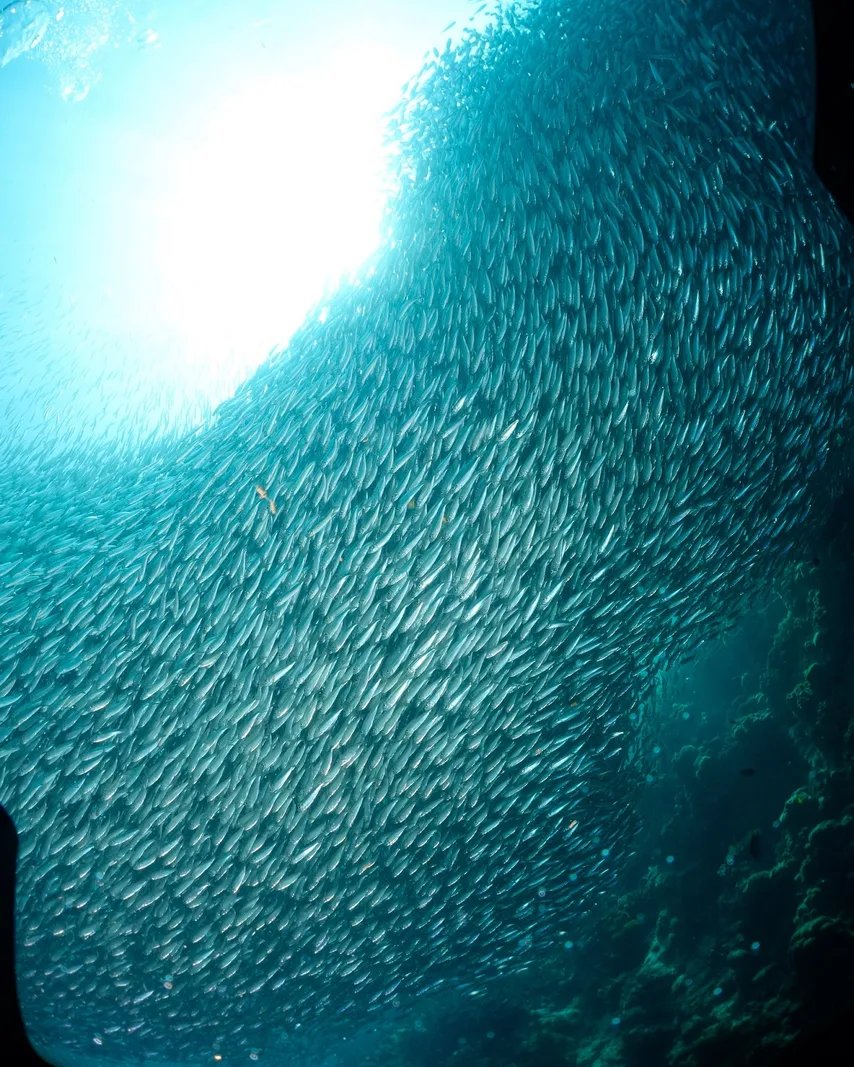
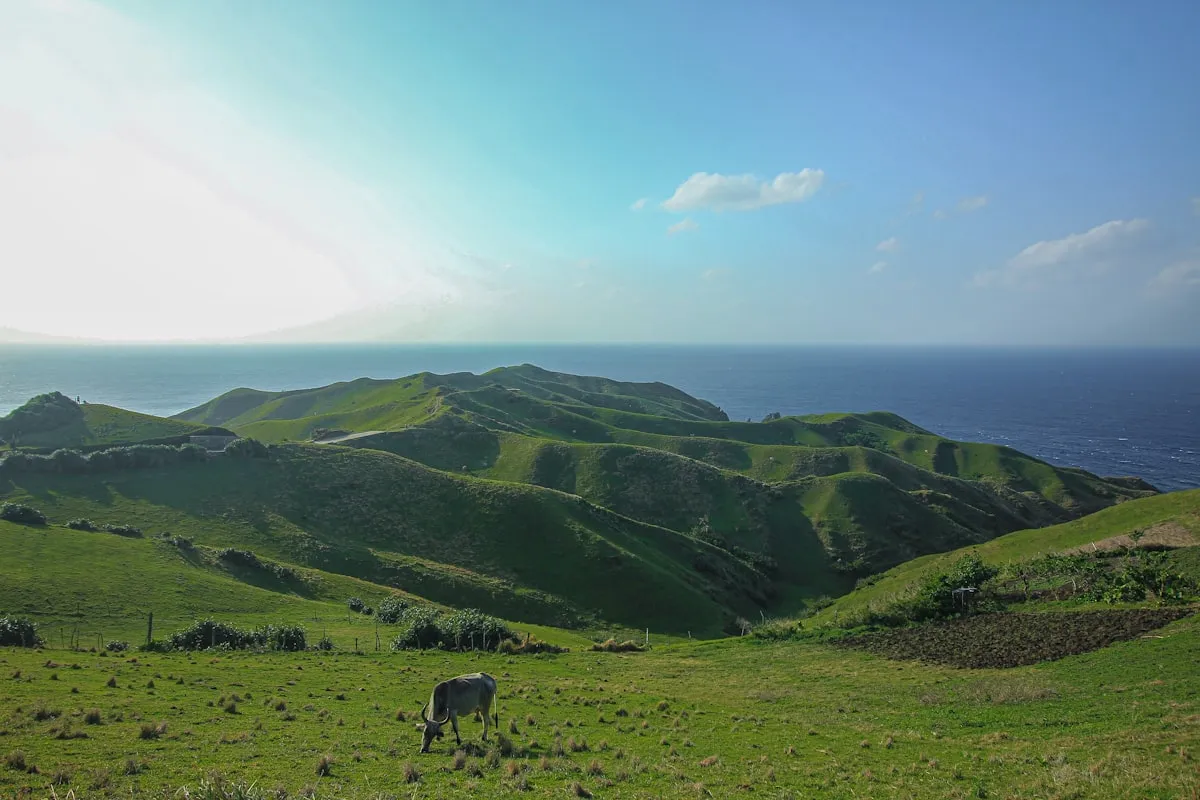
The Philippines does not do adventure halfway. Across 7,641 islands you will find active volcanoes, world-class surf breaks, cave systems that swallow entire mountains, and coral reefs so alive they feel like swimming through a living painting. Best of all, you can experience most of this for a fraction of what the same adrenaline would cost you in New Zealand, Costa Rica, or Norway. A full day of canyoneering costs less than a taxi in Auckland. A three-day guided summit of the country's highest peak costs less than one night in a Queenstown hostel.
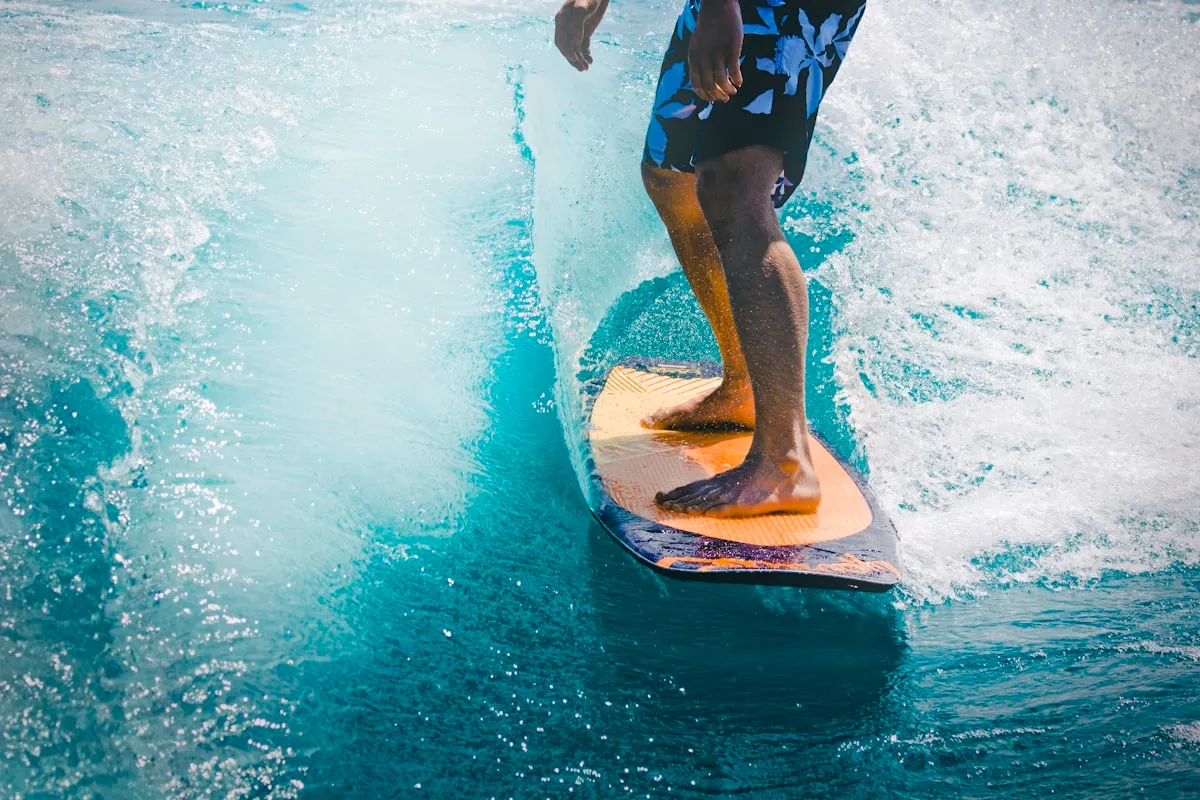
Philippines Adventure Travel: The 15 Most Thrilling Experiences in the Islands
Trip.com
Search on Trip.comHotels in Philippines
Compare live prices via Travelpayouts — targeted for this guide.
This guide covers the 15 most thrilling adventure experiences across the archipelago — with honest pricing, difficulty ratings, and everything you need to know before you show up.
1. Canyoneering Kawasan Falls (Cebu)
Difficulty: Moderate | Price: PHP 1,200-1,800 per person
The signature adventure of Cebu — and arguably of the whole Visayas. The Kawasan canyoneering trail runs roughly 5km through the Matutinao River, starting at Badian and finishing at the iconic three-tiered turquoise falls of Kawasan. You jump off cliffs (the highest is around 8 metres), slide down natural rock chutes, swim through gorges, and walk along rope bridges above churning whitewater. The water is a surreal electric blue-green, fed by cold springs from the Cebu highlands.
Trip.com
See all tours in Philippines on Trip.comWhale shark watching in Philippines
Hand-picked experiences in Philippines — book on Trip.com with instant confirmation.
Tours depart from Badian at 7am and include life jackets, a guide, and a habal-habal (motorbike) back to the start. Non-swimmers can do a partial tour finishing at the waterfalls without the cliff jumps. Book through any Cebu City tour operator the night before — no advance reservation needed. Bring water shoes or closed sandals; flip-flops will come off immediately.
2. Surfing Cloud 9, Siargao
Difficulty: Advanced (intermediate for beginner breaks) | Price: PHP 300-500/day board rental + PHP 150 tower access
Cloud 9 is one of Asia's premier surf breaks — a hollow, fast-breaking reef wave that tubes beautifully when the swell hits 1.5 metres or higher. The wave breaks over a shallow reef about 500 metres from the main beach and is best surfed by intermediate to advanced surfers when conditions are firing. Beginners have their own zones: Jacking Horse and the beach break at General Luna, where lessons run PHP 800-1,200 for 1.5 hours including board and instructor.
Peak surf season is August through November when southwest swells push through. The annual Siargao Cup (September) brings international competitors and is worth watching even if you are not surfing. The iconic Cloud 9 viewing tower gives non-surfers a perfect vantage point of the break for PHP 150 entrance.
3. Trekking Mount Apo (Davao del Sur/Cotabato)
Difficulty: Strenuous | Price: PHP 4,000-8,000 guided package (2-3 days)
At 2,954 metres, Mount Apo is the highest peak in the Philippines and one of the most rewarding multi-day treks in Southeast Asia. Three main trails lead to the summit: Via Kidapawan (most popular, 2 days), Via Kapatagan (longer, more gradual, 3 days), and Via Sta. Cruz (most technical, for experienced climbers). All routes require a licensed guide and a permit from the Protected Area Management Board (PAMB).
The summit push typically begins at midnight for a sunrise arrival. You will cross sulfurous volcanic vents, mossy cloud forests, and a boulder field before reaching the steel cross at the top. On clear mornings, you can see the Celebes Sea and several provinces spread out below. Guides are mandatory and non-negotiable — the trails are confusing and the weather changes violently above 2,000 metres. Book through Kidapawan City tourism at least a week in advance for peak months (March to May, November to January).
4. Liveaboard Diving at Tubbataha Reef
Difficulty: Advanced (open water certification minimum) | Price: USD 1,800-3,500 for 6-7 night liveaboard
Tubbataha Reef National Park sits in the Sulu Sea, about 180km southeast of Puerto Princesa, and is accessible only by liveaboard from late March through early June. It is a UNESCO World Heritage Site and arguably the most pristine reef ecosystem in the entire Philippine archipelago. Dive sites like Shark Airport, Black Rock, and Amos Rock deliver hammerhead sharks, grey reef sharks, manta rays, Napoleon wrasse, and walls of pelagic fish that most divers will never see anywhere else.
The park is only accessible during its seasonal open window because of weather and park regulations limiting visitor numbers. Six to eight liveaboard operators are licensed annually. Boats depart from Puerto Princesa (Palawan). Book at least three months in advance — spots fill by November for the following season. Nitrox diving, dive masters, and all park fees are typically included in the package price.
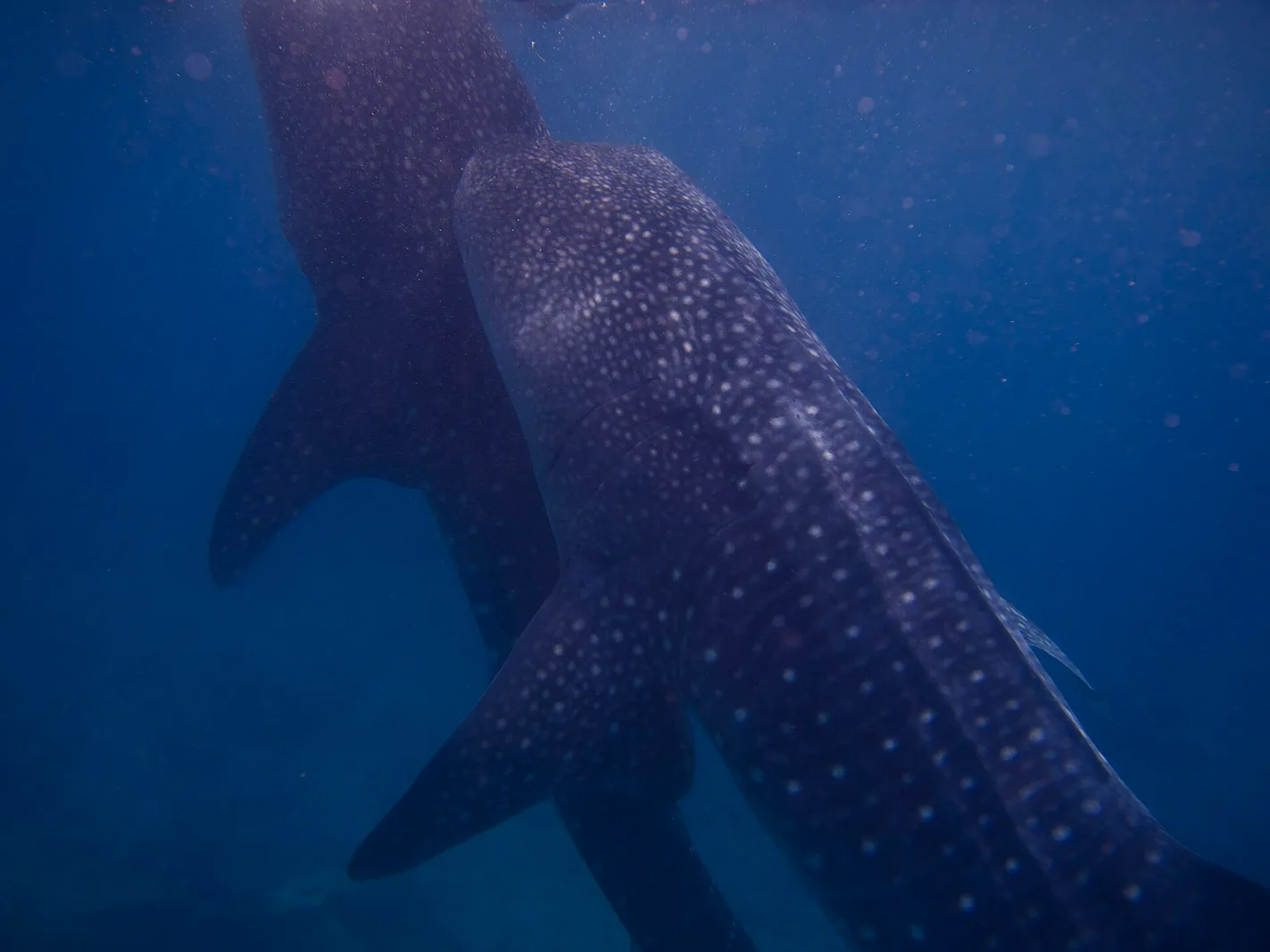
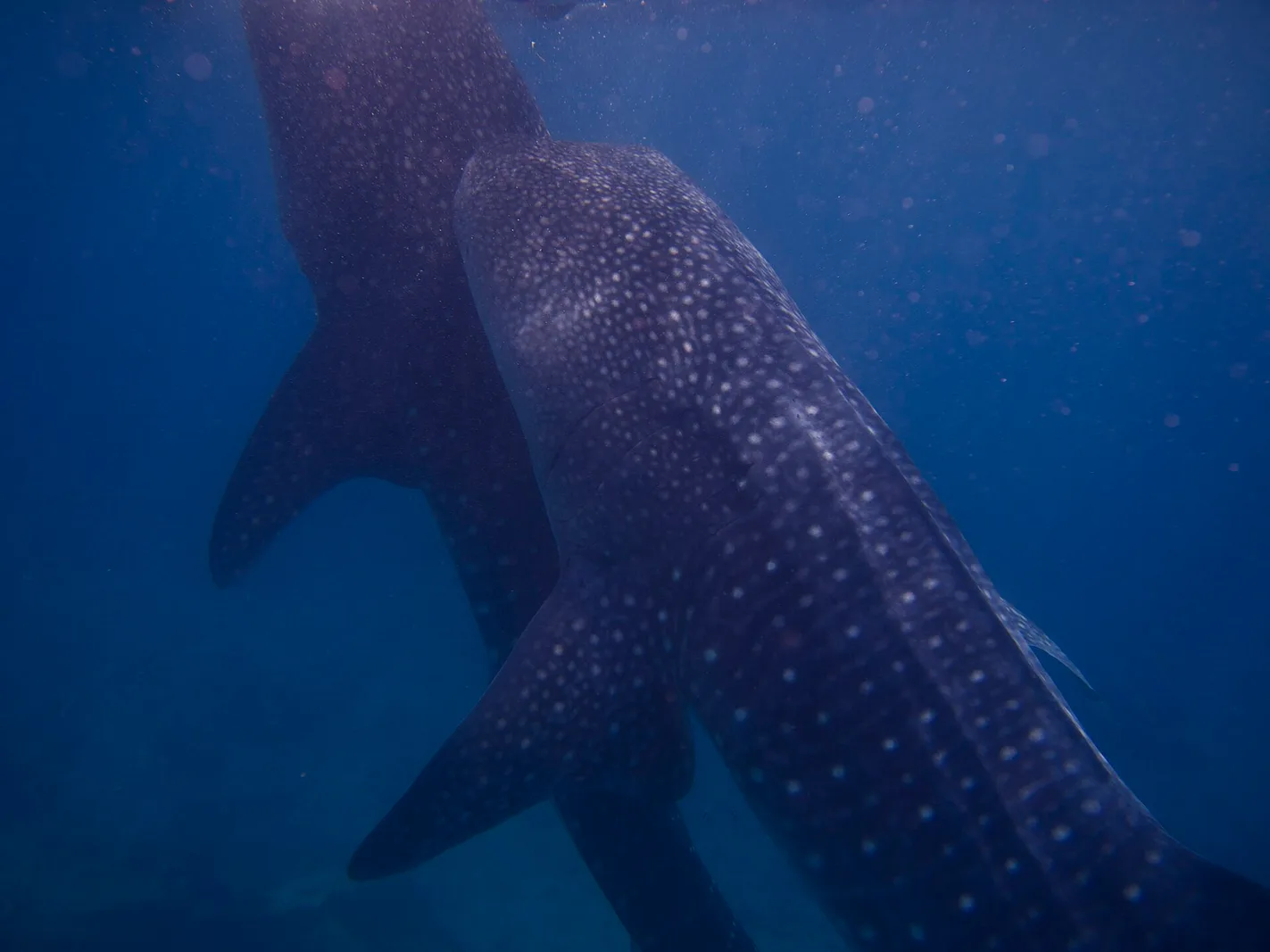
5. Freediving with Whale Sharks at Oslob (Cebu)
Difficulty: Beginner (snorkelling option) to Intermediate (freediving) | Price: PHP 500 tourist fee + PHP 200-500 equipment rental
The whale shark interaction in Oslob is controversial among conservationists but remains one of the most profound wildlife experiences in the country. The butanding — as they are called locally — are the largest fish on Earth, growing up to 12 metres, and they gather in Tan-awan barangay each morning attracted by the iyok (small shrimp) fed by local fishermen who have converted their profession to tourism.
Snorkellers and divers interact from a wooden outrigger bangka at a distance regulated by wardens. Freediving gives a more intimate and natural experience than scuba — no bubbles, less noise, slower movements. The whale sharks are largely unbothered by swimmers who approach quietly. Best experienced between 6am and 8am before crowds arrive and before the morning feeding winds down. Bring your own freediving gear for the best experience, or rent basic snorkel sets onsite.
6. ATV Across the Chocolate Hills (Bohol)
Difficulty: Easy | Price: PHP 500-1,500 depending on route length
The Chocolate Hills — 1,268 perfectly cone-shaped limestone formations spread across Carmen, Bohol — are one of the Philippines' most recognizable landscapes. The standard viewing platform experience is fine. The ATV experience is something else entirely. Several operators in Carmen offer ATV routes that take you off the main road and down into the valleys between the hills, through farming villages, across creek crossings, and up rutted dirt tracks to viewpoints that the tour buses never reach.
Routes range from 45 minutes (PHP 500) to half-day experiences (PHP 1,500) covering 15 to 20 kilometres. No experience necessary — guides lead in small groups and ATVs are automatic. Best combined with a morning visit to the Chocolate Hills viewpoint (golden hour light at 5:30-6:30am makes them glow) followed by the ATV adventure starting at 8am.
7. Zipline at Eden Nature Park (Davao City)
Difficulty: Easy | Price: PHP 350-700 per zipline run
Eden Nature Park sits at 1,000 metres above Davao City in the Mintal highlands and offers a set of zipline runs that include one of the longest in Mindanao — a 680-metre dual cable run that drops you across a deep valley with views of Mount Apo and, on clear days, the coastline of Davao Gulf. The park also has a canopy walk, horseback riding, and a trout pond. The zipline itself is the drawcard: you run tandem or solo at speeds up to 60 km/h across a forested ravine.
Eden is a 45-minute drive from Davao City proper and worth combining with a Mount Apo pre-trek day or a recovery day post-summit. Entrance is PHP 200, rides priced separately. Best on weekdays when weekend crowds from Davao City thin out considerably.
8. Cliff Jumping at Salagdoong Beach (Siquijor)
Difficulty: Moderate | Price: PHP 30-50 entrance fee
Siquijor is best known as the Philippines' mystical island — home to faith healers, firefly forests, and herbal traditions dating back centuries. But Salagdoong Beach, on the island's eastern coast, delivers one of the best cliff jumping experiences in the Visayas. Two platforms extend over a cove of deep turquoise water: the lower one at roughly 6 metres and the top one at about 12 metres. The water below is clear and deep enough to be safe — locals have been jumping here for generations.
The beach itself is beautiful: a horseshoe of white sand backed by coconut trees, with the cliffs at one end and the open sea at the other. Entrance is nominal, crowds are light (Siquijor remains well off the mass-tourism circuit), and the whole experience — jump, swim, lie on the beach — costs almost nothing. Take a tricycle from Siquijor town for about PHP 300 return.
9. Spelunking Sumaguing Cave (Sagada, Mountain Province)
Difficulty: Moderate-Strenuous | Price: PHP 500-700 guide fee
Sumaguing Cave is the largest and most spectacular of Sagada's cave system — a 2km journey underground through caverns studded with stalagmites and stalactites that form shapes local guides have named over generations: the King's Curtain, the Jungle Room, the Wedding Cake formation. You descend by rope, wade through underground streams, and squeeze through passages lit only by your guide's lantern and whatever light you bring.
The cave connection tour (Sumaguing to Lumiang) is the premium experience: you enter Sumaguing, navigate through the formations, and emerge via Lumiang Burial Cave — where Igorot coffins are stacked at the cave mouth, some dating back 2,000 years. This full circuit takes 3-4 hours and is one of the most memorable underground adventures in the Philippines. Guides are mandatory and hired at the Sagada municipal tourism office. Wear clothes you do not mind getting soaked and muddy.
10. Sea Kayaking Through Mangroves (Puerto Princesa, Palawan)
Difficulty: Easy | Price: PHP 800-1,500 for guided kayak tour
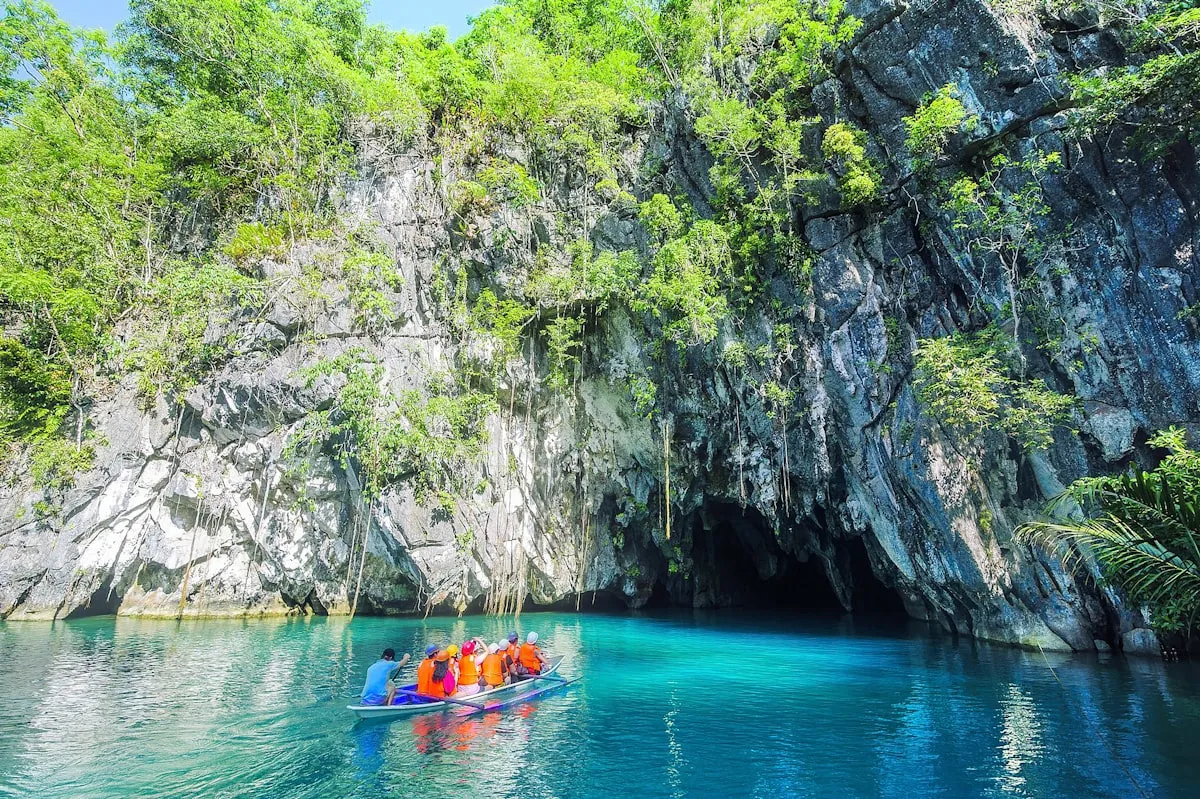
The Puerto Princesa Subterranean River National Park draws millions of visitors for the underground river boat tour. Fewer people explore the extraordinary mangrove ecosystem that surrounds it by kayak. The Honda Bay mangroves and the Sabang area offer guided kayak tours through tunnels of tangled aerial roots, past monitor lizards sunbathing on branches, through narrow channels where kingfishers and hornbills dart overhead.
The underground river boat tour itself can be enhanced by arriving early and kayaking the estuary while waiting for your timed entry. Several operators in Sabang offer 2-3 hour kayak tours for PHP 800-1,500 including guide and equipment. The mangrove ecosystem here is one of the most intact in Palawan — a genuine wilderness experience that the standard tourist circuit misses entirely.
11. Kitesurfing at Bulabog Beach (Boracay)
Difficulty: Intermediate-Advanced | Lessons from PHP 3,500/half day
While White Beach on Boracay's western side is the sunset cocktail strip, Bulabog Beach on the eastern side is where the kitesurf culture lives. From November to May, the Amihan trades blow consistently at 15-25 knots across the shallow lagoon — perfect flatwater conditions for kite control and tricks. The Bulabog strip hosts six or seven kite schools offering IKO-certified lessons from beginner (body drag and board handling) to advanced freestyle coaching.
A beginner course runs 8-12 hours over 3-4 days for PHP 12,000-18,000. Equipment rental for experienced kiters is PHP 1,500-2,500 per day. The Amihan season makes Boracay one of the most reliably windy kitesurfing destinations in Southeast Asia — far more consistent than many Indonesian or Thai alternatives. Stay on the Bulabog side at a kite-friendly guesthouse and walk to your session in 3 minutes.
12. Wakeboarding at Cable Waterski CWC (Laguna)
Difficulty: Beginner-Intermediate | Price: PHP 300-500/hour
Cable Waterski CWC in Pansol, Laguna is the closest world-class adventure water sport to Metro Manila — 60 kilometres south on the SLEX expressway. A cable ski system (no boat required) tows wakeboarders around a 500-metre course over a freshwater lake, allowing beginners to learn falls without the boat-wake hazard. CWC also has a second course with rails, kickers, and sliders for experienced riders working on tricks.
Helmet, life vest, and board rental are included in the PHP 300-500 hourly rate. Lessons are available for beginners at PHP 200 extra per session. The Pansol area is also famous for private hot spring pools fed by the Laguna volcanic system — perfect for soaking tired muscles after a morning of falls. Combine CWC with a Laguna hot spring resort lunch package for a full day adventure within easy reach of Manila.
13. Rappelling and Cliff Descents (Dalupiri Island, Northern Samar)
Difficulty: Moderate | Price: PHP 1,500-2,500 with guide
Dalupiri Island in Northern Samar (not to be confused with Dalupiri in Cagayan) is one of the Philippines' most dramatic emerging adventure destinations. The island's rugged interior features limestone cliffs dropping to the sea, jungle gorges, and coastal formations that local adventure operators have only begun rigging for rappelling and cliff descent. The combination of tropical jungle, dramatic coastal geology, and near-zero tourist infrastructure makes it raw in the best sense.
Access is via ferry from Allen port in Northern Samar. Northern Samar Adventures and similar local operators offer day and overnight rappelling packages. This is not the polished zipline-park experience — you are working with local guides on natural terrain with real gear. Check equipment carefully and go with operators who have AMCI (Association of Mountaineers of the Philippines) trained guides.
14. White Water Rafting on the Cagayan de Oro River
Difficulty: Moderate (Class 3-4 rapids) | Price: PHP 800-1,500 per person
Cagayan de Oro has built its adventure tourism identity almost entirely around its river. The CDO River runs through the city and drops through a series of Class 3-4 rapids — named with appropriate swagger: Firefall, Washing Machine, Wall Street — before calming into a float through jungle-flanked corridors. The run takes roughly 2 hours and covers about 8 kilometres.
Multiple operators depart from the Mambuaya put-in point. The most reputable (Great White Water Tours, RafTours, Kagay Outdoor) are DENR-accredited and use international-grade gear. River levels vary by season — June to November delivers higher, faster, more technical water; dry season (December to May) is lower and more appropriate for first-timers. CDO is easily combined with a Camiguin day trip (45-minute ferry from Balingoan port, 1.5 hours from CDO) for a full adventure weekend in northern Mindanao.
15. Stand-Up Paddleboarding in Coron Lagoons (Palawan)
Difficulty: Easy | Price: PHP 500-800/hour SUP rental
Coron's lagoons — Kayangan Lake, Twin Lagoon, Barracuda Lake — are the jewels of northern Palawan. Most visitors see them from the side of a tour bangka. Standing up on a paddleboard changes the experience entirely: you are elevated above the water, moving silently, able to paddle into shallows that the tour boats cannot reach and to stop wherever the view is perfect without a boatful of strangers waiting.
SUP rentals are available from several operators on the Coron town waterfront for PHP 500-800 per hour including basic instruction for beginners. The flatwater inside the lagoon walls makes it ideal for first-time paddleboarders. Sunrise sessions on Kayangan Lake — before the island-hopping tours arrive at 9am — are otherworldly: mist rising off the emerald water, limestone walls towering above, total silence broken only by your paddle strokes. Rent through your guesthouse the night before and have the board at the dock by 5:45am.
Planning Your Philippines Adventure Trip
A few universal principles apply across all of these activities:
- Guide requirements: National parks require licensed guides for mountain activities. Never attempt summit trails solo — this is both illegal in most parks and genuinely dangerous. PAMB-accredited guides are trained in wilderness first aid and know local weather patterns intimately.
- Timing: Most outdoor activities are best done in the dry season (November through May) for the widest range of options. But specific adventures like CDO rafting, Cloud 9 surfing, and Siargao activities peak during the wet season when conditions are most powerful.
- Fitness: Mount Apo and Sumaguing cave tours require genuine physical fitness — do not underestimate the elevation, heat, and terrain. Canyoneering and rafting have minimum swimmer requirements.
- Gear: Bring your own water shoes and a dry bag for water-based adventures. Most operators provide life vests and helmets but quality varies widely — inspect everything before you start.
- Insurance: Standard travel insurance rarely covers extreme sports. Get a specific adventure sports rider or use a specialist like World Nomads before doing anything on this list.
Frequently Asked Questions
What is the best adventure destination in the Philippines for first-time visitors?
Cebu and Bohol together form the easiest introduction to Philippine adventure travel. Kawasan canyoneering, Oslob whale sharks, and the Chocolate Hills ATV can all be done in a single 5-day trip from Cebu City. Flights are frequent, infrastructure is solid, and tour operators are experienced with international visitors. From Cebu you can easily add Siquijor cliff jumping or Camiguin for a broader adventure circuit.
How fit do I need to be for Mount Apo?
Mount Apo requires a solid aerobic base. You should be able to hike comfortably for 6-8 hours carrying a 10-12kg pack. The via Kapatagan route is more gradual and recommended for first-time Apo climbers. Train specifically for elevation — the altitude above 2,000 metres affects unacclimatised climbers significantly. Do at least one overnight mountain hike (Mount Batulao or Mount Ulap) before attempting Apo if you have not done serious trekking before.
Is adventure travel in the Philippines safe?
The activities on this list have strong safety records when done with reputable, licensed operators. The highest risk incidents in Philippine adventure tourism involve unregistered guides, uncertified boat operators, and travelers who underestimate conditions. Book through DENR-accredited or AMCI-affiliated operators for mountain activities, insist on seeing safety equipment before you start, and never override your guide's judgment about weather or water conditions.
What is the cheapest adventure destination in the Philippines?
Siquijor offers the best adventure-to-cost ratio in the Visayas: Salagdoong cliff jumping costs almost nothing, motorbike rental (PHP 300-400/day) lets you explore the whole island, and accommodation is among the cheapest of any tourist island. Sagada in Mountain Province is similarly inexpensive: cave tours, hanging coffins, and trekking all cost a fraction of what comparable experiences cost in Bohol or Siargao, and the mountain air and Igorot cultural experience is genuinely unlike anywhere else in the country.
Can beginners do white water rafting on the CDO River?
Yes — the standard CDO River rafting route is graded Class 3-4 and suitable for healthy adults with no prior rafting experience. Operators provide full safety briefings, helmet, life vest, and paddle instruction before launch. The guides are experienced and position themselves to assist at the technical rapids. Avoid the river during or immediately after heavy rain when flash flooding can push conditions to Class 5, which reputable operators will automatically cancel. The run is genuinely exciting without being dangerous for typical fit adults.

PANA.PH Editorial Team
Philippines travel desk
The PANA.PH travel desk researches, books and re-checks Philippines travel logistics — fares, ferry schedules, government fees and permit rules — and publishes what it can verify.
🏡 Real local stays (book direct)
Hand-picked homestays and guesthouses — book direct, no markup.
Browse all local stays →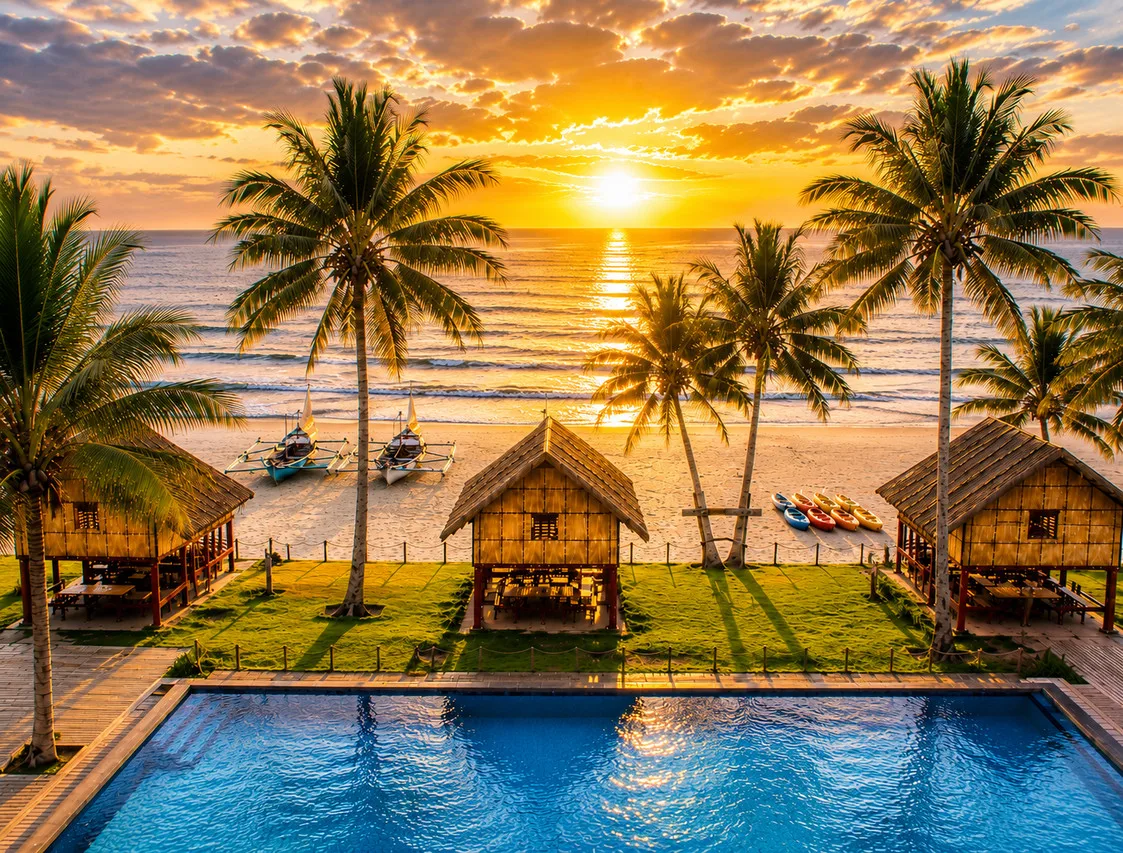
🌊 Popular activities (book instantly)
Island hopping, canyoneering, whale sharks — real Klook/GetYourGuide options.
View all activities →