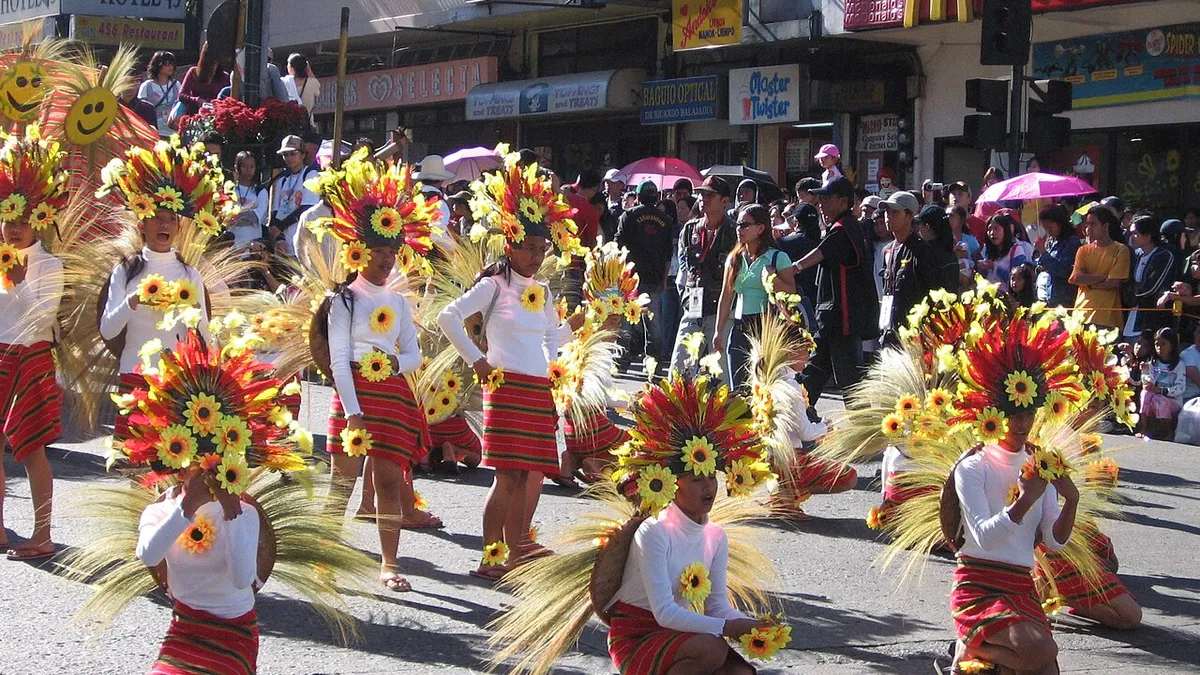
While the rest of the Philippines bakes, the mountain city of Baguio spends February draped in flowers. Panagbenga - a Kankanaey word meaning "a season of blooming" - is the city's month-long flower festival, a cool-climate celebration of giant floral floats, street dancers in petal costumes and a landscape art garden built entirely from blooms. It is one of the most photogenic festivals in the country, and the crisp mountain air makes it a welcome break from the lowland heat. Here is everything you need for Panagbenga 2026.
Panagbenga 2026: Baguio's Flower Festival (Dates, Parade, Where to Stay)
Trip.com
Search on Trip.comHotels in Philippines
Compare live prices via Travelpayouts — targeted for this guide.
When is Panagbenga 2026?
Panagbenga runs for the entire month of February 2026, with the two biggest events on the final weekend:
- Grand Street Dancing Parade - usually the last Saturday of February.
- Grand Float Parade - the following Sunday, the festival's signature spectacle of enormous flower-covered floats rolling down Session Road.
After the floats parade, they are parked along Session Road for several days (the "Session Road in Bloom") so visitors can photograph them up close and browse food and craft stalls.
The Story Behind Panagbenga
Panagbenga is younger than you might think. It was launched in 1995 as a way to lift the spirits of Baguio and boost tourism after the devastating 1990 Luzon earthquake. The city leaned into its identity as the country's flower-growing capital and its cool, blossom-friendly climate, and the festival quickly became a beloved national event. Today it is both a tribute to the resilience of the Cordillera people and a showcase of the region's indigenous culture, set against Baguio's pine-clad hills.
Trip.com
See all tours in Philippines on Trip.comHiking tour in Philippines
Hand-picked experiences in Philippines — book on Trip.com with instant confirmation.
What to Expect
Panagbenga blends Cordillera culture, horticulture and a festive city-wide street fair:
- Street dancing: Schoolchildren and community groups perform in vivid flower-inspired costumes.
- Grand Float Parade: Sponsor companies and the city build towering floats covered in fresh blooms - the must-see highlight.
- Session Road in Bloom: The main street turns into a pedestrian fair with food, plants and crafts.
- Landscape and garden shows: At Burnham Park and around the city, plus a famous nighttime market.
Costs and Weather
Most of Panagbenga is free to enjoy. Some grandstand seats for the parades sell for around PHP 200-1,000. Baguio is budget-friendly otherwise - strawberry taho, ube treats and street snacks run PHP 30-120. The big draw is the weather: February in Baguio is cool and dry, often 13-23 C, so bring a light jacket. It is one of the few places in the Philippines where you will actually feel chilly.
Getting to Baguio
Baguio sits about 4-6 hours north of Manila by bus or car (no major commercial airport in the city itself). Most travelers fly into Manila and take a comfortable deluxe bus up the mountain, or drive via the scenic SCTEX/TPLEX expressways. Find flights to Manila first, then connect onward by land.
Where to Stay
February is Baguio's busiest month, and the festival weekend in particular sells out early. Aim to stay near Session Road, Burnham Park or Upper Session so you can walk to the parades. Prices climb sharply:
- Budget rooms / transient houses: normally PHP 1,200-2,000, often PHP 3,000+ on parade weekend.
- Mid-range hotels: PHP 4,000-8,000 for the peak dates.
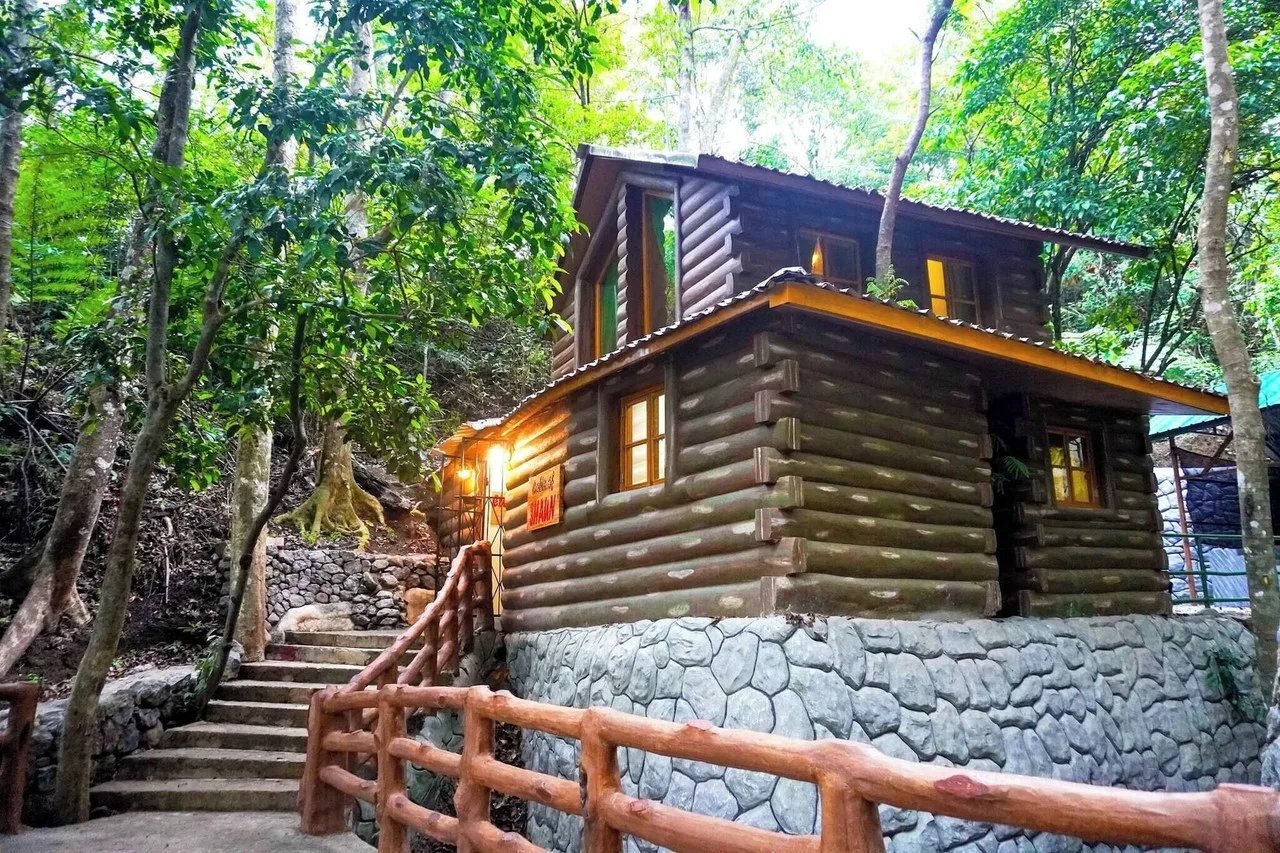
Book early. Browse hotels in Baguio, or for the classic Baguio experience, transient houses and cabins are cozy, affordable for groups, and very much part of the local culture.
Panagbenga Day by Day
The festival builds slowly across February, so you can dip in for a weekend or soak up the whole month:
- Opening week (early Feb): Opening ceremonies, fun runs and a kickoff parade set the tone.
- Mid-February: Landscape and garden competitions, drum-and-lyre showdowns, and cultural shows around Burnham Park.
- Final weekend: The Grand Street Dancing Parade (Saturday) and Grand Float Parade (Sunday) - the can't-miss highlights.
- Closing days: Session Road in Bloom keeps the floats and stalls up for a few more days of photos and shopping.
What Else to Do in Baguio
Beyond the festival, ride a swan boat at Burnham Park, browse the night market for ukay-ukay finds, sip Cordillera coffee, visit Mines View Park, the BenCab Museum and the colorful Stobosa Hillside Homes, and try the strawberry farms in nearby La Trinidad where you can pick your own. Don't leave without tasting fresh strawberry taho, ube jam and Baguio's famous longganisa. The cool climate makes long walks a genuine pleasure - a rare treat in the tropics. Ready to escape the heat? Plan your Baguio trip around Panagbenga and we will sort the timing, transport and a well-placed stay.
Frequently Asked Questions
When is Panagbenga 2026?
Panagbenga runs all of February 2026. The Grand Street Dancing Parade is typically the last Saturday of February and the Grand Float Parade the following Sunday, with floats displayed along Session Road for several days after.
What does Panagbenga mean?
It is a Kankanaey term meaning "a season of blooming," fitting for a festival built around flowers and the cool-season blooms of the Cordillera highlands.
Is Panagbenga free to attend?
Most of it is free, including the street fair and float display. Some reserved grandstand seats for the parades cost around PHP 200-1,000.
How do I get to Baguio?
Baguio has no major airport, so fly into Manila and take a deluxe bus (about 4-6 hours) or drive up via the TPLEX expressway.
How cold is Baguio in February?
Expect cool, dry weather around 13-23 C - chilly by Philippine standards. Bring a light jacket, especially for early-morning parades and evenings.

PANA.PH Editorial Team
Philippines travel desk
The PANA.PH travel desk researches, books and re-checks Philippines travel logistics — fares, ferry schedules, government fees and permit rules — and publishes what it can verify.
🏡 Real local stays (book direct)
Hand-picked homestays and guesthouses — book direct, no markup.
Browse all local stays →
🌊 Popular activities (book instantly)
Island hopping, canyoneering, whale sharks — real Klook/GetYourGuide options.
View all activities →