Warm water, gentle reefs, year-round diving and some of the lowest course prices on earth - the Philippines is one of the best places in the world to learn to scuba dive. Whether you want the entry-level PADI Open Water, the next-step Advanced, or just a one-day taster, you will find PADI (and SSI) dive centres in nearly every coastal town, often charging a fraction of what the same course costs in Europe, Australia or the US. This guide explains how certification works, where to do it, what it really costs in 2026, and how to pick a good dive school.
PADI Open Water in the Philippines: Where & What It Costs
Budget & money#PADI Open Water#dive certification Philippines#learn to dive#scuba course price#diving for beginners
Trip.com
Search on Trip.comHotels in Philippines
Compare live prices via Travelpayouts — targeted for this guide.
Diving Courses Explained
- Discover Scuba Diving (DSD): a half-day intro dive, no certification, for people who just want to try it. Around PHP 2,500 to 4,500.
- PADI Open Water (OW): the core entry certification, qualifying you to dive to 18 metres worldwide. Takes three to four days: theory, confined-water skills, then four open-water dives.
- PADI Advanced Open Water (AOW): two days, five adventure dives (including deep and navigation), extends your limit to 30 metres. Needed for sites like Monad Shoal and the deeper Coron wrecks.
- Specialties: nitrox, wreck, deep, night - each one to two days.
What an Open Water Course Costs in 2026
Prices vary by location and inclusions, but typical 2026 ranges:
- PADI Open Water: roughly PHP 16,000 to 28,000 (around USD 280 to 500). Budget dive towns like Moalboal, Dumaguete (Dauin) and Puerto Galera sit at the lower end; resort areas like Boracay or Mactan run higher.
- PADI Advanced Open Water: roughly PHP 14,000 to 24,000.
- Combined OW + AOW: often bundled for PHP 28,000 to 45,000, cheaper than buying separately.
- Discover Scuba: PHP 2,500 to 4,500.
Check what is included: certification/PADI materials fee, equipment rental, and certification card should be in the price. Compare dive schools and intro dives on our activities page.
Best Places to Get Certified
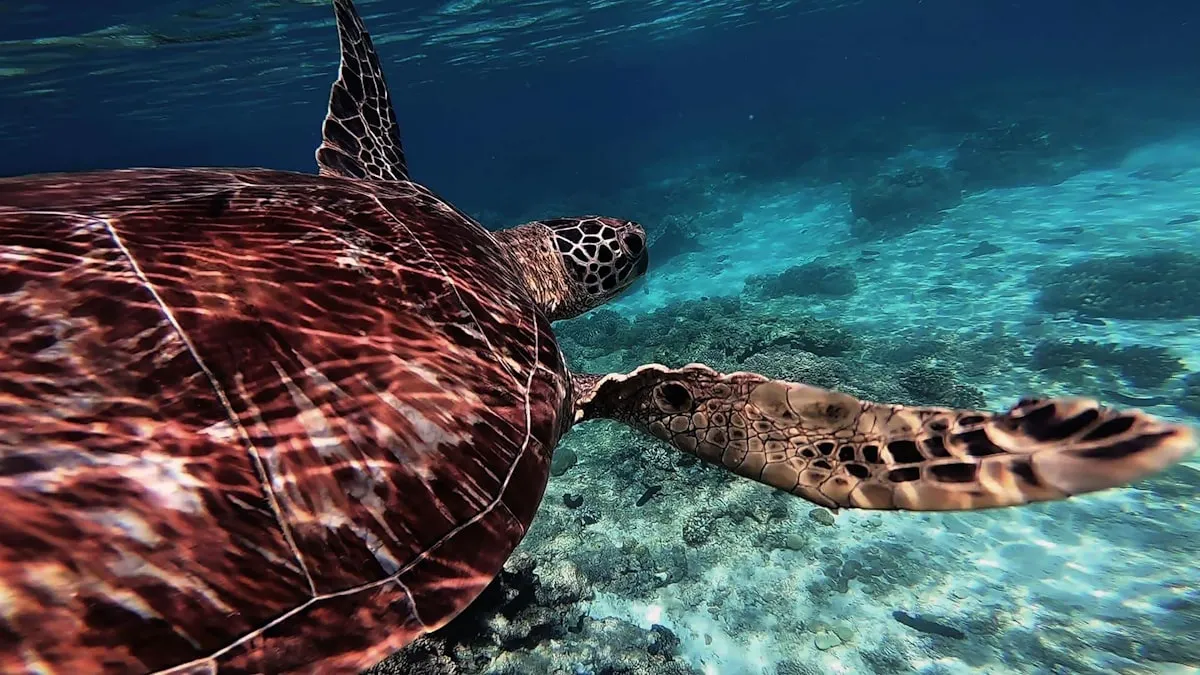
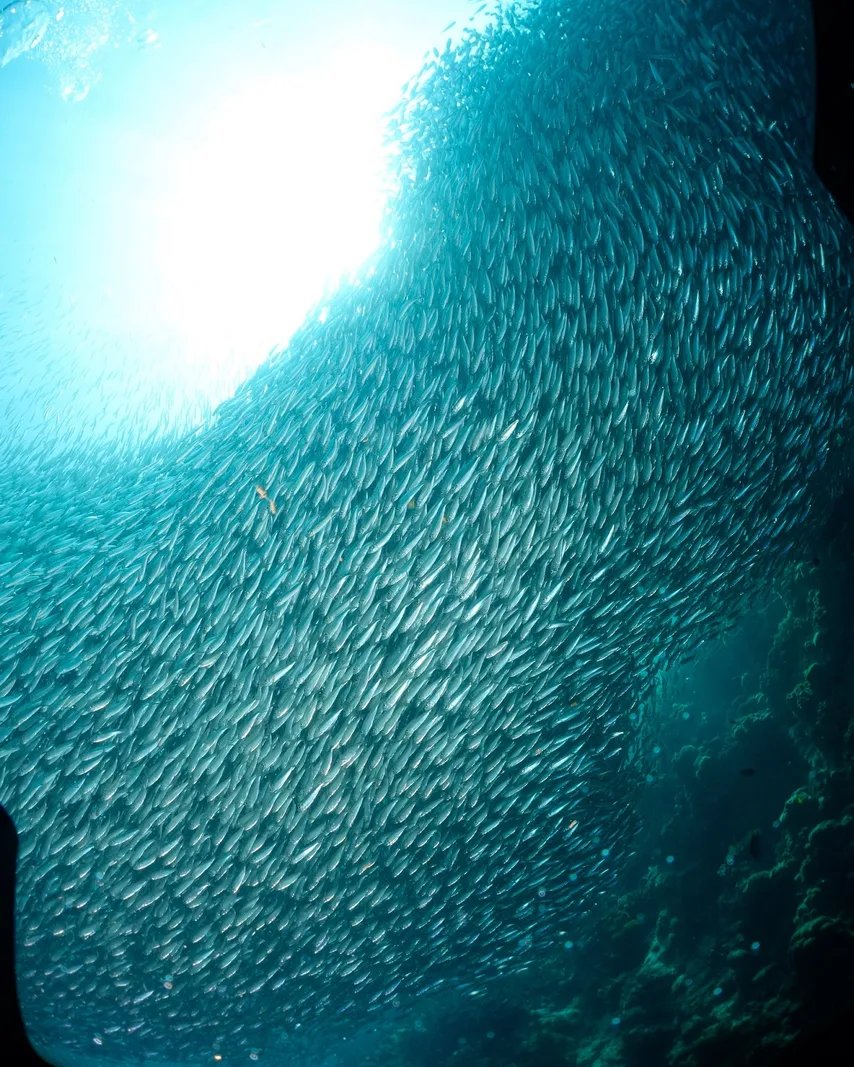
- Moalboal (Cebu) - cheap, calm house reef, sardines and turtles; a backpacker favourite for OW.
- Dauin / Dumaguete (Negros) - excellent value, easy shore dives, great for OW and AOW.
- Puerto Galera (Mindoro) - the closest world-class diving to Manila, with a huge number of dive schools.
- Anilao (Batangas) - calm, shallow sites near Manila, ideal for a weekend course.
- Bohol (Panglao) and Boracay - more resort-style, slightly pricier, great if you want a holiday vibe alongside.
How to Choose a Good Dive School
Cheapest is not always best. Look for: small student-to-instructor ratios (ideally four or fewer per instructor for OW), well-maintained rental gear, instructors who speak your language fluently, good reviews, and a relaxed attitude toward your comfort and safety rather than rushing you through. A reputable centre will never pressure you to continue if you are anxious. Ask whether the certification fee and materials are included to avoid surprise add-ons.
Trip.com
See all tours in Philippines on Trip.comDiving in Philippines
Hand-picked experiences in Philippines — book on Trip.com with instant confirmation.
Practical Tips
You can study the OW theory online (PADI eLearning) before you arrive to shorten your in-water days. Do not fly within 18 to 24 hours of your last dive, so build a buffer day before your departure flight. The water is warm enough (around 26 to 30 degrees Celsius) that a 3mm wetsuit or even a shorty is plenty. Bring any prescription needs and declare medical conditions honestly on the dive medical form. Plan your trip dates and base around your chosen dive town using our stays page, and lock in domestic flights early via our flights page.
PADI vs SSI: Does It Matter?
You will see both PADI and SSI dive centres in the Philippines, and beginners often wonder which to choose. In practice it barely matters: both are globally recognised certifications accepted at dive centres worldwide, the skills taught are essentially identical, and you can cross between them as you advance. PADI is the most widespread brand and its eLearning is polished; SSI is often slightly cheaper and lets the instructor tailor the pace. Far more important than the agency is the quality of the individual dive centre and instructor. Pick the school based on reviews, ratios and how comfortable you feel, not the logo on the door.
What Happens Day by Day on the Open Water Course
A typical three-to-four-day Open Water course breaks down like this. Day one is theory and the knowledge reviews (done online beforehand to save time) plus the first confined-water session in a pool or shallow, calm bay where you practise core skills - clearing your mask, recovering your regulator, controlling buoyancy. Day two finishes the confined-water skills and may include your first open-water dive. Days three and four are the remaining open-water training dives, where you repeat the skills in real conditions, go a little deeper each time, and start simply enjoying the reef. By the final dive most students have stopped thinking about the mechanics and are just diving. You finish with a short final exam and walk away certified for life.
Medical Requirements and Who Can Dive
Before you start, you complete a standard dive medical questionnaire. Most healthy people sail through, but certain conditions - asthma, heart conditions, recent surgery, some medications, pregnancy - require a doctor's sign-off before diving. Be honest: the form exists for your safety, and a quick clinic visit in a dive town is cheap if a sign-off is needed. There is no upper age limit (plenty of retirees learn here), and the minimum age for a full Open Water certification is 10 (with depth limits for juniors). You do not need to be super-fit, but basic comfort and confidence in water is essential.
What to Do After Open Water
Open Water opens the door; the Philippines is then a playground to build experience. The natural next step is Advanced Open Water, which extends your limit to 30 metres and unlocks bucket-list sites like Malapascua's thresher sharks and the deeper Coron wrecks. From there, specialties like Nitrox (longer bottom times), Deep, Wreck, and Night diving each add a dimension. Many travellers do Open Water on one trip and come back to keep progressing - the warm water, low prices and world-class sites make the Philippines an ideal place to clock up dives. Read our destination dive guides on the blog to plan where to go next.
Why Get Certified in the Philippines vs at Home?
Many travellers debate whether to certify at home before their trip or do it on the islands. The case for certifying in the Philippines is strong: it is dramatically cheaper than equivalent courses in Europe, North America or Australia, often less than half the price; you learn in warm, clear, beautiful water rather than a cold quarry or pool; and your training dives are on genuine tropical reefs with turtles and fish rather than a featureless training platform. The only real argument for certifying at home is time - if you would rather not spend three or four holiday days in a course. A popular compromise is the PADI Referral, where you complete the theory and confined-water portion at home, then do only the four open-water dives in the Philippines, saving holiday time while still finishing in paradise. Either way, certifying somewhere this warm, cheap and scenic is a memorable way to start a lifelong hobby. Many divers look back on their Philippine Open Water course - the warm water, the first turtle, the patient instructor and the cheap beachfront guesthouse - as one of the best decisions of their travels, the moment a whole new underwater world opened up to them for life.
In short, there are few better places on earth to take your first breaths underwater than the warm, clear, affordable waters of the Philippines. Choose a reputable centre, take it at your own pace, and you will leave not just certified but very likely hooked on a hobby that opens up oceans around the world for the rest of your life.
Frequently Asked Questions
How much does a PADI Open Water course cost in the Philippines?
In 2026, expect roughly PHP 16,000 to 28,000 (about USD 280 to 500), with budget dive towns like Moalboal and Dumaguete at the lower end and resort areas like Boracay or Mactan higher. Combined Open Water plus Advanced bundles run around PHP 28,000 to 45,000.
How long does it take to get PADI certified?
The PADI Open Water course typically takes three to four days, covering theory, confined-water skills and four open-water dives. You can shorten the in-water portion by completing the theory online before you arrive.
Where is the best place to learn to dive in the Philippines?
Popular, well-priced choices include Moalboal and Dauin/Dumaguete for value, Puerto Galera and Anilao for proximity to Manila, and Panglao (Bohol) or Boracay for a more resort-style experience.
Do I need to be a strong swimmer to do Open Water?
You need basic comfort in water; PADI requires a short swim and a float test, but you do not need to be an athletic swimmer. The course builds skills gradually in shallow, confined water first.
Can I fly straight after diving?
No. You should wait at least 18 to 24 hours after your last dive before flying, so plan a buffer day before your departure flight to avoid decompression risk.

PANA.PH Editorial Team
Philippines travel desk
The PANA.PH travel desk researches, books and re-checks Philippines travel logistics — fares, ferry schedules, government fees and permit rules — and publishes what it can verify.
🏡 Real local stays (book direct)
Hand-picked homestays and guesthouses — book direct, no markup.
Browse all local stays →
🌊 Popular activities (book instantly)
Island hopping, canyoneering, whale sharks — real Klook/GetYourGuide options.
View all activities →