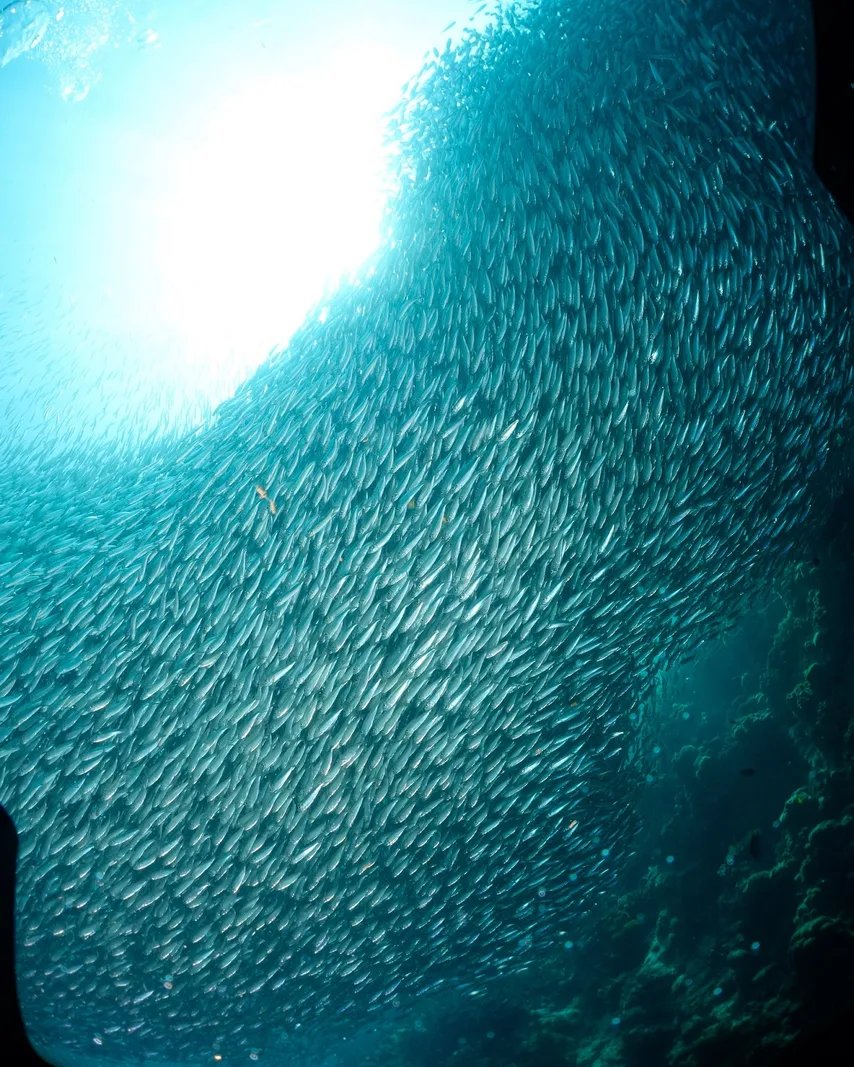
At sunrise, long-tail bangka boats fan out from the narrow beach at Tan-awan in Oslob, Cebu. The fishermen on board call them butanding — whale sharks. Within minutes, enormous shadows glide beneath the surface. Fins the size of dinner tables break the water. And tourists from around the world slip over the side of their own boats and hang, weightless, beside the largest fish on Earth.
Oslob Whale Shark Watching: Complete Guide (Is It Ethical? What to Expect)
Trip.com
Search on Trip.comHotels in Oslob
Compare live prices via Travelpayouts — targeted for this guide.
It is one of the most extraordinary wildlife encounters in Asia. It is also one of the most controversial. This guide gives you the full picture — the experience, the logistics, the ethics debate — so you can make an informed choice.
How Oslob's Butanding Tourism Started
The whale shark interaction at Oslob was not planned. It began around 2011, when local fishermen noticed that whale sharks were following their boats, drawn by the uyap (small shrimp) used as bait. The fishermen started hand-feeding the sharks to keep them nearby — and tourists took notice. Within a year, what had been a quiet fishing village had transformed into one of the Philippines' top tourist attractions.
The local government of Oslob formalized the activity, established a registration system, and set fees: PHP 1,000 per person for whale shark watching from a boat, with a PHP 500 upgrade to snorkel alongside them. The fishermen became tour operators. The village got a visitor center, a marine sanctuary designation, and a steady stream of income that had previously been unimaginable in this part of rural Cebu.
Trip.com
See all tours in Oslob on Trip.comWhale shark watching in Oslob
Hand-picked experiences in Oslob — book on Trip.com with instant confirmation.
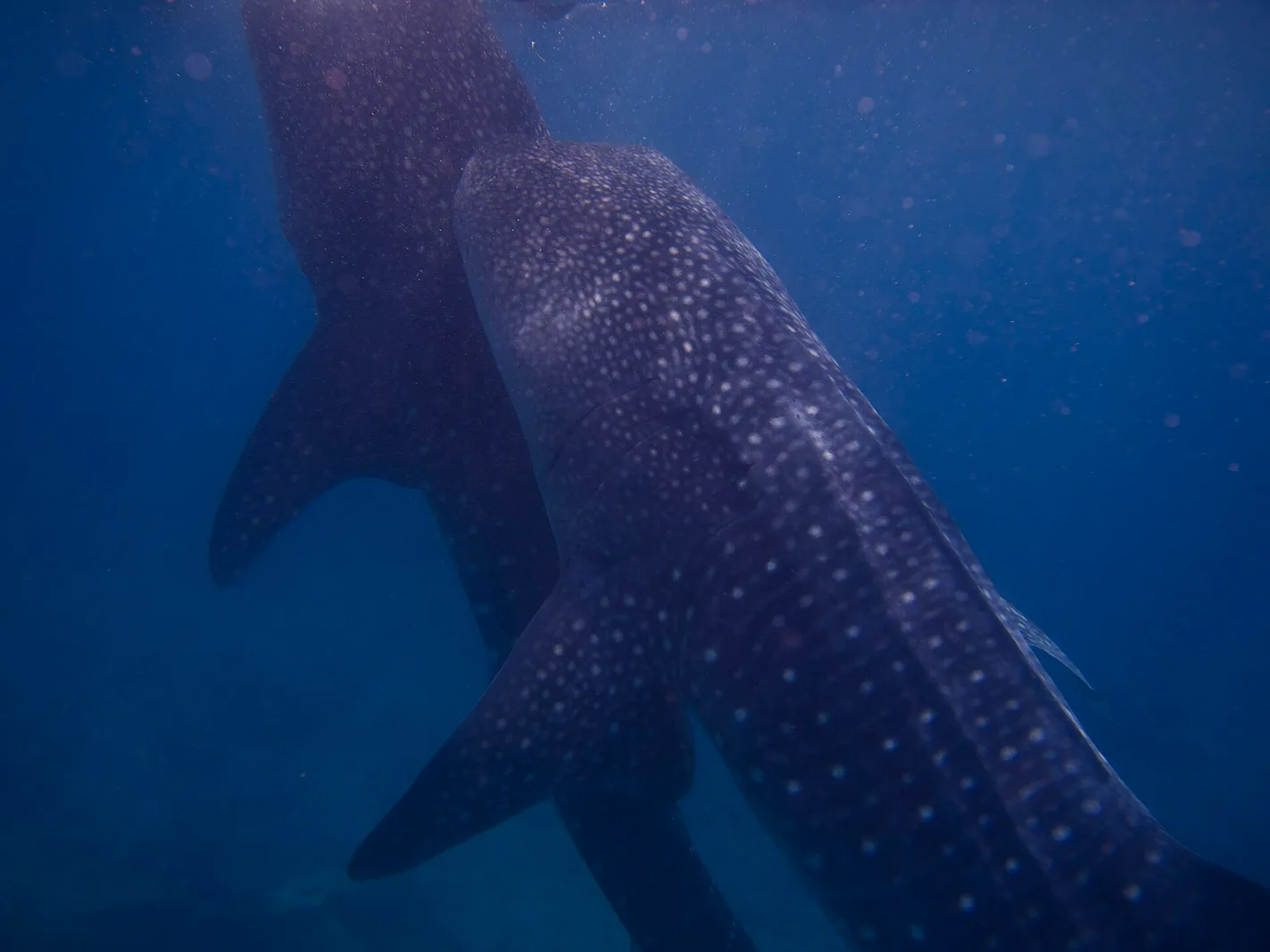
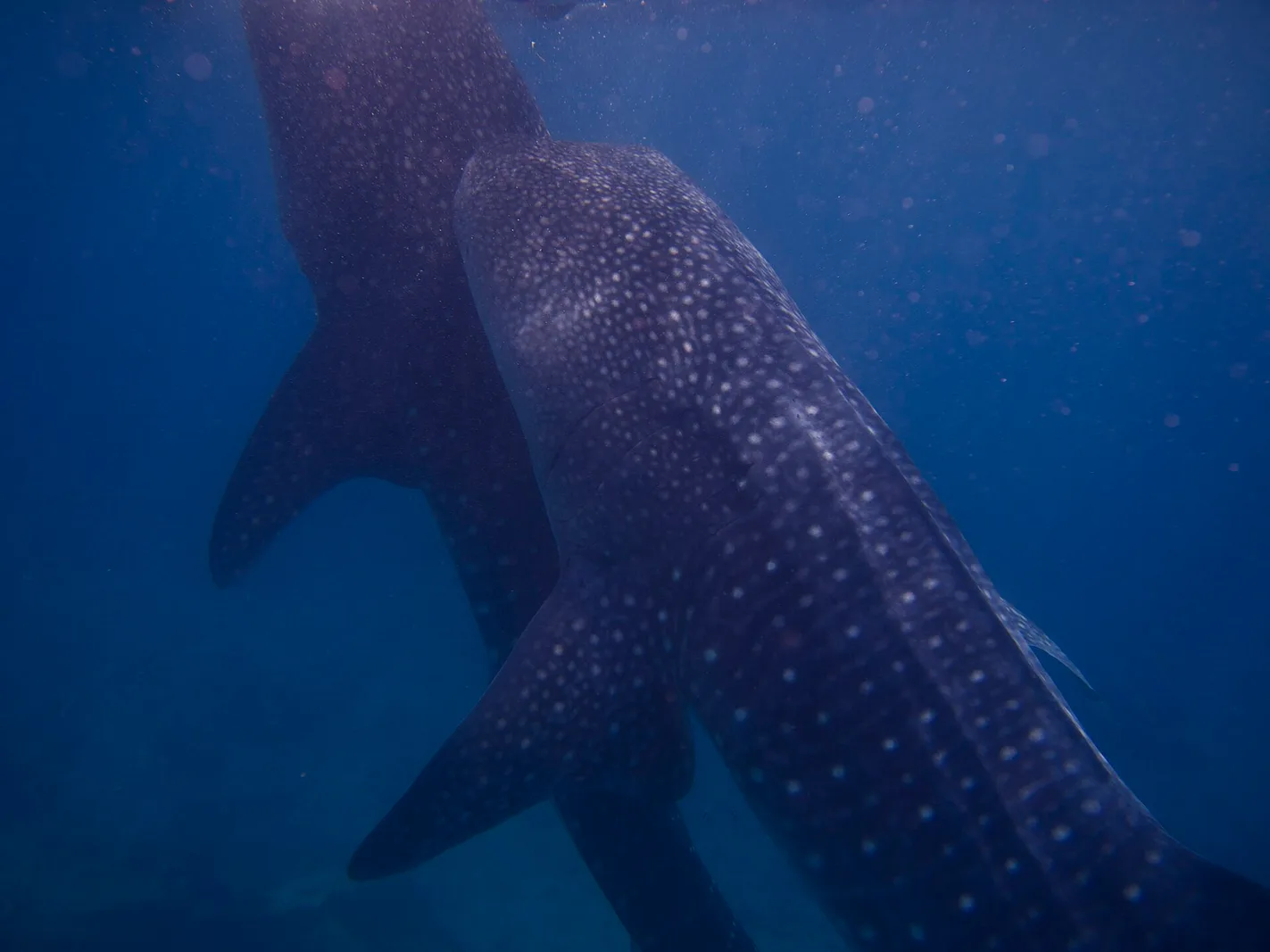
Today, Tan-awan handles up to 1,000 visitors per day during peak season. The whale sharks show up because they are fed. That is the heart of the ethical debate — and we will get to it honestly.
The Experience: What Actually Happens
Boats push off from Tan-awan beach starting at around 6:30am to 7:00am. A mandatory 30-minute briefing covers the rules: stay 3 metres from the body, 4 metres from the tail, no touching, no flash photography, no riding the sharks (this has happened), no sunscreen (chemical sunscreens are banned). After the briefing, you are assigned to a group and led to a boat.
The interaction zone is a short distance offshore. Whale shark "feeders" — the fishermen — throw uyap shrimp into the water. The whale sharks surface immediately. They are accustomed to this. They hover, mouths agape, filter-feeding in slow, sweeping arcs. Their mouths alone can be a metre wide.
The sharks are big. Legitimately, spine-tingling big. Whale sharks average 6 to 12 metres in length, making them the largest non-mammalian vertebrates on Earth. Seeing one from two arm-lengths away — its spotted skin, its calmly sweeping tail, its prehistoric scale — is a genuinely humbling experience that most people describe as the highlight of their Philippines trip.
The snorkeling option (PHP 500 extra) lets you enter the water and swim alongside the sharks at surface level. You will share the water with perhaps 10–20 other snorkelers from your group. The whale sharks ignore you almost completely. In the water, you can see the full length of each animal — the undersides, the white spots, the effortless tail sweeps that move such an enormous body with so little apparent effort.
The interaction lasts around 30 minutes in the water, then boats return. The whole visit including briefing, travel to the zone, and the interaction itself is typically 2 to 2.5 hours.
Logistics: Getting to Oslob
Oslob is in the southern tip of Cebu island, approximately 3 hours south of Cebu City by road. Getting there:
- By bus: Take a Ceres bus from South Bus Terminal in Cebu City toward Oslob or Santander. Journey is 2.5 to 3.5 hours depending on traffic. Fare is PHP 120–160. Tell the driver you're going to Tan-awan whale shark watching.
- By habal-habal or tricycle from Oslob town: If you get off at Oslob proper, tricycles to Tan-awan cost PHP 20–30.
- By hired car or tour: Most tour operators in Cebu City offer whale shark day tours for PHP 1,500–2,500 per person including transport and the watching fee. Convenient but less flexible on timing.
- From Bohol: Take the Oslob–Santander ferry (RoRo) to Liloan, then a short jeep or tricycle ride to Tan-awan. Combines well with Bohol itineraries.
Arrive early. This cannot be overstated. The interaction area gets extremely crowded by 9am. If you arrive at 6:30am, you will have a boat almost to yourself and morning light for photography. By 10am, the water can feel like a tourist theme park — dozens of boats, hundreds of snorkelers, whale sharks that seem understandably stressed. The early experience and the late experience are genuinely different quality.
There are no advance bookings — it is first-come, first-served at the Visitor Center in Tan-awan.
The Ethics Debate: An Honest Assessment
Wildlife conservationists have raised serious concerns about Oslob's model. Understanding both sides matters.
The Case Against
The core problem, according to marine biologists, is behavioral modification through feeding. Whale sharks in Oslob have abandoned natural feeding and migration patterns, congregating in one small bay because food is guaranteed there. Wild whale sharks are highly migratory, traveling thousands of kilometres across ocean basins. The Oslob sharks largely stay put.
Studies have documented propeller injuries on Oslob whale sharks — scars from boat engines in the crowded interaction zone. One study found a significantly higher scarring rate on Oslob sharks than on wild populations. Sharks conditioned to associate boats with food approach any boat, including fast-moving ones, which is dangerous for the animals.
There are also concerns about nocturnal activity changes: the sharks tend to be more active at night and less so during normal foraging hours, suggesting their biological rhythms are being disrupted by the feeding schedule.
The World Wildlife Fund and several marine conservation organizations have issued statements expressing concern about the Oslob model, calling for its reform or ending of the feeding component.
The Case For (or At Least, the Local Reality)
Before Oslob's whale shark tourism, these same animals were sometimes caught and killed by fishermen — whale shark meat and fins have a market. The tourism economy gives the fishermen far more income from not killing the sharks. The animals are not caged or confined; they can and do leave the area. Local employment for the village has transformed from subsistence fishing to a sustainable tourism economy.
Proponents also argue that the engagement creates conservation advocates: millions of visitors who swim with whale sharks in Oslob leave with a personal connection to marine conservation they would not otherwise have.
Our Honest Recommendation
If you are going to go to Oslob, go very early (6:30am arrival), follow every rule, do not touch the animals, do not use flash photography, and choose an operator who enforces the rules visibly. The experience itself is extraordinary and does not require you to behave badly toward the animals.
But if you want to see whale sharks in genuinely wild conditions, the ethical alternative exists and it is remarkable in a completely different way.
The Ethical Alternative: Donsol, Sorsogon
Donsol in Sorsogon province (Luzon) is where WWF helped establish responsible whale shark tourism in 1998. The whale sharks there are completely wild — no feeding, no conditioning. Encounters are genuine wildlife events, not guaranteed performances. The season runs November through June, peaking in February–May. Success rates during peak season exceed 95% on any given morning. The experience of finding and swimming with a wild whale shark in open ocean, on its own terms, is fundamentally different from Oslob — and for many travelers, far more meaningful.
Combining Oslob with Kawasan Falls
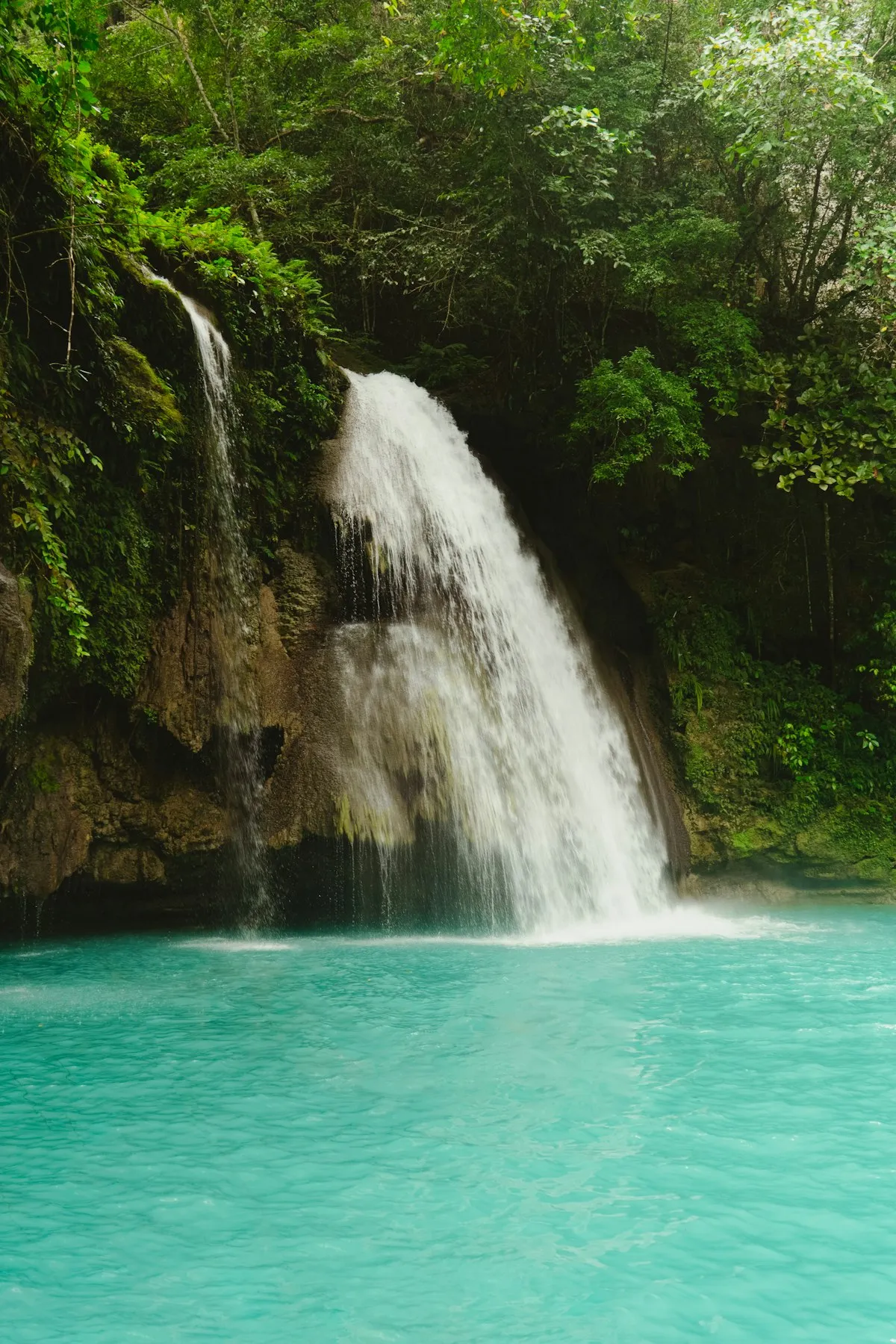
Oslob and Kawasan Falls (Badian) are on the same southern Cebu route, about 45 minutes apart. The combination makes for an exceptional full-day itinerary: whale sharks at dawn, then canyoneering or just swimming at Kawasan's stunning turquoise pools in the afternoon. The canyon trek (PHP 800–1,200 including guide and lifejacket) is one of the best adventure activities in Cebu — jumping into pools, abseiling small waterfalls, swimming through canyons. Combined tour packages from Cebu City run PHP 2,500–3,500 including both stops.
Frequently Asked Questions
Is the Oslob whale shark experience worth it?
For most visitors, yes — the encounter is genuinely extraordinary and unlike anything else in the world. The caveats are ethical, not experiential. If you go early and follow the rules, the experience is memorable. If the ethics concern you (they are legitimate concerns), visit Donsol instead for the wild alternative.
What is the best time to visit Oslob for whale sharks?
Whale sharks are present year-round at Oslob because they are fed daily. For the best experience: arrive by 6:30am to beat the crowds, and visit between November and May when sea conditions are calmer and the light for photography is better. The sharks are fed regardless of season, so the experience is more consistent than wild-encounter destinations.
Can children snorkel with the whale sharks at Oslob?
Children aged 8 and above can generally snorkel with adult supervision. The operator provides life vests and there are guides in the water. The whale sharks are completely passive and pose no danger to humans. The main challenge for young children is the snorkeling technique itself — practice in a pool before visiting if your child is new to snorkeling.
How much does Oslob whale shark watching cost?
PHP 1,000 per person for boat watching only; PHP 1,500 for the snorkeling upgrade. Add PHP 50 for locker rental and PHP 30–50 for a lifejacket if you want one. Bring cash — the Visitor Center in Tan-awan does not always accept cards. Budget PHP 300–500 extra for breakfast at one of the stalls on the beach.
Are there whale sharks at Oslob every day?
Yes — because the sharks are fed daily by the fishermen, they reliably appear every morning. This is precisely what concerns conservationists (it is artificial behavior) but from a traveler's logistics standpoint, a sighting is essentially guaranteed. Rough seas can occasionally suspend operations; check with your accommodation the night before.

PANA.PH Editorial Team
Philippines travel desk
The PANA.PH travel desk researches, books and re-checks Philippines travel logistics — fares, ferry schedules, government fees and permit rules — and publishes what it can verify.
🏡 Real local stays (book direct)
Hand-picked homestays and guesthouses — book direct, no markup.
Browse all local stays →
🌊 Popular activities (book instantly)
Island hopping, canyoneering, whale sharks — real Klook/GetYourGuide options.
View all activities →