Oslob
Intro
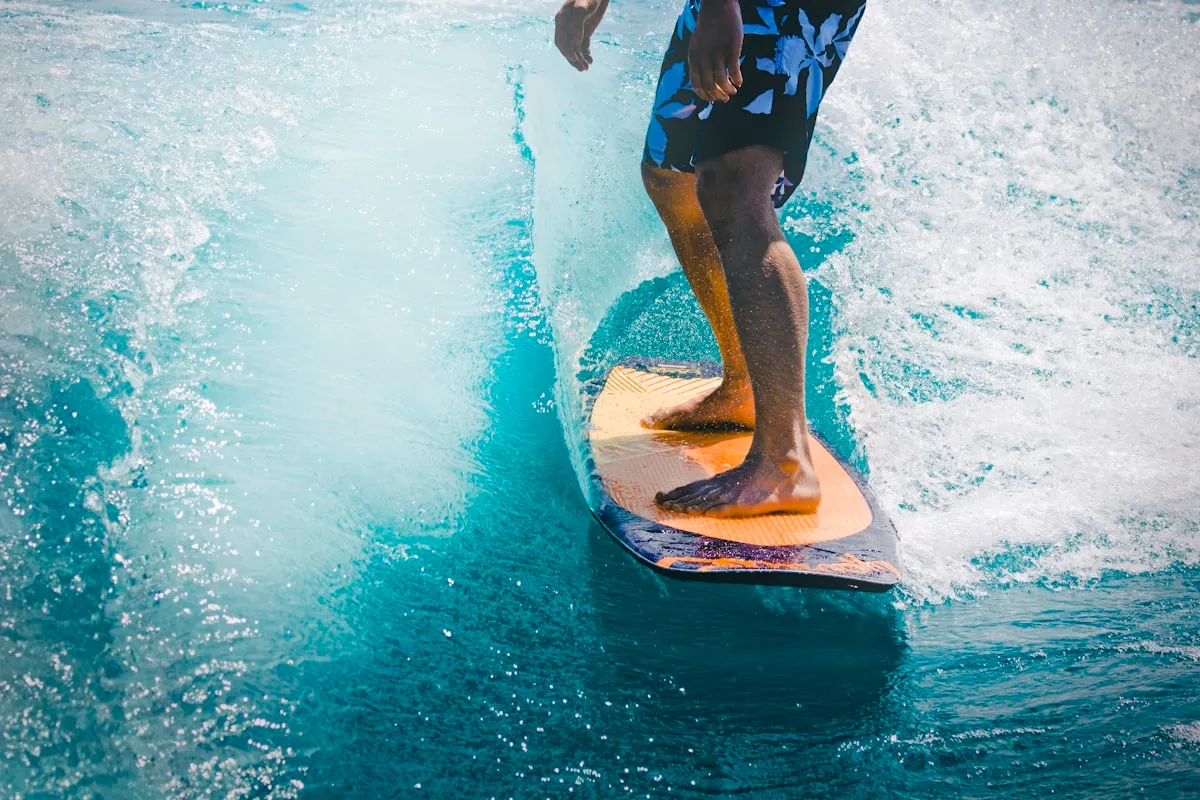
Roughly three hours south of Cebu City, the small coastal town of Oslob has become one of the Philippines' most famous - and most debated - wildlife destinations. In the seaside barangay of Tan-awan, you can slip into the water and find yourself within arm's reach of a butanding (whale shark), the largest fish on Earth, gliding past like a slow-moving submarine patterned with white spots.
It is a genuinely jaw-dropping moment. It is also a complicated one. The whale sharks gather here because local operators hand-feed them, and that practice sits at the heart of an ongoing ethical conversation among marine biologists, divers and conscientious travelers. This guide gives you the real picture: how the experience works, what it honestly costs, the responsible considerations before you book, and the genuinely beautiful sights nearby - Tumalog Falls, the Sumilon Island sandbar, and the Spanish-era Cuartel ruins - that make a trip south worthwhile no matter what you decide about the whale sharks.
First-timer essentials
- Visa: Most nationalities (US, UK, EU, Australia, most ASEAN, Singapore) enter visa-free for 30 days. Bring a passport valid 6+ months and proof of onward travel.
- Currency: Philippine peso (PHP). Oslob runs almost entirely on cash.
- Health: Tap water is not safe - stick to bottled or filtered. Bring reef-safe sunscreen (apply well before swimming - operators ban it right before whale shark entry to protect the animals) and motion-sickness tablets for the boat and winding roads.
- Money & ATMs: Do not rely on finding an ATM in Tan-awan. There are ATMs in Oslob town and Santander, but they run out of cash and charge ~PHP 250. Withdraw in Cebu City first, and carry small bills.
- Safety: Low-crime and tourist-friendly. The real risks are practical: currents and boat traffic at the whale shark site (wear your life vest, never touch the animals), slippery rocks at Tumalog Falls, and the long winding coastal road.
Top things to do
- Whale shark watching at Tan-awan (~PHP 1,000-1,500). ~PHP 1,000 for snorkeling/viewing, ~PHP 1,500 to scuba dive. Short morning sessions (~30 min in water), roughly 6am-noon. Rules are strict: no touching, no flash, stay an arm's length away, no sunscreen right before entry. Go as early as possible. (Read the ethics note in the FAQ.)
- Tumalog Falls (~PHP 20-50 entry + ~PHP 50 habal-habal). A few minutes uphill from Tan-awan: a wide, misty curtain over a mossy limestone overhang into a shallow turquoise pool. The access road is steep, so most hop a habal-habal for the last stretch.
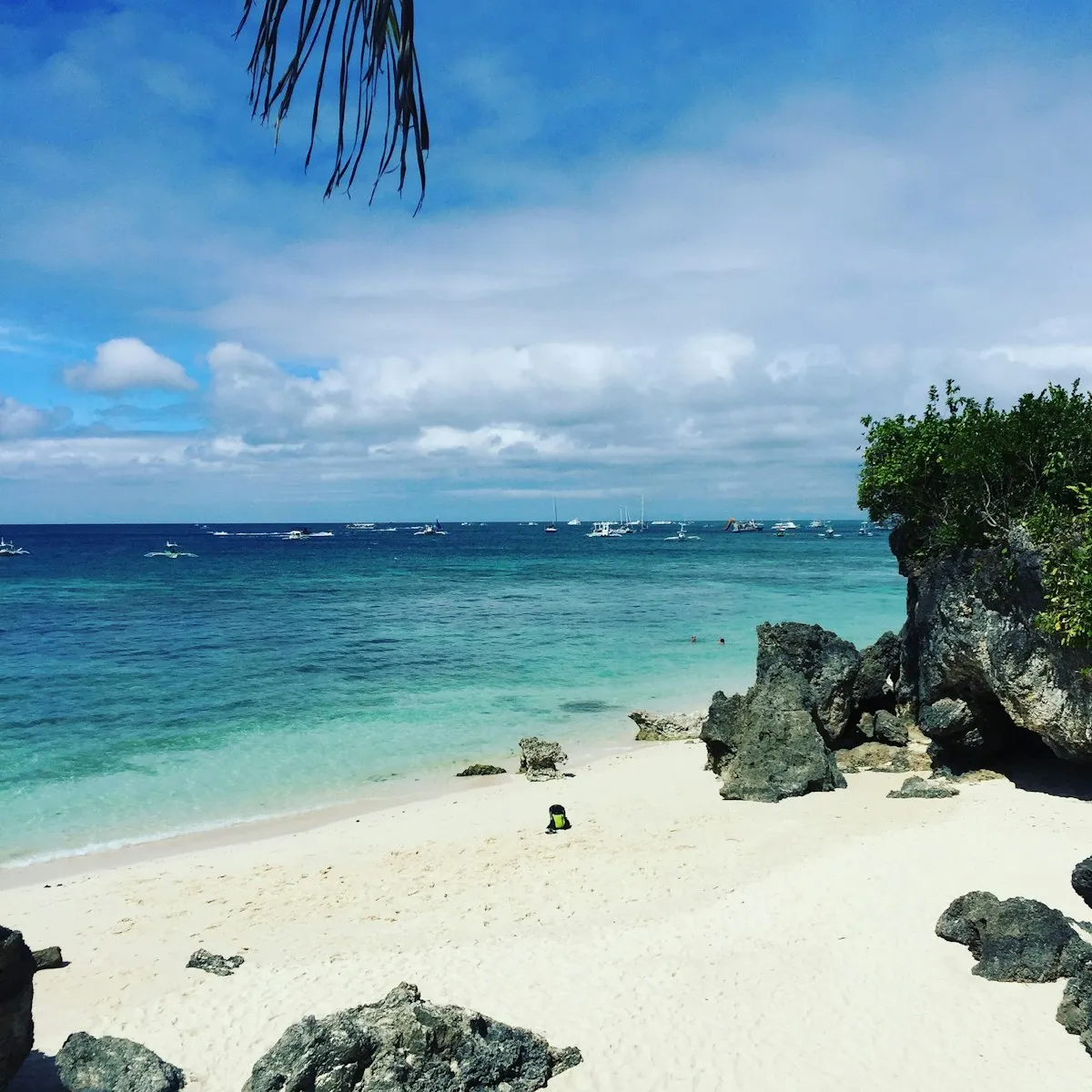
- Sumilon Island sandbar (~PHP 800-1,500 boat/day trip). A short boat ride off the coast: a small island ringed by a shifting white sandbar and clear snorkeling water. Part is a private resort with a day pass.
- Cuartel ruins and Baluarte (free / small donation). Atmospheric ruins of an unfinished Spanish-era barracks beside the old watchtower and church complex - a quiet, historic stop.
- Snorkeling and the house reef (often included / ~PHP 300-500). Healthy coral and reef fish beyond the whale shark zone; many operators include a short snorkeling stop.
- South-coast loop: Kawasan Falls and Moalboal (separate day). Many travelers add the turquoise tiers of Kawasan (canyoneering from Badian) and the Moalboal sardine run and turtles, a 1.5-2 hr drive away.
Best time to visit
Dry season (December to May) is most reliable - calmer seas, clearer water, easier roads. February to April balances good weather and clarity. Whale sharks appear year-round due to feeding, so seasonality affects comfort more than sightings. June-November is wetter with afternoon downpours; mornings can still be fine, with fewer crowds. Sessions are morning-only - arrive early.