Whether you are a digital nomad settling in for three months, a retiree test-living a city, or just someone who wants to slow down, renting monthly in the Philippines is dramatically cheaper than stacking up nightly hotel rates - and you get a kitchen, a routine and a neighbourhood. This guide covers where to find monthly and long-term rentals, realistic 2026 prices by city, the difference between furnished and unfurnished, and the practical gotchas (deposits, contracts, bills) that catch newcomers out.
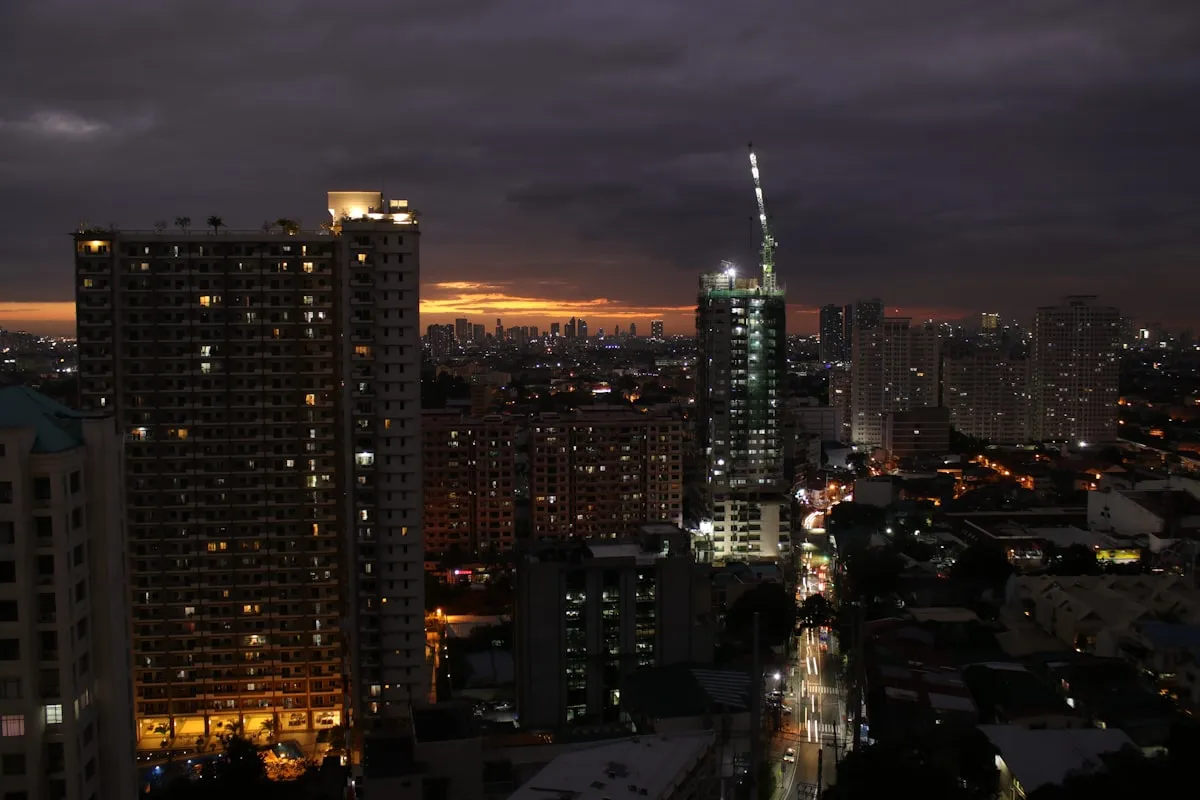
Monthly & Long-Term Rentals in the Philippines (2026)
Living & working#monthly rental Philippines#long term rental#condo rental Cebu#Airbnb monthly#expat housing
Trip.com
Search on Trip.comHotels in Philippines
Compare live prices via Travelpayouts — targeted for this guide.
How Renting Works Here
You will encounter three broad routes:
- Monthly stays via short-term platforms - the easiest for newcomers; many listings offer steep monthly discounts (often 30 to 50 percent off the nightly rate). Fully furnished, utilities sometimes included, no long contract. Best for 1 to 3 months.
- Direct condo rentals - individual owners renting units in condo buildings, often advertised locally or via Facebook groups. Cheaper than platforms for longer stays; usually requires a contract and deposits.
- Unfurnished long leases - cheapest per month but you furnish it yourself and commit to a longer term (often 6 to 12 months). Best for those staying a year or more.
Prices by City in 2026
Furnished 1-bedroom / studio condos, monthly:
- Metro Manila (Makati/BGC): PHP 30,000 to 70,000+ (USD 525 to 1,225+) - the priciest, premium expat districts.
- Cebu (IT Park / Business Park): PHP 20,000 to 45,000 (USD 350 to 790) - the nomad sweet spot with great fibre.
- Davao / Dumaguete: PHP 12,000 to 28,000 (USD 210 to 490) - excellent value.
- Siargao (General Luna): PHP 15,000 to 40,000 (USD 260 to 700) - varies hugely by season; spikes during the Cloud 9 surf peak (Sep to Nov).
- Provincial / beach towns: long-lease houses can be remarkably cheap outside tourist hotspots.
Browse available stays on our stays page and plan multi-city stays via our trip planner.
Trip.com
See all tours in Philippines on Trip.comTours & activities in Philippines
Hand-picked experiences in Philippines — book on Trip.com with instant confirmation.


Deposits and Contracts
For direct condo rentals, the standard ask is two months' deposit plus one to two months advance - so budget three to four months' rent upfront. Read the contract for: who pays association dues, the notice period, and whether the unit comes with parking and appliances. Platform monthly stays usually skip the big deposit but cost more per month - the trade-off is flexibility versus price.
Bills and What's Included
- Electricity is the wildcard - aircon-heavy use can add PHP 3,000 to 8,000/month. Confirm whether it is included (rare in direct leases, sometimes in platform stays).
- Water - PHP 300 to 800/month.
- Internet - confirm fibre is installed and ask the speed; in cities expect 100 to 500 Mbps. On islands, verify before committing.
- Association dues in condos - usually the landlord's responsibility, but check.
City Picks by Traveler Type
- Nomad needing fast internet: Cebu IT Park or BGC Manila.
- Surf-and-work lifestyle: Siargao (book early in surf season).
- Budget long-stay / retiree: Dumaguete or Davao.
- Beach base: Panglao (Bohol) or a provincial coastal town.
Smart Renting Tips
Book a short stay first (a week or two) to scout neighbourhoods before signing anything longer - noise, flood-prone streets and slow internet are hard to judge online. Negotiate: monthly and longer rates are very negotiable, especially in low season and for direct deals. Verify the internet speed in person if your income depends on it. And keep your accommodation aligned with your visa plans - if you are staying many months, read our guides to visa extensions and long-stay visas on the blog.
Furnished vs Unfurnished: What to Expect
Knowing what "furnished" means here saves surprises. A furnished condo aimed at expats and nomads typically includes a bed, sofa, dining set, kitchen appliances (often just a stovetop, microwave and fridge - ovens are rare), an air-conditioner in the bedroom, and sometimes a washing machine. A semi-furnished unit might have only the kitchen and aircon. Unfurnished truly means bare - sometimes without even light fixtures - so factor in the cost and hassle of furnishing if you go that route for a long lease. Always confirm exactly what is included in writing, check that the aircon and water heater actually work, and test the water pressure and Wi-Fi during a viewing. In condo buildings, ask about amenities (pool, gym, security, backup generator) and whether they are included or carry extra dues.
Finding Rentals: Platforms, Groups and Brokers
There are several channels, each with trade-offs. Short-term platforms (the easiest for newcomers) are great for the first month while you scout, with monthly discounts but higher prices. Local Facebook groups for expats and renters in each city are where many of the best direct, longer-term deals appear - often cheaper than platforms, dealing straight with owners. Local brokers and condo concierges can show you multiple units in a building and handle the contract, though some charge a finder's fee. Walking or scootering around a neighbourhood you like and noting "for rent" signs still works in provincial towns. The winning strategy for most long-stayers: book a flexible first month online, use that time to view places in person and join local groups, then sign a direct lease once you know the area. Browse stays to start your search on our stays page and plan multi-city moves with our trip planner.
Choosing the Right Neighbourhood
Within each city, the neighbourhood makes or breaks the experience. In Cebu, nomads and long-stayers gravitate to IT Park and Cebu Business Park for fast fibre, cafes, restaurants and walkability, while families might prefer quieter suburbs. In Metro Manila, BGC is the modern, walkable, expat-friendly district (and priciest), with Makati close behind; both beat the traffic-choked older areas for daily livability. In Siargao, General Luna puts you near the surf, cafes and nightlife, while quieter spots suit those wanting calm. Key things to scout in person: noise (bars, roosters, construction), whether the street floods in heavy rain, walkability to a supermarket and pharmacy, and mobile and fibre signal strength. Spending your flexible first month exploring on foot is the best way to find the pocket that fits your routine before signing a longer lease.
Contracts, Rights and Avoiding Scams
Renting directly is generally smooth, but protect yourself. Always get a written contract in English specifying the rent, deposit, term, notice period and who pays utilities and association dues - never rely on a verbal deal for a long lease. Never pay a large deposit before viewing the actual unit in person (or having a trusted contact view it); online rental scams asking for upfront transfers on unseen condos do exist. Photograph the unit's condition at move-in to protect your deposit, and clarify the exact deposit-return terms. For condos, confirm the landlord is the real owner or authorised, and that association dues and any parking are settled. Reputable platforms, established brokers and well-reviewed listings reduce risk. With a clear contract and a viewing-first rule, long-term renting in the Philippines is straightforward and excellent value - browse options on our stays page to begin.
Whether you are a nomad, a retiree or a slow traveller, renting monthly unlocks the real Philippines - a kitchen, a neighbourhood and a routine - at a fraction of nightly rates. Scout first, sign a clear contract, and you will find comfortable long-stay homes across the islands to suit almost any budget.
Final Tips for a Smooth Long Stay
Treat your first month as reconnaissance: book somewhere flexible, explore neighbourhoods on foot, join local renter groups, and only then sign a longer direct lease once you know the area's noise, flooding and internet realities. Always insist on viewing the actual unit and getting a written contract, photograph the condition at move-in to protect your deposit, and clarify exactly who pays electricity and association dues. With those simple safeguards, long-term renting in the Philippines is excellent value and refreshingly straightforward, giving you a real home base from which to enjoy island life at a fraction of what comparable comfort costs almost anywhere else.
Frequently Asked Questions
How much is a monthly rental in the Philippines?
A furnished one-bedroom or studio condo runs roughly PHP 30,000 to 70,000 in Metro Manila, PHP 20,000 to 45,000 in Cebu, PHP 12,000 to 28,000 in Davao or Dumaguete, and PHP 15,000 to 40,000 in Siargao depending on season.
Where is the cheapest place to rent long term in the Philippines?
Smaller cities like Dumaguete and Davao, and provincial beach towns away from tourist hotspots, offer the lowest long-term rents. Unfurnished long leases are cheapest of all if you are staying a year or more.
How much deposit do landlords require?
Direct condo rentals typically ask for two months' deposit plus one to two months' advance, so budget three to four months' rent upfront. Monthly stays booked through short-term platforms usually skip the large deposit but cost more per month.
Is it cheaper to rent monthly than book hotels?
Far cheaper. Monthly stays often come with 30 to 50 percent discounts off nightly rates, plus you get a kitchen and a neighbourhood. Direct long-term leases are cheaper still than platform monthly stays.
What should I check before signing a rental in the Philippines?
Confirm the internet speed in person, who pays electricity and association dues, the notice period, whether appliances and parking are included, and scout the neighbourhood for noise and flooding by booking a short stay first.

PANA.PH Editorial Team
Philippines travel desk
The PANA.PH travel desk researches, books and re-checks Philippines travel logistics — fares, ferry schedules, government fees and permit rules — and publishes what it can verify.
🏡 Real local stays (book direct)
Hand-picked homestays and guesthouses — book direct, no markup.
Browse all local stays →

🌊 Popular activities (book instantly)
Island hopping, canyoneering, whale sharks — real Klook/GetYourGuide options.
View all activities →