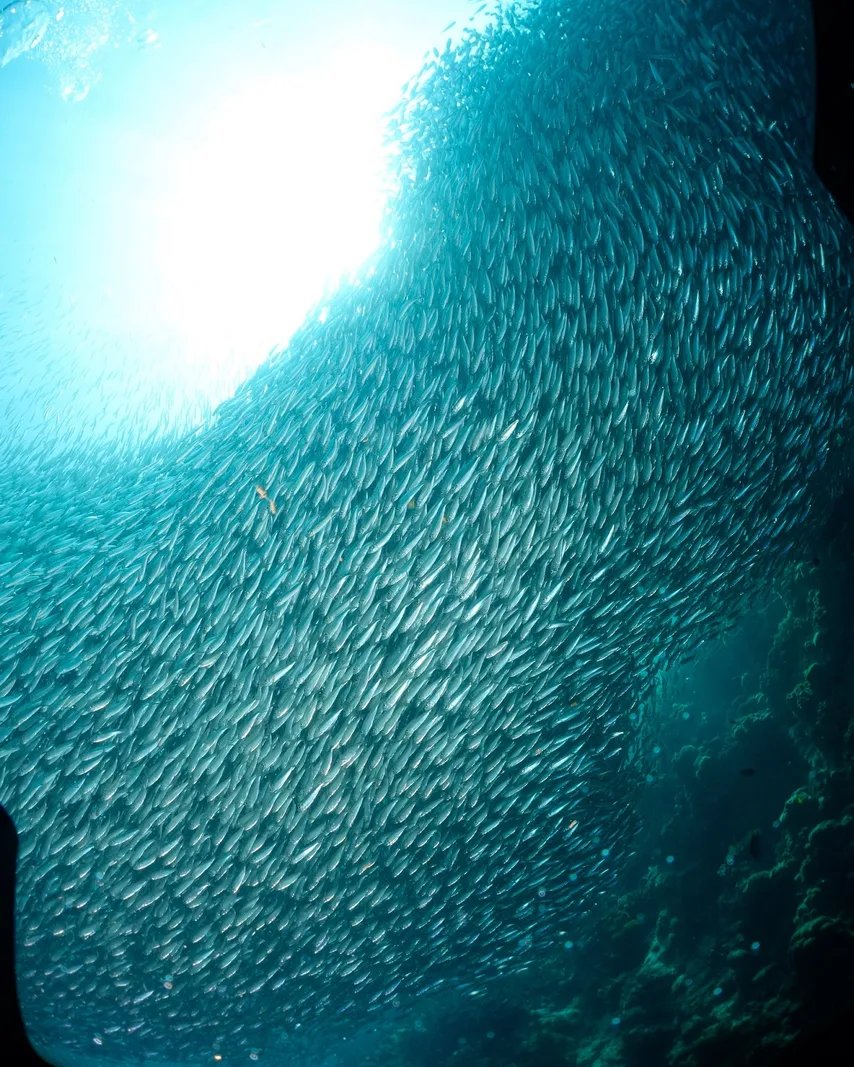
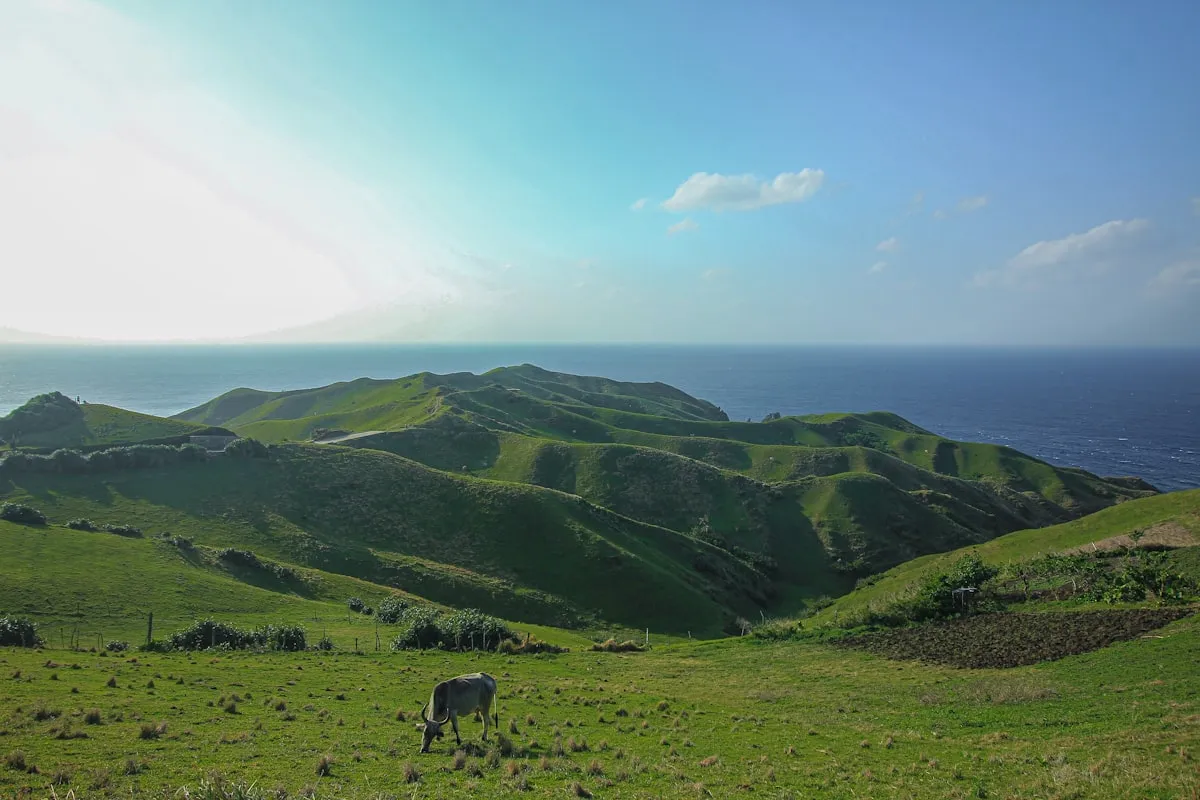
Look at a map of the Philippines and you will find a small heart-shaped island sitting almost exactly at the country's geographic center: Marinduque. Long overlooked by foreign travelers and beloved by in-the-know Filipinos, this gentle province is the textbook definition of off the beaten path - a place of hot springs, hidden beaches, quiet islets, and the dramatic, masked Moriones Festival held every Holy Week. It is repeatedly named among the most underrated destinations in the country, and with thin competition online, it is a perfect quiet-escape pick for 2026. Here is how to explore it.
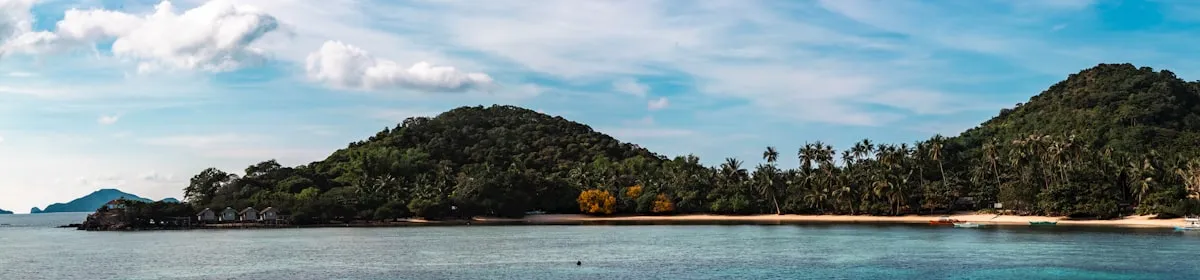
Marinduque: The Heart-Shaped Island Guide (2026)
Destinations#Marinduque travel guide#Marinduque things to do#heart-shaped island Philippines#Moriones Festival#underrated Philippines
Trip.com
Search on Trip.comHotels in Philippines
Compare live prices via Travelpayouts — targeted for this guide.
Why Visit Marinduque?
Marinduque rewards travelers who want authenticity over Instagram crowds. The pace is slow, the people are famously warm, and the island is small enough to circle in a day or two. You get pristine beaches without resorts, natural hot and cold springs, atmospheric caves, and a deeply rooted festival culture - all at budget-friendly prices. Sort your transport first on our flights page.
How to Get to Marinduque
- By ferry (most common): travel by bus or van from Manila to Dalahican Port in Lucena (Quezon), then take a RORO ferry to Balanacan or Cawit Port in Marinduque (about 2.5 to 3.5 hours). Several daily sailings.
- By air: limited light-aircraft flights occasionally serve Marinduque Airport (Gasan); most travelers go by sea via Lucena.
To plan the Manila-to-Marinduque routing with live prices, use our trip planner.
Top Things to Do in Marinduque
Soak in the Malbog Sulfur Hot Springs
Near Buenavista, these natural sulfur springs are the island's signature relaxation spot - warm, mineral-rich pools framed by greenery.
Trip.com
See all tours in Philippines on Trip.comTours & activities in Philippines
Hand-picked experiences in Philippines — book on Trip.com with instant confirmation.
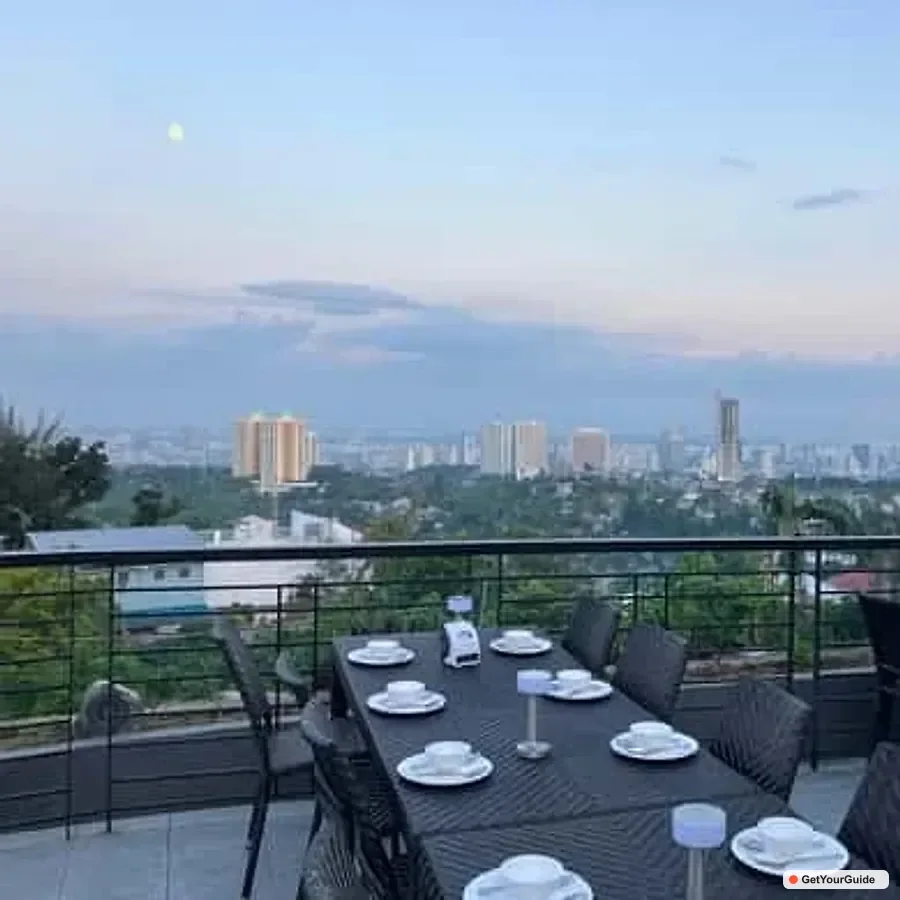
Visit the Bellarocca and Maniwaya Beaches
Maniwaya Island off Santa Cruz is Marinduque's beach star, with a long white-sand bar (Palad Sandbar), clear water and the natural Ungab Rock Formation arch. A perfect day-trip island.
Explore Bathala Caves
A network of seven caves near Santa Cruz, some with underground pools, bats and dramatic limestone chambers for the adventurous.
Chase Waterfalls and the Coastal Loop
Rent a scooter or hire a tricycle to ride the island's coastal road, stopping at Kawa Kawa and other falls, old churches, and viewpoints. The whole loop is easily done in a relaxed day.
Time Your Trip for the Moriones Festival
During Holy Week, locals don elaborate Roman-soldier masks and costumes for a centuries-old street pageant reenacting the story of Longinus. It is one of the most visually striking festivals in the Philippines and the island's biggest event.
A Suggested 3-Day Marinduque Itinerary
- Day 1: Ferry from Lucena, settle in around Boac (the capital), explore the heritage town and church.
- Day 2: Day trip to Maniwaya Island - sandbar, snorkeling, Ungab arch.
- Day 3: Malbog hot springs, Bathala Caves, coastal scooter loop, then ferry back.
Where to Stay and Practical Tips
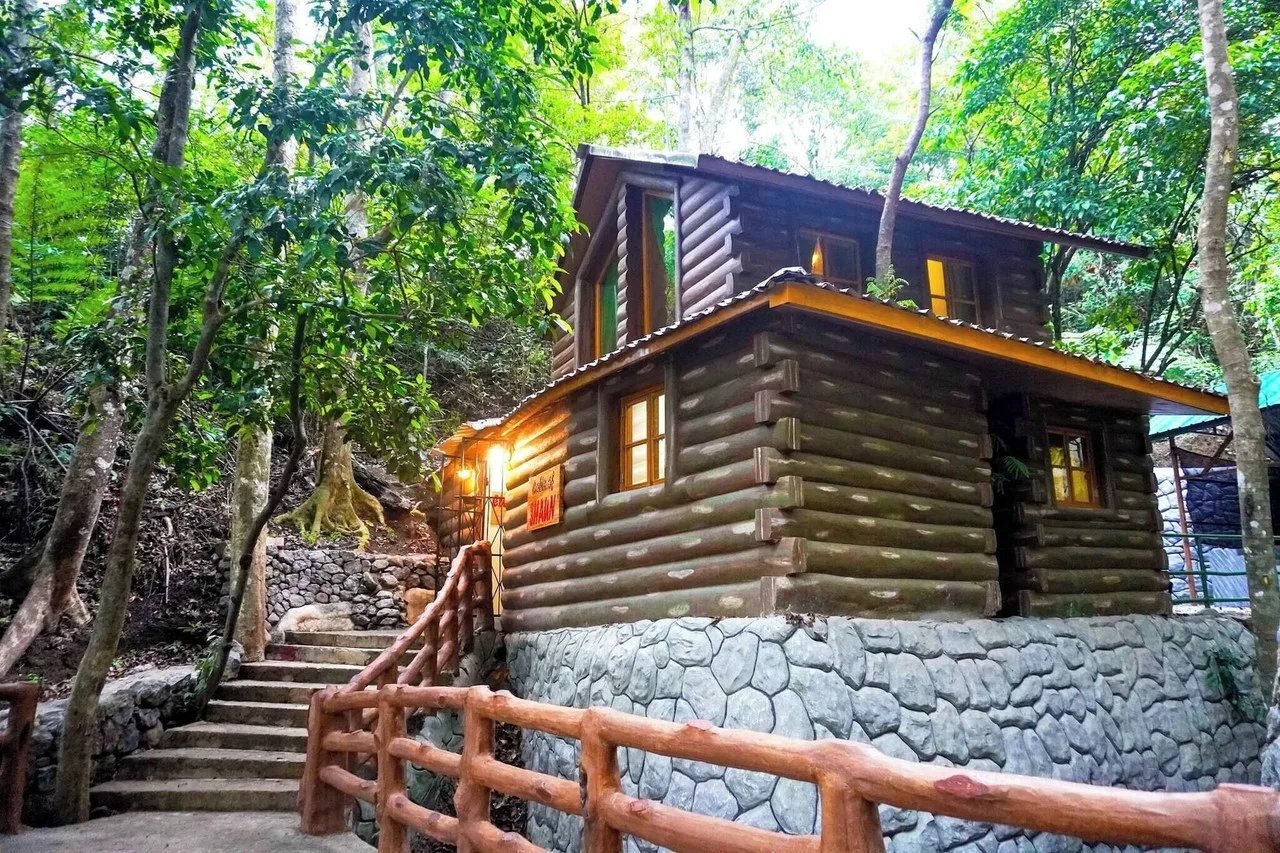
Expect homestays, small inns and a few beach resorts (PHP 800 to 2,500). Browse local options on our stays page and organized day trips on our activities page. Practical notes: bring cash (ATMs are limited), book ferries ahead during Holy Week when the island fills for Moriones, and travel in the dry months (March to May) for the best beach weather. For more quiet-island ideas, see our Philippines hidden gems guide.
Getting Around Marinduque
Marinduque is shaped almost like a circle, and a single coastal road loops the entire island past its six main towns - Boac, Mogpog, Gasan, Buenavista, Torrijos and Santa Cruz. The most rewarding way to explore is to rent a scooter (around PHP 400 to 600 a day) and ride the loop at your own pace, stopping at beaches, springs, old churches and viewpoints. If you would rather not drive, you can hire a tricycle for the day or hop on the multicabs and jeepneys that link the towns. The whole island circuit is comfortably done in a single relaxed day, which makes Marinduque ideal for travelers who want to see a lot without long transfers.
Marinduque Food and Local Culture
Part of Marinduque's charm is how rooted it remains in tradition. Beyond the famous Moriones Festival, the island is known for the Putong (Tubong) ceremony, a heartfelt local ritual of crowning guests with flowers and song to wish them health and a safe journey - you may be welcomed this way at a homestay or event. Foodwise, look for fresh seafood, the local arrowroot cookies (uraro) that melt in your mouth, and sweet Marinduque mangoes. The province is also one of the safest and friendliest in the country, with a gentle, unhurried hospitality that lingers long after you leave.
Frequently Asked Questions
How do I get to Marinduque?
The most common way is by ferry: take a bus or van from Manila to Dalahican Port in Lucena, then a RORO ferry to Balanacan or Cawit Port in Marinduque, a crossing of about 2.5 to 3.5 hours with several daily sailings. Limited light-aircraft flights occasionally serve the island's airport in Gasan.
What is Marinduque known for?
Marinduque is known for its heart shape and central location, the colorful Moriones Festival held during Holy Week, natural sulfur hot springs, the beaches and sandbar of Maniwaya Island, and the Bathala Caves. It is one of the most underrated and authentic provinces in the Philippines.
When is the best time to visit Marinduque?
The dry season from March to May offers the best beach weather and calmest ferry crossings. If you want to experience the Moriones Festival, plan your visit for Holy Week (the week before Easter), but book transport and accommodation well ahead as the island gets busy.
Is Marinduque worth visiting?
Yes, if you value authentic, crowd-free travel. Marinduque offers hot springs, quiet white-sand beaches, caves, heritage towns and a unique festival culture at budget-friendly prices, making it ideal for travelers seeking an off-the-beaten-path Philippine escape.
How many days do you need in Marinduque?
Three days is enough to see the highlights - the heritage town of Boac, a Maniwaya Island beach day, the hot springs, caves and the coastal loop. Add extra days if you want to relax further or time your visit with the Moriones Festival.

PANA.PH Editorial Team
Philippines travel desk
The PANA.PH travel desk researches, books and re-checks Philippines travel logistics — fares, ferry schedules, government fees and permit rules — and publishes what it can verify.
🏡 Real local stays (book direct)
Hand-picked homestays and guesthouses — book direct, no markup.
Browse all local stays →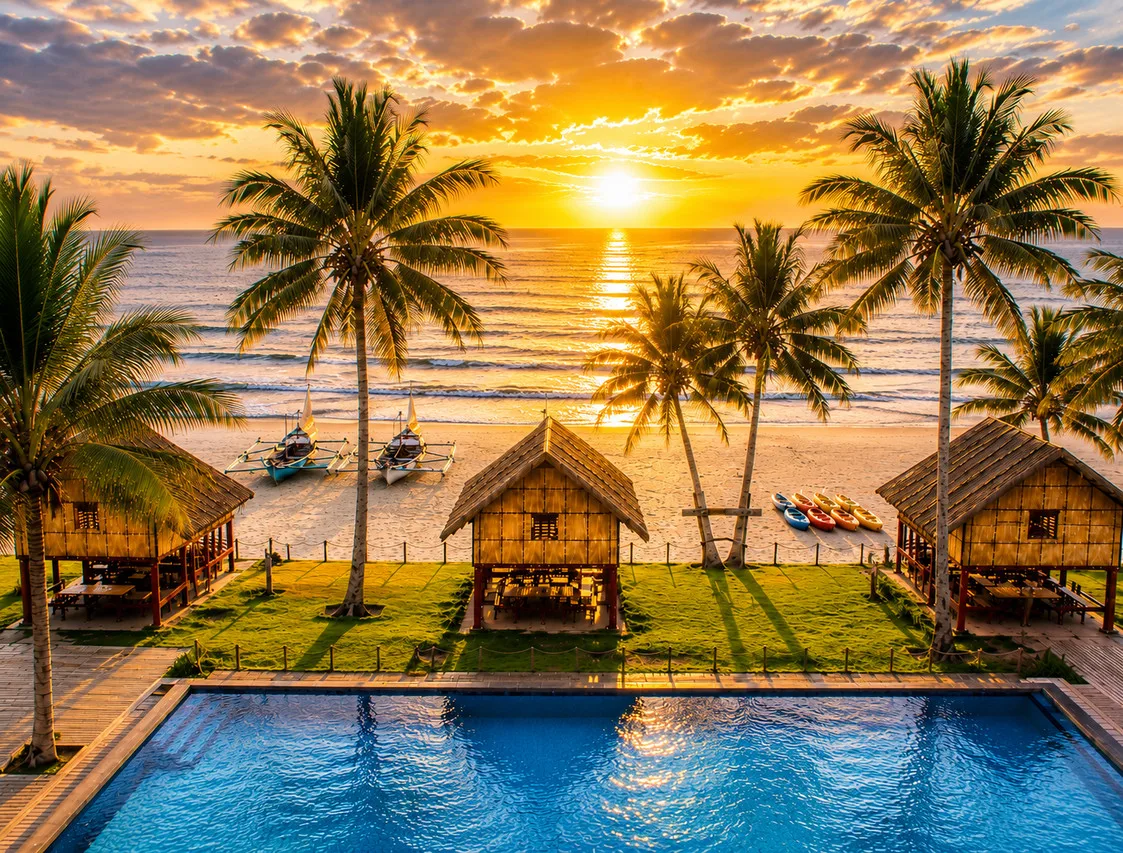
🌊 Popular activities (book instantly)
Island hopping, canyoneering, whale sharks — real Klook/GetYourGuide options.
View all activities →