Manila has a reputation problem. Ask backpackers fresh off their first Philippines trip and they'll tell you: "Oh, I just stayed one night then flew straight to Palawan." Ask someone who missed their connection and had to stay three days and they'll tell you something completely different. Manila is loud, chaotic, traffic-ridden, and occasionally overwhelming — and underneath all of that it is genuinely one of Southeast Asia's most fascinating cities. The food scene is world-class, the history runs 500 years deep, the nightlife never stops, and everything is within half an hour of one of the busiest airports in Asia.
Manila Travel Guide: Is It Worth Staying? (What to Do, Eat & Where to Stay)
Trip.com
Search on Trip.comHotels in Philippines
Compare live prices via Travelpayouts — targeted for this guide.
The travellers who skip Manila entirely are not being smart — they are just repeating what they read on a forum written by someone who also skipped it. This guide is for the ones willing to dig a little deeper.
Understanding Metro Manila: 17 Cities, One Megacity
The first thing to understand is that "Manila" as most people mean it is actually Metro Manila — the National Capital Region — a sprawling conurbation of 17 cities and municipalities that fused into one 620-square-kilometre urban mass. The city officially called Manila is just one piece of this. You do not need to see all 17. You need to know maybe five of them, and you can do that comfortably in 1–2 days.
Intramuros — The Old Walled City
The original Spanish colonial Manila, encircled by stone walls built in the late 1500s. This is the absolute must-visit historical area. Fort Santiago, San Agustin Church, Manila Cathedral, horse-drawn kalesas on cobblestone streets, and views of the Pasig River mouth. It takes half a day to do properly, longer if you're into history. Most of it is easily walkable.
Trip.com
See all tours in Philippines on Trip.comTours & activities in Philippines
Hand-picked experiences in Philippines — book on Trip.com with instant confirmation.


Makati — Business District and Upscale Dining
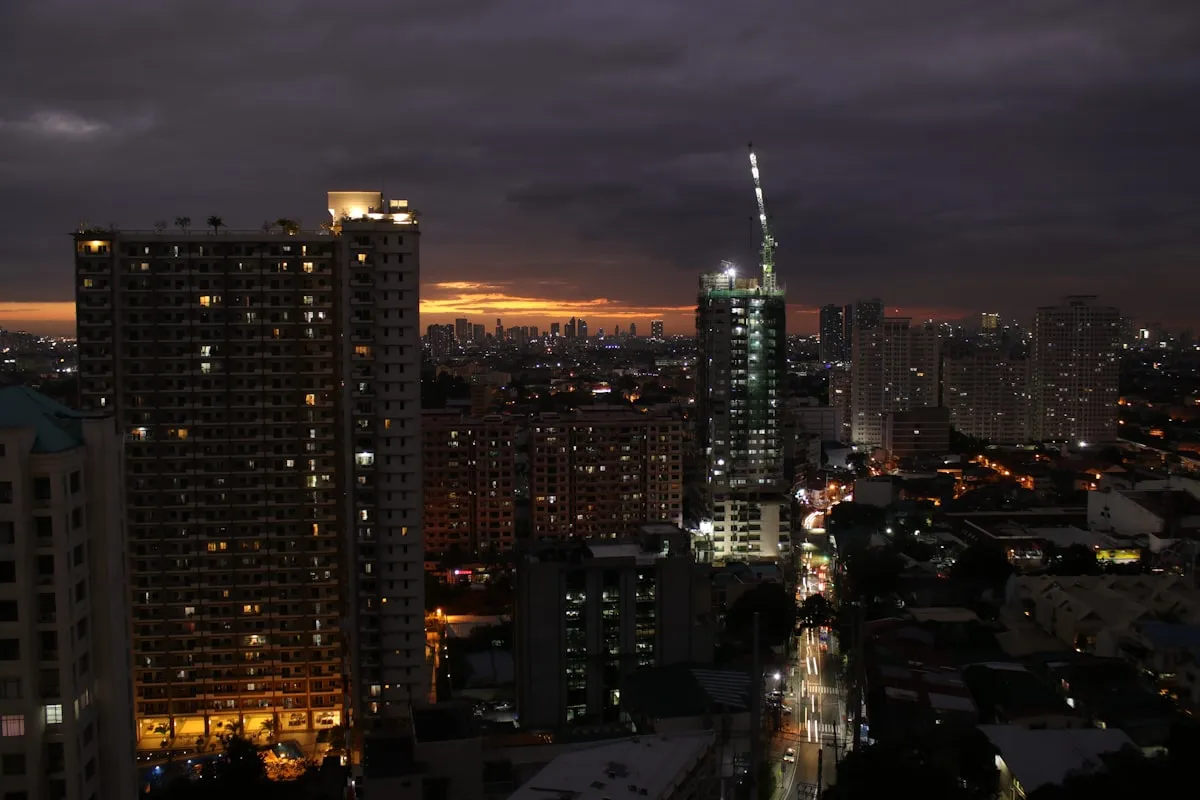
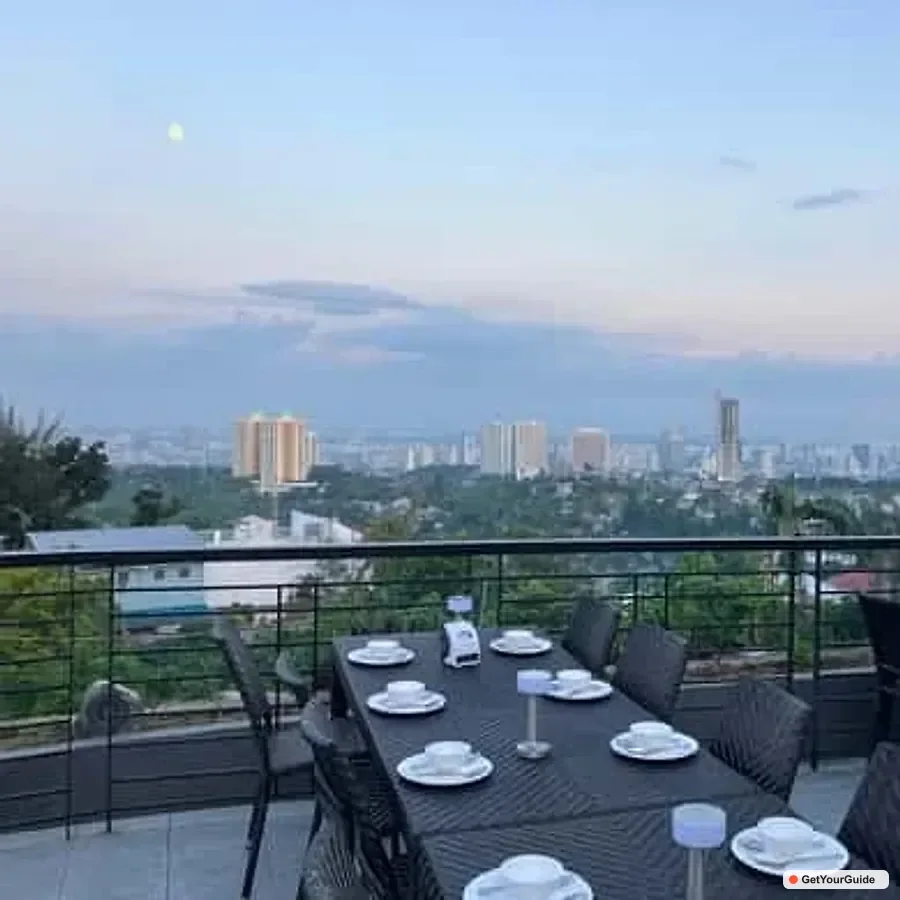
Think of Makati as Manila's answer to Singapore's CBD — polished glass towers, efficient sidewalks (by Manila standards), excellent restaurants, and the Greenbelt mall complex, which is partly open-air and genuinely pleasant to wander. Makati is where most mid-range and business hotels cluster, and it is where a large chunk of the city's best restaurants are found. Safe, walkable in the central area, and easy to navigate by Grab.
BGC / Bonifacio Global City — Hipster, Galleries, Night Market
BGC is Metro Manila's newest planned district and it shows — wide streets, actual pavements, proper traffic lights that people mostly obey. It is cleaner and more orderly than the rest of the metro, lined with galleries, craft beer bars, murals, the Mercato Centrale food market, and a stretch of public street art that is genuinely impressive. It feels slightly antiseptic compared to the rest of Manila but it is also the most comfortable area to walk around with a cold beer in hand at 11pm.
Malate / Ermita — Backpacker Belt, Rizal Park, Manila Bay
The traditional backpacker area, home to most of the city's budget accommodation, Rizal Park (the national park where Jose Rizal was executed in 1896), and the Manila Bay boardwalk for sunsets. Malate's nightlife strip along Remedios Circle is scrappy but lively. This is the most old-school "traveller Manila" experience — cheaper, more chaotic, and more authentic than BGC.
Binondo — The World's Oldest Chinatown
Binondo has been Manila's Chinatown since 1594, making it the oldest in the world. The food here is extraordinary: proper Chinese-Filipino fusion that has had four centuries to develop its own identity. Dim sum, hopia (moon cake pastry), fried siopao, pork asado, fresh noodles pulled on the street. Budget half a day and a serious appetite. This is one of the best food neighbourhoods in Southeast Asia, full stop.
What to Do in Manila
Intramuros: The Historical Core
Fort Santiago is the old Spanish citadel at the mouth of the Pasig River where Jose Rizal was imprisoned before his execution. Entry is PHP 75 for adults. The gardens are pleasant and the Rizal Shrine museum inside is worth 30–40 minutes. San Agustin Church is a UNESCO World Heritage Site — the oldest stone church in the Philippines, built in 1607, with baroque interior ornamentation that will stop you in your tracks. Entry is PHP 210. Manila Cathedral, just across Plaza Roma from San Agustin, is free to enter and has been rebuilt seven times following earthquakes and war damage — the current structure dates from 1958. The stained glass is striking.
One of the best things you can do in Intramuros is a bamboo bike tour. Several operators (Carlos Celdran's original tour is the most famous, though similar versions run daily) take small groups on bamboo bicycles through the walled city, stopping at historical spots with excellent storytelling. Expect to pay PHP 900–1,200 per person. Highly recommended even if you normally hate tours — the guides make the history genuinely compelling.
National Museum of Fine Arts
Free entry. Air-conditioned. Housed in a beautiful neoclassical building on Padre Burgos Avenue in Ermita. The centrepiece is Juan Luna's Spoliarium — a massive, visceral 1884 oil painting that Filipino schoolchildren learn about and most tourists walk past without knowing it exists. Allow 1.5–2 hours. This is genuinely one of the better national galleries in Southeast Asia and it costs nothing to visit.
Manila Ocean Park
Adjacent to Rizal Park, Manila Ocean Park is a large marine theme park with aquarium tunnels, shark tanks, and a separate bird show area. Tickets run around PHP 1,200 for the main attraction package. It is not world-class by global standards but it is good for families with children and a reasonable rainy-day option. The jellyfish gallery is the highlight.
BGC Street Art Walk
Free. The murals scattered through Bonifacio Global City range from large-scale commissions to smaller surprise pieces on side streets. No guided tour needed — just wander the blocks around 7th Avenue, 5th Avenue, and the Mind Museum area. Several pieces are by internationally recognised artists. It is a genuinely impressive outdoor gallery that most guidebooks ignore.
Binondo Food Walk
Budget PHP 400–600 and arrive hungry. The walk takes you through Ongpin Street and the surrounding lanes, stopping at spots like Tasty Dumplings for pan-fried jiaozi, New Po Heng Lumpia for fresh and fried spring rolls, President Grand Palace for proper dim sum, and various street stalls for hopia pastries and peanut candy. You can do this self-guided or join one of the organised food walks that depart daily (PHP 800–1,200/person including tastings). A self-guided morning in Binondo eating your way from stall to stall is one of the highlights of any Manila visit — and it costs almost nothing.
The Manila Food Scene
Let's be direct: Manila has one of the most underrated food scenes in Asia. It is not as polished as Singapore or as internationally hyped as Bangkok, but the combination of Filipino-Chinese-Spanish culinary history, decades of diaspora influence, and a young local chef culture that genuinely cares about its heritage has produced something special.
Binondo and Chinatown
Tasty Dumplings on Benavidez Street: pan-fried pork dumplings, PHP 80–120 for a plate. Arrive when the pan comes out — the crispy bottoms are the whole point. President Grand Palace on T. Alonzo Street: old-school Hong Kong-style dim sum in a room full of loud Chinese-Filipino families, the way dim sum is supposed to be eaten. New Po Heng Lumpia on Ongpin Street: fresh lumpia (spring rolls) made to order with a peanut-sweet-sauce combination that people queue for. Each of these costs under PHP 200 per person.
Makati and BGC
Wildflour (multiple branches) does excellent all-day brunch and baked goods — the sourdough loaves and pastries are legitimately good. Toyo Eatery in Makati is arguably the best Filipino fine dining restaurant in the country right now — Chef Jordy Navarra has a tasting menu that takes Filipino ingredients and techniques and does something genuinely creative with them. Expect to pay PHP 2,500–3,500 per person with drinks. Book ahead. The Grid in Power Plant Mall, Rockwell is a curated food hall format with some of Manila's best chefs in smaller stalls — easier on the wallet than full fine dining, still impressive quality.
Malate
Aristocrat Restaurant on Roxas Boulevard has been open since 1936 and is an institution. The chicken barbecue, kare-kare (oxtail in peanut stew), and java rice are the things to order. It is not fancy, not trendy, and entirely unpretentious — which is exactly the point. A full meal for two costs PHP 600–900. This is classic Filipino comfort food at its most reliable.
Street Food Circuits
Quiapo market (just north of Intramuros, near Quiapo Church) is one of Manila's most intense sensory experiences: stalls selling everything from fresh fish and vegetables to knock-off electronics, herbal remedies, and religious icons. The street food here is excellent — kwek kwek (deep-fried quail eggs in orange batter), fish balls on sticks, banana cue (caramelised fried banana). Go during daylight hours on a weekday for the most manageable experience. Divisoria, further north, is the wholesale market district — a proper deep-dive into local commerce, excellent street food, and absolutely overwhelming if that is not your thing.
Manila Bay Sunset
The sunset on Manila Bay is genuinely famous, and for good reason. The combination of sea salt, humidity, and particulate matter in the air produces colour palettes that range from dramatic orange to deep violet. The boardwalk along Roxas Boulevard in Malate is the classic viewing spot — the reclaimed area known as the Mall of Asia (MOA) Bay Area offers a wider, less crowded view with the Makati and BGC skyline visible on clear evenings. Go around 5:30–6:00pm. The colours typically peak 20–30 minutes after the sun hits the horizon. Bring insect repellent — the boardwalk gets mosquito-heavy at dusk.
Day Trip: Tagaytay
If you have a spare day in Manila, Tagaytay is the obvious escape. It sits roughly 60km south of Manila — about 2 hours by bus from Buendia in Makati (PHP 200–300 return, frequent departures on ALPS and Jam Transit). Tagaytay sits on the ridge overlooking Taal Lake, which contains Taal Volcano — a volcano on an island in a lake on an island, which is either philosophically interesting or just a good Instagram caption, depending on your disposition. The views from the ridge are excellent on clear mornings. The town is also known for bulalo (bone marrow beef soup) — budget PHP 250–400 for a bowl at any of the roadside restaurants on the ridge. If you want to hike down to the crater, you can take a boat across the lake from Talisay (PHP 700–1,000 for the boat) and hike up in about 45 minutes. Do it early — clouds build by mid-morning.
Where to Stay in Manila
Backpacker: Ermita and Malate (PHP 600–1,200/night)
This is the traditional budget accommodation belt. Hostels are plentiful, cheap, and vary from excellent to grim — read recent reviews carefully before booking. The location puts you within walking distance of Rizal Park and the bay boardwalk, and a short Grab ride from Intramuros. Noise can be an issue on the main streets near Remedios Circle on weekend nights.
Mid-Range: Makati (PHP 2,500–4,500/night)
Makati has the best concentration of mid-range business hotels in the metro. You are paying for cleaner rooms, more reliable air-conditioning, proper security, and proximity to good restaurants and the Greenbelt mall complex. The Ayala Avenue–Legaspi Village corridor has the most options in this range. A Grab to Intramuros from here costs PHP 150–250.
Splurge: BGC (PHP 4,000–8,000/night)
BGC has Manila's most prestigious hotel addresses. The Conrad Manila at the MOA Bay Area has exceptional bay views. Seda BGC is polished, well-designed, and popular with both business travellers and couples. Rates fluctuate significantly — book in advance for the best prices. The walkable, clean-streeted BGC neighbourhood justifies the premium if you want to feel comfortable stepping outside at night.
Getting Around Metro Manila
Grab is the Uber equivalent and is genuinely the best way to move around the city. Most trips within a single district cost PHP 100–180; cross-city trips from Intramuros to BGC run PHP 200–350 depending on traffic. Always use Grab over unmarked taxis — meter manipulation and overcharging is still common in regular cabs, especially from NAIA. The Grab app shows the fare upfront, which eliminates the negotiation entirely.
The MRT Line 3 runs along EDSA — the main north-south highway — from Taft Avenue in Pasay to North Avenue in Quezon City. Fares are PHP 15–30. It is crowded during rush hour (7–9am, 6–8pm) but useful for covering the EDSA corridor quickly during off-peak hours. Do not use it with large luggage. The LRT Line 1 parallels it slightly to the west and connects to Baclaran near the airport area.
Walking is feasible in BGC and parts of Makati, patchy in Intramuros (cobblestones, limited shade), and essentially impractical between districts due to distance and heat. Plan around Grab as your primary transport.
Safety in Manila
Manila is not as dangerous as its reputation suggests, but it does require awareness. The main risks are petty theft, pickpocketing in crowded markets and on the MRT, and occasional scams targeting tourists near NAIA and in Malate. Makati and BGC are as safe as any developed-world city neighbourhood — well-lit, heavily patrolled by private security, and comfortable to walk at night. Intramuros is safe during the day and generally fine in the early evening; like any old city area, it quiets down after dark. Quiapo and Divisoria are best avoided at night. Binondo is fine during market hours and empty at night.
The commonsense rules apply everywhere: don't flash expensive cameras or jewellery in crowded markets, keep your phone in your pocket on the MRT, use Grab rather than flagging random taxis, and don't accept unsolicited help from strangers at the airport.
How Long to Spend in Manila
For most travellers, 1–2 days is enough. One day gives you Intramuros in the morning, a National Museum stop, Binondo for lunch, and a sunset stroll along Manila Bay. Day two adds BGC street art, a proper Makati dinner, and a night out if that is your thing. Three days suits food-obsessed travellers who want to do Binondo properly, hit The Grid and Toyo Eatery, and squeeze in the Tagaytay day trip. There is no shame in spending just one night — the point is to actually see the city rather than using NAIA purely as a transit hub.
Airport Tips: Navigating NAIA
Ninoy Aquino International Airport (NAIA) has four terminals. Terminal 3 handles most Cebu Pacific domestic flights and some international routes — it is the newest and least chaotic. Terminal 1 handles most international carriers (Cathay Pacific, Singapore Airlines, Emirates, etc.) and is showing its age. Terminal 2 is Philippine Airlines' dedicated terminal, domestic and international. Terminal 4 handles some budget domestic carriers.
The terminals are not connected by any internal transit — moving between them requires a taxi or Grab. Budget 20–30 minutes between terminals even without traffic. Always allow 3 hours for international departures from NAIA and 2 hours for domestic. Immigration lines, security queues, and the general chaos of one of the world's busiest airports by passenger density mean that cutting it close is a genuine risk. Grab rides from central Makati to NAIA Terminal 3 cost PHP 150–250 and take 20–45 minutes depending on traffic — budget more on weekday mornings and Friday evenings.
Frequently Asked Questions
Is Manila worth visiting or should I fly straight to the islands?
Worth visiting for 1–2 days, especially if you care about food, history, or urban culture. Intramuros alone justifies a morning layover stay. The common advice to skip Manila entirely is based on people who never gave it a chance — the traffic is real, but so is the food scene, the history, and the nightlife. If you have 10 days in the Philippines, spend 2 in Manila and 8 on the islands. If you only have 5 days total, one night in Manila before flying to Palawan or Cebu is still worthwhile.
How do I get from NAIA to the city centre?
Grab is the simplest and most reliable option. Open the app as soon as you clear immigration and customs and book before you walk out the exit — fares are typically PHP 150–280 to Makati or Ermita, PHP 250–380 to BGC, and the car will meet you at the designated ride-share pickup point outside the terminal. Official airport taxis (yellow cabs) are legitimate but metered and often slower to flag down. Avoid white vans and unmarked cars that approach you inside the terminal offering fixed-rate transfers.
What is the best area to stay in Manila for first-time visitors?
Makati for mid-range budgets — central, safe, well-connected by Grab to all the main sights. Ermita or Malate for budget travellers who want easy access to Rizal Park and the bay. BGC if budget is not a concern and you want the cleanest, most walkable streets. Avoid staying near NAIA itself unless you have an early-morning flight — the area around the airport adds 20–40 minutes of traffic to every trip into the city.
Is the traffic in Manila really as bad as people say?
Yes and no. At peak hours — weekday mornings from 7–9am and evenings from 5–8pm — EDSA (the main highway) can genuinely move at walking pace for 45 minutes. Trips that take 15 minutes at 10am can take 75 minutes at 6pm. The solution is to plan your day around the traffic: do Intramuros and Binondo in the morning when the roads are manageable, have a long lunch, rest during the worst of rush hour, then head to BGC or Makati for dinner. Grab's estimated arrival times account for traffic in real time and are generally accurate. Build buffer time into any day where you have a fixed commitment (flight, tour, reservation).
What is the food scene like in Manila compared to other Southeast Asian capitals?
Genuinely excellent and seriously underrated. Manila does not have the street-food density of Bangkok or the hawker centre culture of Singapore, but it compensates with extraordinary diversity — Filipino-Chinese fusion in Binondo that has evolved over four centuries, a modern Filipino fine dining scene centred on chefs like Jordy Navarra (Toyo Eatery) and Josh Boutwood (Helm), a strong coffee culture with independent specialty cafes throughout BGC and Poblacion, and neighborhood comfort food spots serving crispy pata, kare-kare, and sinigang that are worth a trip on their own. The price-to-quality ratio at the mid-range level is better than most comparable Asian cities. Come hungry and allocate proper meal budget — eating well in Manila is one of the trip highlights, not an afterthought.
The Bottom Line
Manila is not for everyone, and it will not pretend to be. If your entire Philippines trip is about white sand beaches and turquoise water, you can get away with a single airport layover night and nothing more. But if you have any curiosity about history, any real love of food, or any interest in what 14 million people living in one of Asia's great messy megacities looks like — give Manila two days. Walk the walls of Intramuros in the morning. Eat dumplings in Binondo at noon. Watch the sunset over the bay. End the night somewhere in BGC with a cold craft beer and a view of the skyline. Then form your own opinion, rather than borrowing someone else's.
The Philippines is a lot of things. Manila is where all of them converge.

PANA.PH Editorial Team
Philippines travel desk
The PANA.PH travel desk researches, books and re-checks Philippines travel logistics — fares, ferry schedules, government fees and permit rules — and publishes what it can verify.
🏡 Real local stays (book direct)
Hand-picked homestays and guesthouses — book direct, no markup.
Browse all local stays →
🌊 Popular activities (book instantly)
Island hopping, canyoneering, whale sharks — real Klook/GetYourGuide options.
View all activities →