PHPANA.PH · Philippines travel teamPublished June 17, 2026 · 5 min read
Your first flight into Manila or Cebu is the easy part. The Philippines gets complicated the moment you try to connect three islands in ten days, pay for a bangka tour in cash you do not have, or assume Grab works everywhere. After years of routing real travelers through Palawan, Boracay, Cebu and Siargao, these are the 15 things every first-timer should know before landing in 2026.
1. You Probably Do Not Need a Visa
Most passport holders from the US, EU, UK, Australia, Japan and Korea receive 30 days visa-free for tourism. You need a return ticket and a completed eTravel registration (free, within 72 hours of arrival at etravel.gov.ph). Extensions are possible in Manila, Cebu or Davao if you fall in love with the islands and need another month.
2. The Peso Is King — But Cards Work in Cities
Carry PHP cash for tricycles, island environmental fees, small eateries and port terminals. ATMs are reliable in cities; on remote islands withdraw before you leave. A Wise or Revolut card saves on foreign transaction fees. Budget roughly PHP 3,000-5,000 per day for comfortable mid-range travel outside luxury resorts.
3. Do Not Try to See Every Island
Seven thousand islands is a marketing line, not an itinerary. First trips work best with two hubs maximum: e.g. Palawan (El Nido) + Cebu, or Boracay + Bohol. Every extra flight costs a half-day and PHP 1,500-4,000. See our 10-day Philippines itinerary for a proven route.
4. Book Domestic Flights Early
Cebu Pacific and AirAsia sales drop fares to PHP 500-1,500 on short hops, but walk-up prices hurt. Book Manila-Cebu, Cebu-Puerto Princesa or Manila-Siargao 6-10 weeks ahead. Compare live routes on PANA.PH flights before you commit.
5. Ferries Are Real Transport — Not a Backup Plan
Cebu to Bohol (2 hours, PHP 500-650), Cebu to Dumaguete, Manila to Coron overnight — ferries are how Filipinos move. Buy tickets at the port or via 2GO/FastCat online. Rough seas happen July-September; check PAGASA if habagat season overlaps your dates.
6. Island Hopping Tours: Book Licensed Operators Only
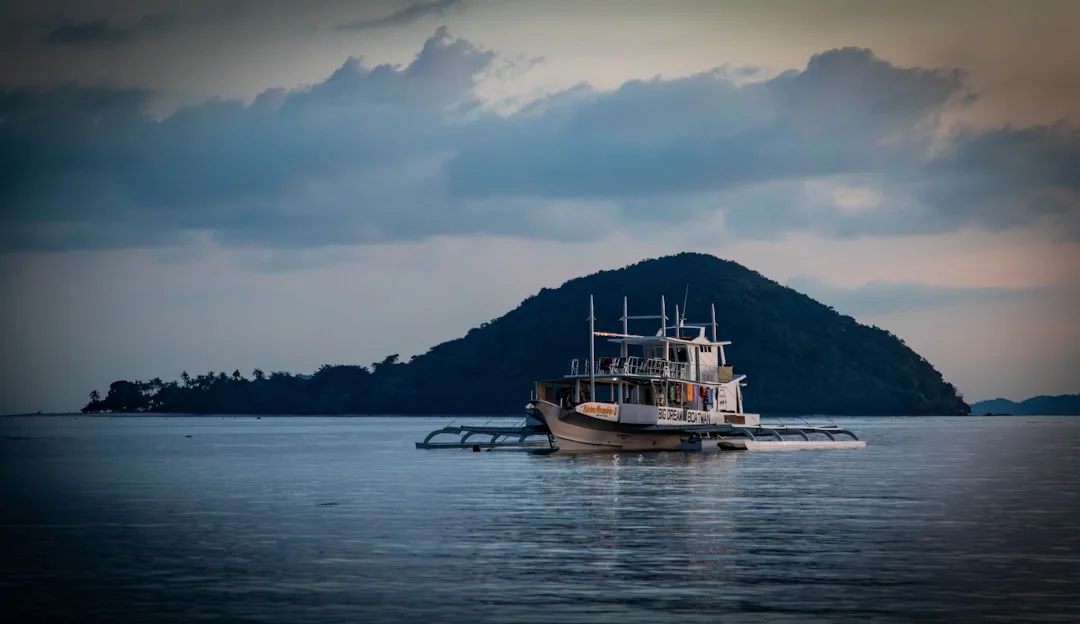
In El Nido, Coron and Honda Bay, you will see touts on the beach. Book through your hotel or a DOT-accredited operator the night before. Standard tours run PHP 1,200-1,800 plus PHP 150-400 environmental fee (cash at the port). Lunch is usually included. Bring reef-safe sunscreen and a dry bag.
7. English Gets You Almost Everywhere
Filipino and regional languages dominate at home, but English is an official language and tourism runs on it. Menus, airport signs and tour briefings are in English. Learning salamat (thank you) and magkano? (how much?) still earns smiles.
8. Grab Works in Cities — Not on Most Islands
Manila, Cebu City and Davao have reliable Grab. Elsewhere you negotiate tricycles (PHP 20-150 per ride) or rent a scooter (PHP 350-500/day where legal). Always agree on price before a tricycle starts moving.
9. The Dry Season Is November to April — But Shoulder Season Saves Money
January-March offers the calmest seas for lagoon tours. June-November is wetter and cheaper, with afternoon rain bursts rather than week-long washouts. Typhoon risk peaks August-October — build buffer days and insurance. Full breakdown: best time to visit the Philippines.
10. Food Is the Best Bargain in the Country
A full meal at a carinderia (local canteen) costs PHP 80-150. Lechon in Cebu, kinilaw in the Visayas, and fresh mango everywhere. Street food is safe when stalls have high turnover. Upscale resort restaurants charge Western prices — mix both for the best trip.
11. Sun and Reefs Demand Respect
UV is brutal near the equator. Rash guards beat sunscreen alone for long snorkel days. Many marine parks require reef-safe sunscreen only. Do not touch coral or chase sea turtles — fines and local anger are both real.
12. SIM Cards and Data Are Cheap
Buy Globe or Smart at the airport: PHP 350-550 for a week of data. Coverage is strong on tourist islands; spotty on mountain treks. Download offline maps for El Nido town and Boracay — they are walkable but confusing at first.
13. Safety: Normal Urban Rules Apply
Tourist areas are generally safe. Use hotel safes, avoid flashing expensive phones in crowded jeepneys, and stick to licensed transport at night. Solo female travelers report success on Palawan, Cebu and Siargao with standard precautions. Full country primer: Philippines travel guide 2026.
14. Tipping Is Appreciated, Not Mandatory
10% is welcome at sit-down restaurants if service charge is not already on the bill. Round up tricycle fares. Tour guides and boat crews appreciate PHP 100-200 per person after a good island-hopping day.
15. Leave Room for the Unplanned Bangka Sunset
The best moments in the Philippines are rarely on the spreadsheet: an empty sandbar after Tour C, a karaoke night in El Nido town, a fisherman sharing grilled squid on Siargao. Book your first two nights and domestic flights, then leave flexibility for weather and new friends.
Quick First-Timer Checklist
- eTravel registration completed
- Return flight proof saved offline
- PHP cash + ATM card
- Reef-safe sunscreen, dry bag, aqua shoes
- Domestic flights booked ahead
- Two islands max for a 7-10 day trip
Ready to build the route? Use the PANA.PH trip planner, compare hotels and local stays, or browse tours and experiences with real book links.
Frequently Asked Questions
Is the Philippines safe for first-time visitors?
Yes, on standard tourist routes (Palawan, Cebu, Boracay, Bohol, Siargao). Use the same caution you would in any major Asian city: watch belongings, use registered transport, and check current advisories for Mindanao mainland outside tourist hubs.
How much money should I bring for two weeks?
Mid-range travelers should plan PHP 45,000-70,000 (USD 800-1,250) on the ground excluding international flights — roughly PHP 3,500-5,000 per day including domestic flights, hotels and tours.
What should I pack for the Philippines?
Light breathable clothes, rain jacket, reef-safe sunscreen, insect repellent, dry bag, universal adapter (Type A/B/C), mask and snorkel if you have space (rentals are cheap), and modest clothing for churches and rural villages.
Manila or Cebu — which entry airport is better?
Cebu if your trip focuses on the Visayas or Mindanao (less traffic, closer to Bohol and Moalboal). Manila if you head north to Palawan via Puerto Princesa connections or want city culture first. Both work — pick based on your first island.
Do I need travel insurance?
Strongly recommended. Cover medical evacuation, trip delays during typhoon season, and adventure activities (diving, canyoneering). Domestic ferries and small planes are generally reliable but weather disruptions happen.