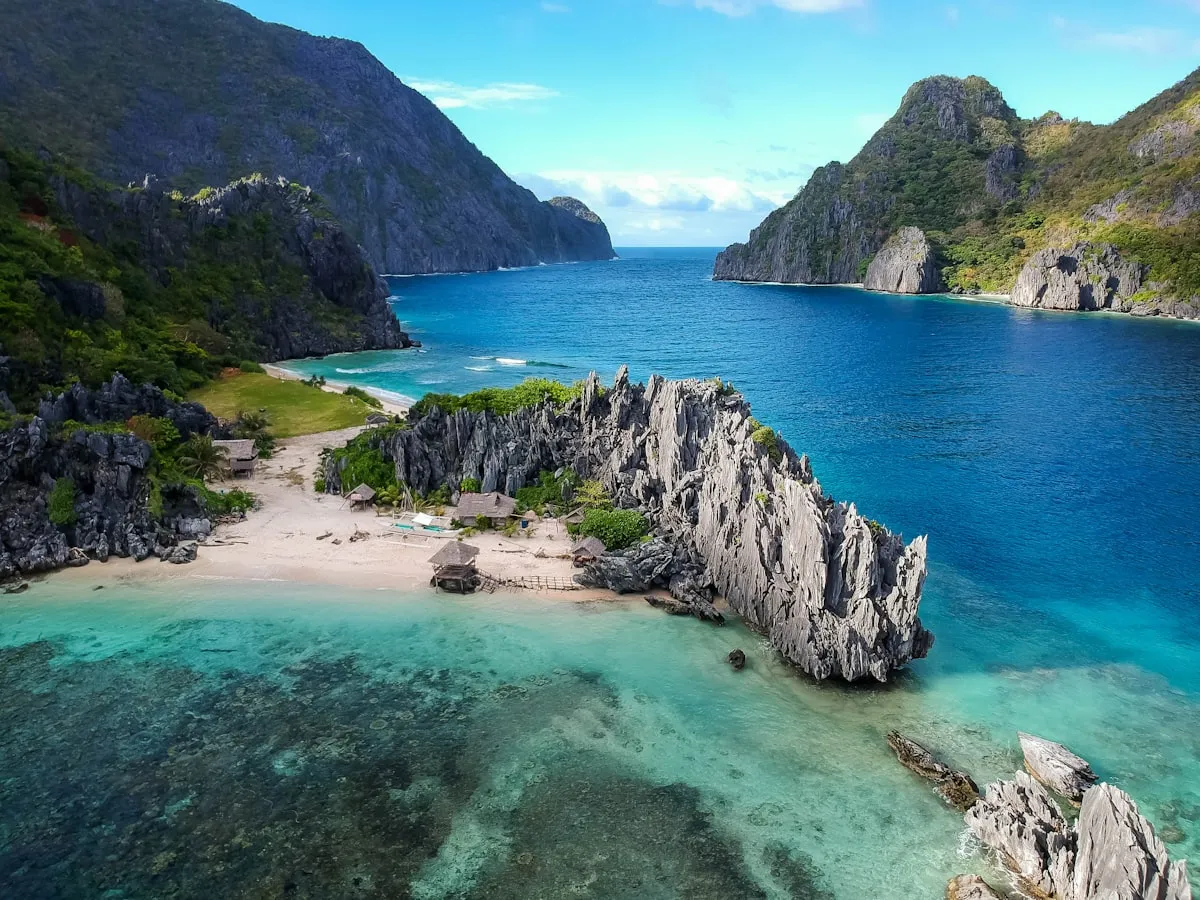
El Nido has been on every best-beaches-in-the-world list for a decade. The karst limestone towers rising from impossibly turquoise water, the hidden lagoons, the white sand beaches that look computer-generated — it is genuinely one of the most photographed landscapes in Southeast Asia. But is it worth the effort to get there from Australia? Is the hype real or has Instagram oversold it? This is the honest review you need before you book.
El Nido, Palawan: The Honest Review for Australian Travellers (Is It Worth It?)
Trip.com
Search on Trip.comHotels in El Nido
Compare live prices via Travelpayouts — targeted for this guide.
Getting There from Australia: What to Expect
El Nido is not quick from Australia, but it is manageable with a bit of planning. The logistics in 2026:
Step 1 — Fly to Manila: Philippine Airlines operates direct Sydney-Manila flights at approximately 7 hours 30 minutes. From Melbourne, the direct PAL flight runs about 8 hours. AirAsia connects via Kuala Lumpur from Sydney, Melbourne, and Brisbane for significantly lower fares (AUD 600-850 return vs AUD 750-1,050 for PAL direct) but adds 2-3 hours to your travel time.
Step 2 — Manila to El Nido: Two main options:
Trip.com
See all tours in El Nido on Trip.comTours & activities in El Nido
Hand-picked experiences in El Nido — book on Trip.com with instant confirmation.
- Fly Manila to Puerto Princesa (PPS), then bus or van to El Nido: Cebu Pacific and Philippine Airlines both serve the Manila-Puerto Princesa route frequently, at AUD 40-90 one-way. Puerto Princesa to El Nido by air-conditioned shuttle bus takes 5-6 hours along Palawan's spine — the road is paved and the scenery is gorgeous but it is a long ride. Total: AUD 50-100 for this leg.
- Fly Manila to San Vicente (SWL) or Busuanga: AirSWIFT operates small-aircraft flights from Manila directly to El Nido (ENI airport) and San Vicente. These are more expensive (AUD 100-180 one-way) but cut the ground transfer entirely. Book early — AirSWIFT has limited seats and fills up weeks in advance during peak season.
Total travel time Sydney to El Nido: typically 10-12 hours via direct Manila flight plus the ground or air transfer from Manila. That is comparable to Sydney-London, which puts it in perspective — it is a significant journey but not unusually long for a destination of this quality.
El Nido in Australian Dollars: What Things Actually Cost
El Nido is the most expensive part of the Philippines for tourists on a per-day basis — it has been "discovered" and prices have responded. But it remains excellent value by Australian standards:
Accommodation
- Budget guesthouse (fan room, shared bathroom): AUD 18-30/night in El Nido town
- Mid-range private room with aircon and en suite: AUD 40-75/night
- Boutique beachfront guesthouses (Corong-Corong, Las Cabanas area): AUD 65-120/night
- Upscale resorts (El Nido Resorts properties — Miniloc, Lagen, Pangulasian): AUD 450-900+/night all-inclusive
The sweet spot for most Australian travellers is the AUD 55-90/night range — a clean, air-conditioned room with reliable hot water and wifi, often with a terrace or garden setting. This is dramatically better value than equivalent rooms in Bali or Phuket.
Food
- Carinderia (local canteen) full meal: AUD 3-6
- Local restaurant (grilled seafood, rice, vegetables): AUD 6-14
- Western cafe (pasta, pizza, burgers): AUD 10-20
- Fresh coconut on the beach: AUD 1-2
- San Miguel Beer (restaurant): AUD 2-4
Tours and Activities
- Island hopping Tour A (big lagoon, small lagoon, secret beach, Shimizu Island): AUD 28-45/person
- Island hopping Tour B (seven commandos, cudugnon cave, papaya beach): AUD 25-40/person
- Island hopping Tour C (helicopter island, star beach, matinloc shrine): AUD 28-42/person
- Kayak rental (El Nido lagoons self-guided): AUD 18-30/half day
- Scuba diving (2 tanks, gear, guide): AUD 60-90/person
- Snorkeling day tour: AUD 20-35/person
Best Time for Australians to Visit
This is critically important for Palawan. El Nido faces the South China Sea on its western flank and is directly exposed to the southwest monsoon (Habagat) from roughly June through October. During these months, seas can be dangerously rough, boat tours are regularly suspended by the coast guard, and persistent rain can ruin a beach-heavy itinerary. Do not visit El Nido in August or September expecting functional island hopping — you may spend your whole trip waiting for the weather window.
The ideal window for El Nido from an Australian perspective aligns beautifully with common Australian travel patterns:
- November to May: El Nido's dry season. The sea is calm, island hopping runs daily, visibility underwater is 15-25 metres, and the beaches are as stunning as the photos promise. This is peak season with corresponding prices and (in December-April) significant crowds.
- Australian winter escape (June-August): Do NOT do El Nido during this period. Instead, combine a quick El Nido visit in May before the monsoon arrives, or redirect your Australian winter trip to Siargao or the eastern Philippines where the weather is genuinely good during habagat.
- Shoulder sweet spot (November and early May): Best combination of good weather, lower prices, and manageable crowds. Flights in November are noticeably cheaper than December-April, and the dry season is fully established.
El Nido vs the Whitsundays: The Aussie Comparison
The Whitsundays is the obvious Australian reference point — white sand, turquoise water, island hopping by sailboat. Here is the honest comparison:
- Price: El Nido wins decisively. A Whitsundays sailing trip runs AUD 350-600 per person for 2 nights/3 days. An equivalent El Nido island hopping circuit runs AUD 100-180 total for multiple days of tours, meals included. The value gap is enormous.
- Scenery: Different but comparable. The Whitsundays have Whitehaven Beach — arguably the most beautiful beach in the world by any objective measure. El Nido has the Big Lagoon, the dramatic karst cliffs, and the hidden lagoons — a different kind of beauty but equally spectacular. El Nido's limestone scenery is more dramatic and unusual; the Whitsundays are classically beautiful.
- Water colour: Both are stunning. El Nido's lagoons in good light have a jewel-like turquoise that the Whitsundays cannot quite match in intensity. Whitehaven Beach's silica sand and the surrounding tidal flats produce colour that El Nido cannot match in its own way.
- Marine life: El Nido wins significantly for coral diversity and fish abundance. The Whitsundays' Great Barrier Reef sections are excellent but bleaching has affected quality in recent years. El Nido's house reef and nearby dive sites are healthy and diverse.
- Access: The Whitsundays are easier — fly to Proserpine or Hamilton Island from any Australian city, no visa required, everything is in English and familiar. El Nido requires international travel and logistical patience.
What to Book in Advance vs Book on Arrival
Book well in advance (6-8 weeks minimum):
- International flights (PAL direct Sydney-Manila fills up fast in peak season)
- AirSWIFT flights Manila to El Nido (small aircraft, very limited seats)
- Accommodation in mid-range to upper-range El Nido resorts (November-April)
- El Nido Resorts properties (Miniloc, Lagen) — book months out
Book on arrival or day before:
- Island hopping tours — dozens of operators in El Nido town, prices are regulated, just walk in the morning
- Budget guesthouses (except peak Christmas-New Year period)
- Dive shops — walk in, no advance booking needed except for specialty liveaboards
- Transfers between El Nido and Puerto Princesa — shared vans depart multiple times daily
Power Outages, WiFi, and ATMs: The Honest Truth
El Nido town has improved significantly since its generator-only days but infrastructure limitations remain:
Power: El Nido is now connected to the main Philippine power grid, which dramatically reduced the outages that plagued it until 2019. However, brownouts (unscheduled power cuts) still occur — especially during storms or peak demand. Mid-range and better hotels have backup generators. Budget guesthouses may not. Pack a 20,000mAh power bank and assume you may have hours without power on any given day.
WiFi: Available in most hotels and cafes in El Nido town. Quality is variable — good enough for messaging and light browsing in most places, not reliable enough for video calls or remote work. If you need reliable connectivity, get a local SIM card (Globe or Smart — both available at the airport) with a data plan. A 15GB Globe data pack costs approximately AUD 7-10 and lasts a week of normal use.
ATMs: El Nido has a small number of ATMs (BDO, Metrobank, Landbank branches) that frequently run out of cash during peak tourist season. This is not exaggeration — withdrawing from El Nido's ATMs on a busy weekend can be genuinely impossible. Bring cash from Manila (PNB or Metrobank in SM Mall of Asia, for example) or Puerto Princesa. Carry AUD 300-500 equivalent in PHP cash when you arrive in El Nido. Card payments are accepted in mid-range hotels and some restaurants but not universally.
Is the Hype Worth It? The Honest Answer
Yes. With caveats.
El Nido delivers on its promise. The Big Lagoon — the turquoise enclosed lagoon surrounded by 200-metre karst cliffs, accessible only through a narrow rock gap — is as extraordinary in person as it looks in photographs. The Secret Beach (accessed by swimming through a rock tunnel) is genuinely magical. Nacpan Beach's 4km of pale sand backed by coconut palms, almost empty on a weekday, is one of Southeast Asia's best beaches.
The caveats are real, though. El Nido town itself is functional but not beautiful — a concrete commercial strip that serves as the logistics base for accessing the scenery. The island hopping tours run the same circuits with the same boats, and during peak season (January-March) the lagoons can feel like a nature theme park with hundreds of tourists packed into small boats. Accommodation in the budget and mid-range bracket can have maintenance issues — plumbing that drips, aircon that struggles, rooms that are smaller than the photos suggest. The WiFi and ATM limitations are genuine inconveniences.
Plan around these: visit November or early May for fewer crowds, stay at Corong-Corong or Las Cabanas Beach rather than El Nido town for more pleasant surroundings, bring cash, and set expectations for infrastructure that is still catching up with the destination's fame.
Frequently Asked Questions
How long should Australians spend in El Nido?
A minimum of 4 nights gives you time to complete Tours A and B (the essential island hopping circuits), a free day for Nacpan Beach or kayaking, and a buffer for bad weather or sea conditions. Most Australians find 5-6 nights ideal. Under 3 nights feels rushed and you risk spending your only full day waiting out weather. If you have 10+ days for Palawan, consider combining El Nido (5 nights) with Coron (4 nights) for a comprehensive Palawan experience.
What is the best month to visit El Nido from Australia?
November through May is El Nido's dry season and the only reliable window for island hopping. For Australian travellers, November and early December offer the best combination of good weather, pre-peak pricing, and manageable crowds. January to April is peak season with excellent weather but higher prices and busier tours. Avoid June through October entirely for El Nido — rough seas regularly cancel boat tours for days at a time.
Are credit cards accepted in El Nido?
Increasingly, yes — mid-range hotels and some restaurants accept Visa and Mastercard. But cash is still essential. ATMs in El Nido town are unreliable and frequently empty during peak season. Bring PHP cash from Manila or Puerto Princesa. A Wise card or Revolut card can help manage currency efficiently, but always have a PHP cash buffer of at least PHP 10,000-15,000 (roughly AUD 250-380) on arrival.
Is El Nido crowded?
The island hopping lagoons can be crowded during January-March (peak season). Nacpan Beach and some of the less-promoted beaches are still relatively quiet. El Nido town is busy but manageable. Compared to Bali or Phuket at equivalent seasons, El Nido is less crowded overall — but the tours funnel everyone into the same lagoon circuit, which concentrates the crowds. Going on tours early (depart 7-8am rather than 9-10am) significantly reduces the crowds at popular stops like the Big Lagoon.
Is El Nido safe for Australian tourists?
Yes. El Nido and Palawan generally are safe for tourists. Petty theft targeting valuables left on beaches exists (as in any tourist destination), but violent crime targeting tourists is extremely rare. The main safety concern is water safety — the wooden bangka boats used for tours are seaworthy in calm conditions but the Philippine Coast Guard correctly suspends operations in rough seas. Always comply with tour cancellations due to weather — these are safety decisions, not inconveniences. Check your travel insurance covers water activities and any cancellation costs.

PANA.PH Editorial Team
Philippines travel desk
The PANA.PH travel desk researches, books and re-checks Philippines travel logistics — fares, ferry schedules, government fees and permit rules — and publishes what it can verify.
🏡 Real local stays (book direct)
Hand-picked homestays and guesthouses — book direct, no markup.
Browse all local stays →
🌊 Popular activities (book instantly)
Island hopping, canyoneering, whale sharks — real Klook/GetYourGuide options.
View all activities →