PHPANA.PH · Philippines travel teamPublished June 19, 2026 · 9 min read
El Nido
Intro
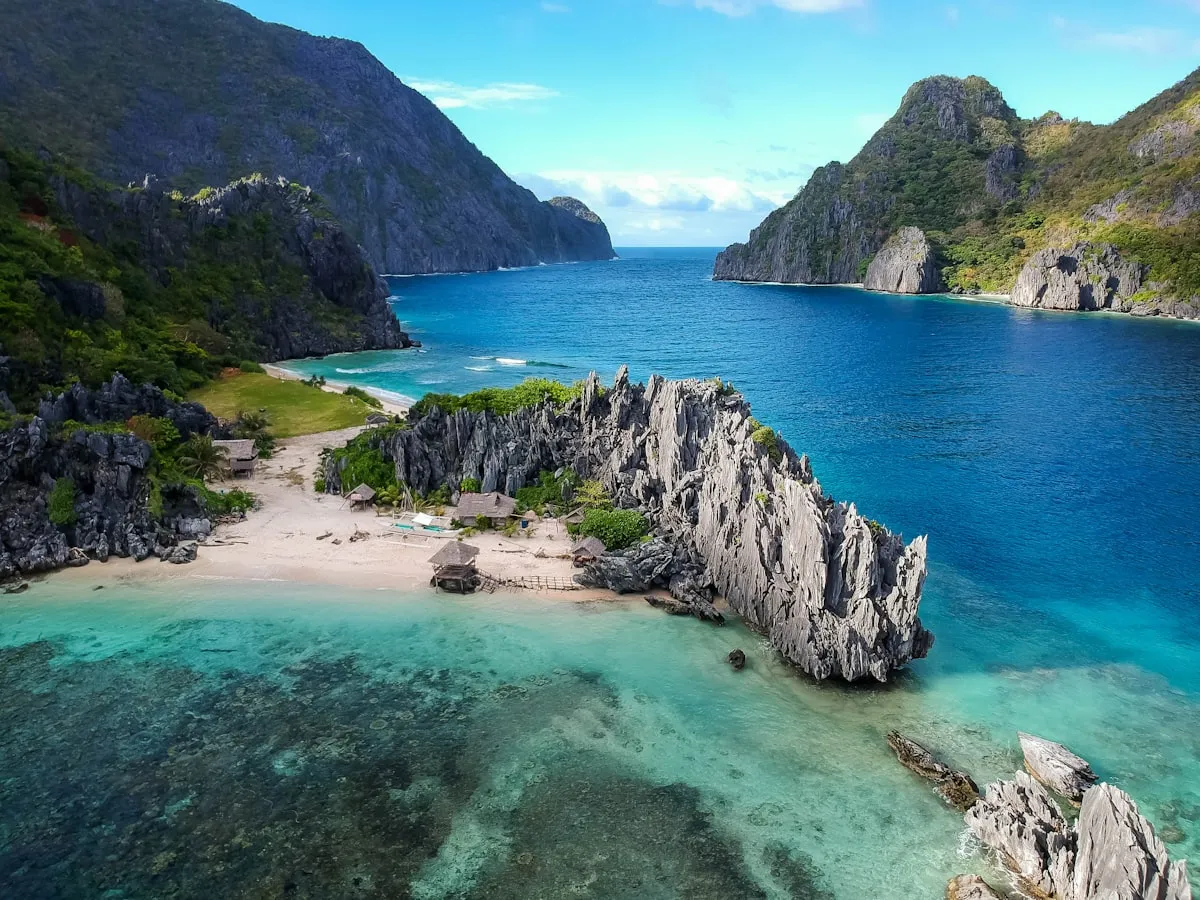
Tucked into the northern tip of Palawan, El Nido is the postcard the Philippines puts on its own wall. Towering karst limestone cliffs rise straight out of impossibly turquoise water, sheltering a maze of hidden lagoons, secret beaches, and coral gardens across the 45 islands of the Bacuit Archipelago. This is the island-hopping capital of the Philippines, and once you have paddled into the Big Lagoon at dawn or floated through the keyhole entrance of the Small Lagoon, you understand why travelers from London to Singapore put El Nido at the top of their bucket lists.
El Nido town itself is a small, walkable beach village where banca outrigger boats line the shore, sunset bars spill onto the sand, and the smell of fresh-grilled seafood drifts down narrow streets. It is laid-back but well set up for international visitors, with everything from backpacker hostels to barefoot luxury resorts on private islands. Whether you come to snorkel over reefs, kayak through mangroves, dive shipwrecks, or simply do nothing on Nacpan Beach with a cold San Miguel, El Nido delivers that rare feeling of having stumbled onto somewhere genuinely wild and beautiful.
This guide covers everything you need to plan the perfect trip: the legendary island-hopping Tours A, B, C, and D, when to visit, exactly how to get here from Manila, Cebu, and Singapore, realistic costs in Philippine pesos, and the local know-how that turns a good El Nido trip into the best one of your life.
Book ferries & transfers in the Philippines
Manila to Palawan, Batangas to El Nido, Cebu to Bohol — book inter-island ferries and airport transfers easily.
First-timer essentials
- Visa: Most Western travelers (US, UK, EU, Singapore, Australia) get a free 30-day visa on arrival. You can extend at a Bureau of Immigration office (the nearest is in Puerto Princesa) for roughly PHP 3,000-4,000. Make sure your passport is valid for at least 6 months and you have proof of onward travel.
- Currency: The Philippine peso (PHP). Roughly 1 USD is around PHP 56-58, 1 GBP around PHP 72-75, 1 EUR around PHP 60-63, and 1 SGD around PHP 42-44 (rates fluctuate, so check before you travel). Carry cash, as many small businesses do not take cards.
- Health: No mandatory vaccinations, but Hepatitis A and typhoid are commonly recommended for the Philippines. Bring reef-safe sunscreen, strong insect repellent, and any prescription meds you need. Drink bottled or filtered water. The nearest hospital with serious capacity is in Puerto Princesa, so travel insurance with medical evacuation is strongly advised.
- Money & ATMs: El Nido town has several ATMs (mostly along the main streets near the market and port), but they run out of cash on weekends and during peak season, and they charge fees of around PHP 250 per withdrawal with low limits. Bring enough pesos with you from Puerto Princesa or Manila, and budget extra cash for tours, which are often cash-only.
- Safety: El Nido is very safe for travelers, including solo and female visitors. The main risks are sunburn, strong currents while snorkeling, and slippery boats and rocks, so wear water shoes and follow your guide. Watch your belongings in crowded bars and keep valuables in a dry bag on island-hopping days.
Top things to do
- Big Lagoon -- The crown jewel of El Nido: a vast, shallow emerald lagoon walled in by sheer limestone cliffs that you enter by kayak or paddle for the full effect. The water glows electric green-blue, and it is best at low tide and early morning before the crowds. Visited on Tour A; kayak rental around PHP 300-700.
- Small Lagoon -- Reached by swimming or kayaking through a narrow rock keyhole into a hidden, cliff-ringed pool. It feels like a secret world, with little caves and crystal water perfect for floating. Also part of Tour A; bring a mask to peek under the surface.
- Snorkeling at Shimizu and 7 Commandos -- Tour A includes some of the area's best easy snorkeling, with colorful coral, clownfish, and reef fish in clear shallow water. 7 Commandos Beach is a classic sunset and beach-club stop with swings over the sand. Full Tour A runs around PHP 1,400-1,800 including lunch and gear.
- Secret Beach and Matinloc Shrine -- The highlights of Tour C: Secret Beach is a tiny hidden cove you swim into through a crack in the rock, while Matinloc Shrine offers a short scramble to a jaw-dropping cliff viewpoint. Tour C costs around PHP 1,800-2,500 and is the most adventurous route.
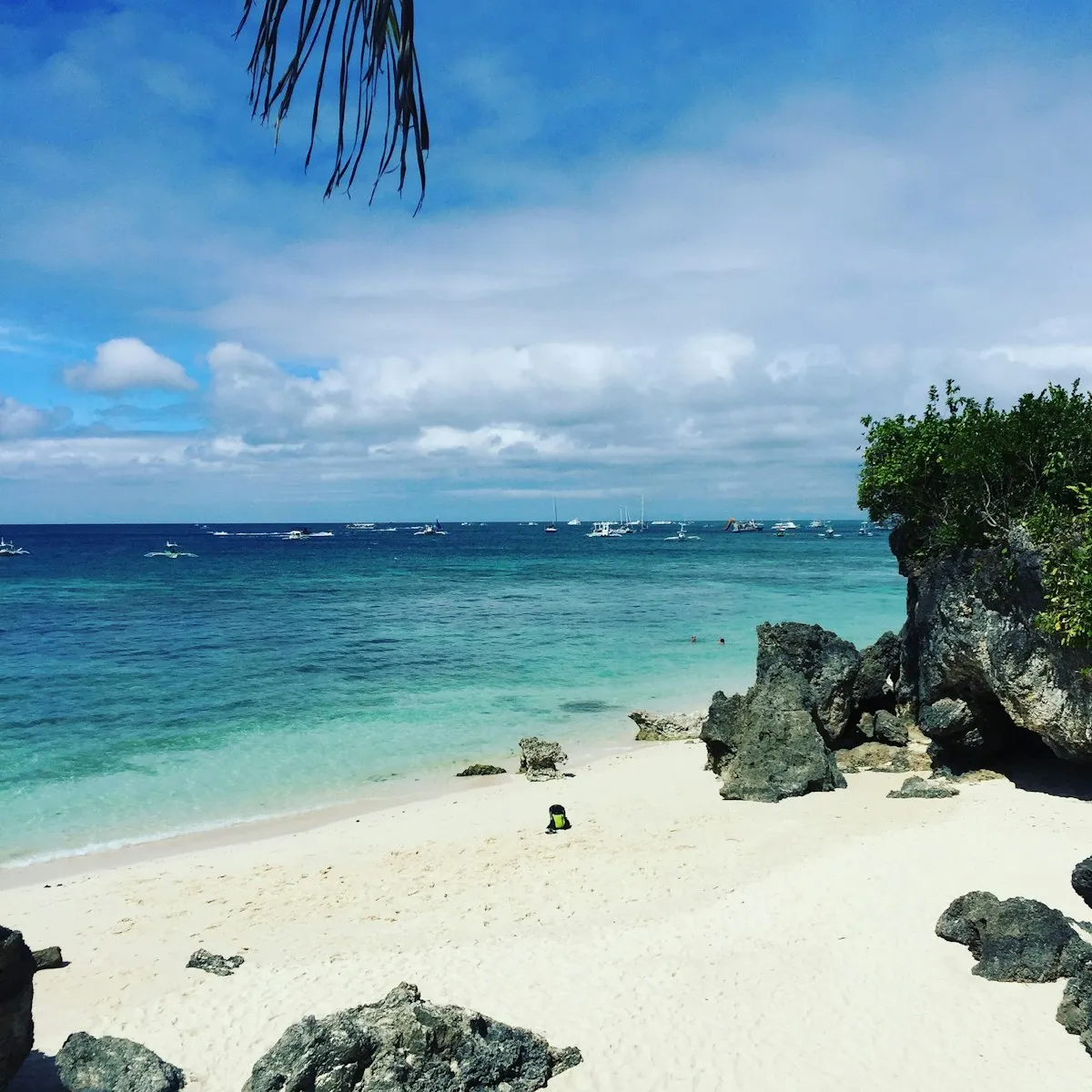
- Nacpan Beach -- A 4 km sweep of golden sand about 45 minutes north of town by tricycle or van, far quieter than the in-town beaches and ideal for swimming, beach bars, and sunsets. Tricycle round-trip is around PHP 600-1,200; entrance fee around PHP 50-100.
- Las Cabanas Beach and the zipline -- An easy sunset beach a short ride from town with mellow bars, plus a zipline that flies over the water to a nearby islet for those who want a thrill. Zipline around PHP 500-800; sunset cocktails extra.
- Scuba diving the Bacuit reefs -- El Nido is a superb dive destination with healthy reefs, walls, and the chance to spot turtles and reef sharks. Discover Scuba dives for beginners run around PHP 4,000-5,500, while certified fun dives are around PHP 2,500-3,500 per dive with gear.
Best time to visit
The dry season from November to May is the prime window, with sunny skies, calm seas, and the best island-hopping conditions. December to February brings cooler, pleasant weather and is the peak tourist season, so book accommodation and tours well ahead. March to May is the hottest and driest stretch, with glassy water ideal for snorkeling and photography, though it gets very busy around Easter.
The wet season runs roughly June to October, with afternoon showers, occasional storms, and rougher seas that can cancel boat tours, especially in August and September. The upside is fewer crowds, lush green scenery, and lower prices. If you visit in shoulder months like late October or June, you can often catch good weather with thinner crowds and better rates.
Getting there
From Manila: The fastest option is a direct flight to El Nido's small Lio Airport (airport code ENI), about 1.5 hours, operated mainly by AirSWIFT. These flights are convenient but pricey, typically PHP 6,000-12,000+ one way. The budget route is flying to Puerto Princesa (airport code PPS) with the major low-cost carriers for as little as PHP 1,500-4,000, then taking a van or bus north to El Nido.
From Cebu: There are flights to Puerto Princesa, and seasonal direct connections to El Nido (ENI) on AirSWIFT. From Puerto Princesa you then take the overland transfer north as above. Allow a full travel day if routing through Puerto Princesa.
The El Nido town transfer: From Puerto Princesa airport to El Nido town is roughly 5-6 hours by road (about 240 km). Shared vans are the most popular option at around PHP 600-900 per person and depart throughout the day; a private van is around PHP 6,000-9,000 for the vehicle. If you fly into Lio Airport (ENI), the town is only about 10-15 minutes away by tricycle or shuttle (around PHP 200-500). Book vans a day ahead in peak season.
From Singapore
There are no direct flights from Singapore to El Nido, so you will route through the Philippines. The most common option is to fly Singapore (SIN) to Manila (MNL) -- about 3.5-4 hours with several daily flights -- then connect onward. From Manila you can either take the quick AirSWIFT flight straight to El Nido (ENI), which is the smoothest if your budget allows, or fly a budget carrier to Puerto Princesa (PPS) and continue by van.
A scenic alternative is SIN to Manila, then Manila to Puerto Princesa, spending a night in Puerto Princesa to see the Underground River before driving up to El Nido. Whichever way you go, give yourself a buffer day, as Palawan connections involve small airports and overland transfers. Booking the SIN-MNL leg and the onward domestic leg with enough layover (3+ hours in Manila) avoids missed connections.
Tours on PANA.PH
- El Nido Island Hopping Tour A -- The classic must-do: Big Lagoon, Small Lagoon, Shimizu Island, and 7 Commandos Beach, with snorkeling and a beach lunch.
- El Nido Island Hopping Tour B -- A relaxed route exploring sea caves, Snake Island sandbar, Cudugnon Cave, and quiet beaches with great snorkeling.
- El Nido Island Hopping Tour C -- The adventurer's favorite: Hidden Beach, Matinloc Shrine viewpoint, Secret Beach, and Helicopter Island.
- El Nido Island Hopping Tour D -- Quieter and scenic, taking in Cadlao Lagoon, Paradise Beach, Natnat Beach, and Bukal Island.
- El Nido Private Island Hopping -- A fully customizable private boat charter so you can mix the best stops from Tours A-D on your own schedule.
- El Nido Kayak Tour -- A paddle-powered exploration of the lagoons and mangroves, perfect for travelers who want a quieter, more active day on the water.
- El Nido Landscape Photography Tour -- Timed for the best light and angles at the most photogenic lagoons, cliffs, and beaches.
- El Nido Romantic Getaway -- A couples-focused day of secluded beaches, private moments, and sunset, with optional add-ons like a picnic or champagne.
- El Nido Island Hopping with Snorkeling -- A reef-focused trip emphasizing the best coral gardens and marine life, with quality snorkel gear included.
FAQ
How many days should I spend in El Nido? Plan for at least 3-4 full days. That gives you time for two island-hopping tours (most travelers do Tours A and C), a beach day at Nacpan or Las Cabanas, and a buffer in case weather cancels a boat trip. If you also want to dive or visit Puerto Princesa's Underground River, allow 5-6 days.
Which island-hopping tour is the best? Tour A is the most famous for the Big and Small Lagoons and is the top pick if you only do one. Tour C is the most dramatic and adventurous, with Secret Beach and the Matinloc viewpoint. Many visitors do both. Tours B and D are quieter alternatives that are great when the popular routes are crowded.
Do I need to book tours in advance? In peak season (December-May), yes -- booking ahead through PANA.PH locks in your spot and avoids sold-out days. In low season you can often book a day before, but tours may be canceled for weather. Note there is also a small Eco-Tourism Development Fee (around PHP 200, valid for around 10 days) required for island hopping.
Is El Nido expensive? It is one of the pricier spots in the Philippines because everything is shipped in, but it is still affordable by Western standards. Budget travelers can get by on around PHP 2,500-3,500 a day, mid-range travelers around PHP 5,000-9,000, and luxury island resorts run far higher.
Is the water and weather good year-round? The best conditions are in the dry season (November-May), when seas are calm and visibility is excellent. The wet season (June-October) brings rain and rougher water that can cancel boat tours, especially August and September. If you travel then, keep your plans flexible and build in extra days.