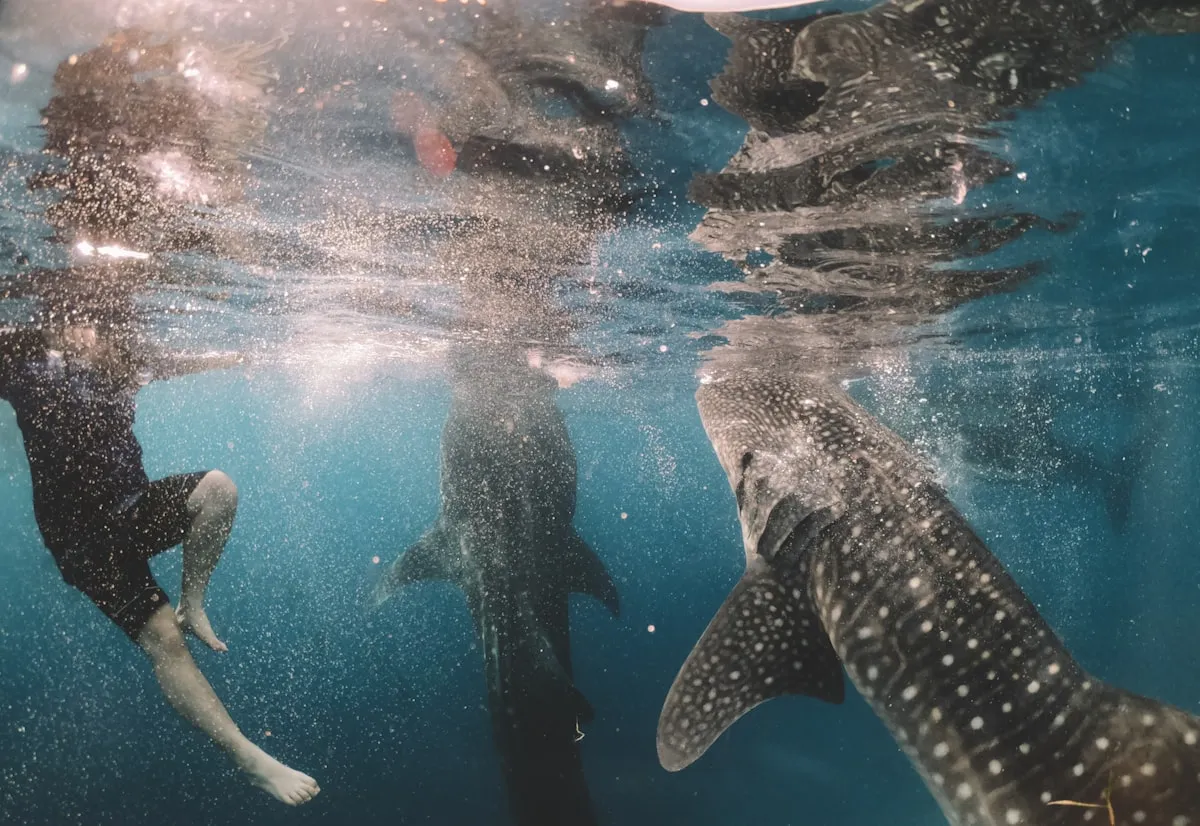
Swimming alongside a whale shark - the largest fish in the ocean, gliding past you like a polka-dotted bus - is one of the great wildlife experiences on the planet, and the Philippines offers two very different ways to do it. Oslob in southern Cebu practically guarantees a sighting because the sharks are hand-fed daily. Donsol in Sorsogon offers a wild, unfed, seasonal encounter regarded as far more ethical. The choice between them is genuinely a values decision, and this guide lays out the honest differences so you can choose with eyes open.
Donsol vs Oslob Whale Sharks: Which Is Ethical?
Diving & adventure#Donsol whale sharks#Oslob whale shark#whale shark Philippines#ethical wildlife#Sorsogon
Trip.com
Search on Trip.comHotels in Philippines
Compare live prices via Travelpayouts — targeted for this guide.
The Quick Verdict
If ethics matter to you, choose Donsol. Conservation organisations, marine biologists and responsible-travel guides almost unanimously recommend Donsol over Oslob because the interaction is with wild, free-ranging sharks that are not fed, conditioned or crowded. Oslob is more reliable and convenient but raises serious animal-welfare and behaviour-change concerns. Below is the full picture.
Oslob: Reliable but Controversial
In Oslob, local fishermen feed the whale sharks small shrimp (krill) each morning from boats, which keeps the animals returning to the same patch of water. The upside for tourists is obvious: near-guaranteed, year-round, close-up encounters within metres of shore.
The concerns are real and well-documented by marine scientists:
Trip.com
See all tours in Philippines on Trip.comWhale shark watching in Philippines
Hand-picked experiences in Philippines — book on Trip.com with instant confirmation.
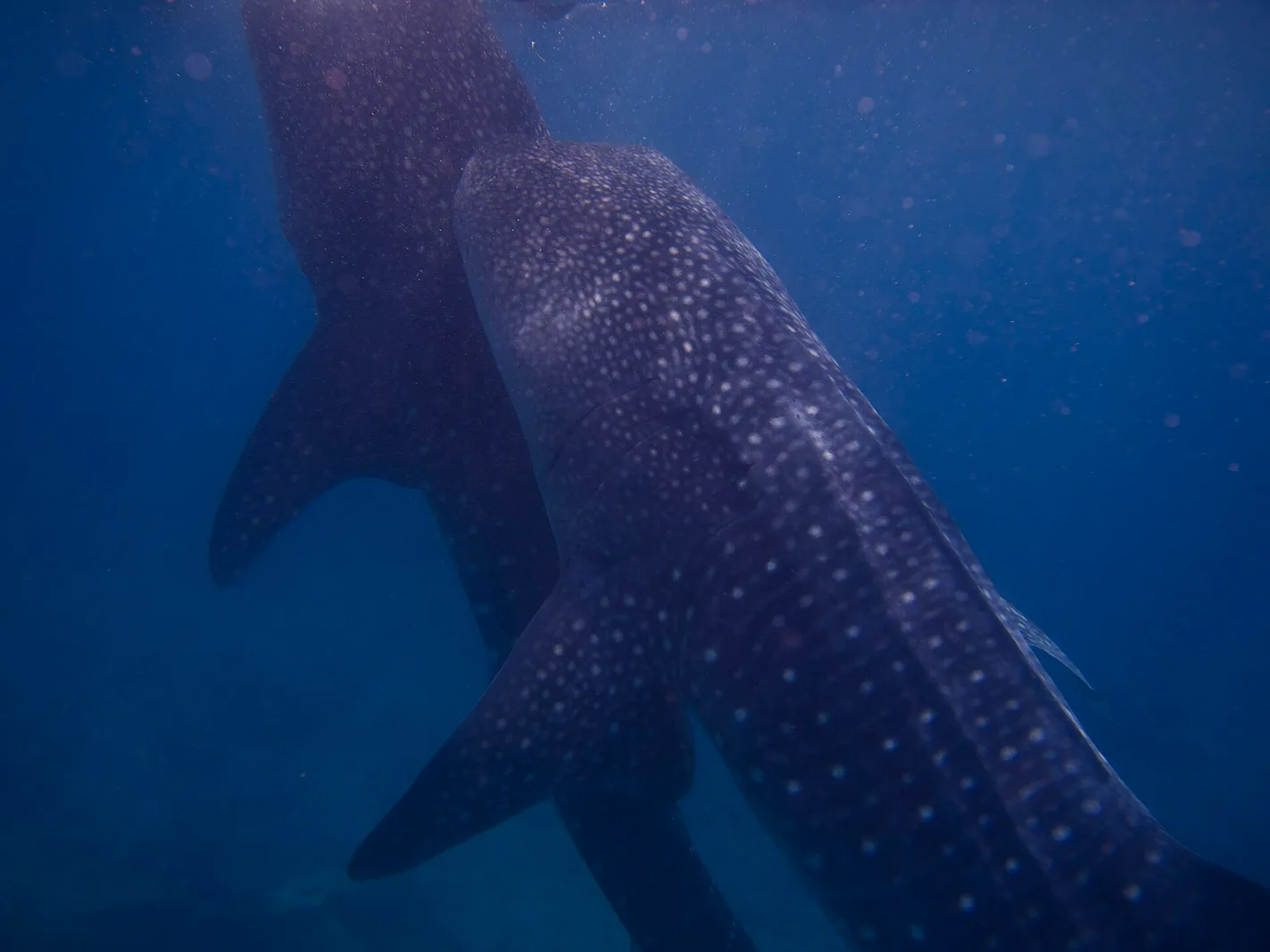
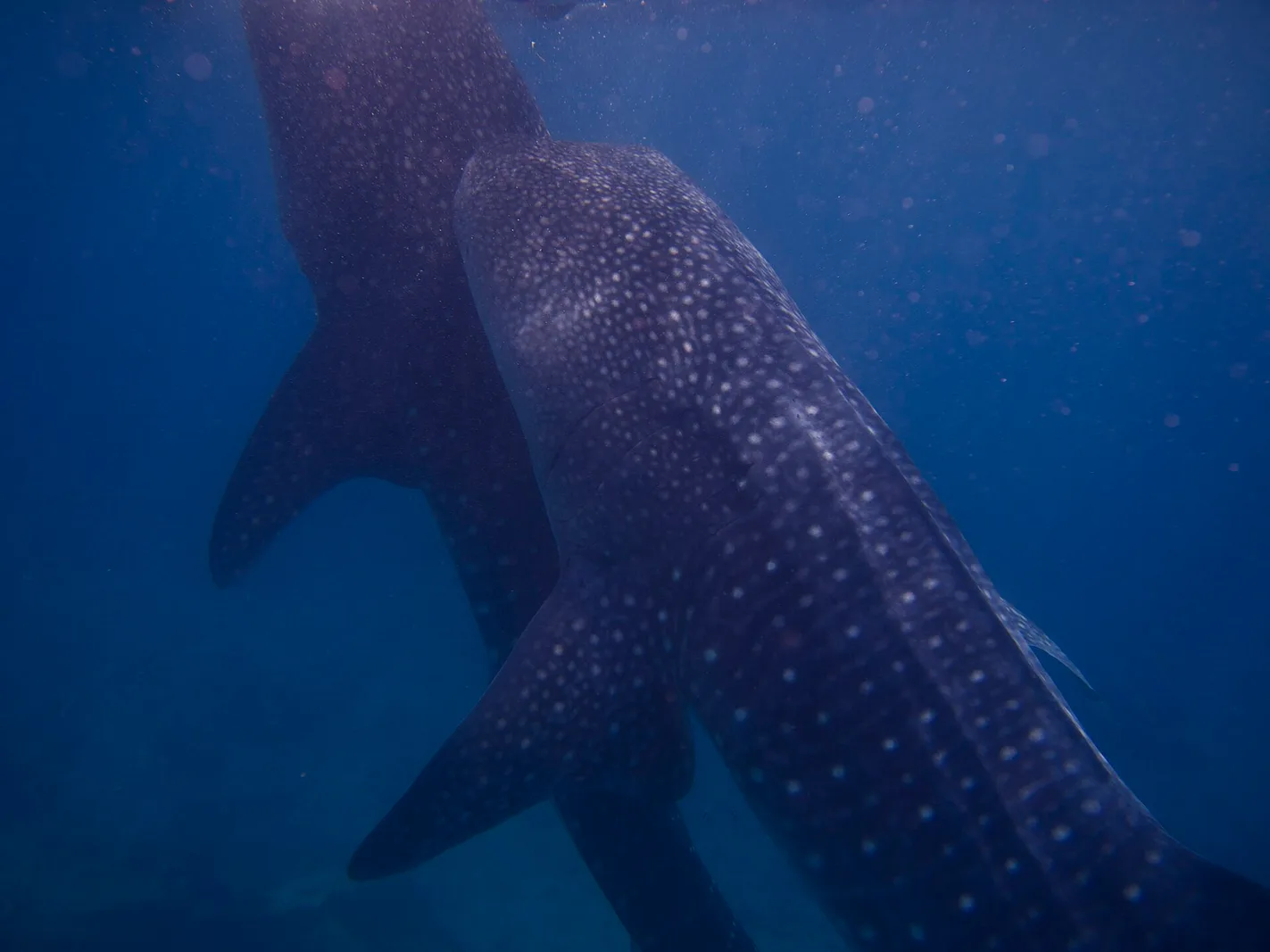
- Feeding alters the sharks' natural migratory and feeding behaviour and can make them dependent.
- Sharks congregate near boats and are at higher risk of propeller injuries; many bear scars.
- Crowds can be large, with strict no-touching rules often poorly enforced.
Prices: foreign-guest packages run roughly PHP 1,000 to 1,500 for snorkeling interaction, with diving options higher. Sessions are short (about 30 minutes).
Donsol: Wild, Ethical and Seasonal
Donsol, in Sorsogon province (Bicol region), pioneered community-based whale shark tourism in the Philippines. Here, nothing is fed. Boats with trained Butanding Interaction Officers go out to find sharks feeding naturally on plankton, and you slip into the water to swim alongside them. Because it is wild, sightings are not guaranteed - but in peak season they can be excellent, and the experience of encountering a genuinely free animal is incomparable.
- Season: the interaction season runs roughly December to May, peaking around February to April.
- Cost: boat registration and interaction fees total roughly PHP 3,500 to 5,000 split across a boat of up to six or seven people, plus a small individual registration fee - typically working out to PHP 600 to 1,200 per person depending on group size.
- Rules: strictly no touching, no flash, limited swimmers per shark - genuinely responsible practice.
How to Get There
Donsol: fly to Legazpi (LGP) in Albay, then take a van or bus about one to one-and-a-half hours to Donsol. Legazpi is also the gateway to the iconic Mayon Volcano, making a combined trip easy. Oslob: from Cebu City take a bus or van about three hours south, or visit as a (long) day trip often combined with Kawasan Falls. Check domestic flights on our flights page and compare tours on our activities page.
Our Recommendation
For a clear conscience and a genuinely wild encounter, build your trip around Donsol in season (December to May) and combine it with Mayon Volcano and the Bicol region. Accept that sightings are not guaranteed - that uncertainty is the price of a truly ethical experience. If you happen to be in Cebu and the feeding ethics do not deter you, Oslob is convenient, but go in with full awareness of the concerns. Plan where to stay near either base on our stays page.
What the Donsol Experience Is Actually Like
A Donsol trip starts with a short orientation at the visitor centre, where you are assigned to a boat with a Butanding Interaction Officer (BIO) and a spotter. The boat heads out into the plankton-rich waters where the sharks feed, and the spotter scans for the tell-tale shadow or dorsal fin. When one is found, the BIO directs your group to slip quietly into the water ahead of the shark's path - no scuba, just mask, snorkel and fins. You then swim alongside the animal as it glides past, sometimes for just seconds, sometimes for a magical minute or more. Because the sharks are wild and moving, it is more active and unpredictable than Oslob, and that effort is precisely what makes a successful encounter feel earned and special. Some boats get multiple interactions in a session; some days are quiet. That is wild-wildlife tourism.
The Science Behind the Ethics Debate
The concerns about Oslob are not vague hand-wringing; they are documented by marine researchers. Provisioning (regular feeding) has been shown to keep whale sharks resident in an area year-round when they would normally migrate, alters their natural feeding posture (they learn to feed vertically near boats), and concentrates them in a small zone of heavy boat traffic where propeller strikes are common - many Oslob sharks carry visible scars. There are also concerns that habituation to boats and humans could increase risk to the animals elsewhere. Donsol's model, developed with conservation groups, deliberately avoids all of this by never feeding and by strictly limiting boats, swimmers and contact. This is why the WWF and most responsible-travel authorities steer visitors to Donsol.
Combining Your Trip with the Bicol Region
Donsol's location is a bonus, because the surrounding Bicol region is one of the most underrated corners of the Philippines. From your Legazpi gateway you can admire the near-perfect cone of Mayon Volcano, explore the ruins of the Cagsawa church half-buried by an old eruption, try the region's famously spicy Bicol Express cuisine, and venture to the Caramoan islands further north for dramatic island-hopping. A few days built around the whale sharks easily becomes a rich week-long regional trip. Plan flights into Legazpi on our flights page and read more Bicol guides on the blog.
Tips for the Best Whale Shark Encounter
- Go in peak season (February to April in Donsol) to maximise sighting chances with wild sharks.
- Be a confident snorkeller - you enter open water and swim hard to keep pace; practise beforehand if you are rusty.
- Pick a calm morning - seas are usually flatter early, improving spotting and comfort.
- Bring an underwater camera but never use flash, and never touch or block the shark's path.
- Manage expectations - wild means no guarantees; if you have time, do a second trip to improve your odds.
Other Ethical Whale Shark Options
Donsol is the best-known ethical option, but it is not the only place to encounter whale sharks responsibly in the Philippines. Southern Leyte (around Pintuyan/Sogod Bay) offers a seasonal, unfed, community-managed interaction similar in spirit to Donsol, with far fewer visitors. Divers occasionally encounter wild whale sharks at sites like Tubbataha and around Ticao Island in season. The common thread of responsible encounters is simple: the sharks are wild and unfed, boats and swimmers are limited, and no one touches or rides the animals. If you choose any whale shark experience, choosing one built on those principles helps ensure these gentle giants are protected rather than exploited. Wherever you go, the magic of an honest, wild encounter far outweighs the convenience of a guaranteed but compromised one. Swimming beside a free-ranging whale shark, knowing it chose to be there feeding naturally rather than being lured by handouts, is a profoundly different experience - and choosing the ethical option helps ensure these gentle giants, and the communities that protect them, thrive for generations of travellers to come.
Ultimately the choice reflects what kind of traveller you want to be. A wild, unfed encounter at Donsol asks a little more effort and offers no guarantees, but it leaves both you and the sharks better off, and it is an experience you will treasure precisely because it was real.
Frequently Asked Questions
Is Donsol or Oslob more ethical for whale sharks?
Donsol is widely regarded as the ethical choice because the whale sharks are wild and unfed - you swim with free-ranging animals feeding naturally on plankton. Oslob feeds the sharks daily to guarantee sightings, which marine scientists warn alters their behaviour and increases injury risk.
When is whale shark season in Donsol?
The interaction season in Donsol runs roughly from December to May, peaking around February to April. Because the sharks are wild and unfed, sightings are not guaranteed but can be excellent in peak months.
How much does it cost to swim with whale sharks?
In Donsol, fees work out to roughly PHP 600 to 1,200 per person depending on group size (boats are shared by up to six or seven people). In Oslob, foreign-guest snorkeling packages run roughly PHP 1,000 to 1,500.
How do I get to Donsol?
Fly to Legazpi airport (LGP) in Albay, then take a van or bus about one to one-and-a-half hours to Donsol. Legazpi is also the gateway to Mayon Volcano, so the two pair well.
Are whale sharks dangerous to swim with?
No. Whale sharks are gentle filter-feeders that eat plankton and pose no threat to humans. The rules in both Donsol and Oslob prohibit touching them, both for your safety and the animals' protection.

PANA.PH Editorial Team
Philippines travel desk
The PANA.PH travel desk researches, books and re-checks Philippines travel logistics — fares, ferry schedules, government fees and permit rules — and publishes what it can verify.
🏡 Real local stays (book direct)
Hand-picked homestays and guesthouses — book direct, no markup.
Browse all local stays →
🌊 Popular activities (book instantly)
Island hopping, canyoneering, whale sharks — real Klook/GetYourGuide options.
View all activities →