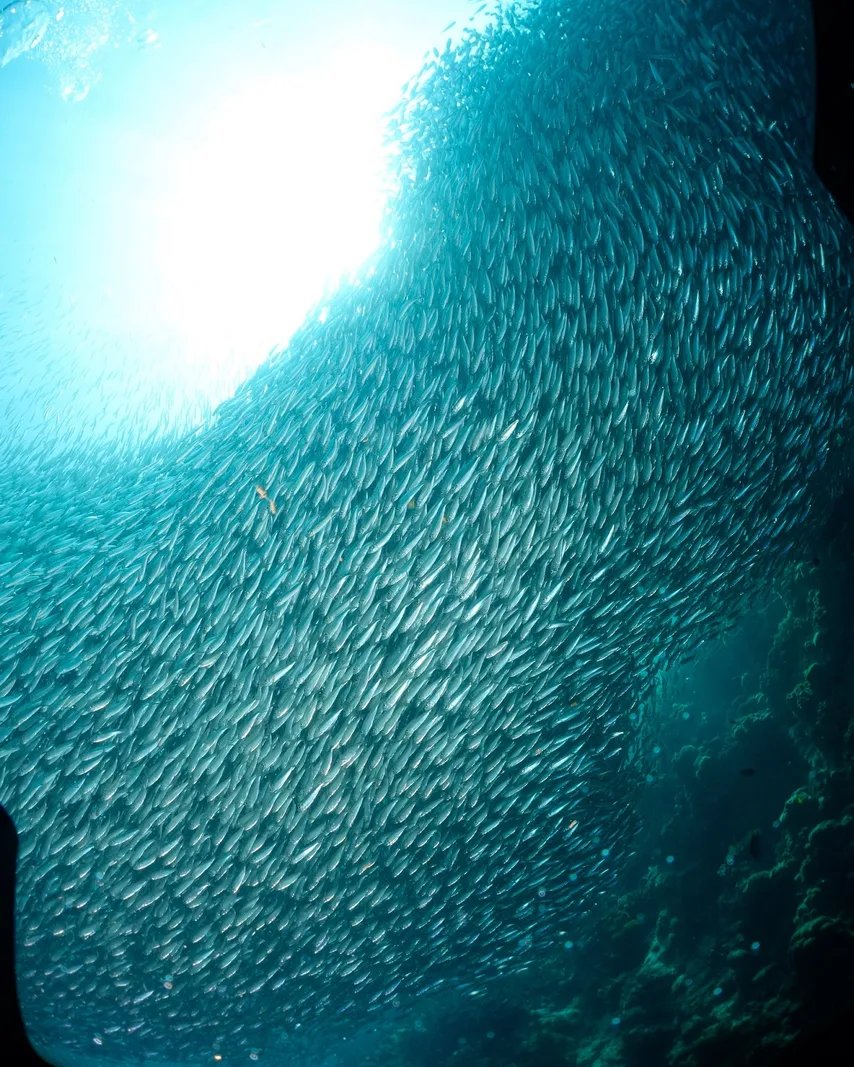
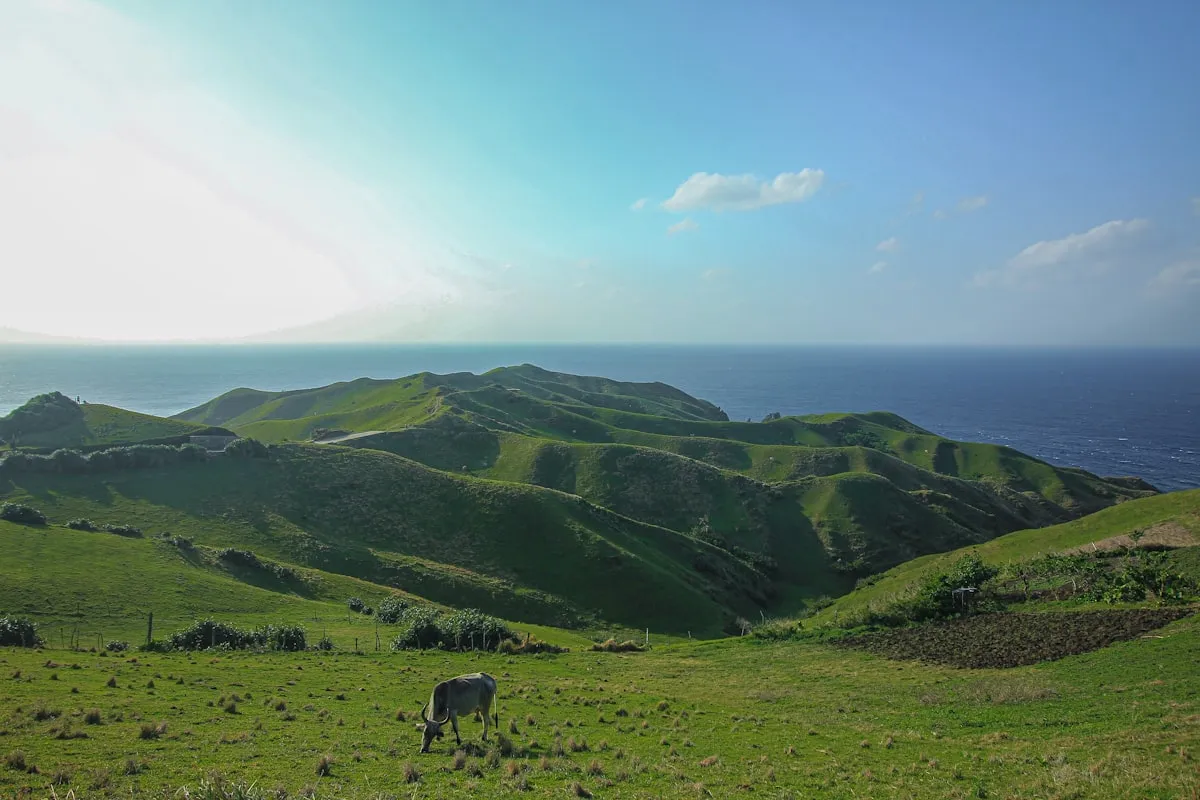
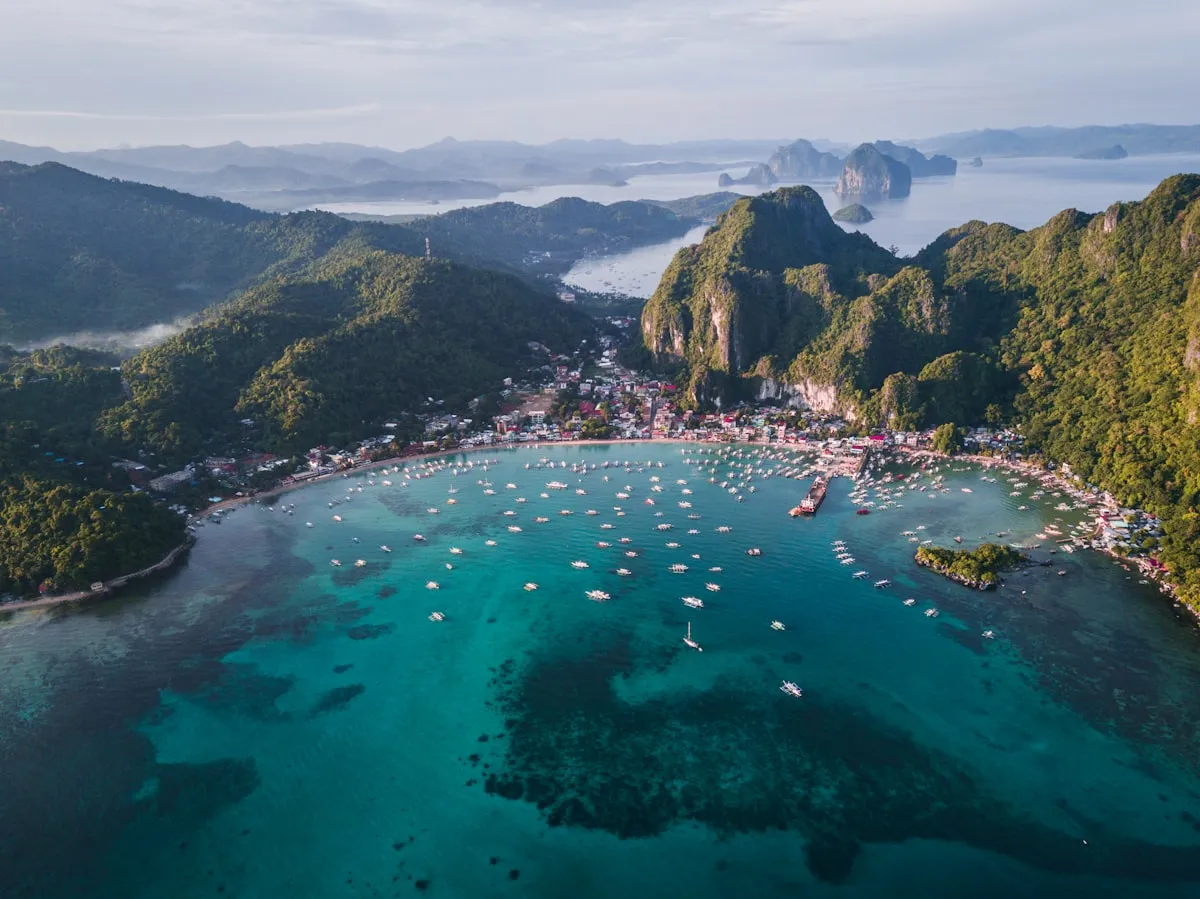
If you have seen photos of Coron's lagoons and longed to experience them without a flotilla of tour boats, the Dinagat Islands are your answer. This little-known province sits just north of Siargao in the Caraga region of Mindanao, and it hides a coastline of glassy lagoons, blinding-white sandbars, mushroom-shaped rock islets and forested mountains that almost no foreign traveler has reached yet. It is, quite simply, one of the last truly untouched destinations in the Philippines - and 2026 is the window to see it before it goes viral. Here is everything you need to plan the trip.
Dinagat Islands: The Philippines' Untouched Secret (2026 Guide)
Beaches & island hopping#Dinagat Islands#Dinagat Islands itinerary#how to get to Dinagat#Caraga travel#underrated Philippines
Trip.com
Search on Trip.comHotels in Philippines
Compare live prices via Travelpayouts — targeted for this guide.
Why Visit the Dinagat Islands?
Dinagat is often described as Coron without the queues. You get the same surreal limestone-and-turquoise scenery, but instead of sharing it with hundreds of boats you may have an entire lagoon to yourself. The province is wild and raw - infrastructure is basic, English is less common, and there are no big resorts - which is exactly why it rewards travelers craving genuine discovery. It also pairs beautifully with nearby Siargao and Surigao for a multi-island Caraga adventure.
How to Get to the Dinagat Islands
Getting to Dinagat takes a little effort, which is part of why it stays so quiet:
- Fly to Surigao City (SUG) from Manila or Cebu - the closest airport. Compare fares on our flights page.
- Take a ferry from Surigao to San Jose, the capital of Dinagat - fast craft take about 1 hour, slower RORO boats around 1.5 to 2 hours, with several departures daily.
- From San Jose, hire a habal-habal (motorcycle taxi), tricycle or a private boat to reach the islands and beaches.
Because you are already near Siargao, many travelers combine the two: fly into Siargao or Surigao, see Dinagat, then surf and island-hop in Siargao. Our Siargao guide covers the perfect pairing.
Trip.com
See all tours in Philippines on Trip.comTours & activities in Philippines
Hand-picked experiences in Philippines — book on Trip.com with instant confirmation.
Top Things to Do in Dinagat
Island and Lagoon Hopping
The headline experience. Charter a boat from San Jose or Libjo to explore the province's enchanted lagoons, hidden coves and offshore islets. Highlights include the Bababu Lagoon (a hidden saltwater lagoon reached through a cave passage), the photogenic islets around Hagakhak, and pristine snorkeling reefs with barely another soul in sight.
Sandbars and Beaches
Dinagat is studded with blindingly white sandbars that appear at low tide - perfect for a castaway picnic. Pangabangan Island and the beaches around Loreto and Cagdianao are local favorites.
Mountains and Mystic Sites
Inland, the islands rise into rainforested peaks. The province has a unique spiritual history, and you will spot the striking architecture of the local PBMA community, including the famous mansion and the mountain shrines around San Jose.
A Suggested 3-Day Dinagat Itinerary
- Day 1: Fly to Surigao, ferry to San Jose, settle in, explore the town and nearby viewpoints.
- Day 2: Full-day private boat island-hopping tour - Bababu Lagoon, sandbars, snorkeling, secluded beaches.
- Day 3: Inland exploration or a second beach day, then ferry back to Surigao (or continue to Siargao).
To slot Dinagat into a larger trip with live ferry and flight prices, use our trip planner.
Where to Stay and Practical Tips
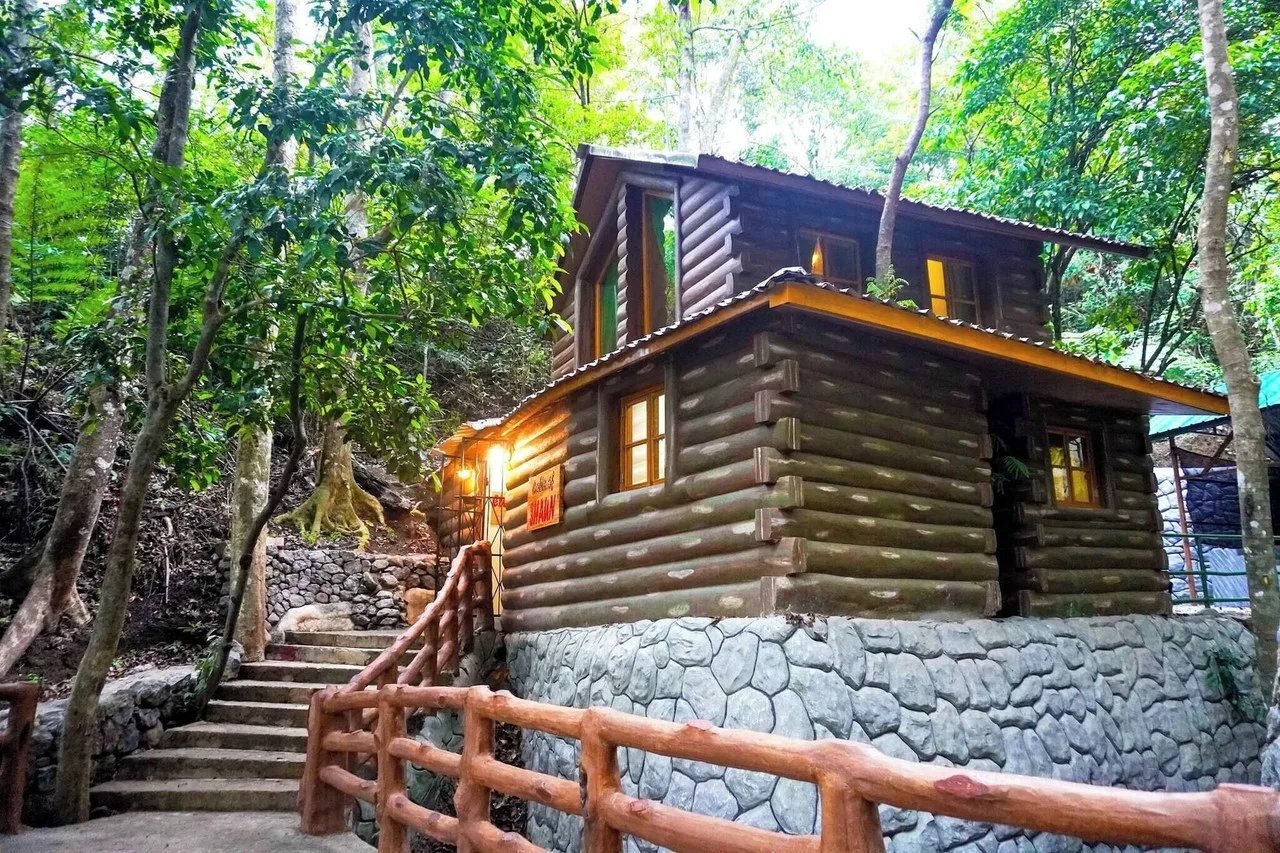
Accommodation is simple - expect local guesthouses, homestays and a few small inns in San Jose, mostly PHP 800 to 2,000 a night. Browse available local stays on our stays page. A few essentials:
- Bring cash. ATMs are scarce and unreliable; most things are cash-only.
- Go in the dry season (roughly March to early June) for the calmest seas and best island-hopping.
- Charter boats in advance through your guesthouse - tour operators are limited.
- Pack reef-safe sunscreen, a dry bag and basic supplies - shops are small.
Once your boat is sorted, you can also browse organized tours and transfers on our activities page.
Best Time to Visit and What to Pack
Dinagat sits in a region that gets rain on the eastern side for much of the year, so timing matters more than for the western Philippines. The sweet spot is the dry window of March to early June, when seas flatten out, visibility for snorkeling peaks, and lagoon-hopping is at its best. The months from late November through January can bring strong northeast winds and choppy crossings, so build flexibility into your dates. Pack light but smart: reef-safe sunscreen, a rash guard for sun and coral, water shoes for rocky cave entries, a dry bag for your phone and cash, a power bank (electricity can be intermittent), and basic medicine since pharmacies are small. A snorkel and mask of your own is worth bringing as rental gear can be limited.
Combining Dinagat with the Wider Caraga Region
One of Dinagat's biggest advantages is its position in the underrated Caraga region of northeast Mindanao, a cluster of destinations that almost no foreign itinerary covers. From Surigao you can stitch together a memorable multi-stop adventure: surf and lagoon-hop in Siargao, marvel at the untouched scenery of Dinagat, and detour to the photogenic Tinuy-an Falls in Surigao del Sur, often called the Niagara of the Philippines. A classic loop runs Surigao to Dinagat to Siargao, letting you sample three very different sides of the region in a single trip. Because flights into Surigao and Siargao both connect through Cebu and Manila, the routing is more straightforward than it first appears - and you will likely have these places largely to yourself.
Frequently Asked Questions
How do you get to the Dinagat Islands?
Fly to Surigao City (SUG) from Manila or Cebu, then take a ferry from Surigao port to San Jose, the capital of Dinagat. Fast ferries take about 1 hour and slower RORO boats around 1.5 to 2 hours, with several daily departures. From San Jose you use habal-habal, tricycles or private boats to reach the beaches and lagoons.
Are the Dinagat Islands worth visiting?
Yes, if you want Coron-style lagoons and pristine sandbars almost entirely to yourself. Dinagat is one of the least-developed and least-touristed destinations in the Philippines, ideal for adventurous travelers who value raw, untouched scenery over resorts and nightlife.
When is the best time to visit Dinagat?
The dry season from about March to early June offers the calmest seas and best conditions for island hopping. Avoid the peak typhoon and rainy months (roughly November to January) when sea crossings can be rough or cancelled.
Can I combine Dinagat with Siargao?
Absolutely. Dinagat sits just north of Siargao in the same Caraga region, so many travelers pair the two - surfing and island hopping in Siargao plus untouched lagoons in Dinagat. You can route through Surigao, which connects to both.
Is there much tourist infrastructure in Dinagat?
No, and that is its charm. Expect simple guesthouses and homestays rather than resorts, limited tour operators, scarce ATMs and basic shops. Bring cash, arrange boats through your accommodation, and travel with a sense of adventure.

PANA.PH Editorial Team
Philippines travel desk
The PANA.PH travel desk researches, books and re-checks Philippines travel logistics — fares, ferry schedules, government fees and permit rules — and publishes what it can verify.
🏡 Real local stays (book direct)
Hand-picked homestays and guesthouses — book direct, no markup.
Browse all local stays →
🌊 Popular activities (book instantly)
Island hopping, canyoneering, whale sharks — real Klook/GetYourGuide options.
View all activities →