The Philippines has been attracting budget-conscious travellers, digital nomads, and retirees for decades -- and the core appeal has not changed: your dollar (or euro, or pound) goes dramatically further here than almost anywhere else in Southeast Asia with English as an official language and a Western-familiar culture. But "cheap" is not monolithic. Manila's BGC district will humble your budget. A provincial town in Negros Oriental can make that same budget feel like luxury. Let's break it down with real 2026 numbers.
Cost of Living in the Philippines 2026: What $1,000/Month Gets You
Trip.com
Search on Trip.comHotels in Philippines
Compare live prices via Travelpayouts — targeted for this guide.
Exchange rate context: in 2026, USD 1 buys approximately PHP 56-58. We will use PHP 57 as the working rate throughout this guide.
Three Budget Lifestyles: What Each Costs
Budget Local: PHP 30,000-40,000/month (USD 525-700)
This is how a young Filipino professional or budget-conscious foreigner lives. You are not cutting corners on safety or health -- you are simply living the way most Filipinos do.
- Housing: Room in a shared house or basic studio, PHP 5,000-8,000/month
- Food: Majority local -- turo-turo (point-point canteen) meals PHP 80-150, occasional SM Food Court, cook at home with wet market produce
- Transport: Jeepney (PHP 9-13 per ride), UV Express, e-tricycle, occasional Grab
- Utilities: Shared or minimal, PHP 1,500-3,000
- Internet: Mobile data or shared WiFi, PHP 500-1,000
- Entertainment: Netflix (PHP 459/month), local social life, weekend trips by bus
This lifestyle is entirely sustainable and comfortable by local standards. Many foreign freelancers and young nomads live very happily at this budget outside Manila.
Trip.com
See all tours in Philippines on Trip.comTours & activities in Philippines
Hand-picked experiences in Philippines — book on Trip.com with instant confirmation.


Comfortable Expat: PHP 55,000-85,000/month (USD 965-1,490)
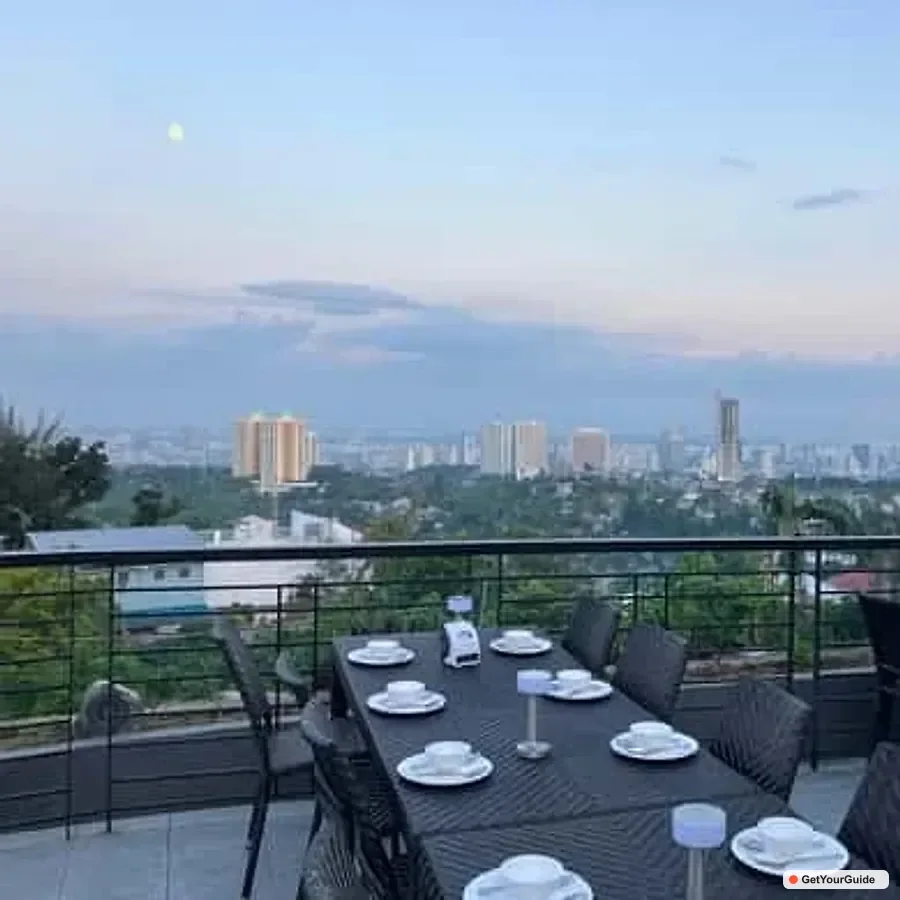
This is the most common target budget for foreign residents who want a mix of local and Western conveniences without feeling like they are roughing it.
- Housing: Private 1BR apartment with air conditioning in a decent building, PHP 12,000-22,000/month (city-dependent)
- Food: Mix of cooking at home with SM Supermarket groceries, eating out at local-Western restaurants 4-5x/week, occasional mall food
- Transport: Grab for most trips, PHP 4,000-7,000/month
- Utilities: Air conditioning is the budget killer -- see below. PHP 4,000-7,000/month
- Internet: Fiber 1Gbps home connection, PHP 1,599-1,899/month
- Healthcare: Private clinic visits + medications, PHP 3,000-5,000/month average
- Entertainment and social: Bars, restaurants, weekend trips, streaming, PHP 8,000-15,000
At this budget you are living very well in Dumaguete or Davao. In Cebu City you are comfortable. In Manila BGC you are on the modest end.
Western Standard: PHP 115,000-170,000/month (USD 2,000-3,000)
This is the budget for expats who want imported food, a modern condominium, regular restaurant dining, and frequent domestic travel.
- Housing: Modern condo in a prime building, PHP 25,000-50,000/month
- Food: Imported cheeses, wines, meats from S&R or Landers, eating out at upscale restaurants regularly
- Transport: Own car or driver, PHP 15,000-25,000/month including fuel and parking
- Utilities: Heavy A/C use, PHP 8,000-15,000/month
- Entertainment: Golf, diving trips, resort weekends, PHP 20,000-40,000/month
City-by-City Cost Comparison
Manila / BGC (Bonifacio Global City) -- Most Expensive
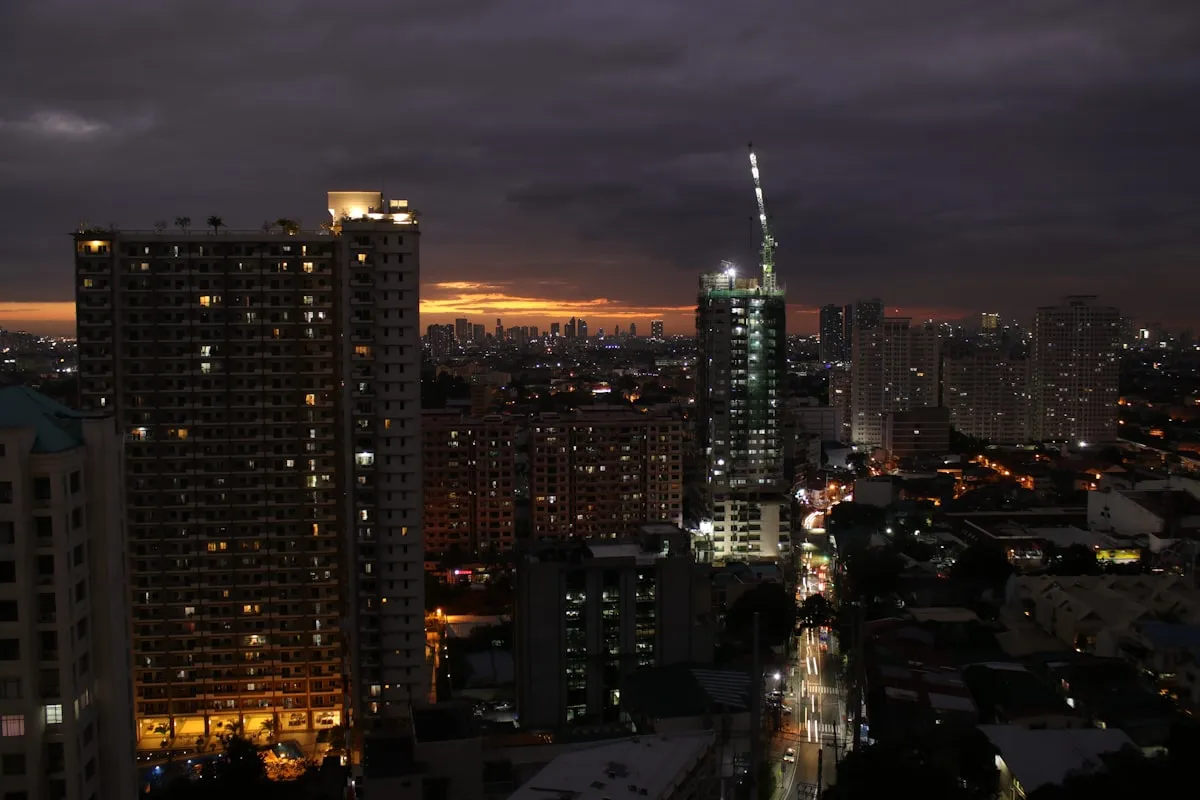
BGC is the Philippines' financial district and benchmark for premium living. A 1BR condo in a modern BGC building runs PHP 25,000-50,000/month. A co-working desk at a good space (Regus, KMC) costs PHP 12,000-20,000/month. A nice dinner for two at a BGC restaurant is PHP 2,500-5,000. BGC is genuinely world-class in terms of infrastructure -- walkable, clean, reliable power -- and it costs accordingly. Budget USD 2,500-4,000/month for a comfortable expat life here.
Other Manila areas (Makati, Poblacion, QC) are 20-40% cheaper than BGC for apartments while still offering good access to the city.
Cebu City -- 20-30% Cheaper Than Manila
A 1BR apartment in a good Cebu City building (IT Park, Lahug, Banilad) runs PHP 10,000-18,000/month. IT Park is a self-contained hub popular with BPO workers and digital nomads -- reliable power, fiber internet everywhere, 24-hour restaurants. Eating out is noticeably cheaper than BGC: a good local-Western restaurant meal is PHP 350-800/person. Total comfortable expat budget: USD 1,200-1,800/month.
Davao City -- Mid-Range, Excellent Value
Davao offers Cebu-level infrastructure at slightly lower prices. A good 1BR apartment runs PHP 10,000-16,000/month. The city is compact and Grab is efficient -- you rarely need a car. Davao's wet market is abundant and cheap: fresh tuna and seafood at PHP 120-200/kg. Total comfortable expat budget: USD 1,000-1,500/month.
Dumaguete -- Cheapest with Full Expat Infrastructure
Dumaguete is where your budget stretches most without sacrificing basics. A well-located 1BR apartment runs PHP 5,000-12,000/month. A full meal at a restaurant on Rizal Boulevard is PHP 200-400. Sans Rival Cakes and Pastries -- the city's most famous cafe -- charges PHP 80-150 for coffee. SM City and a reliable BDO ATM are present. The fiber internet from Converge or PLDT Home is available and reliable. Total comfortable expat budget: USD 750-1,100/month. You can live very comfortably in Dumaguete for what most Western cities charge for a parking space.
Key Cost Drivers: What Will Surprise You
Electricity: The Philippines Is Expensive for Power
Philippine electricity rates are among the highest in Southeast Asia -- PHP 10-12 per kWh in Manila, PHP 9-11 in the Visayas. This is largely due to fuel-fired generation and transmission losses. Running air conditioning 8-10 hours per day in a 1BR apartment adds PHP 3,000-6,000 to your monthly bill. In practice: budget PHP 4,000-8,000/month for electricity if you use A/C regularly. Water, by contrast, is cheap -- PHP 500-1,200/month for a single person.
Groceries: Wet Market vs. SM Supermarket
The wet market (palengke) is where Filipinos buy most of their fresh produce, meat, and fish -- and prices are 40-60% lower than SM or Robinsons supermarket. A kilo of fresh tomatoes at the market: PHP 40-60. At SM: PHP 80-120. Fresh milkfish (bangus): PHP 120-160/kg at market, PHP 200-280/kg at SM. Imported goods -- cheese, European wines, cereals -- are available at SM, S&R (Costco-affiliated), and Landers but are priced at near-import equivalents. If you cook mostly Filipino food with market ingredients, you eat well for PHP 4,000-6,000/month. If you insist on imported European staples, budget PHP 12,000-18,000/month for groceries alone.
Healthcare: Exceptional Value
Private clinic consultation with a general practitioner: PHP 500-1,500. Specialist consultation (cardiologist, orthopedic): PHP 1,500-3,000. Complete blood panel at a private lab: PHP 800-1,500. A room in a private hospital (non-ICU): PHP 3,000-8,000/night. These prices are 70-85% lower than US equivalents. Dental care is similarly affordable: cleaning PHP 400-800, tooth extraction PHP 500-1,500, crown PHP 5,000-12,000.
Internet: Reliable Fiber Now Available
The fiber internet situation in the Philippines has improved dramatically since 2022. PLDT Home Fiber and Converge ICT both offer 1 Gbps plans for PHP 1,500-3,000/month in most urban and semi-urban areas. Globe At Home also competes. Outside fiber-served areas, mobile data via Globe or Smart postpaid plans (PHP 999-1,999/month for 50-100GB) fills the gap adequately for most nomad work. Video calls, streaming, and cloud work are all viable at 2026 connection speeds in major cities.
Hidden Costs to Budget For
- Visa extensions / SRRV annual fee: PHP 360/year for SRRV holders, or PHP 3,030 per tourist extension at BI for non-SRRV residents
- Annual travel insurance: USD 300-600 for comprehensive international coverage
- Home country tax obligations: Many retirees retain tax residency at home -- factor in accountant fees (USD 200-500/year) and any tax liabilities
- Balikbayan box shipping (if sending items from home): USD 150-400 per box depending on origin
- Domestic flights: Manila to Dumaguete or Davao runs PHP 1,500-5,000 round-trip if booked early. Budget PHP 5,000-15,000/month if you travel often
Frequently Asked Questions
Can I live in the Philippines on USD 500 per month?
Yes -- but it requires living as locals do. A PHP 5,000-6,000 room in a shared house, eating mostly at turo-turo canteens (PHP 80-150 per meal), using jeepneys and tricycles, and foregoing air conditioning keeps total spend under PHP 28,000 (USD 490) per month in provincial cities. This is tight but completely sustainable for people who genuinely adapt to local life rather than replicating Western habits. Many young digital nomads live at this budget while earning USD 1,000-2,000/month remotely and banking the difference.
Is the Philippines cheaper than Thailand for expats?
The two countries are very close in overall cost, with the Philippines edging out Thailand for English-speaking expats due to language advantages reducing friction (no translation fees, no language school costs). Food costs are similar -- both have cheap street food and expensive imported goods. Rent in Chiang Mai and Dumaguete is comparable. Bangkok's popular expat areas cost slightly more than equivalent Cebu or Makati spots. Thailand has cheaper public transport in Bangkok (BTS/MRT vs. Manila's jeepney/Grab reality). The Philippines wins on healthcare cost clarity (prices are listed, English-language receipts are standard) and on beach access from most cities.
Are ATM withdrawals and banking easy for foreigners?
Major international cards (Visa, Mastercard) work at BDO, BPI, Metrobank, and Security Bank ATMs reliably. Withdrawal limits per transaction are typically PHP 10,000-20,000. International withdrawal fees run PHP 200-250 per transaction on top of your home bank's foreign transaction fee. Wise (formerly TransferWise) is widely used by expats for receiving salary or pension in foreign currency and converting at mid-market rates -- the most cost-effective method. Opening a local Philippine bank account as a foreigner requires your passport plus proof of local address and is straightforward at BDO or BPI.
How much does domestic help cost?
Live-in household helpers (called "kasambahay" or "yayas") are common in the Philippines and affordable. The legal minimum wage for household workers varies by region but ranges from PHP 3,500-6,500/month plus meals and accommodation. Most middle-class Filipino households employ at least one helper. For foreign retirees, a live-in helper who cooks, cleans, and runs errands significantly improves quality of life and is affordable at PHP 5,000-8,000/month (including legally required 13th month pay and SSS/PhilHealth contributions). This is a major lifestyle factor that distinguishes retirement in the Philippines from retirement in most Western countries.
What is the cheapest Philippine city for expats with good infrastructure?
Dumaguete consistently wins this comparison. It offers lower rents and food costs than Cebu, Davao, or Manila while having reliable fiber internet, a decent private hospital, an SM City for shopping, regular flights to Cebu (from which you can connect anywhere), and an established expat community that makes settling in easier. Tagbilaran City in Bohol is a close second -- similarly affordable with the added bonus of proximity to Bohol's natural attractions. For those who want beach-town living at minimal cost, Siquijor (near Dumaguete, reached by 1-hour ferry) is even cheaper -- but services are minimal and internet is less reliable.
Book tours, hotels & stays in Cost Of Living Philippines 2026 Complete Guide
Top tours
- Boracay UFO Ride Water Adventure — PHP 858 · 5★
- California Breeze Campsite — PHP 891 · 5★
- Caliah Homes — PHP 1065 · 5★
- Home in Pagadian City near airport — PHP 1267 · 5★
- Dreamwave Hotel Polangui — PHP 1423 · 5★
- Manila All-Access Bar Crawl, Club and Rooftop Tour — PHP 1511 · 5★
Top hotels
- Ocam Ocam Casadyan Inn — PHP 715/night · 5★
- California Breeze Campsite — PHP 891/night · 5★
- Caliah Homes — PHP 1064/night · 5★
- Cabrera Haven Residences — PHP 1230/night · 5★
- Home in Pagadian City near airport — PHP 1267/night · 5★
Top stays
- California Breeze Campsite — PHP 891/night · 5★
- Caliah Homes — PHP 1065/night · 5★
- Home in Pagadian City near airport — PHP 1267/night · 5★
- Fnt Transient House Near Hundred Islands — PHP 1322/night · 5★
Sources
Primary references for the figures and rules in this guide. Fees and schedules change — check the source before you travel.

PANA.PH Editorial Team
Philippines travel desk
The PANA.PH travel desk researches, books and re-checks Philippines travel logistics — fares, ferry schedules, government fees and permit rules — and publishes what it can verify.
🏡 Real local stays (book direct)
Hand-picked homestays and guesthouses — book direct, no markup.
Browse all local stays →
🌊 Popular activities (book instantly)
Island hopping, canyoneering, whale sharks — real Klook/GetYourGuide options.
View all activities →