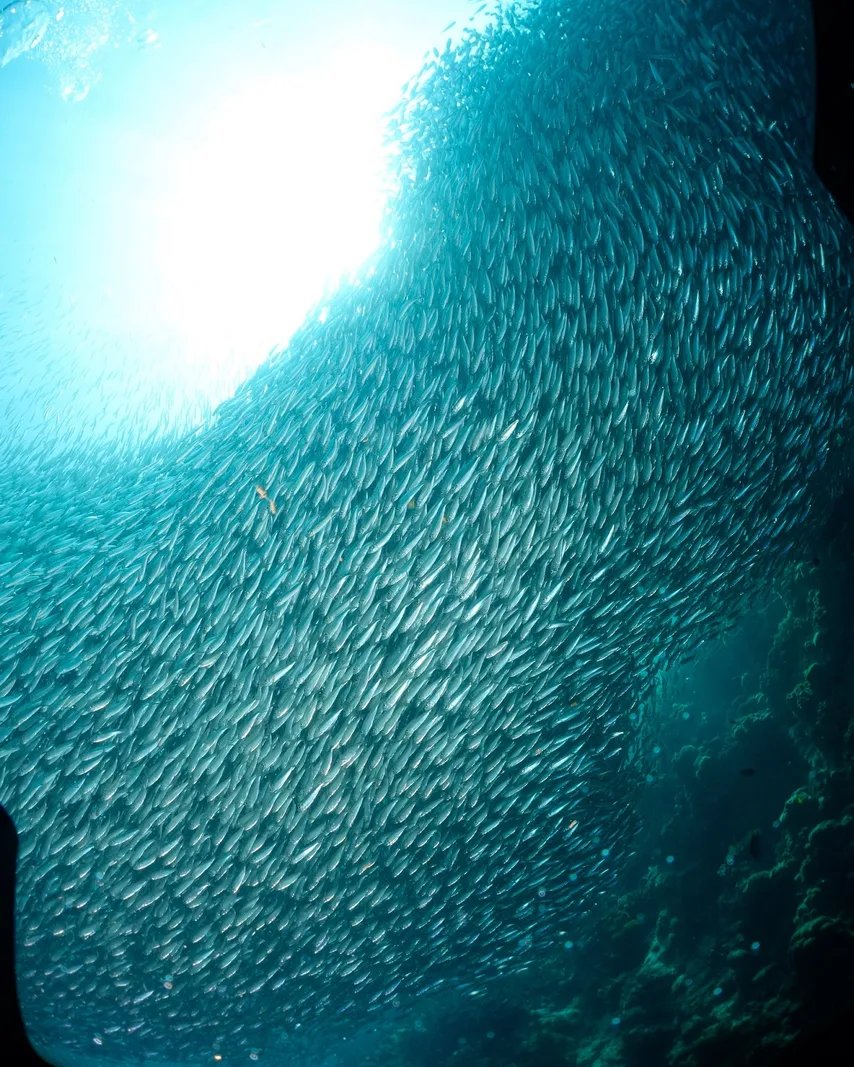
On 24 September 1944, US carrier aircraft caught a Japanese supply fleet sheltering in the waters around Coron and sank it. Eighty years later, those ships still rest on the seabed - and they have become one of the finest wreck-diving destinations in the world. What makes Coron special is that many of these large vessels sit at recreational depths, between roughly 10 and 40 metres, draped in coral and patrolled by schools of fish. You can swim through cargo holds, glide along encrusted decks, and explore engine rooms on a single tank of air. This guide covers the best wrecks, the experience level you need, real 2026 prices, and how to get to Coron.
Coron Wreck Diving: WWII Japanese Shipwrecks Guide
Destinations#Coron wreck diving#WWII shipwrecks#Palawan diving#Coron diving#wreck diving Philippines
Trip.com
Search on Trip.comHotels in Philippines
Compare live prices via Travelpayouts — targeted for this guide.
The Best Wrecks in Coron
There are around a dozen documented wrecks in Coron Bay. These are the most popular:
- Irako - a refrigeration ship and many divers' favourite; intact, atmospheric and deeper (around 28 to 42 metres), with big groupers and tuna. Advanced level.
- Okikawa Maru - a large oil tanker, the biggest accessible wreck, with easy penetration and excellent coral growth; suits a range of levels.
- Akitsushima - a seaplane tender with anti-aircraft guns and a collapsed crane still visible; depth around 20 to 38 metres.
- Kogyo Maru - a freighter still loaded with construction cargo, even a cement mixer and tractor; great penetration.
- Olympia Maru and Morazan Maru - shallower, beginner-friendly wrecks with lots of light and easy swim-throughs.
- Skeleton Wreck - shallow enough (around 5 to 22 metres) to be enjoyed even by snorkelers and Open Water divers.
What Else to Dive: Barracuda Lake
Coron's other signature dive is Barracuda Lake, a surreal landlocked lake reached by a short climb over limestone karst. It is famous for dramatic thermoclines - swim through layers where the water suddenly jumps from cool to a bathwater 38 degrees Celsius - and an eerie, cathedral-like underwater landscape. It is one of the most unusual dives anywhere.
Do You Need to Be an Advanced Diver?
Not necessarily. Several wrecks (Skeleton, Olympia Maru, Morazan Maru, the shallower parts of Okikawa) are accessible to Open Water divers. The deeper, more atmospheric wrecks like Irako and Akitsushima sit beyond 30 metres and require Advanced Open Water. For true inside-the-wreck penetration, a wreck diving specialty is recommended. Coron is an excellent place to take that specialty or your Advanced course, with calm, sheltered water.
Trip.com
See all tours in Philippines on Trip.comDiving in Philippines
Hand-picked experiences in Philippines — book on Trip.com with instant confirmation.
Prices in 2026
- Two-wreck day trip (2 dives): roughly PHP 3,500 to 5,500 including tanks, weights, guide and boat.
- Three-dive day: around PHP 5,000 to 7,500.
- Barracuda Lake dive: usually included in a multi-dive package; standalone around PHP 1,800 to 2,500.
- Advanced Open Water course: approximately PHP 18,000 to 25,000.
- Wreck specialty / Nitrox: PHP 12,000 to 18,000; nitrox fills are recommended for repetitive deep profiles.
Compare dive operators on our activities page.
How to Get to Coron
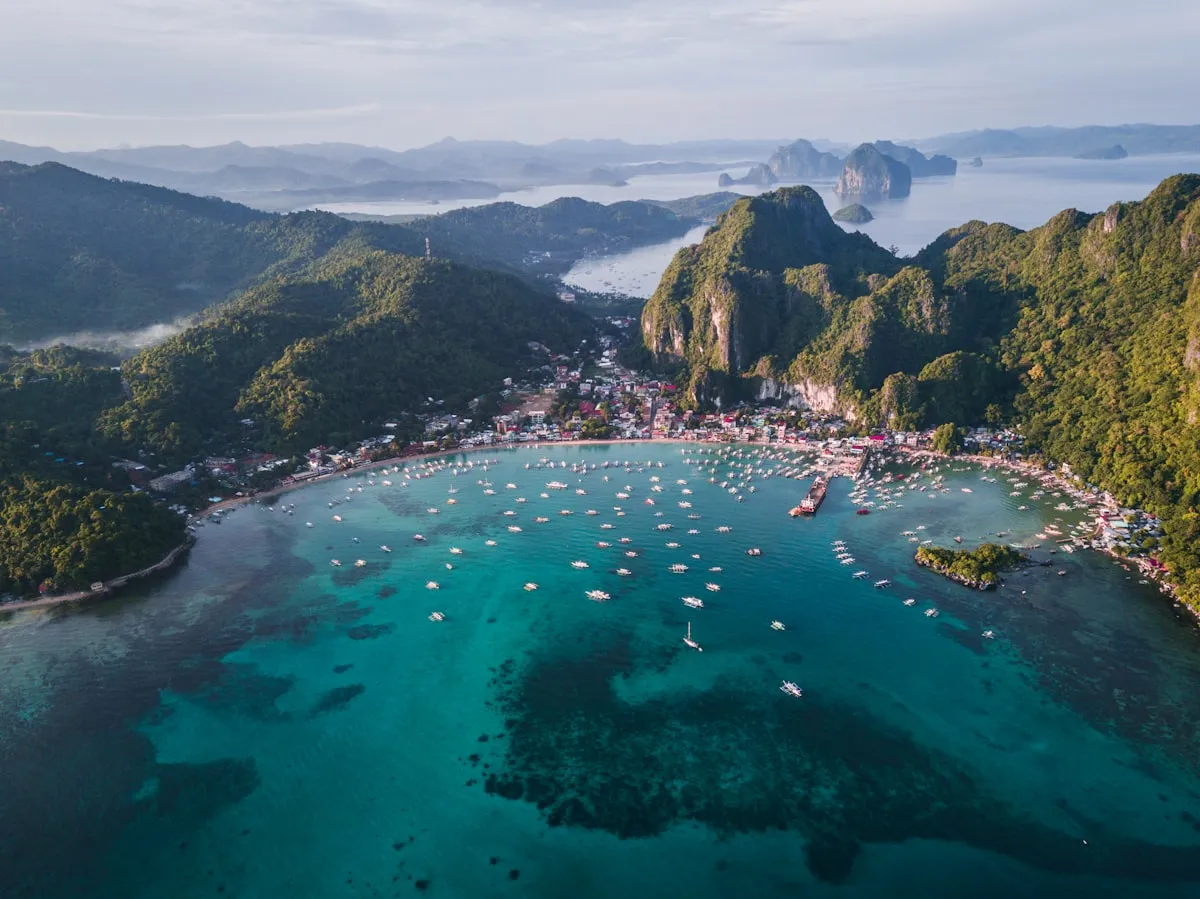
Coron town sits on Busuanga Island in northern Palawan. The fastest way in is to fly to Busuanga (USU) from Manila or Cebu (roughly one to one-and-a-half hours), then take a 30 to 45 minute van transfer to Coron town for around PHP 150 to 300. Alternatively, ferries connect Coron with El Nido (about 3.5 to 5 hours) and Manila (a long overnight crossing). Lock in flights early on our flights page, especially in the December to May peak.
Where to Stay
Most divers base in Coron town, which is compact, walkable, and full of dive shops, restaurants and budget-to-mid accommodation. The dive boats leave from the town pier each morning. Browse options on our stays page. Beyond diving, save a day for Coron's famous island-hopping - Kayangan Lake, Twin Lagoon and Barracuda Lake - which is some of the most beautiful scenery in the country.
Best Time to Dive Coron
Coron is diveable year-round, but the dry season from roughly late November to May delivers the calmest seas, best visibility and most reliable boat schedules - the prime window. Visibility on the wrecks typically runs 10 to 25 metres and is generally better in the dry months; the rainy season can stir up the bay and reduce clarity, though the sheltered nature of Coron Bay means diving rarely stops entirely. Water temperature stays a comfortable 27 to 30 degrees Celsius all year, so a 3mm wetsuit is plenty. The peak tourist months of December to April mean booking dives and accommodation ahead is wise.
Wreck Diving Skills and Safety
Wreck diving rewards good fundamentals. The key skills are precise buoyancy control (so you do not crash into the structure or stir up silt that ruins visibility) and situational awareness inside overhead environments. Even on "swim-through" penetrations, you are in an overhead space where you cannot ascend directly to the surface, so light discipline, a guideline awareness and not going beyond your training matter. A guided dive with a knowledgeable local divemaster is the norm and strongly recommended - they know the entry and exit points, the silt traps and the best photo angles. Carry a primary and backup torch, an SMB, and dive nitrox where available to extend your bottom time safely on the deeper wrecks. Never penetrate beyond the light zone without proper wreck-penetration training and equipment.
A Suggested Coron Dive Itinerary
Four to five days lets you experience Coron properly. Days one and two: two-wreck day trips covering the shallower wrecks (Olympia Maru, Morazan Maru, Skeleton) to build comfort, then the larger Okikawa Maru. Day three: the deeper, more atmospheric Irako and Akitsushima for advanced divers, plus Barracuda Lake for its surreal thermoclines. Day four: a non-diving island-hopping day to Kayangan Lake and Twin Lagoon - some of the most photographed scenery in the Philippines - to off-gas before flying. If you are taking an Advanced or wreck specialty course, add a day. Remember the no-fly rule: leave at least 18 to 24 hours between your last dive and your flight out.
Coron Beyond the Wrecks
Even committed wreck divers should save time for Coron's topside spectacle. Kayangan Lake, reached by a short climb over a viewpoint that graces a thousand postcards, is ringed by jagged karst and is astonishingly clear. Twin Lagoon mixes warm seawater and cool freshwater in a hidden inner pool. Maquinit Hot Springs is a saltwater thermal pool perfect for soothing post-dive muscles. The town itself has a laid-back charm, fresh seafood, and a famous viewpoint hike up Mount Tapyas (700-plus steps) for sunset. Browse island-hopping and dive packages on our activities page and where to stay on our stays page.
The History Beneath the Surface
Part of what makes Coron diving so moving is the history you are swimming through. In September 1944, as part of the Pacific campaign, US carrier aircraft launched a long-range strike on a Japanese fleet that had taken shelter in the relatively remote waters around Coron and Busuanga. Within hours, more than a dozen supply ships, tankers and support vessels were sunk. These were not warships bristling with guns so much as the logistical backbone of the Japanese war effort - which is why you find cargo holds full of supplies, trucks, and everyday equipment frozen in time. Eighty years on, nature has reclaimed them: hard and soft corals encrust the hulls, schools of fish move through the superstructure, and the wrecks have become artificial reefs teeming with life. Diving them is equal parts adventure, photography and quiet reflection on history. Combined with the surreal beauty of Barracuda Lake and the postcard lagoons of Coron Bay topside, it makes Coron one of the most complete and rewarding dive destinations in the country - a place where serious wreck diving, easy reef dives and world-class scenery all sit within a short boat ride of one another.
Frequently Asked Questions
Do you need to be advanced to dive the Coron wrecks?
No, not for all of them. Shallow wrecks like Skeleton, Olympia Maru and Morazan Maru are accessible to Open Water divers, while deeper wrecks such as Irako and Akitsushima (beyond 30 metres) require Advanced Open Water. A wreck specialty is recommended for interior penetration.
How many wrecks are there in Coron?
There are around a dozen documented WWII Japanese shipwrecks in Coron Bay, sunk in a US air raid in September 1944. Many sit at recreational depths between roughly 10 and 40 metres.
How much does wreck diving in Coron cost?
A two-wreck day trip runs roughly PHP 3,500 to 5,500, and a three-dive day around PHP 5,000 to 7,500, including tanks, guide and boat. An Advanced course is about PHP 18,000 to 25,000.
What is Barracuda Lake in Coron?
Barracuda Lake is a landlocked limestone lake famous among divers for dramatic thermoclines, where the water temperature suddenly jumps to around 38 degrees Celsius, and an otherworldly underwater rock landscape.
How do I get to Coron for diving?
Fly to Busuanga airport (USU) from Manila or Cebu, then take a 30 to 45 minute van to Coron town. Ferries also connect Coron with El Nido in about 3.5 to 5 hours.

PANA.PH Editorial Team
Philippines travel desk
The PANA.PH travel desk researches, books and re-checks Philippines travel logistics — fares, ferry schedules, government fees and permit rules — and publishes what it can verify.
🏡 Real local stays (book direct)
Hand-picked homestays and guesthouses — book direct, no markup.
Browse all local stays →
🌊 Popular activities (book instantly)
Island hopping, canyoneering, whale sharks — real Klook/GetYourGuide options.
View all activities →