Every Filipino knows that if you want to eat well, you go to Pampanga. This is not a casual claim -- it is a deeply held national conviction. Kapampangan cuisine, the cooking tradition of the Pampanga province in Central Luzon, is widely regarded by food scholars, chefs, and ordinary Filipinos as the finest regional cuisine in the archipelago. The evidence is hard to dispute: sisig was invented here. Kare-kare's most definitive version is Kapampangan. The pork barbecue, the tocino, the longganisa -- the smoked and cured meats that define Filipino breakfast -- are all traced back to Pampanga's culinary tradition.
Clark & Angeles City, Pampanga: Food Capital of the Philippines & Former US Airbase
Trip.com
Search on Trip.comHotels in Philippines
Compare live prices via Travelpayouts — targeted for this guide.
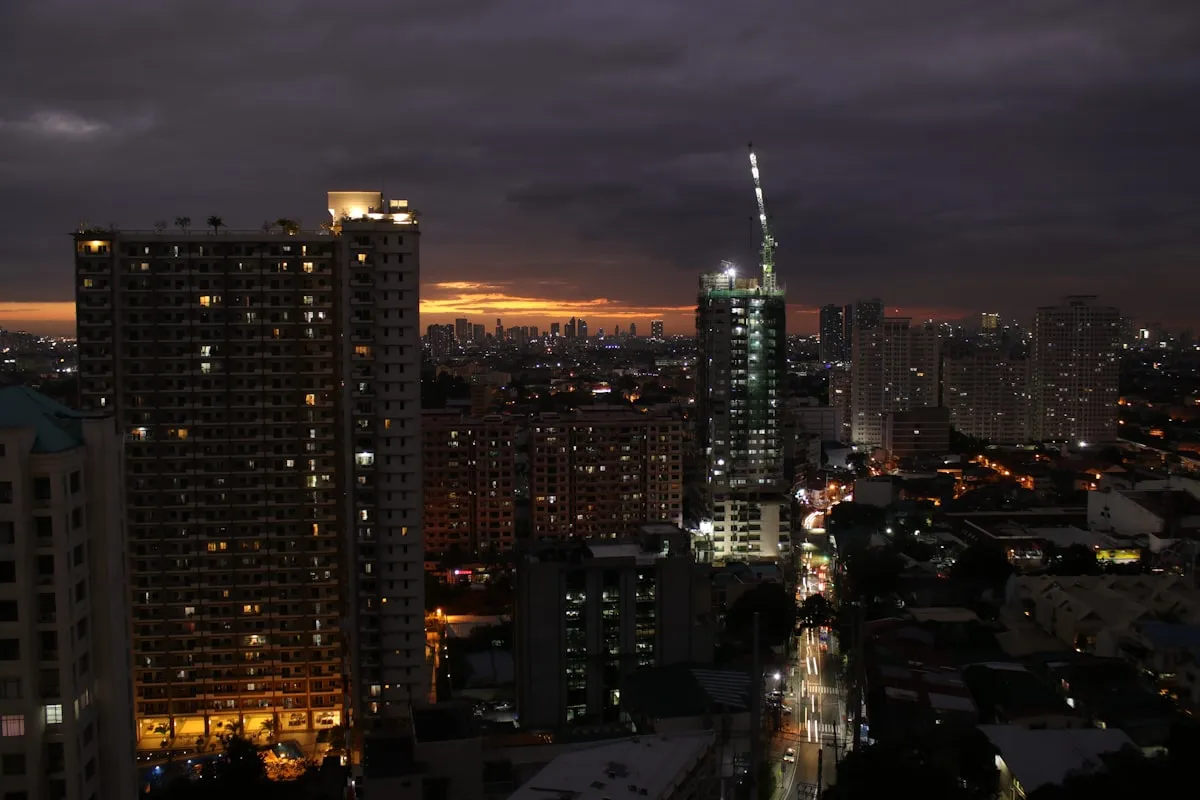
And alongside this extraordinary food culture, Pampanga also has Clark -- the former Clark Air Base, the US Air Force's largest overseas installation until Mount Pinatubo shut it down in 1991. Reinvented as Clark Freeport Zone and now home to Clark International Airport, it gives Pampanga a connectivity and economic dynamism that most Philippine provinces lack. Angeles City, the civilian city that grew up around the base, has its own complex history and is now finding its identity as a food, adventure, and transit hub.
This is the complete guide to Clark, Angeles City, and the wider Pampanga food and tourism experience.
Pampanga Food Heritage: Why Kapampangan Cuisine is Different
The reasons Kapampangan food is considered the Philippines' finest are rooted in geography, history, and trade. Pampanga sits in the fertile Central Luzon plain, the rice basket of the Philippines. The Pampanga River provided abundant freshwater fish. Spanish colonial officials stationed in the area were served by Kapampangan cooks who absorbed European techniques and adapted them with local ingredients. Chinese traders along the river introduced curing and fermentation traditions. The result, over centuries, is a cuisine of unusual depth and technique.
Trip.com
See all tours in Philippines on Trip.comTours & activities in Philippines
Hand-picked experiences in Philippines — book on Trip.com with instant confirmation.
Sisig: The Dish That Conquered Philippine Dining
Sisig is now on every Filipino restaurant menu in the world. The sizzling plate of chopped pork face meat, chicharon, onions, and calamansi that arrives crackling at your table was invented in Angeles City, Pampanga. More specifically, it was invented by Lucia "Aling Lucing" Cunanan, who began serving it at her Angeles City stall in the 1970s using pigs' heads from the Clark Air Base commissary -- discarded by American military cooks who had no use for them. Aling Lucing's original sisig was chopped boiled and grilled face meat, acidified with calamansi, and served on a hot cast-iron plate. Its transformation into a national obsession is one of the great culinary origin stories of the Philippines.
Aling Lucing's stall still operates in Angeles City. The line forms early. The sisig is served at PHP 150-200 per sizzling plate, with a San Miguel as the only appropriate accompaniment. This is a pilgrimage that any serious eater visiting Pampanga must make.
Kare-Kare: The Definitive Pampanga Version
Kare-kare -- the oxtail and vegetables stew in peanut sauce, served with fermented shrimp paste (bagoong alamang) -- is claimed by several Philippine regions. The Kapampangan version is considered definitive by most food authorities: a deeper, richer peanut sauce thickened with toasted rice, oxtail slow-cooked until it falls from the bone, with banana flower, string beans, eggplant, and pechay. Bagoong is served separately and stirred in at the table to taste. It is a dish that takes a full day to prepare properly and is one of the great stews of Southeast Asia.
Tocino and Longganisa: The Breakfast Tradition
Kapampangan sweet cured meats are the source of the Philippines' breakfast culture. Tocino (sugar-cured pork, slightly caramelized when pan-fried), longganisa (sweet or garlicky sausage), and tapa (cured beef) are served with garlic fried rice and fried egg in the tapsilog combinations that every Filipino grows up eating. The Pampanga versions are the benchmark against which all others are measured. Every town in Pampanga has its own tocino recipe, passed between families for generations.
Clark International Airport
Clark International Airport (CRK, IATA code) is one of the most underused strategic assets in the Philippines -- a modern, spacious, far less chaotic alternative to the notorious NAIA in Manila. Its main advantages:
- No queues at security, no terminal congestion, no NAIA horror stories
- Direct international routes to: Doha (Qatar Airways), Guangzhou, Xiamen, Seoul Incheon, Kuala Lumpur, Singapore, and several Middle Eastern destinations
- Budget airlines: AirAsia uses CRK for some international routes; Cebu Pacific also operates here
- 90 minutes from Manila by car via NLEX-SCTEX (or 3-4 hours by bus from Cubao via Victory Liner/Philtranco)
For travelers coming from or going to Central or Northern Luzon destinations -- Baguio (2 hours), Bataan (1.5 hours), Ilocos (4-5 hours) -- Clark is dramatically more convenient than Manila. Always check CRK routes before assuming NAIA is the only option.
What to Do in Clark and Angeles City
Dinosaurs Island
Dinosaurs Island is a family theme park inside the Clark Freeport Zone featuring life-size animatronic dinosaurs in a jungle setting. The execution is better than you might expect -- the animatronics are large and well-detailed, the jungle setting (actual tropical forest) adds atmosphere, and there are interactive elements for children. Entry: PHP 400-600/adult, PHP 300-400/child. Budget 1.5-2 hours. It is genuinely enjoyable for families with children aged 4-12 and surprisingly interesting for adults with low expectations.
Sandbox Adventure Park
Sandbox at Alviera (in Porac, Pampanga -- 20-30 minutes from Angeles) is one of the better adventure parks in Central Luzon. Facilities include:
- The Great Ride zipline (1.2 kilometres, one of the longer ziplines in Luzon, PHP 600-800/person)
- ATV (all-terrain vehicle) tracks through the Pinatubo lahar landscape -- the grey volcanic ash terrain left by the 1991 eruption creates a dramatic moonscape backdrop (PHP 500-1,500 depending on duration)
- Sky Drop: a 55-metre free-fall experience (PHP 500)
- Horseback riding, wall climbing, and picnic areas
All-activity combo tickets are available for PHP 1,500-2,000. The Pinatubo lahar landscape visible from the ATV tracks is genuinely striking -- a reminder of the 1991 eruption that reshaped the region.
Mt. Pinatubo Crater Lake Tour
One of the most dramatic day trips from Manila. Mount Pinatubo erupted on June 15, 1991 in one of the 20th century's largest volcanic eruptions -- the second-largest of the entire century, surpassed only by Krakatoa. The eruption ejected 10 cubic kilometres of material into the atmosphere, cooled global temperatures by 0.5 degrees Celsius for two years, and buried the Clark Air Base under volcanic ash. The landscape around Pinatubo was transformed entirely -- rivers of grey lahar deposits, barren ridges, completely altered drainage patterns.
Today, a crater lake has formed in the summit caldera at 800 metres elevation -- an otherworldly turquoise lake surrounded by grey ash cliffs. Getting there requires a 4WD vehicle to navigate the lahar river beds from the jump-off point in Capas, Tarlac (45 minutes from Angeles), followed by a 2-2.5 hour trek (or shorter if you can hire a smaller 4WD for more of the route). Tour packages from Angeles tour operators: PHP 2,000-3,500/person including guide, 4WD, and entrance fee. The experience is extraordinary: few places on Earth offer a hike through a post-apocalyptic volcanic landscape to a crater lake. Book through reputable operators like Pinatubo Eco-Tourism (they work with local Aeta guides whose communities are in the area).
Clark Museum and Historical Sites
The Clark Museum within the Freeport Zone documents the history of the US Air Force installation from its establishment in 1903 through the 1991 closure. It is modest in scale but genuinely interesting for anyone curious about the American colonial and military period in the Philippines. Adjacent to the museum, the Clark International Speedway (the track where V8 Supercars and other motorsport events have been held) is visible from the road. A number of original American-era colonial buildings survive within the Freeport and are worth a driving tour if you are interested in the architectural history.
Fontana Water Park
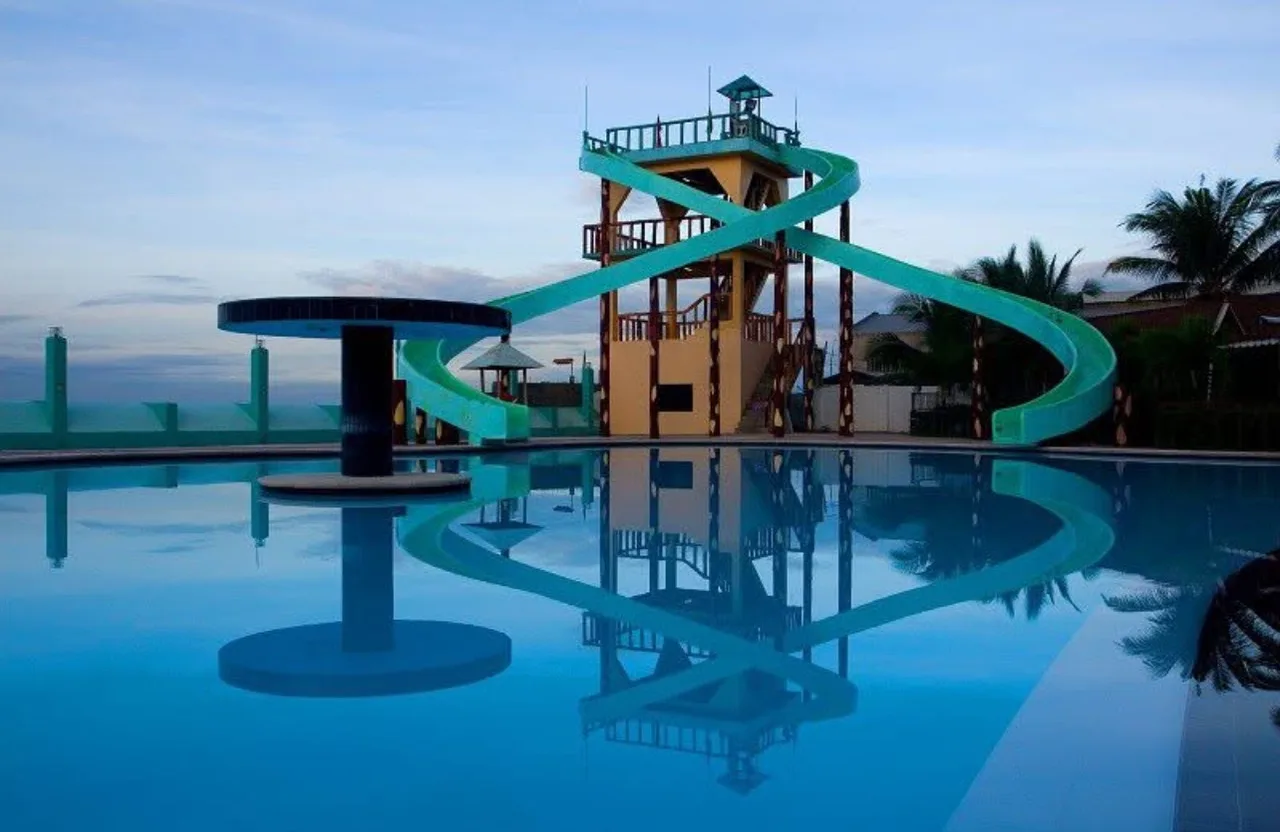
Fontana Leisure Parks and Casino (within Clark Freeport) has a water park with wave pools, slides, and a lazy river that is popular with Manila families for weekend getaways. Day use entry: PHP 500-700/adult. There is also a casino and hotel complex if you want the full resort experience. It is well-maintained and a good family option, though not dramatically different from similar parks elsewhere.
Where to Eat: The Pampanga Pilgrimage List
Aling Lucing's Sisig
The original. On AC Malit Road in Angeles City, it opens for lunch and runs until the pork runs out (usually early afternoon). Expect a wait. Order multiple plates -- one is not enough. PHP 150-200/plate. This is essential.
Everybody's Cafe
A Kapampangan institution since 1946, Everybody's Cafe in Angeles City is the benchmark for traditional Kapampangan cuisine. The kare-kare here is widely cited as the finest commercially available version in the province. Also try the morcon (beef roll stuffed with egg, carrot, and chorizo), the crispy pata (deep-fried pork knuckle), and the dinuguan (pork blood stew -- darker and richer than the Tagalog version). Budget PHP 400-700/person for a full meal.
Susie's Cuisine
Another Angels City institution, Susie's is particularly famous for its tocino and longganisa -- the definitive Kapampangan breakfast meats that have made the province's breakfast tradition famous nationally. Open from breakfast through lunch. The tapsilog combinations (tapa, sinangag/garlic rice, itlog/egg) are excellent. Budget PHP 150-250 for a full breakfast.
Bale Dutung
For a special occasion meal, Bale Dutung is the Pampanga experience par excellence. Chef Claude Tayag and his wife Mary Ann run this private dining restaurant in their family home in Villa Gloria, Angeles. Lunch is served Tuesday-Sunday by reservation only (call ahead -- they book up weeks in advance for weekend slots). The multi-course Kapampangan feast costs PHP 950-1,500/person and covers the full range of traditional cooking: ensaladang pako (fern salad), tidtad (blood stew), kare-kare, morcon, and lechon. This is food scholarship and culinary tradition served in someone's actual home. Reserve early.
Frequently Asked Questions
How far is Clark / Angeles City from Manila and how do I get there?
Angeles City is approximately 80 kilometres north of Manila via NLEX-SCTEX. By private car with early departure (before 7am), the drive takes 1.5-2 hours. Traffic on NLEX can extend this to 2.5-3 hours during morning rush. By bus: Genesis Transport, Philtranco, and Victory Liner all serve Angeles City from Cubao EDSA-Aurora and Pasay terminals -- journey time 2-3 hours, fare PHP 200-350. Clark International Airport is 10-15 minutes from Angeles City centre by car.
Is Angeles City safe for tourists?
Angeles City has a history associated with the entertainment industry that grew up around the US air base -- a reputation that still circulates. The reality in 2026 is more nuanced. The city is generally safe for daytime tourism and food-focused visits. The Fields Avenue area (the main entertainment strip) is the part that carries the old reputation and is best avoided for families and solo travellers. The food scene (Aling Lucing's, Everybody's Cafe, Susie's) and the Clark Freeport are entirely separate from this area and are appropriate for all visitors. Standard travel common sense applies: keep valuables secured, use registered taxis or Grab, and avoid displays of expensive electronics in crowded areas.
Can I combine a Pampanga trip with Baguio?
Absolutely -- this is an excellent itinerary. Manila to Angeles City (2 hours), eat, then continue north via MacArthur Highway to Baguio (another 2-3 hours). Or do the Mt. Pinatubo crater lake tour from Angeles and continue to Baguio via Tarlac-Bamban-La Trinidad. The road via Tarlac passes through the lahar landscape and connects to the Tarlac-Pangasinan-La Union Expressway (TPLEX), significantly reducing travel time north. A 3-4 day itinerary of Manila -- Pampanga food + Pinatubo -- Baguio (2 nights) -- Manila covers two of Central Luzon's best destinations efficiently.
When is the best time to visit Pampanga?
Pampanga is accessible and enjoyable year-round. The dry season (November-May) is best for the Mt. Pinatubo crater lake trek, as the lahar river beds used for the 4WD approach can be impassable after heavy rain. The Giant Lantern Festival (Ligligan Parul Sampernandu) in San Fernando City, Pampanga, is held every December and is arguably the most beautiful Christmas festival in the Philippines -- enormous star-shaped lanterns (parol) up to 6 metres in diameter, illuminated in intricate patterns, compete in an annual festival that dates back to the 1930s. Plan a December Pampanga visit around the Giant Lantern Festival week for an extraordinary experience.
Where should I stay in Clark / Angeles?
Within the Clark Freeport Zone, Royce Hotel and Casino is the premium option (PHP 4,000-8,000/night), with a casino, multiple restaurants, and well-appointed rooms. Fontana Hotel (attached to the water park) is mid-range (PHP 2,500-4,000/night) and popular with families. In Angeles City proper, numerous hotels along MacArthur Highway offer PHP 1,500-3,000/night for clean, mid-range business hotels. For the food-focused day tripper, staying overnight in Angeles is not necessary unless you want to dine at Bale Dutung (dinner seatings are not always available -- call ahead) or explore the broader Pampanga province over two days.

PANA.PH Editorial Team
Philippines travel desk
The PANA.PH travel desk researches, books and re-checks Philippines travel logistics — fares, ferry schedules, government fees and permit rules — and publishes what it can verify.
🏡 Real local stays (book direct)
Hand-picked homestays and guesthouses — book direct, no markup.
Browse all local stays →
🌊 Popular activities (book instantly)
Island hopping, canyoneering, whale sharks — real Klook/GetYourGuide options.
View all activities →